
ផ្កាក្រវាន់រីកក្នុងភពនិរាស
ក្រុមការងារ ReanPedia.com
Contents
- ថ្ងៃលិចបាំងបាត់ពីទីក្រុងធំ
- សុធារិទ្ធ និងភាពល្បីល្បាញនៃដៃចម្លាក់
- និស្ស័យស្នេហ៍លាក់កំបាំង
- ចម្លាក់ផ្កាក្រវាន់
- ការដួលរលំនៃម្លប់ឪពុក
- ដំណឹងនៃការនិរទេស
- កិច្ចសន្យាស្ងាត់នៃបេះដូង
- ភារកិច្ចចម្លាក់នៅឯនាយ
- ផ្លូវលំបាកទៅកាន់ភពនិរាស
- ទឹកភ្នែកដិតដាមលើថ្ម
- ជីវិតក្រោមមេឃចម្លែក
- គំនិតផ្ដើមនៃសារលាក់កំបាំង
- ព្រះពុទ្ធរូបដែលគ្មានពាក្យ
- ផ្កាក្រវាន់លាក់ក្នុងក្បាច់ផ្ដុំ
- ការបញ្ជូនបន្តតាមរយៈអ្នកដំណើរ
- ដំណឹងពីទីឆ្ងាយ
- ការចាប់ផ្តើមនៃការសង្ឃឹម
- ការធ្វើដំណើរទៅកាន់បូជនីយដ្ឋាន
- វិនាទីដែលបានជួបថ្ម
- ការស្រាយចម្លាក់នៃភក្តីភាព
- សារស្នេហ៍ក្នុងចម្លាក់នាងទេព
- កម្លាំងនៃសេចក្តីអត់ធ្មត់
- ពេលវេលារង់ចាំរាប់ឆ្នាំ
- ការសាកល្បងនៃសេចក្តីស្មោះត្រង់
- ការបដិសេធក្រោមរស្មីព្រះ
- បំណងប្រាថ្នារបស់ព្រះមហាក្សត្រ
- ដំណើរវិលត្រឡប់នៃជាងចម្លាក់
- ជួបគ្នាម្ដងទៀតនៅក្រោមដើមក្ដីសង្ឃឹម
- ផល្លាដែលកើតចេញពីការនិរាស
- ផ្កាក្រវាន់រីកអស់កល្បជានិច្ច

ថ្ងៃលិចបាំងបាត់ពីទីក្រុងធំ
ថ្ងៃលិចបានបាំងបាត់ពីទីក្រុងធំ ធ្វើឲ្យមហាវិថីដែលធ្លាប់តែពោរពេញដោយរស្មីឥឡូវក្លាយជាម្លប់ត្រជាក់លាយឡំដោយពន្លឺភ្លើងហ្វាដំបូងនៃរាត្រី។ ទីក្រុងនេះឈ្មោះថាមហានគរ ជានិមិត្តរូបនៃភាពមហិមា និងការអភិវឌ្ឍដ៏លឿនដូចព្យុះសង្ឃរា តែទន្ទឹមនឹងនោះ ភាពរុងរឿងដែលមើលឃើញដោយភ្នែកទទេនេះក៏បានលាក់បាំងនូវស្នាមប្រេះដ៏ជ្រៅនៃភាពតានតឹងនយោបាយ និងការបែកបាក់ផ្លូវចិត្តយ៉ាងសោកសៅផងដែរ។ អាគារខ្ពស់ៗបានដំកើងខ្លួនឡើងប៉ះផ្ទៃមេឃ ដូចជាសសរស្ដម្ភដ៏រឹងមាំតំណាងឲ្យអំណាច ប៉ុន្តែនៅចន្លោះជញ្ជាំងថ្មកែវ និងកញ្ចក់ថ្លា គឺមានតែសំឡេងខ្សឹបខ្សៀវនៃភាពភ័យខ្លាច និងការសង្ស័យដែលលូនវារក្នុងចិត្តមនុស្សគ្រប់រូប។
ពន្លឺចុងក្រោយនៃព្រះអាទិត្យបានធ្លាក់មកលើដំបូលវិមានស័ង្កសីមាស ដែលជាលំនៅដ្ឋានរបស់ កេសរមាលា។ នាងជាស្ត្រីម្នាក់ដែលមានឋានៈខ្ពស់ត្រដែតនៅក្នុងរង្វង់អភិជន ជាអ្នកជំនួញដ៏ប៉ិនប្រសប់ ហើយជានិមិត្តរូបនៃភាពជោគជ័យដ៏កម្រ។ ភាពស្រស់ស្អាតរបស់នាងមិនមែនជាភាពស្រស់ស្អាតបែបផូផង់ធម្មតាទេ វាជាសម្រស់ដែលរួមបញ្ចូលទាំងប្រាជ្ញា ភាពក្លាហាន និងឥទ្ធិពលដ៏មុតមាំមួយ ដែលអាចផ្លាស់ប្ដូរចលនាទីផ្សារ ឬសូម្បីតែការសម្រេចចិត្តរបស់ក្រុមប្រឹក្សានយោបាយកំពូល។ ទោះជាយ៉ាងណាក៏ដោយ ជោគវាសនារបស់នាងហាក់ដូចជាត្រូវបានចងភ្ជាប់ទៅនឹងខ្សែពួរដែលធ្វើអំពីសូត្រដ៏ល្អិតល្អន់បំផុត ប៉ុន្តែវាជាសូត្រដែលរុំព័ទ្ធនាងឲ្យជាប់នៅក្នុងភាពឯកោដ៏មហិមា។ នាងរស់នៅក្នុងភាពរុងរឿង ប៉ុន្តែរាល់ដង្ហើមដែលនាងស្រូបចូល ហាក់ដូចជាមានរសជាតិល្វីងជូរចត់នៃទុក្ខសោកដែលមិនអាចលាងជម្រះបាន។ វិមានរបស់នាងមានលក្ខណៈដូចជាកោដ្ឋមាសដ៏ធំមួយ រក្សាទុកនូវអនុស្សាវរីយ៍ដ៏ផុយស្រួយ។
កេសរមាលា បានឈរនៅលើយ៉រជាន់ខ្ពស់បំផុតនៃវិមានរបស់នាង ភ្នែករបស់នាងបានសម្លឹងមើលទៅទិសខាងលិចដែលជាទីដែលព្រះអាទិត្យទើបតែបាត់ខ្លួនអស់។ នាងពាក់រ៉ូបពណ៌ដីឥដ្ឋដែលបង្ហាញពីភាពថ្លៃថ្នូរ ប៉ុន្តែទឹកមុខរបស់នាងមានលក្ខណៈស្ងប់ស្ងាត់ហួសហេតុ ដែលជាសញ្ញានៃព្រលឹងដែលបានទទួលរងនូវការឈឺចាប់យ៉ាងធ្ងន់ធ្ងរ។ ជីវិតរបស់នាងត្រូវបានគេកំណត់ថាជាភាពអស្ចារ្យ។ នាងមានទ្រព្យសម្បត្តិដែលអាចទិញអ្វីៗគ្រប់យ៉ាងលើកលែងតែសេរីភាពពិតប្រាកដ។ រៀងរាល់ល្ងាច នាងតែងតែរង់ចាំមើលការប្រែប្រួលនៃពណ៌មេឃ ព្រោះថាពន្លឺព្រលប់នោះគឺជាពេលតែមួយគត់ដែលនាងអាចបោះបង់ចោលតួនាទីជាស្ត្រីដែកថែប ហើយត្រឡប់ទៅជាមនុស្សស្រីធម្មតាដែលមានបេះដូងងាយរងគ្រោះ។ នាងនឹកឃើញដល់ពាក្យសម្ដីរបស់ សុធារិទ្ធ ដែលធ្លាប់និយាយថា ភាពស្រស់ស្អាតនៃទីក្រុងនេះគ្រាន់តែជាការបំភាន់ដែលបង្កើតឡើងដើម្បីឲ្យមនុស្សភ្លេចនូវអ្វីដែលពួកគេបានបាត់បង់ប៉ុណ្ណោះ។ សុធារិទ្ធ គឺជាគូស្នេហ៍របស់នាង ដែលបានលះបង់ខ្លួនឯងទៅក្នុងគំនុំនយោបាយដ៏ស្មុគស្មាញ ហើយការសម្រេចចិត្តនោះបានធ្វើឲ្យពួកគេឃ្លាតឆ្ងាយពីគ្នាជារៀងរហូត។
នាងបានលូកដៃទៅប៉ះខ្សែដៃត្បូងកណ្ដៀងមួយ ដែលជាវត្ថុអនុស្សាវរីយ៍ចុងក្រោយដែលនាងទទួលបានពី សុធារិទ្ធ មុនពេលគាត់បាត់ខ្លួនចូលទៅក្នុងស្រមោលអំណាច។ នាងដឹងយ៉ាងច្បាស់ថា ភាពរុងរឿងរបស់នាងសព្វថ្ងៃនេះ គឺបានមកពីការសម្របសម្រួល និងការលះបង់ដ៏ធំមួយ។ ឪពុករបស់នាង ដែលជាមេទ័ពធំម្នាក់ បានបង្ខំនាងឲ្យដើរតួនាទីជាកូនអុកដើម្បីរក្សាលំនឹងឥទ្ធិពលគ្រួសារ ក្រោយពេលដែល សុធារិទ្ធ ត្រូវបានចាត់ទុកជាសត្រូវរបស់រដ្ឋ។ កេសរមាលា បានក្លាយជាស្ពានដែលតភ្ជាប់រវាងអតីតកាលដ៏ទន់ភ្លន់របស់នាង និងអនាគតដ៏ត្រជាក់ស្រេបនៃនយោបាយ។ នាងបានរៀបចំជីវិតដ៏ល្អឥតខ្ចោះ គ្រប់គ្រងក្រុមហ៊ុនធំៗ និងធ្វើអន្តរកម្មជាមួយឥស្សរជននយោបាយជាន់ខ្ពស់បំផុត ដោយប្រើស្នាមញញឹមដ៏ស្រស់បំព្រងរបស់នាងជាគ្រឿងសឹកការពារ។ ប៉ុន្តែនៅពេលដែលថ្ងៃលិចបាត់បង់ពន្លឺ គ្រឿងសឹកនោះក៏រលាយបាត់ទៅជាមួយដែរ។
ភាពស្ងៀមស្ងាត់នៃរាត្រីបានចាប់ផ្តើមគ្របដណ្ដប់មកលើវិមាន។ ខាងក្រោមនៅតាមដងផ្លូវ ការប្រញាប់ប្រញាល់របស់ប្រជាជនទីក្រុងហាក់ដូចជាមិនដែលចេះចប់ឡើយ។ កេសរមាលា បានបិទភ្នែក ហើយនឹកស្រមៃដល់ថ្ងៃមួយដែលនាង និង សុធារិទ្ធ ធ្លាប់បានអង្គុយនៅលើដំបូលផ្ទះតូចមួយកាលពីមុន នៅជាយក្រុង ហើយមើលថ្ងៃលិចជាមួយគ្នា ដោយមិនបារម្ភពីឋានៈ ឬអំណាចអ្វីឡើយ។ ភាពស្មោះត្រង់របស់ សុធារិទ្ធ ចំពោះឧត្តមគតិរបស់ខ្លួន បាននាំឲ្យគាត់ទៅរកផ្លូវវាងនៃជីវិត តែភាពស្មោះត្រង់ចំពោះគ្រួសាររបស់ កេសរមាលា បានបង្ខំនាងឲ្យជ្រើសរើសផ្លូវត្រង់ដែលពោរពេញដោយភាពខ្មៅងងឹត។ នាងយល់ថា នៅក្នុងទីក្រុងធំនេះ គ្មាននរណាម្នាក់ត្រូវបានអនុញ្ញាតឲ្យមានសុភមង្គលពិតប្រាកដដោយគ្មានតម្លៃនោះទេ។ តម្លៃនោះសម្រាប់នាង គឺការលះបង់បេះដូងខ្លួនឯង។ ភាពជោគជ័យផ្នែកហិរញ្ញវត្ថុដែលនាងទទួលបាន គឺគ្រាន់តែជាសំណងដ៏កម្សត់មួយសម្រាប់ការបាត់បង់សេចក្ដីស្រឡាញ់ដ៏ជ្រាលជ្រៅបំផុតប៉ុណ្ណោះ។ នាងឈរនៅទីនោះ ក្រោមពន្លឺនៃចង្កៀងវិមានដ៏ប្រណីត ដោយដឹងថា ទោះបីជាថ្ងៃលិចបានបាត់ទៅហើយក៏ដោយ ក៏ស្រមោលនៃជោគវាសនារបស់នាងនៅតែបន្តលងបន្លាចឥតឈប់ឈរ។ នេះគឺជាតថភាពនៃជីវិតនៅមហានគរ ជាទីដែលភាពត្រចះត្រចង់ខាងក្រៅ គឺជាភស្តុតាងដ៏រស់រវើកនៃភាពទទេរស្អាតនៅខាងក្នុង។
នាងបានងាកចេញពីយ៉រ ដើរចូលទៅក្នុងបន្ទប់ដ៏ធំទូលាយដែលពោរពេញទៅដោយផ្ទាំងគំនូរតម្លៃរាប់លានដុល្លារ ប៉ុន្តែគ្មានស្នាដៃណាមួយអាចបំពេញចន្លោះប្រហោងក្នុងចិត្តរបស់នាងបានឡើយ។ នាងបានលើកកែវស្រាថ្លៃមួយ ហើយផឹកវាដោយគ្មានអារម្មណ៍រីករាយ។ សំឡេងកណ្ដឹងទ្វារបានលាន់ឮឡើង ដោយប្រកាសពីការមកដល់នៃភ្ញៀវនយោបាយសំខាន់មួយរូប ដែលត្រូវមកពិភាក្សាអំពីកិច្ចសន្យាដ៏ចម្រូងចម្រាសនាពេលរាត្រីនោះ។ កេសរមាលា បានកែសម្រួលឥរិយាបថរបស់ខ្លួន ផ្លាស់ប្ដូរទឹកមុខដែលទើបតែបង្ហាញភាពសោកសៅ ទៅជាស្នាមញញឹមដ៏ត្រជាក់ និងមុតស្រួច។ នាងបានពាក់គ្រឿងសឹកផ្លូវចិត្តរបស់នាងឡើងវិញ ព្រោះពេលរាត្រីនេះ ទាមទារឲ្យមានតួនាទីថ្មីដែលគ្មានកន្លែងសម្រាប់ភាពទន់ខ្សោយផ្ទាល់ខ្លួននោះទេ។ ថ្ងៃលិចបានបាត់អស់ហើយ ឥឡូវនេះសោយរាជ្យដោយពន្លឺសិប្បនិម្មិត និងល្បែងអំណាចដែលលាក់កំបាំង។
The sunset had completely vanished from the great city, leaving the grand boulevards, once shimmering with gold, now cooled by shadows and the nascent glow of street lamps. This metropolis, known simply as Mahanakorn, was a symbol of colossal grandeur and tempestuous development, yet beneath the visible prosperity lay a deep, sorrowful fracture of political tension and spiritual decay. Skyscrapers rose to pierce the horizon like unyielding pillars of power, but between the marble walls and sheer glass panels, only the whispers of fear and creeping suspicion inhabited the souls of its denizens.
The final rays of the sun struck the gilded zinc roof of Kesormala’s manor. She was a woman of supreme standing in aristocratic circles, a shrewd entrepreneur, and an icon of rare success. Her beauty was not the ordinary kind; it was a splendor infused with sharp intellect, courage, and a tangible influence capable of shifting market dynamics or even swaying the decisions of the supreme political council. However, her fate seemed tied to a rope woven from the finest silk, a silk that nonetheless bound her in magnificent isolation. She lived amidst opulent luxury, but every breath she drew tasted bitter with an indelible sorrow. Her mansion felt like an enormous golden urn, preserving fragile memories.
Kesormala stood on the highest balcony of her estate, her gaze fixed toward the west where the sun had just disappeared. She wore an earth-toned gown signifying modesty and sophistication, yet her expression was marked by an unsettling calmness—a sign of a soul that had endured profound grief. Her life was defined by its extraordinary nature. She possessed the wealth to purchase everything, save for true freedom. Every evening, she awaited the transformation of the sky’s colors, for the twilight was the only moment she allowed herself to shed the role of the Iron Lady and revert to a vulnerable woman with a susceptible heart. She remembered the words of Sotharith, who once said that the beauty of this city was merely an illusion fabricated to make people forget what they had lost. Sotharith was her lover, who had sacrificed himself to the complex political feuds, a decision that had separated them forever.
She reached down to touch a sapphire bracelet, the last memento she had received from Sotharith before he vanished into the shadows of authority. She knew intimately that her current prosperity was born out of a major compromise and immense sacrifice. Her father, a formidable general, had forced her to take the role of a political pawn to maintain the family’s influence after Sotharith was deemed an enemy of the state. Kesormala became the bridge connecting her tender past to the freezing, stark future of statecraft. She engineered a flawless life, managing mega-corporations and interacting with the highest-ranking political elites, using her captivating smile as an essential piece of defensive armor. But as the sunset faded, that armor briefly melted away.
Silence began to dominate the vast halls of the manor. Below, on the streets, the relentless urgency of the city inhabitants never ceased. Kesormala closed her eyes and vividly pictured a day when she and Sotharith had sat on the small rooftop of their former house, on the city fringe, watching the sunset together, unconcerned with status or power. Sotharith’s fidelity to his ideals led him down a dangerous path, but Kesormala’s fidelity to her family’s survival forced her onto a straight path steeped in darkness. She understood that in this great city, no one was permitted genuine happiness without a terrible cost. That cost, for her, was the sacrifice of her own heart. The financial success she commanded was merely a somber recompense for the loss of her deepest affection. She stood there, bathed in the luxurious light of the mansion’s chandeliers, knowing that even though the sun had set, the shadows of her destiny continued to haunt her relentlessly. This was the reality of life in Mahanakorn, where external brilliance served as vivid evidence of internal emptiness.
She turned away from the balcony, walking into the expansive room filled with multi-million dollar paintings, yet no masterpiece could fill the void within her soul. She lifted a glass of fine wine and drank it without pleasure. The doorbell chimed, announcing the arrival of a key political guest, slated to discuss a controversial contract that very night. Kesormala adjusted her posture, instantaneously transforming the expression of sorrow into a cold, sharp smile. She donned her psychological armor once more, for the night demanded a new role that left no room for personal weakness. The sunset was gone; now reigned artificial light and the hidden games of power.
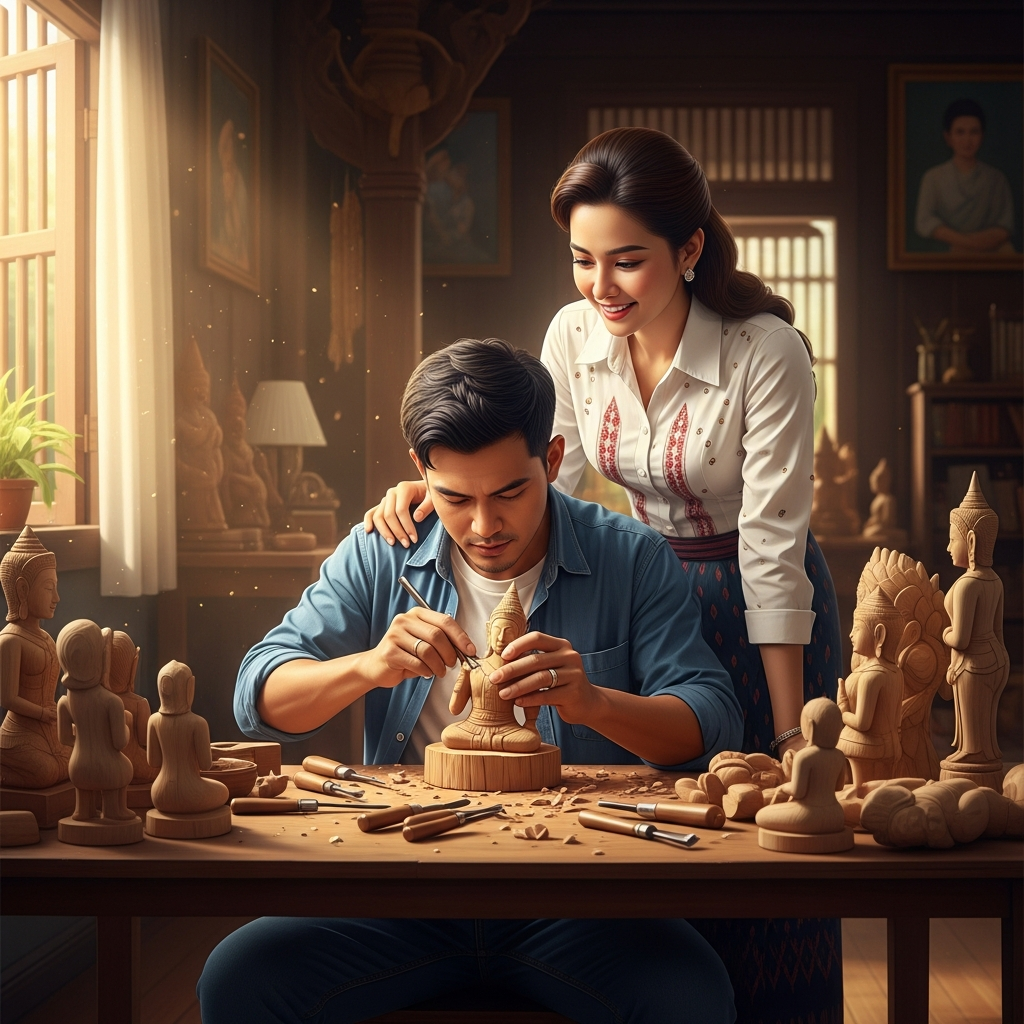
សុធារិទ្ធ និងភាពល្បីល្បាញនៃដៃចម្លាក់
នៅក្នុងភូមិតូចមួយដែលព័ទ្ធជុំវិញទៅដោយវាលស្រែ និងសម្រស់នៃធម្មជាតិគ្មានទីបញ្ចប់ គេបានស្គាល់បុរសម្នាក់ឈ្មោះ សុធារិទ្ធ ដែលជាជាងចម្លាក់ម្នាក់។ គាត់ត្រូវបានគេទទួលស្គាល់ថាមានដៃទិព្វ អាចផ្លាស់ប្តូរថ្មដ៏រឹងមាំ ឬដុំឈើធម្មតាឲ្យក្លាយជាបំណែកសិល្បៈដែលដកដង្ហើមបាន។ ទោះជាយ៉ាងណាក៏ដោយ កេរ្តិ៍ឈ្មោះដ៏ខ្ពង់ខ្ពស់របស់គាត់នៅក្នុងពិភពសិល្បៈ មិនអាចលុបបំបាត់ឋានៈសង្គមដ៏ទាបរបស់គាត់ជាកសិករតោកយ៉ាកបានឡើយ។ សុធារិទ្ធ រស់នៅក្នុងខ្ទមតូចមួយដែលមានដំបូលប្រក់ស្លឹក ហ៊ុំព័ទ្ធដោយសំឡេងញញួរ និងចង្អៀតដោយធូលីដីនៃស្នាដៃរបស់គាត់ ដែលជាភស្តុតាងនៃជីវិតដែលឧទ្ទិសទាំងស្រុងទៅនឹងការស្វែងរកភាពល្អឥតខ្ចោះនៃសោភណភាព។
គាត់បានដាស់តឿនខ្លួនឯងថា សិល្បៈមិនមែនជាផ្លូវទៅរកភាពសម្បូរបែបទេ តែជាការប្រាស្រ័យទាក់ទងដោយផ្ទាល់ជាមួយព្រលឹងនៃវត្ថុធាតុ។ គាត់មិនដែលរត់តាមភាពល្បីល្បាញទេ ភាពល្បីល្បាញបានរត់តាមគាត់ ដូចជាស្រមោលដ៏ធំធេងដែលបោះបង់ចោលដោយពន្លឺភ្លើងនៃទេពកោសល្យដ៏បរិសុទ្ធ។ ដៃគូដ៏ស្មោះត្រង់របស់ សុធារិទ្ធ គឺកំណាត់ កាំបិត និងការអត់ធ្មត់ដ៏យូរអង្វែង។ ជារៀងរាល់ថ្ងៃមុនពេលថ្ងៃរះ គាត់បានចាប់ផ្ដើមការងាររបស់គាត់ ដោយការគោះបន្តិចម្ដងៗទៅលើថ្មភក់ពណ៌ក្រហមដ៏រឹង ដែលហាក់ដូចជាខ្សឹបប្រាប់ពីអាថ៌កំបាំងរបស់វាទៅកាន់ដៃដ៏ប៉ិនប្រសប់របស់គាត់។ ស្នាដៃនីមួយៗរបស់គាត់ មិនថាជាទេពអប្សរាក្នុងកាយវិការរាំដ៏ទន់ភ្លន់ ឬរូបសំណាកព្រះពោធិសត្វដែលពោរពេញទៅដោយក្តីមេត្តាករុណា ក៏តែងតែបង្កប់នូវអារម្មណ៍ជ្រាលជ្រៅ និងអត្ថន័យទស្សនវិជ្ជា ដែលអ្នកសិល្បៈជាច្រើនមិនអាចទៅដល់បាន។
ចំណុចរបត់បានមកដល់នៅពេលដែល សុធារិទ្ធ បានបញ្ចប់ការឆ្លាក់រូបនាគរាជមួយអង្គដ៏មហិមា ដែលមានក្បាលប្រាំពីរ។ នាគនោះមិនត្រឹមតែជាតំណាងរូបវ័ន្តប៉ុណ្ណោះទេ ថែមទាំងជាការចាប់កំណើតនៃថាមពលទឹក និងភាពសម្បូរបែបនៃធម្មជាតិខ្មែរទៀតផង។ ថ្មដែលឆ្លាក់ដោយកំណាត់របស់គាត់ ហាក់បីដូចជាមានជីវិត រោមសត្វនីមួយៗ មាត្រដ្ឋាននីមួយៗ បង្ហាញពីចលនាដ៏ស្ទាត់ជំនាញ។ ដំណឹងនៃស្នាដៃឯកនេះបានរីករាលដាលដូចជាភ្លើងឆេះព្រៃ។ ដំបូងឡើយ វាត្រូវបានគេខ្សឹបខ្សៀវក្នុងចំណោមឈ្មួញ អ្នកមានដែលស្វែងរកគ្រឿងអលង្ការសម្រាប់ផ្ទះរបស់ពួកគេ។ ប៉ុន្តែមិនយូរប៉ុន្មាន វាបានទៅដល់សាលធំនៃរាជធានី និងត្រចៀករបស់ពួកវណ្ណៈអភិជន ដែលការយល់ដឹងពីសិល្បៈត្រូវបានចាត់ទុកថាជាសសរស្តម្ភនៃអរិយធម៌។
សម្រាប់រាជវាំង ការមានស្នាដៃដ៏ល្អឥតខ្ចោះនៅក្នុងវិមានរបស់ពួកគេ គឺជាការបង្ហាញពីអំណាច និងរសនិយម មិនមែនគ្រាន់តែជាគ្រឿងតុបតែងលម្អនោះទេ។ កិត្តិនាមរបស់ សុធារិទ្ធ បានបង្កើតស្ថានភាពដ៏ចម្លែកមួយ៖ បុរសដែលរស់នៅដោយការលំបាកលំបិន ត្រូវបានគេស្វែងរកដោយអ្នកដែលមានជីវិតរស់នៅដោយភាពហ៊ឺហារ។ សូម្បីតែមន្ត្រីជាន់ខ្ពស់បំផុតរបស់ព្រះមហាក្សត្រ ក៏ចាប់ផ្ដើមបញ្ជូនអ្នកនាំសារទៅកាន់ភូមិដាច់ស្រយាលរបស់គាត់ដែរ ដោយសង្ឃឹមថានឹងទទួលបានការចាប់អារម្មណ៍ពីជាងចម្លាក់ឯកត្តជនរូបនេះ។ សុធារិទ្ធ ជារឿយៗបានបដិសេធសំណើទាំងនោះ ដោយមើលឃើញថាការងាររបស់គាត់ជាការបម្រើព្រះធម៌ មិនមែនជាការបម្រើភាពឥតប្រយោជន៍នៃមនុស្សទេ។
ទោះជាយ៉ាងនេះក្តី ការហៅទូរស័ព្ទពីព្រះបរមរាជវាំងគឺខុសគ្នា។ ថ្ងៃមួយ រទេះសេះដែលមានរោមដ៏ឆើតឆាយ ត្រូវបានដឹកនាំដោយទាហានដែលស្លៀកពាក់ឯកសណ្ឋានរាជ បានមកដល់មុខផ្ទះខ្ទមរបស់គាត់។ ធូលីដីតាមផ្លូវបានហុយឡើងយ៉ាងខ្លាំង នៅពេលដែលរទេះឈប់។ បុរសម្នាក់ឈ្មោះ មុនីសក្តិ ដែលជាមន្ត្រីទទួលបន្ទុកផ្នែកសិល្បៈ និងស្ថាបត្យកម្មរបស់រាជវាំង បានចុះពីលើរទេះដោយភាពថ្លៃថ្នូរ។ មុនីសក្តិ បានគោរព សុធារិទ្ធ មិនមែនដោយសារឋានៈទេ តែដោយសារការគោរពចំពោះទេពកោសល្យ។
“សុធារិទ្ធ, ដៃដែលបង្កើតជីវិតចេញពីថ្ម។ ព្រះរាជវាំងកំពុងស្វែងរកលោក” មុនីសក្តិ បាននិយាយដោយសំឡេងទន់ភ្លន់។ “ព្រះនាង កេសរមាលា ខ្លួនឯង ជាអ្នកគាំទ្រដ៏អស្ចារ្យបំផុតនៃសិល្បៈនៅក្នុងអាណាចក្រនេះ បានឃើញស្នាដៃរបស់លោក។ នាងបានដឹងថា ការឆ្លាក់រូបរបស់លោកគឺជារបស់ពិត មិនមែនជាការត្រាប់តាមនោះទេ។”
ព្រះនាង កេសរមាលា មិនត្រឹមតែជាព្រះនាងដែលមានខ្សែរាជវង្សប៉ុណ្ណោះទេ ថែមទាំងជាអ្នកជំនាញផ្នែកសោភណភាព ដែលមានចំណេះដឹងទូលំទូលាយអំពីប្រវត្តិសាស្ត្រ និងទេវកថាទៀតផង។ នាងមានកេរ្តិ៍ឈ្មោះដោយសារការយល់ដឹងដ៏ជ្រាលជ្រៅរបស់នាងអំពីខ្លឹមសារនៃសិល្បៈខ្មែរ ហើយនាងមិនចូលចិត្តភាពឆើតឆាយដែលគ្មានខ្លឹមសារនោះទេ។ សុធារិទ្ធ មានអារម្មណ៍លាយឡំគ្នានៃភាពភ័យខ្លាច និងកិត្តិយស។ ភាពភ័យខ្លាច ព្រោះថាការចូលទៅក្នុងពិភពរាជវាំងអាចបំផ្លាញភាពឯកោដ៏បរិសុទ្ធដែលគាត់ត្រូវការសម្រាប់ការច្នៃប្រឌិត។ កិត្តិយស ព្រោះថានាងជាមនុស្សម្នាក់ក្នុងចំណោមមនុស្សតិចតួចបំផុតដែលយល់ពីបន្ទុកផ្លូវចិត្តដែលគាត់បានដាក់ចូលទៅក្នុងស្នាដៃរបស់គាត់។
ការជួបជាមួយព្រះនាង កេសរមាលា ត្រូវបានរៀបចំឡើងនៅក្នុងសាលតូចមួយនៃវិមានរាជវាំង ដែលមិនមានការតុបតែងហួសហេតុពេកទេ ដូចដែលព្រះនាងចូលចិត្ត។ នៅពេល សុធារិទ្ធ ចូលទៅ គាត់បានដឹងភ្លាមថា កេសរមាលា មិនដូចជាអភិជនដទៃទៀតដែលគាត់ធ្លាប់បានឮនោះទេ។ នាងស្លៀកពាក់សាមញ្ញ ប៉ុន្តែមានភាពឆើតឆាយ ហើយភ្នែករបស់នាងមានភាពកក់ក្តៅ និងការគោរព។
នាងបានចាប់ផ្តើមការសន្ទនាដោយមិនចាំបាច់មានពិធីការ៖ “សុធារិទ្ធ, ស្នាដៃរបស់អ្នកបានបង្ហាញខ្ញុំថា ភាពអស្ចារ្យមិនស្ថិតនៅលើប្រាក់មាស ឬសម្ភារៈនោះទេ តែនៅលើដៃដែលបង្កើតរូបរាង។ ខ្ញុំត្រូវការការងារមួយ ដែលលើសពីភាពស្រស់ស្អាតធម្មតា។ ខ្ញុំត្រូវការរូបសំណាកដែលចាប់យកព្រលឹងនៃអាណាចក្ររបស់យើង—មិនមែនជាការលើកតម្កើងមហាក្សត្រទេ តែជាការចាប់យកស្មារតីរបស់ប្រជាជនខ្មែរ។”
នាងបានសុំឱ្យគាត់ឆ្លាក់រូបសំណាក ‘ទេពធីតានៃសេចក្តីពិត’ ដែលជាបដិមាដ៏ធំមួយដែលត្រូវដាក់តាំងនៅចំកណ្តាលទីលានរាជវាំង។ វាជាគម្រោងដ៏ធំសម្បើមមួយ ដែលទាមទារពេលវេលាជាច្រើនឆ្នាំ និងការប្រើប្រាស់ថ្មម៉ាបដ៏កម្រដែលនាំចូលពីចម្ងាយ។ សុធារិទ្ធ ដឹងថាការងារនេះនឹងលើកឋានៈរបស់គាត់ពីជាងចម្លាក់ភូមិទៅជាមេជាងចម្លាក់ជាតិ។ គាត់ក៏ដឹងដែរថា ភាពល្បីល្បាញនេះនឹងនាំមកនូវការចាប់អារម្មណ៍យ៉ាងខ្លាំងពីមជ្ឈដ្ឋានជុំវិញខ្លួន។
“ព្រះនាង” គាត់បានឆ្លើយដោយសំឡេងទាបដែលពោរពេញដោយការស្ទាក់ស្ទើរ “ខ្ញុំសូមស្វាគមន៍គម្រោងនេះ។ ប៉ុន្តែសិល្បៈរបស់ខ្ញុំទាមទារភាពស្ងប់ស្ងាត់។ ប្រសិនបើខ្ញុំក្លាយជាផ្នែកនៃភាពអ៊ូអរនៃរាជវាំង ខ្ញុំខ្លាចខ្ញុំបាត់បង់ការភ្ជាប់ជាមួយវត្ថុធាតុដើម។”
កេសរមាលា ញញឹមដោយការយល់ដឹង។ “នោះហើយជាមូលហេតុដែលខ្ញុំបានស្វែងរកលោកដោយផ្ទាល់។ ខ្ញុំនឹងធានាថា លោកទទួលបានទាំងការគាំទ្រទាំងអស់របស់រាជវាំង និងឯកសិទ្ធិនៃភាពឯកោ។ សិល្បៈពិតត្រូវតែរស់នៅដោយគ្មានខ្សែចង។ ខ្ញុំនឹងសាងសង់ស្ទូឌីយោមួយសម្រាប់លោកនៅជិតព្រះរាជវាំង ប៉ុន្តែនៅឆ្ងាយពីសំឡេងរំខាន។ លោកអាចបន្តធ្វើការដូចជានៅក្នុងភូមិរបស់លោកដែរ តែជាមួយនឹងសម្ភារៈដែលស័ក្តិសមសម្រាប់ទេពកោសល្យរបស់លោក។”
សុធារិទ្ធ បានឱនក្បាលដោយការគោរពដ៏ជ្រាលជ្រៅ។ នោះជាការធានាដែលគាត់ត្រូវការ។ ការផ្តល់ជូននេះមិនមែនជាការទិញទេ តែជាការឧបត្ថម្ភដល់សិល្បៈ។ ភាពល្បីល្បាញនៃដៃចម្លាក់របស់គាត់បានបើកទ្វារដែលឋានៈសង្គមមិនអាចបិទបាន។ ដំណើររបស់ សុធារិទ្ធ ពីខ្ទមតូចដល់ស្ទូឌីយោរាជវាំង មិនមែនជាការស្វែងរកទ្រព្យសម្បត្តិទេ តែជាការបញ្ជាក់អំពីអំណាចនៃសិល្បៈដ៏បរិសុទ្ធលើរចនាសម្ព័ន្ធសង្គម។ ភាពល្បីល្បាញរបស់គាត់ឥឡូវនេះបានក្លាយជាបន្ទុកមួយដែលគាត់ត្រូវតែលើកឡើង ដើម្បីបន្តឧទ្ទិសខ្លួនដល់ព្រះធម៌នៃសិល្បៈ។ គាត់បានទទួលយកកាតព្វកិច្ចក្នុងការបង្កើតស្នាដៃដែលនឹងរស់នៅជារៀងរហូតនៅក្នុងប្រវត្តិសាស្ត្រខ្មែរ។
In a small village nestled amid endless rice fields and the silent grandeur of nature, lived a man known simply as Sothearith, the sculptor. His hands were deemed divine, capable of transforming inert, heavy stone or common wood into breathing fragments of art. Yet, his soaring reputation in the artistic world could not erase the stark reality of his humble social standing as a struggling agrarian worker. Sothearith dwelled in a modest, thatched hut, filled with the rhythmic sound of the hammer and choked by the fine dust of his creations—a testament to a life devoted solely to the pursuit of aesthetic perfection.
He maintained that art was not a pathway to riches but a direct communion with the soul of the material. He never chased renown; rather, fame pursued him, like an immense shadow cast by the pure light of unadulterated talent. Sothearith’s loyal companions were his chisels, knives, and an enduring patience. Every day before dawn, he began his labor, gently tapping the hard red sandstone, which seemed to whisper its secrets to his skilled fingers. Each piece he carved, whether a graceful Apsara in a delicate dance posture or a Bodhisattva figure radiating compassion, possessed a profound emotional depth and philosophical resonance that many more established artists failed to reach.
The turning point arrived when Sothearith completed his monumental carving of a Nāga, the great serpent deity with seven heads. The serpent was not merely a physical representation but an embodiment of water energy and the abundance of the Cambodian landscape. The stone, rendered pliable by his chisel, appeared alive; every scale, every subtle curve, suggested potent movement. News of this masterpiece spread like wildfire. Initially, it was whispered among merchants, the wealthy patrons seeking adornments for their homes. But soon, it reached the great halls of the capital and the ears of the true aristocracy, where artistic discernment was considered a pillar of civilization.
For the Royal Court, possessing perfect artistry within their palaces was a display of power and taste, not just mere decoration. Sothearith’s fame created a strange paradox: the man living in abject simplicity was sought after by those who lived in utter luxury. Even the highest ministers of the King began dispatching envoys to his remote village, hoping to gain the attention of this singular artisan. Sothearith often refused these bids, viewing his work as a service to *dharma* rather than to human vanity.
However, the summons from the palace was different. One day, an elegant, feathered carriage, escorted by soldiers in royal livery, arrived before his humble shack. The dust of the road settled dramatically as the vehicle halted. A man named Monisak, the official responsible for the Royal Arts and Architecture, descended with reserved dignity. Monisak paid homage to Sothearith not for his status, but out of genuine reverence for genius.
“Sothearith, the hands that conjure life from stone. The Royal Palace seeks you,” Monisak spoke in a soft, respectful tone. “Princess Kesormala herself, the greatest patron of the arts in this kingdom, has viewed your work. She recognized that your sculpture is the genuine article, not an imitation.”
Princess Kesormala was not just a princess by lineage but a consummate aesthetic expert, widely read in history and mythology. She had a reputation for her penetrating understanding of the essence of Khmer art and disliked superficial grandeur. Sothearith felt a complex mixture of dread and honor. Dread, because entering the royal sphere might shatter the pure solitude he required for creation. Honor, because she was one of the very few who seemed to grasp the emotional weight he infused into his pieces.
The meeting with Princess Kesormala was arranged in a small, intentionally unadorned hall of the royal residence, as the Princess preferred simplicity. When Sothearith entered, he immediately realized Kesormala was unlike the typical high-born nobles he had heard about. She was dressed simply but elegantly, and her eyes held a warmth and deep respect.
She began the conversation without unnecessary protocol: “Sothearith, your work showed me that greatness does not reside in gold or material wealth, but in the hand that gives form. I require a work that transcends mere beauty. I need a statue that captures the very soul of our empire—not an exaltation of the King, but an encapsulation of the Khmer spirit.”
She requested the creation of the ‘Goddess of Intrinsic Truth,’ a massive sculpture intended for display in the heart of the royal plaza. It was a colossal project, requiring years of commitment and the use of rare marble imported from distant lands. Sothearith knew this task would elevate his status from a village sculptor to a national master. He also knew this fame would bring intense scrutiny.
“Your Highness,” he replied, his voice low and filled with hesitation, “I welcome the project. But my art demands stillness. If I become part of the clamor of the court, I fear I will lose my connection to the raw material.”
Kesormala smiled knowingly. “That is precisely why I sought you personally. I shall ensure you receive both the full support of the court and the privilege of isolation. True art must live unfettered. I will construct a dedicated studio for you near the palace, yet far removed from the noise. You may continue to work as if you were in your village, but with materials befitting your genius.”
Sothearith bowed in profound reverence. That was the assurance he needed. The offer was not a purchase but a true patronage of the arts. The fame of his sculpting hands had opened a door that social standing could not close. Sothearith’s journey from the small hut to the royal studio was not a quest for wealth, but a confirmation of the power of pure artistry over social structures. His renown had now become a burden he must bear, dedicated still to the dharma of art. He accepted the duty to create a masterpiece that would live forever in Khmer history.
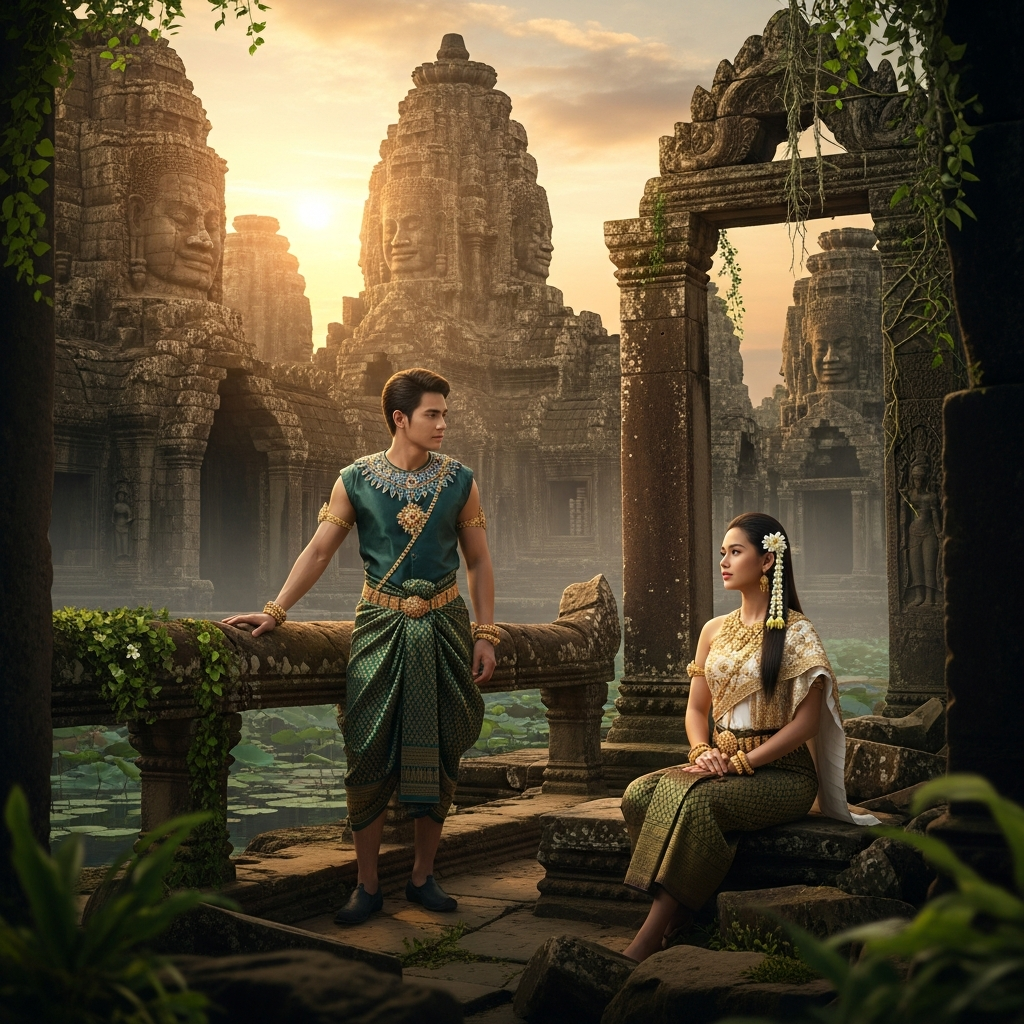
និស្ស័យស្នេហ៍លាក់កំបាំង
បរិវេណប្រាសាទបុរាណនៃមហានគរលិចលង់ ហាក់បីដូចជាសាក្សីដ៏ស្ងៀមស្ងាត់នៃប្រវត្តិសាស្ត្ររាប់ពាន់ឆ្នាំ។ ធូលីហុយទ្រលោមឡើងក្នុងកម្ដៅថ្ងៃត្រង់ លាយឡំនឹងក្លិនថ្មចាស់ដែលកំពុងត្រូវបានជួសជុលដោយជាងចំណានៗ។ សុធារិទ្ធ ឈរនៅលើគំនរថ្មភក់ ដែលទើបនឹងត្រូវបានឆ្លាក់ក្បាច់ថ្មី ដៃរបស់គេស្ទាបអង្អែលយ៉ាងថ្នមៗទៅលើចម្លាក់ទេពអប្សរ ដែលមើលទៅរស់រវើក ហាក់កំពុងហោះហើរ។ គេស្លៀកពាក់អាវសូត្រពណ៌ភ្លុក ដែលមិនសូវសមនឹងបរិយាកាសធូលីដី និងសំឡេងញាប់ញ័រនៃញញួរដែកនោះឡើយ។ សុធារិទ្ធ គឺជាបុត្ររបស់លោកឧកញ៉ាមហាសេដ្ឋី ដែលមានតួនាទីជាអ្នកត្រួតពិនិត្យគម្រោងស្ដារប្រាសាទដ៏ធំនេះ។ ទោះបីជារស់នៅក្នុងភាពហ៊ឺហា និងមានការអប់រំខ្ពស់បំផុតពីបរទេសក៏ដោយ ក៏ក្នុងចិត្តរបស់គេមានអារម្មណ៍ថាឯកោ និងធ្ងន់ធ្ងរដោយសារបន្ទុកនៃវណ្ណៈរបស់ខ្លួន។ គេសម្លឹងមើលទៅចម្ងាយ ឃើញជីវិតកម្មករដែលខុសគ្នាស្រឡះពីខ្លួន—ជាជីវិតដែលហាក់ដូចជាសាមញ្ញ ប៉ុន្តែពោរពេញទៅដោយសេរីភាពដែលគេមិនដែលមាន។
ខណៈដែលសុធារិទ្ធ កំពុងតែលង់ក្នុងគំនិតយ៉ាងជ្រៅនោះ រូបរាងនារីម្នាក់បានលេចឡើងនៅក្បែរសសរបាក់បែកមួយ។ នាងគឺ កេសរមាលា។ នាងពាក់អាវចាស់ពណ៌ត្នោត ដែលប្រឡាក់ដោយដីល្បាយ និងម្សៅថ្ម។ ផ្ទុយទៅនឹងសម្លៀកបំពាក់សាមញ្ញ មុខរបស់នាងមានសោភ័ណភាពស្ងប់ស្ងាត់ និងកែវភ្នែកដែលឆ្លុះបញ្ចាំងពីចំណេះដឹងជ្រៅជ្រះអំពីថ្ម និងសិល្បៈ។ កេសរមាលា មិនមែនជាអ្នកបម្រើ ឬកម្មការិនីធម្មតាឡើយ នាងគឺជាកូនស្រីរបស់ជាងចម្លាក់ឯកទេសដ៏ចំណានម្នាក់ ដែលបានបន្តជំនាញសិល្បៈនេះពីដូនតារបស់នាង។ នាងកំពុងត្រួតពិនិត្យគុណភាពថ្មដែលត្រូវប្រើសម្រាប់ជំនួសគ្រឹះប្រាសាទ។ នាងមិនបានចាប់អារម្មណ៍នឹងវត្តមានរបស់សុធារិទ្ធ ភ្លាមៗនោះទេ រហូតដល់ពេលនាងងើបមុខឡើង ហើយភ្នែករបស់អ្នកទាំងពីរក៏ប្រសព្វគ្នាចំពីមុខចម្លាក់ទេពអប្សរដដែលនោះ។
វិនាទីនោះ គឺជាការជួបគ្នាដ៏ចម្លែក ដែលបង្កប់ដោយព្រហ្មលិខិត។ សុធារិទ្ធ ឃើញភាពរឹងមាំនៃព្រលឹងនាង ចំណែក កេសរមាលា ឃើញភាពទន់ខ្សោយដែលលាក់នៅពីក្រោយអំណាចរបស់គេ។ សុធារិទ្ធ សម្រេចចិត្តបំបែកភាពស្ងៀមស្ងាត់។ “ក្បាច់ចម្លាក់នេះមានលក្ខណៈពិសេសម្យ៉ាង។ ខ្ញុំគិតថាវាជាការរំលេចនូវព្រលឹងរបស់នារីសម័យមុន។ មិនមែនគ្រាន់តែជាថ្មប៉ុណ្ណោះទេ” គេនិយាយដោយប្រើភាសាដែលបានបណ្ដុះបណ្ដាលខ្ពស់។ កេសរមាលា ងាកមកឆ្លើយដោយទឹកមុខគោរព ប៉ុន្តែពាក្យសម្ដីនាងច្បាស់លាស់ និងពោរពេញដោយខ្លឹមសារ។ “បាទ លោក។ ថ្មមិនគ្រាន់តែជារូបធាតុស្លាប់នោះទេ។ ថ្មទាំងនេះធ្លាប់ផ្ទុកនូវទម្ងន់នៃការអធិស្ឋាន និងកម្លាំងញើសឈាមរបស់បុព្វបុរស។ ថ្មនេះឆ្លាក់ដោយក្ដីស្រឡាញ់ពិតប្រាកដ។ បើយើងគ្រាន់តែមើលឃើញវាជាថ្ម នោះយើងមិនយល់ពីខ្លឹមសាររបស់វាឡើយ” ។
សម្ដីនេះបានទម្លុះចូលទៅក្នុងបេះដូងរបស់ សុធារិទ្ធ យ៉ាងជ្រៅ។ គេធ្លាប់សិក្សាពីប្រវត្តិសាស្ត្រ និងទ្រឹស្ដីស្ថាបត្យកម្មអស់ជាច្រើនឆ្នាំ ប៉ុន្តែនារីដែលកំពុងឈរនៅក្បែរគាត់នេះ—នាងដែលមានសភាពរាបសាជាងបុគ្គលិករបស់គេទៅទៀត—បានយល់ពីព្រលឹងនៃថ្មនេះបានប្រសើរជាងគេ។ គេសម្លឹងមើលដៃរបស់នាង ដែលប្រឡាក់ដោយដីពណ៌ច្រែះ ប៉ុន្តែមានភាពរហ័សរហួន និងប្រណិតក្នុងចលនា។ គេសួរបន្តទៀត “តើអ្នកមើលឃើញអ្វីក្នុងចម្លាក់នេះទៅ?” កេសរមាលា លើកដៃចង្អុលទៅលើគល់បាក់បែកនៅចុងជើងទេពអប្សរ។ “នាងហាក់ដូចជាកំពុងហោះហើរ ប៉ុន្តែជើងរបស់នាងនៅជាប់នឹងកាតព្វកិច្ចចំពោះអ្វីដែលនាងតំណាង។ នេះគឺជាភាពផ្ទុយគ្នាដែលបង្ហាញថា សេរីភាពពិតកើតចេញពីការយល់ដឹងពីការជាប់ជំពាក់របស់យើង។ ដូចជាយើងដែរ លោក។ យើងកើតមកជាមួយនឹងជោគវាសនារួចទៅហើយ ប៉ុន្តែចិត្តយើងនៅតែចង់រត់គេចពីក្របខ័ណ្ឌដែលសង្គមបានកំណត់”។
ពាក្យ «ក្របខ័ណ្ឌដែលសង្គមបានកំណត់» នេះបានចាក់ដោតខ្លាំងបំផុត។ សុធារិទ្ធ បានដឹងភ្លាមៗថា នាងបានស្គាល់គេ ហើយបានដឹងពីគម្លាតវណ្ណៈរវាងអ្នកទាំងពីរ។ គេជាមេគ្រងគ្រង នាងជាអ្នកដែលធ្វើការដោយដៃ។ គម្លាតនេះហាក់ដូចជាធំជាងមហាសមុទ្រទៅទៀត។ ទាំងសុធារិទ្ធ ទាំង កេសរមាលា មិនហ៊ាននិយាយឈ្មោះ ឬសួរពីជីវិតផ្ទាល់ខ្លួនរបស់គ្នាឡើយ ព្រោះការនិយាយកាន់តែច្រើន គឺកាន់តែបង្កើនហានិភ័យនៃការបំពានទៅលើព្រំដែនសង្គម។ ក៏ប៉ុន្តែ តាមរយៈការសន្ទនាយ៉ាងខ្លីអំពីថ្មបុរាណ ពួកគេបានចាប់ផ្ដើមយល់ពីព្រលឹងគ្នាទៅវិញទៅមកយ៉ាងជ្រៅជាងមនុស្សដែលរស់នៅក្នុងវណ្ណៈតែមួយទៅទៀត។ ពួកគេមិនមែនកំពុងស្ដារប្រាសាទទេ តែកំពុងស្ដារចំណងនៃនិស្ស័យមួយដែលត្រូវបានកប់បាត់តាំងពីបុរាណកាលមក។
បរិយាកាសនៃកន្លែងសំណង់ស្រាប់តែត្រូវបានកាត់ផ្ដាច់ដោយសំឡេងបុរសម្នាក់ដែលជាមេការសំណង់ស្រែកហៅ កេសរមាលា។ “កេសរមាលា! ថ្មភក់សម្រាប់ជញ្ជាំងខាងលិចបានមកដល់ហើយ!” ឈ្មោះរបស់នាងបានលាន់ឮយ៉ាងច្បាស់ក្នុងត្រចៀករបស់ សុធារិទ្ធ ហើយគេបានចាប់ឈ្មោះនោះទុកក្នុងចិត្តយ៉ាងហ្មត់ចត់។ កេសរមាលា ឱនក្បាលគោរពយ៉ាងខ្លីបំផុត មុននឹងងាកដើរចេញទៅកាន់ភារកិច្ចរបស់នាង។ គេដឹងថា នាងមិនអាចនៅយូរជាងនេះបានឡើយ ហើយគេក៏មិនអាចទប់ឃាត់នាងបានដែរ។ មុនពេលនាងបាត់ខ្លួននៅពីក្រោយគំនរថ្ម នាងបានងាកមកវិញ ហើយបញ្ជូនស្នាមញញឹមដ៏កម្រ និងស្រទន់មួយ ដែលមិនមែនជាការគោរពចំពោះថ្នាក់ដឹកនាំឡើយ តែជាការទទួលស្គាល់នូវចំណងដែលទើបនឹងកើតឡើង។ សុធារិទ្ធ ឈរនៅត្រង់នោះយ៉ាងយូរ ដៃរបស់គេនៅតែប៉ះនឹងទេពអប្សរដែលបានភ្ជាប់ពួកគេចូលគ្នា។ គេបានរកឃើញព្រលឹងមួយដែលស័ក្ដិសមនឹងគេបំផុត ប៉ុន្តែព្រលឹងនោះត្រូវបានការពារដោយជញ្ជាំងដែលក្រាស់ជាងជញ្ជាំងប្រាសាទទៅទៀត—គឺជញ្ជាំងនៃវណ្ណៈ។ និស្ស័យស្នេហ៍ដ៏លាក់កំបាំងនេះបានចាប់ផ្ដើមរីកដុះដាលក្រោមកម្ទេចធូលី និងសំនៀងនៃប្រាសាទដែលទ្រុឌទ្រោម ជាចំណងដែលគេដឹងថា នឹងតម្រូវឲ្យគេលះបង់អ្វីៗគ្រប់យ៉ាងដើម្បីបានវាមកវិញ។
The sprawling ruins of the ancient capital, a silent witness to millennia of history, shimmered under the intense midday sun. Dust motes danced in the heated air, mixing with the sharp scent of old stone and the fresh mortar used by skilled craftsmen in the restoration process. Sothearith stood atop a pile of newly carved sandstone, his fingers gently tracing the relief of an Apsara, vibrant and seemingly ready for flight. He was dressed in high-quality silk, a pale ivory color that seemed ill-suited to the gritty environment and the incessant tap of metal hammers. Sothearith was the son of a powerful magnate, tasked with overseeing this massive temple restoration project. Despite the luxurious comfort and the advanced foreign education he possessed, his heart carried the immense weight of solitude and the rigid burdens imposed by his aristocratic class. He gazed out at the distant laborers, whose lives were starkly different from his own—lives that appeared simple, yet held a freedom he had never known.
While Sothearith was lost in this deep contemplation, the figure of a young woman appeared near a broken pillar. This was Kesormala. She wore a faded, earth-toned tunic, smudged with fine clay and stone powder. In sharp contrast to her simple attire, her face held a quiet beauty and eyes that reflected a profound, intimate knowledge of the stones and the art they embodied. Kesormala was neither a simple servant nor a common worker; she was the daughter of an expert master carver, carrying forward an artistic tradition passed down through her lineage. She was inspecting the quality of the foundation stone meant for replacement. She did not immediately notice Sothearith’s presence until she looked up, and their eyes met directly over the same Apsara carving that had captivated him.
That instant was an extraordinary confluence, a moment charged with destiny. Sothearith saw the fierce resilience in her soul, while Kesormala saw the subtle vulnerability hidden beneath his cloak of authority. Sothearith decided to break the silence. “There is something exceptional about this carving. I believe it captures the true spirit of the women of that era. It is more than just stone,” he said, his voice modulated by his privileged upbringing. Kesormala turned to reply, her expression respectful, but her words clear and filled with substance. “Yes, sir. Stone is not merely dead matter. These stones carry the weight of prayers and the sweat and blood of our ancestors. This stone was carved with genuine devotion. If we see it only as rock, we fail to grasp its essence.”
Her statement pierced Sothearith deeply. He had studied history and architectural theory for years, yet this woman standing beside him—who appeared more humble than even his lowest staff—understood the very soul of the stone better than he did. He observed her hands, stained with rust-colored dust, yet quick and meticulous in their movements. He pressed further, “What specifically do you see in this particular figure?” Kesormala pointed toward the fractured pedestal at the Apsara’s foot. “She appears to be flying, yet her feet are tied to her duty, to what she represents. This paradox shows that true freedom arises from understanding our own attachments. It is like us, sir. We are born into predefined fates, yet our hearts constantly seek to escape the frameworks established by society.”
That phrase, “frameworks established by society,” resonated profoundly. Sothearith realized instantly that she recognized him and understood the chasm of class that separated them. He was the controller, she was the laborer, and the gap felt wider than any ocean. Neither Sothearith nor Kesormala dared to speak their names or inquire about personal lives, because further conversation would only heighten the risk of crossing a social boundary. Yet, through this brief dialogue about ancient stone, they had gained a far deeper mutual understanding than people who lived within the same class might achieve. They were not merely restoring a temple; they were restoring a thread of destiny buried since ancient times.
Suddenly, the construction site atmosphere was interrupted by the shout of a foreman calling Kesormala. “Kesormala! The sandstone for the west wall has arrived!” Her name echoed clearly in Sothearith’s ears, and he etched it meticulously into his memory. Kesormala offered a curt, brief bow of respect before turning to attend to her duty. He knew she could not linger, nor could he compel her to stay. Just before she disappeared behind a mound of masonry, she looked back and offered a rare, soft smile—one that was not deferential to authority, but an intimate acknowledgment of the connection that had just sparked. Sothearith stood there for a long time, his hand still resting on the Apsara that had brought them together. He had found a soul perfectly matched to his own, but that soul was protected by walls thicker than the temple itself—the walls of class. This hidden destiny of love began to bloom amidst the dust and the echoes of the crumbling temple, a bond he knew would demand everything from him if he wished to claim it.
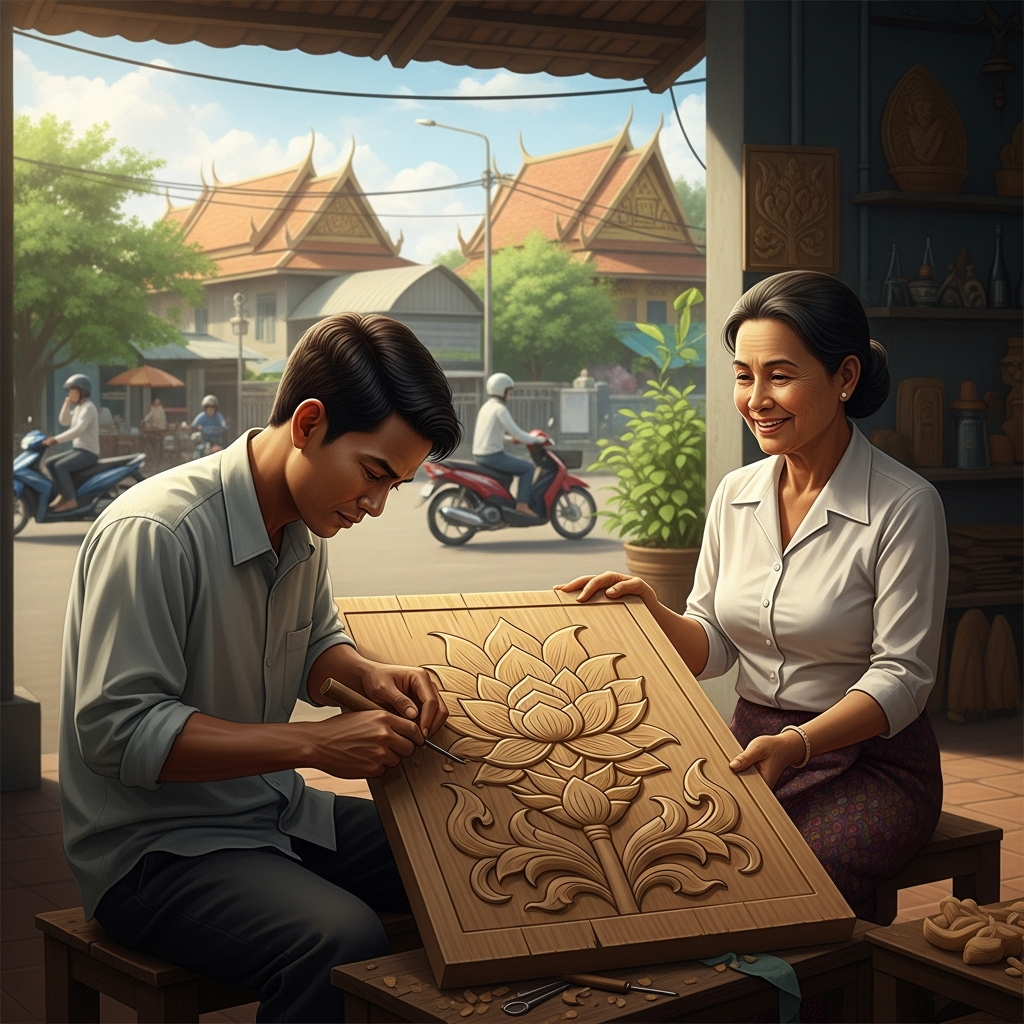
ចម្លាក់ផ្កាក្រវាន់
រាត្រីយាមនាពេលនោះ គន់មើលទៅលើមេឃារំលេចដោយដួងតារារាប់ពាន់ចែងចាំង ហាក់បីដូចជាទស្សនីយភាពដែលបានរៀបចំឡើងជាពិសេសសម្រាប់វេលាដ៏ពិសិដ្ឋមួយនេះ។ សុធារិទ្ធ និង កេសរមាលា កំពុងតែអង្គុយទល់មុខគ្នា នៅរានហាលថ្មត្រជាក់ ដែលហ៊ុមព័ទ្ធដោយម្លប់រុក្ខជាតិមានក្លិនក្រអូប តែគ្មានក្លិនណាដែលល្បីល្បាញជាងក្លិននៃចំណងមេត្រីភាពដ៏ស្មោះត្រង់របស់ពួកគេនោះឡើយ។ នៅក្នុងបាតដៃរបស់សុធារិទ្ធ មានវត្ថុមួយដែលត្រូវបានរុំព័ទ្ធដោយសូត្រស្តើងពណ៌ក្រហមឈាមជ្រូក។ វត្ថុនោះមិនមែនជាត្បូងពេជ្រចរណៃ ឬមាសទឹកដប់ដ៏មានតម្លៃនោះទេ តែវាជាស្នាដៃសិល្បៈដ៏ល្អិតល្អន់បំផុត ដែលឆ្លាក់ចេញពីឈើក្រអូបកម្រ នោះគឺ «ចម្លាក់ផ្កាក្រវាន់»។
ចម្លាក់ផ្កាក្រវាន់តូចនោះ មានទំហំប៉ុនកូនម្រាមដៃ ដែលឆ្លាក់ដោយសិប្បករជំនាញម្នាក់នៅតំបន់ជួរភ្នំក្រវាន់។ សុធារិទ្ធ បានរើសយកផ្កាប្រភេទនេះ ដោយសារតែវាជាផ្កាដែលមិនសូវមានគេនិយមយកមកប្រើជាគ្រឿងលម្អដូចផ្កាម្លិះ ឬផ្កាកុលាបឡើយ។ ភាពលាក់លៀមនៃសម្រស់របស់ផ្កាក្រវាន់ ព្រមទាំងក្លិនក្រអូបស្រទន់របស់វា ដែលមិនមែនជាក្លិនប្រហើរឆួលឆាប គឺជានិមិត្តរូបដ៏ស័ក្តិសមបំផុតសម្រាប់កេសរមាលា។ នាងមិនមែនជាស្រី្តដែលត្រូវការពន្លឺភ្លឺចិញ្ចែងចិញ្ចាចទេ តែនាងមានភាពថ្លៃថ្នូរពីខាងក្នុង ភាពស្រស់ស្អាតដែលស្ថិតស្ថេរ និងការលាក់បាំងនូវថាមពលនៃចិត្តដ៏រឹងមាំ ដែលទាមទារឲ្យមានតែបុគ្គលជ្រៅជ្រះម្នាក់ប៉ុណ្ណោះ ទើបអាចយល់ដឹងបាន។
«កេសរមាលា» សុធារិទ្ធ បានហៅឈ្មោះនាងយ៉ាងស្រទន់ មុននឹងលាតដៃបង្ហាញចម្លាក់ឈើនោះ។ «នេះមិនមែនជាផ្កាដែលត្រូវរោយរុះដោយពេលវេលានោះឡើយ។ វាគឺជាការរក្សាទុកនូវភាពបរិសុទ្ធ និងភាពយូរអង្វែងនៃអារម្មណ៍ដែលខ្ញុំមានចំពោះនាង។ ផ្កាក្រវាន់នេះ គឺជានិមិត្តរូបនៃអ្វីដែលមនុស្សភាគច្រើនមើលរំលង។ សម្រស់ពិត មិនមែនស្ថិតនៅលើភាពលេចធ្លោទេ តែនៅលើភាពអត់ធ្មត់ និងឫសគល់ដែលចាក់យ៉ាងជ្រៅទៅក្នុងដី»។
ពាក្យសម្ដីរបស់សុធារិទ្ធ បានបន្លឺឡើងយ៉ាងច្បាស់លាស់ ហាក់ដូចជាត្រូវបានឆ្លាក់ទៅលើសិលាចារឹកនៃដួងចិត្តរបស់នាង។ កេសរមាលាបានលូកដៃទៅទទួលយកចម្លាក់នោះ។ ផ្ទៃឈើត្រជាក់ បានប៉ះនឹងចុងម្រាមដៃដ៏ទន់ភ្លន់របស់នាង។ ផ្កាដែលបានឆ្លាក់នោះ គឺពោរពេញទៅដោយរន្ធញើសតូចៗ និងបណ្តូលផ្កាដ៏ល្អិត ដែលបង្ហាញពីសិល្បៈនៃការលះបង់ពេលវេលា និងការយកចិត្តទុកដាក់ខ្ពស់។ នាងបានដឹងថា ចម្លាក់នេះមានតម្លៃជាងពេជ្រទាំងឡាយ ដោយសារតែវាជាការបង្រួមនូវទស្សនៈវិជ្ជាជីវិត និងឧត្តមគតិស្នេហារបស់សុធារិទ្ធ។
ចាប់ពីពេលនោះមក ចម្លាក់ផ្កាក្រវាន់បានក្លាយជាភាសាស្ងាត់ស្ងៀមរវាងពួកគេទាំងពីរ។ វាជាវត្ថុអនុស្សាវរីយ៍ ដែលមិនចាំបាច់មាននរណាម្នាក់ដឹងអំពីអត្ថន័យជ្រាលជ្រៅរបស់វានោះទេ។ នៅពេលដែលពួកគេនៅឆ្ងាយពីគ្នា កេសរមាលាតែងតែយកចម្លាក់នេះមកមើល ឬកាន់វានៅក្នុងបាតដៃ។ កាយវិការដ៏សាមញ្ញនេះ គឺជាការតភ្ជាប់ដ៏រឹងមាំរវាងវិញ្ញាណរបស់ពួកគេ។ វាបានរំឭកនាងថា សេចក្ដីស្រឡាញ់របស់សុធារិទ្ធ គឺមិនមែនជាភ្លើងដែលឆេះដោយចំបើងទេ តែជាភ្លើងដែលឆេះចេញពីគល់ឈើធំ ដែលមានលំនឹងស្ថិតស្ថេរយូរអង្វែង។
កេសរមាលា បានចាប់ផ្ដើមយល់ឃើញថា ផ្កាក្រវាន់នេះ តំណាងឲ្យការប្រឆាំងនឹងភាពរហ័សរហួននៃពិភពលោក។ មនុស្សភាគច្រើនតែងតែដេញតាមវត្ថុដែលភ្លឺចាំង និងឆាប់បាត់បង់ដូចជាពន្លឺកាំជ្រួច តែសុធារិទ្ធ បានជ្រើសរើសភាពស្ថិតស្ថេរ ភាពជ្រៅជ្រះ និងភាពស្ងប់ស្ងាត់នៃធម្មជាតិ។ ការជ្រើសរើសចម្លាក់ ជាជាងផ្កាស្រស់ ក៏ជាទស្សនៈមួយដែរ៖ វាជាការបដិសេធមិនព្រមទទួលយកភាពរលាយរលត់របស់សត្វលោក។ ការឆ្លាក់បានធ្វើឲ្យភាពរស់រវើកនៃផ្កា ត្រូវបានជាប់គាំងនៅក្នុងទម្រង់មួយដែលមិនអាចប្រែប្រួលបាន។
ពួកគេតែងប្រើពាក្យ «ក្រវាន់» ជាកូដសម្ងាត់។ នៅពេលដែលសុធារិទ្ធ និយាយថា «ថ្ងៃនេះពិតជាមានក្លិនក្រវាន់ណាស់» នោះមានន័យថា គាត់កំពុងតែនឹករលឹកដល់ភាពស្និទ្ធស្នាលរបស់ពួកគេ និងរំលឹកនាងអំពីការប្ដេជ្ញាចិត្តដែលពួកគេមានចំពោះគ្នាទៅវិញទៅមក។ នៅក្នុងសង្គមដែលពោរពេញទៅដោយពាក្យសម្ដីហួសហេតុ និងការសន្យាដ៏ស្រាល និមិត្តសញ្ញានេះបានផ្តល់ឲ្យពួកគេនូវកន្លែងជ្រកកោនខាងផ្លូវចិត្ត ដែលមានតែការយល់ដឹងពីសញ្ញាណប៉ុណ្ណោះ ទើបអាចចូលបាន។ វាជា «សច្ចៈស្នេហា» ដែលបានរុំព័ទ្ធដោយភាពស្ងាត់ស្ងៀម។
ថ្ងៃខែបានកន្លងផុតទៅ ហើយទំនាក់ទំនងរបស់ពួកគេក៏កាន់តែរឹងមាំដូចឈើដែលត្រូវបានចម្លាក់នោះ។ ចម្លាក់ផ្កាក្រវាន់នោះ បានប្រែពីវត្ថុអនុស្សាវរីយ៍ ទៅជាគ្រឿងអលង្ការបេះដូង។ វាជាភស្តុតាងដែលមិនចាំបាច់បង្ហាញឲ្យនរណាម្នាក់ដឹងអំពីភាពជ្រាលជ្រៅនៃអារម្មណ៍របស់ពួកគេ។ សម្រស់នៃចម្លាក់ មិនមែនស្ថិតនៅលើភាពត្រចះត្រចង់ខាងក្រៅទេ តែស្ថិតនៅលើរឿងរ៉ាវដែលបានចារឹកពីខាងក្នុង។ ពេលខ្លះ កេសរមាលា យកវាមកដាក់នៅជិតទៀន ឲ្យពន្លឺភ្លឹបភ្លែតៗចាំងលើផ្ទៃឈើ ដែលធ្វើឲ្យនាងស្រមៃដល់ភាពអមតៈនៃមនោសញ្ចេតនារបស់នាង។ នាងបានដឹងច្បាស់ថា ស្នេហាដែលប្រកបដោយភាពបរិសុទ្ធ និងការយល់ដឹងជ្រៅជ្រះ គឺមិនអាចរលត់បាត់បង់ឡើយ ទោះជាមានមហន្តរាយខាងក្រៅយ៉ាងណាក៏ដោយ។ ផ្កាក្រវាន់ជានិមិត្តរូបនៃភាពឧត្តមរបស់មនុស្ស ដែលចេះឲ្យតម្លៃទៅលើគុណភាពខាងក្នុង ជំនួសឲ្យបរិមាណខាងក្រៅ។ ការរក្សាទុកនូវនិមិត្តរូបនេះ ជាការតាំងចិត្តដ៏មុតមាំមួយ ដែលបង្ហាញថា ពួកគេនឹងបន្តការធ្វើដំណើរជីវិតរួមគ្នាដោយស្មារតីយូរអង្វែងដូចផ្កាដែលត្រូវបានចារឹកជាអមតៈដោយដៃរបស់សិល្បករ។ ពួកគេគឺជាអ្នកថែរក្សាអាថ៌កំបាំងមួយ ដែលគ្មានអ្នកណាអាចស្រាយបំភ្លឺបានឡើយ គឺអាថ៌កំបាំងនៃផ្កាក្រវាន់ ដែលស្ថិតស្ថេររៀងរហូត។
The night air was crisp, adorned with the spectacle of a thousand glimmering stars, a celestial arrangement that seemed tailored for this singular, sacred moment. Sothearith and Kesormala sat facing each other on the cool stone terrace, surrounded by fragrant foliage, yet no scent was more potent than the aroma of their honest, burgeoning connection. Resting within Sothearith’s palm was an object delicately wrapped in a piece of fine, crimson silk. It was neither a dazzling cut diamond nor a piece of solid gold; instead, it was a masterpiece of intricate craftsmanship carved from rare, aromatic wood—it was the ‘Krâvân Flower Carving.’
The small Krâvân carving, no bigger than a child’s finger, had been sculpted by a meticulous artisan from the Krâvanh Mountain range. Sothearith had specifically chosen this particular flower because it was not one typically favored for common adornment, unlike jasmine or roses. The inherent subtlety of the Krâvân flower’s beauty, its muted fragrance that was neither aggressive nor cloying, made it the perfect metaphor for Kesormala. She was not a woman who demanded the spotlight; her nobility originated from within, a quiet, enduring elegance, and a hidden reservoir of spiritual strength that only a deeply contemplative soul could discern.
“Kesormala,” Sothearith murmured gently, before unfolding his hand to reveal the wooden sculpture. “This is not a flower destined to wilt with the passage of time. It is a preservation of the purity and permanence of the devotion I hold for you. The Krâvân is a symbol of what most people tend to overlook. True beauty does not reside in conspicuousness but in resilience and roots that delve profoundly into the earth.”
Sothearith’s words resonated clearly, as if etched onto the bedrock of her heart. Kesormala reached out, accepting the sculpture. The cool wooden surface met the soft tips of her fingers. The carved flower was rendered with remarkable detail, complete with tiny pores and microscopic stamens, showcasing the artistry of dedicated time and singular attention. She immediately understood that this artifact was more valuable than any jewel, for it encapsulated Sothearith’s life philosophy and his idealized vision of affection.
From that moment forward, the Krâvân flower carving became the unspoken lexicon between them. It was a private token that required no external acknowledgement of its profound meaning. When they were separated by distance or obligation, Kesormala would often retrieve the carving, studying its contours or merely holding it tight in her hand. This simple gesture formed a tangible, powerful connection between their spirits. It served as a constant reminder that Sothearith’s love was not a flame fueled by dry straw, quickly consuming itself, but a persistent, stable fire originating from the core of a mighty, enduring tree.
Kesormala began to see the Krâvân as representing resistance against the world’s pervasive superficiality. Most people chase after objects that glitter and fade quickly, like transient sparks, but Sothearith had deliberately chosen durability, depth, and the serenity found in natural permanence. The choice of a carving over a fresh flower was itself a philosophy: a staunch refusal to accept the inevitable decay of mortal existence. The act of carving had arrested the flower’s vitality, fixing it in a form that defied alteration.
They subtly began to use the term ‘Krâvân’ as a confidential code word. When Sothearith would remark, “This day possesses a distinctly Krâvân fragrance,” it was his quiet way of acknowledging their intimate bond and reaffirming the commitment they shared. In a society saturated with hyperbole and trivial promises, this symbol provided them with a psychological sanctuary, accessible only through recognition of the signifier. It was a ‘Truth of Affection’ cloaked in profound silence.
Months evolved into years, and their relationship grew as resilient as the wood from which the artifact was sculpted. The Krâvân carving transitioned from a simple keepsake to a core emotional talisman. It stood as irrefutable evidence, requiring no public display, of the true profundity of their sentiments. The beauty of the carving did not reside in its external polish but in the narrative it silently preserved. Sometimes, Kesormala would place it near a candle, allowing the flickering light to catch the grain of the wood, imagining the immortality of their feelings. She knew definitively that love rooted in purity and deep understanding could not be extinguished, regardless of external calamity. The Krâvân symbolized the human excellence found in valuing intrinsic quality over external quantity. Preserving this emblem was a resolute dedication, demonstrating their resolve to continue their life’s journey together with the enduring spirit of the flower made eternal by the artist’s hand. They remained the custodians of a secret—the mysterious, lasting secret of the Krâvân.
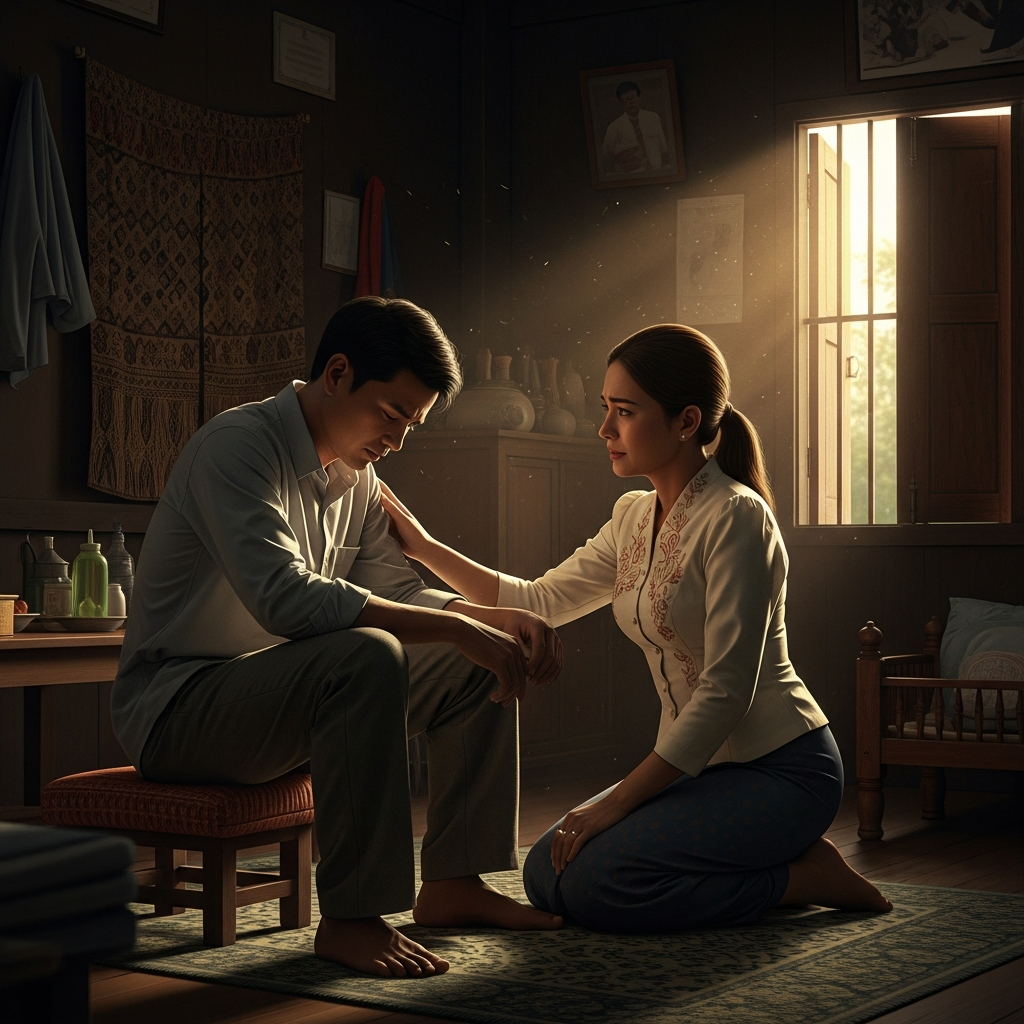
ការដួលរលំនៃម្លប់ឪពុក
ការដួលរលំនៃម្លប់ឪពុក
កេសរមាលាធ្លាប់តែរស់នៅក្រោមម្លប់ដ៏ធំធេង និងត្រជាក់ស្រេងនៃឥទ្ធិពលឪពុកនាង ឯកឧត្តម សេនាបតី ដែលជាមន្ត្រីជាន់ខ្ពស់កាន់កាប់តំណែងគន្លឹះក្នុងរដ្ឋបាល។ ជីវិតរបស់នាងត្រូវបានហ៊ុមព័ទ្ធដោយវាំងននសូត្រ មាស ប្រាក់ និងកិត្តិយសដែលមិនចេះរីងស្ងួត។ នាងមិនដែលដឹងពីភាពលំបាកវេទនា ឬភាពចង្អៀតចង្អល់នៃជីវិតសាមញ្ញនោះទេ ដ្បិតបុណ្យស័ក្តិរបស់ឪពុកនាងប្រៀបដូចជាខែលកែវ ការពារនាងពីគ្រប់ព្យុះភ្លៀងនយោបាយ និងឧបសគ្គសង្គម។ នាងដើរលើផ្លូវដែលត្រូវបានក្រាលដោយកម្រាលព្រំក្រហម ជាមួយនឹងការគោរពប្រតិបត្តិពីមនុស្សគ្រប់ទិសទី។ ពិភពលោករបស់កេសរមាលា គឺជារដ្ឋបាលមួយដែលពោរពេញដោយអំណាចដ៏រឹងមាំ និងស្ថិរភាពគួរជាទីទុកចិត្ត។
សុធារិទ្ធ គឺជាមិត្តភ័ក្តិម្នាក់ដែលស្គាល់កេសរមាលា តាំងពីពួកគេនៅក្មេងមកម្ល៉េះ។ គាត់មិនមែនជាមនុស្សដែលហ៊ុមព័ទ្ធដោយភាពសម្បូរបែបនោះទេ តែគាត់មានសេចក្តីថ្លៃថ្នូរ និងការយល់ដឹងជ្រៅជ្រះអំពីធម្មជាតិនៃអំណាច។ គាត់ធ្លាប់បានក្រើនរំលឹកនាងដោយពាក្យស្លោកតិចៗថា អំណាចនៅលើផែនដីនេះប្រៀបបាននឹងពពក ដែលបក់បោកតាមខ្យល់ ហើយអាចបាត់បង់រូបរាងក្នុងពេលមួយរំពេច។ កេសរមាលា កាលណោះ គ្រាន់តែសើចដាក់សម្ដីគាត់ ដោយគិតថា ឪពុកនាងគឺជាឫសគល់យ៉ាងជ្រៅនៃរបបនេះ មិនងាយនឹងដួលរលំឡើយ។
ទោះជាយ៉ាងណា សុន្ទរកថារបស់សុធារិទ្ធបានក្លាយជាការពិតដ៏ជូរចត់មួយ។ នយោបាយគឺជាទីលានល្បែងដ៏ឃោរឃៅដែលពោរពេញទៅដោយអន្ទាក់លាក់មុខ។ ឯកឧត្តម សេនាបតី មានភាពស្មោះត្រង់ក្នុងការបម្រើជាតិ តែភាពស្មោះត្រង់នោះបានក្លាយជាចំណុចខ្សោយរបស់គាត់ក្នុងចំណោមអ្នកនយោបាយឈ្នានីស និងពោរពេញដោយមហិច្ឆតាដែលចង់ជំនួសតំណែងរបស់គាត់។ ពួកគេបានបង្កើតផែនការលម្អិតដ៏ពិសពុលមួយ ដោយប្រើពាក្យបង្កាច់បង្ខូច និងឯកសារក្លែងក្លាយជាច្រើន ដើម្បីចោទប្រកាន់ឪពុកនាងថាបានប្រព្រឹត្តអំពើក្បត់ជាតិ និងអំពើពុករលួយដ៏ធ្ងន់ធ្ងរ។
ការដួលរលំបានកើតឡើងដូចជារន្ទះបាញ់ពីលើមេឃស្រឡះ។ គ្មានការព្រមាន គ្មានឱកាសការពារខ្លួនឡើយ។ ឪពុកនាងត្រូវបានចាប់ខ្លួនដោយកម្លាំងប្រដាប់អាវុធភ្លាមៗ ក្រោមបទបញ្ជាសម្ងាត់។ ក្នុងរយៈពេលតែប៉ុន្មានម៉ោងប៉ុណ្ណោះ ឋានៈខ្ពស់ យសស័ក្តិ និងកិត្តិយសរបស់គាត់ត្រូវបានដកហូតទាំងស្រុង។ ផ្ទះវីឡាដ៏ធំស្កឹមស្កៃរបស់ពួកគេត្រូវបានរឹបអូស ទ្រព្យសម្បត្តិទាំងអស់ត្រូវបានបង្កក ហើយអ្នកបម្រើ និងអង្គរក្សដែលធ្លាប់តែគោរពស្មោះត្រង់ ស្រាប់តែបាត់មុខដូចរលាយបាត់ទៅក្នុងអាកាស។ កេសរមាលា និងម្តាយនាងត្រូវបានគេទុកឲ្យនៅតែឯកឯង គ្មានទីពឹង នៅក្នុងភាពទទេស្អាត។
ការដាក់ទោសកំហុសមិនមែនត្រឹមតែការដកហូតទ្រព្យសម្បត្តិនោះទេ ប៉ុន្តែគឺជាការនិរទេស។ ឯកឧត្តម សេនាបតី ត្រូវបានបញ្ជូនទៅកាន់តំបន់ជនបទដាច់ស្រយាលមួយ ដែលមានចម្ងាយរាប់រយគីឡូម៉ែត្រពីទីក្រុង ដែលជាតំបន់គេបោះបង់ចោល ទាំងផ្លូវថ្នល់ និងសេវាសាធារណៈ។ គ្រួសាររបស់គាត់ គឺកេសរមាលា និងម្តាយរបស់នាង ត្រូវបានអនុញ្ញាតឱ្យតាមទៅជាមួយ តែក្នុងលក្ខខណ្ឌនៃភាពក្រីក្រ និងភាពអាម៉ាស់បំផុត។
ការធ្វើដំណើរទៅកាន់ទីនោះគឺជាការផ្លាស់ប្តូរជីវិតដ៏ធ្ងន់ធ្ងរបំផុត។ ពួកគេត្រូវជិះរទេះគោអស់ជាច្រើនថ្ងៃឆ្លងកាត់វាលរហោឋាន ដែលកេសរមាលាមិនធ្លាប់ស្រមៃដល់ក្នុងជីវិតឡើយ។ ពីមុន នាងធ្លាប់តែស្លៀកពាក់សូត្រជានិច្ច តែពេលនេះនាងត្រូវស្លៀកសម្លៀកបំពាក់កប្បាសចាស់ៗ និងប្រឡាក់ដោយធូលីដី។ ភាពត្រជាក់នៃឥទ្ធិពលបានបាត់បង់ទាំងស្រុង ហើយនាងត្រូវប្រឈមមុខនឹងកំដៅថ្ងៃដ៏ក្តៅហែងនៃការពិតដ៏ស្វិតស្វាញ។
នៅតំបន់និរទេសនោះ ជីវិតចាប់ផ្តើមពីសូន្យ។ ឪពុកនាង ឥឡូវជាបុរសចំណាស់ម្នាក់ដែលបាត់បង់ឋានៈ ត្រូវតែរៀនរស់នៅដោយការដាំដុះបន្លែ និងចិញ្ចឹមសត្វតិចតួច។ ភាពថ្លៃថ្នូររបស់គាត់មិនបានបាត់បង់ទេ តែការឈឺចាប់ដែលបណ្តាលមកពីការក្បត់មិត្តភ័ក្តិ និងសហការី គឺជារបួសផ្លូវចិត្តដ៏ជ្រាលជ្រៅបំផុត។ កេសរមាលា ដែលធ្លាប់តែចំណាយពេលអានសៀវភៅ និងរៀនភាសាបរទេស ឥឡូវត្រូវរៀនពីរបៀបបេះស្លឹកគ្រៃ និងដងទឹកពីអណ្តូង។
នៅគ្រាលំបាកនោះហើយ សុធារិទ្ធ បានបង្ហាញពីភាពស្មោះត្រង់ដ៏ពិតប្រាកដ។ គាត់មិនបានរត់ចោលនាងឡើយ ដូចអ្នកដទៃដែលធ្លាប់មកសុំការអនុគ្រោះពីឪពុកនាង។ គាត់បានលាឈប់ពីការងារតូចតាចរបស់គាត់នៅក្នុងទីក្រុង ហើយបានស្វែងរកពួកគេរហូតដល់តំបន់ដាច់ស្រយាលនោះ។ គាត់មិនបាននាំយកទ្រព្យសម្បត្តិមកជាមួយទេ តែគាត់បាននាំមកនូវកម្លាំងកាយចិត្ត និងការគាំទ្រដោយគ្មានលក្ខខណ្ឌ។
ការមកដល់របស់សុធារិទ្ធគឺជាពន្លឺតូចមួយនៅក្នុងភាពងងឹត។ គាត់បានជួយកសាងផ្ទះឈើតូចមួយឡើងវិញ បានជួយឪពុកនាងធ្វើស្រែចម្ការ និងបានលើកទឹកចិត្តកេសរមាលា ឲ្យបន្តការសិក្សាដោយខ្លួនឯង ប្រើប្រាស់សៀវភៅចាស់ៗដែលគាត់បានលួចយកមកពីទីក្រុង។ សុធារិទ្ធមិនដែលសម្លឹងមើលកេសរមាលាដោយក្ដីអាណិតអាសូរឡើយ តែគាត់មើលឃើញនូវភាពរឹងមាំ និងភាពស្រស់ស្អាតពិតប្រាកដដែលផុសចេញពីខាងក្នុងនាង នៅពេលដែលគ្រឿងលម្អខាងក្រៅត្រូវបានបកចេញ។
កេសរមាលាបានរៀនថា ម្លប់ឪពុកនាង ទោះធំប៉ុណ្ណា ក៏មិនអាចស្ថិតស្ថេរជារៀងរហូតដែរ។ ភាពមហិមានៃតំណែង គឺជាការខ្ចីពីសង្គម ហើយការខ្ចីនេះអាចត្រូវទារត្រលប់មកវិញគ្រប់ពេលវេលាដោយគ្មានការលើកលែង។ អ្វីដែលនៅសេសសល់ពិតប្រាកដគឺភាពអត់ធ្មត់ ភាពតស៊ូ និងចំណងមិត្តភាពដ៏បរិសុទ្ធដែលត្រូវបានសាកល្បងដោយភាពវេទនា។ នាងបានដឹងថា ជីវិតដែលពឹងផ្អែកលើបុណ្យស័ក្តិ គឺជាជីវិតដ៏ផុយស្រួយ។ ជីវិតថ្មីរបស់នាង ទោះលំបាក តែពោរពេញដោយភាពប្រាកដនិយម និងមានតម្លៃលើសលប់។ ការនិរទេសនេះបានបង្រៀននាងនូវមេរៀនដែលគ្មានសាលាណាមួយអាចបង្រៀនបានឡើយ៖ តម្លៃរបស់មនុស្សមិនស្ថិតនៅលើឯកសណ្ឋាន ឬបរិស្ថានជុំវិញទេ តែស្ថិតនៅលើស្មារតីដែលមិនអាចបាក់បែកបាន។ ឪពុកនាង ឥឡូវគ្មានអំណាច តែមានសេចក្ដីសុខផ្លូវចិត្តដែលមិនធ្លាប់មានកាលនៅកាន់អំណាច។
The Fall of the Father’s Shadow
Kesor Mala had lived exclusively beneath the massive, cooling canopy of her father’s influence, His Excellency the Senator, a high-ranking official who held a pivotal position within the state administration. Her existence was shielded by silk curtains, gold, silver, and seemingly inexhaustible honor. She had never experienced the anguish or constraint of ordinary life, for her father’s prestige acted as a crystal shield, protecting her from every political tempest and social obstacle. She trod paths layered with red carpets, receiving deference from all corners of society. Kesor Mala’s world was a regime defined by robust power and reliable stability.
Sotharith was a friend who had known Kesor Mala since they were children. He was not a man surrounded by opulence, but he possessed profound dignity and a deep understanding of the transient nature of authority. He had often gently reminded her with a quiet saying that earthly power was like a cloud, susceptible to the winds of change and capable of vanishing in an instant. Kesor Mala, at the time, would simply laugh at his cautionary words, believing her father to be too deeply rooted in the establishment to ever fall.
Yet, Sotharith’s prophecy became a bitter reality. Politics is a cruel playing field fraught with hidden traps. His Excellency the Senator was intrinsically honest in his service to the nation, but that very honesty became his fatal flaw among rival politicians—venomous and ambitious individuals who coveted his position. They engineered a poisonous, meticulously detailed plot, using fabricated documents and malicious slander to accuse her father of serious treason and corruption.
The collapse occurred like a lightning strike from a clear sky. There was no warning, no opportunity for defense. Her father was immediately arrested by armed forces under a sealed order. Within mere hours, his high status, honors, and prestige were entirely revoked. Their magnificent villa was confiscated, all assets were frozen, and the servants and bodyguards who once pledged loyalty instantly disappeared, dissolving into the ether. Kesor Mala and her mother were left utterly alone, defenseless, in a vacuum of utter emptiness.
The punishment was not merely the loss of property but exile. His Excellency the Senator was banished to a remote, desolate rural area, hundreds of kilometers from the capital—a region neglected by infrastructure and public services. His family, Kesor Mala and her mother, were permitted to follow him, but only under conditions of abject poverty and profound humiliation.
The journey itself marked the most severe transformation of their lives. They had to travel for days across the wasteland in an oxcart, a means of transportation Kesor Mala had never conceived of using. Previously, she had worn silk exclusively; now she wore rough, old cotton clothing soiled with dust. The coolness of influence was utterly gone, and she had to confront the searing heat of harsh reality.
In that place of exile, life began from nothing. Her father, now an aging man stripped of rank, had to learn to subsist by cultivating vegetables and raising a few small animals. His intrinsic dignity remained, but the pain caused by the betrayal of friends and colleagues was the deepest psychological wound. Kesor Mala, who used to spend her time reading literature and studying foreign languages, now had to learn how to pluck lemongrass and draw water from a distant well.
It was during this period of extreme hardship that Sotharith demonstrated true fidelity. He did not abandon her, unlike the many others who had previously sought favors from her father. He resigned from his minor job in the city and relentlessly searched for them until he reached the desolate locale. He brought no material wealth, but he brought physical strength, moral fortitude, and unconditional support.
Sotharith’s arrival was a small but crucial light in the profound darkness. He helped rebuild their small wooden house, assisted her father in farming, and encouraged Kesor Mala to continue her self-study using old books he had managed to retrieve from the city. Sotharith never looked at Kesor Mala with pity; instead, he saw the true inner resilience and beauty that emerged when the outer trappings of status were peeled away.
Kesor Mala learned that her father’s shadow, no matter how vast, could not last forever. The majesty of position was merely a loan from society, and that loan could be recalled without exception at any moment. What truly remained was patience, tenacity, and the pure bond of friendship, tested by utter misery. She realized that a life dependent on titles was inherently fragile. Her new life, though difficult, was grounded in profound realism and held immeasurable value. The exile taught her a lesson no school could impart: a person’s worth is not defined by their uniform or their immediate environment, but by the unbroken spirit within. Her father, now powerless, found a spiritual tranquility he never possessed when he was in authority.
ដំណឹងនៃការនិរទេស
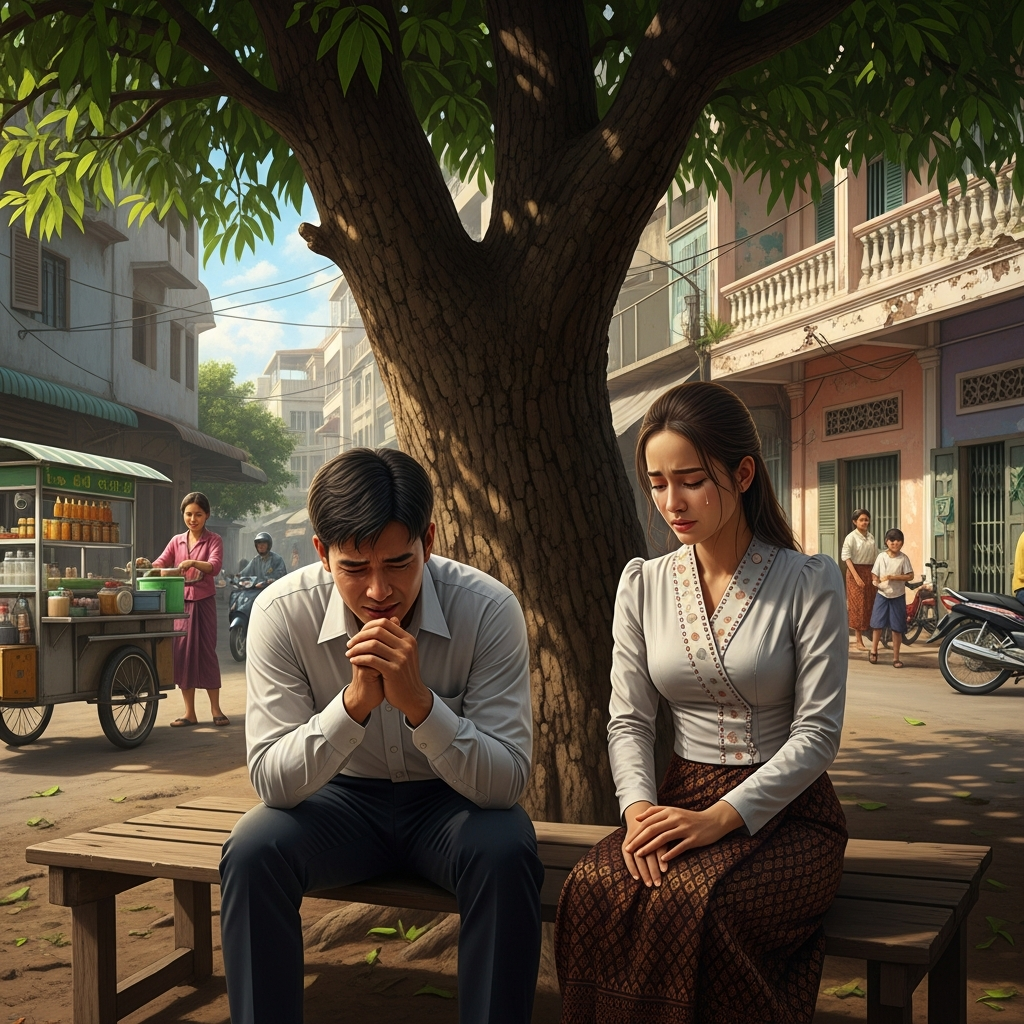
សូរសព្ទនៃសេចក្ដីស្ងប់ស្ងាត់ដ៏ហួសហេតុបានគ្របដណ្ដប់លើវិមានទាំងមូលរបស់លោកជំទាវ កេសរមាលា។ វាជាភាពស្ងៀមស្ងាត់មួយដែលហាក់ដូចជាកំពុងលាក់បាំងនូវវិនាសកម្មដ៏ធំធេងដែលជិតនឹងកើតមានឡើង។ ធម្មតា វិមាននេះតែងតែពោរពេញទៅដោយសំឡេងជជែកគ្នាខ្សឹបខ្សៀវរបស់អ្នកបម្រើ និងសម្លេងគគ្រឹកគគ្រេងនៃកងទ័ពឆ្មាំ ដែលជាសញ្ញានៃអំណាច និងឥទ្ធិពលដែលឪពុករបស់នាងធ្លាប់កាន់កាប់។ តែនៅពេលនេះ ភាពស្ងប់ស្ងាត់បានលេបត្របាក់អ្វីៗទាំងអស់ បន្សល់ទុកត្រឹមតែខ្យល់ដង្ហើមដ៏ធ្ងន់ៗរបស់នាង។ កេសរមាលា អង្គុយក្នុងបន្ទប់ទទួលភ្ញៀវដ៏ប្រណីតមួយ ដោយសម្លឹងមើលទៅក្រៅបង្អួចកញ្ចក់ឆ្លុះ ដែលឆ្លុះបញ្ចាំងពីជីវិតដ៏រុងរឿងដែលនាងធ្លាប់មាន—សូត្រពណ៌មាស ទម្រង់មុខគ្មានកង្វល់ និងអនាគតដែលធ្លាប់បានគ្រោងទុកជាមួយ សុធារិទ្ធ។ នាងកំពុងរង់ចាំឪពុករបស់នាង ដែលបានត្រឡប់មកពីជំនុំជម្រះដ៏វែងអន្លាយ ជាមួយនឹងសភាពបាក់បែកទាំងកាយ និងចិត្ត។
ពន្លឺថ្ងៃចុងក្រោយបានចាំងទម្លុះវាំងននក្រាស់ៗ ហាក់ដូចជាលាគ្នាទៅកាន់អតីតកាល។ ពេលដែលឪពុករបស់នាងដើរចូលមក គាត់កាន់នូវឯកសារមួយបាច់ដែលរុំដោយស្បែកពណ៌ខ្មៅ ឯកសារដែលពោរពេញទៅដោយត្រាជ័រក្រហមឆ្អៅ។ ទឹកមុខរបស់គាត់ស្រពោន ភ្នែករបស់គាត់លែងមានពន្លឺដូចមុនទៀតហើយ។ គាត់មិនបាននិយាយអ្វីច្រើនទេ គ្រាន់តែដាក់ឯកសារនោះលើតុ ហើយទាញ កេសរមាលា មកអង្គុយជិត។ គាត់ដកដង្ហើមធំ ហើយចាប់ផ្ដើមពន្យល់ដោយសំឡេងស្អកៗអំពីអ្វីដែលបានកើតឡើង—អំពីការចោទប្រកាន់ ការផ្ដន្ទាទោស និងសាលក្រមដែលបានសម្រេច។ គាត់ត្រូវបានគេរកឃើញថាមានកំហុសក្នុងការក្បត់ជំនឿទុកចិត្ត ហើយទោះបីជាការដាក់ទោសប្រហារជីវិតត្រូវបានលើកលែងក៏ដោយ ក៏ជោគវាសនារបស់គ្រួសារទាំងមូលត្រូវដួលរលំ។
ដំណឹងនោះគឺការនិរទេស។ វាជាពាក្យដ៏ធ្ងន់មួយ ដែលបានរត់ចូលទៅក្នុងបេះដូងរបស់ កេសរមាលា ដូចជាដាវមុតស្រួច។ ពួកគេត្រូវចាកចេញពីទីក្រុងនេះ ដែលជាមជ្ឈមណ្ឌលនៃអរិយធម៌ នៃសិល្បៈ និងនៃទំនាក់ទំនងស្នេហារបស់នាងជាមួយ សុធារិទ្ធ។ ពួកគេត្រូវបោះបង់ចោលនូវអ្វីៗទាំងអស់ ដែលបានកសាងឡើងអស់ជាច្រើនជំនាន់។ ឪពុកនាងបានប្រាប់នាងថា គោលដៅនៃការនិរទេសរបស់ពួកគេមិនមែនជាទីក្រុងជាប់ព្រំដែន ឬភូមិជនបទណាមួយដែលនៅមានជីវិតទេ ប៉ុន្តែជាខេត្តមួយដែលមិនទាន់ត្រូវបានអភិវឌ្ឍនៅឡើយ។ វាគឺជាដីវាលរហោឋាន ដែលគេស្គាល់ត្រឹមតែជា ‘តំបន់ស្ងាត់ជ្រងំ’ ដែលគ្មានផ្លូវថ្នល់ គ្មានទីផ្សារ និងសំខាន់បំផុត គឺគ្មានមនុស្សរស់នៅឡើយ លើកលែងតែអ្នកទោសមួយចំនួនតូចដែលត្រូវបានបញ្ជូនទៅកាប់ឈើ។
«កូននឹងត្រូវរស់នៅកន្លែងដែលសូម្បីតែដីក៏ហាក់ដូចជាមិនចង់ទទួលយកដែរ កូនមាលា» ឪពុកនាងខ្សឹបប្រាប់ដោយសំឡេងឈឺចាប់។ «យើងនឹងត្រូវសាងសង់ជម្រកដោយខ្លួនឯង ទាំងដែលយើងធ្លាប់ត្រូវបម្រើដោយអ្នកដទៃ។ វាជាការសងបំណុលនៃកំហុសរបស់ឪពុក»។ កេសរមាលា ហាក់ដូចជាត្រូវគេគប់ដោយថ្មធំមួយ។ នាងនឹកស្រមៃអំពីភាពស្ងាត់ជ្រងំគ្មានទីបញ្ចប់ អំពីសត្វព្រៃដែលហ៊ុមព័ទ្ធដោយព្រៃឈើក្រាស់ៗ និងការតស៊ូប្រចាំថ្ងៃដើម្បីរស់។ តើដៃដែលធ្លាប់កាន់ប៉ាកកា ធ្លាប់ត្បាញសូត្រ និងធ្លាប់ថែរក្សាសម្រស់ អាចទៅធ្វើការងារលំបាកបានដោយរបៀបណា? តើចិត្តដែលធ្លាប់ពោរពេញដោយកំណាព្យ និងទស្សនវិជ្ជា អាចបន្ស៊ាំខ្លួននឹងភាពអត់ឃ្លាន និងភាពឯកោបានឬទេ?
នាងគិតអំពី សុធារិទ្ធ។ រូបភាពរបស់គាត់បានផុសឡើងយ៉ាងច្បាស់នៅក្នុងគំនិតរបស់នាង—ស្នាមញញឹមដ៏កក់ក្ដៅ ភ្នែកដ៏ឆ្លាតវៃ និងពាក្យសច្ចាដែលពួកគេបានផ្លាស់ប្តូរគ្នានៅក្រោមម្លប់ដើមជ្រៃចាស់។ ពួកគេបានសន្យាថានឹងរង់ចាំគ្នាទៅវិញទៅមក រហូតដល់នយោបាយស្ងប់ស្ងាត់ ហើយឪពុករបស់នាងយល់ព្រមរៀបការ។ ឥឡូវនេះ ជញ្ជាំងរវាងពួកគេមិនមែនជាការមិនពេញចិត្តរបស់ឪពុកទៀតទេ តែជាចម្ងាយរាប់រយម៉ាយល៍នៃដីវាលរហោឋាន។ តើនាងគួរប្រាប់គាត់ដោយរបៀបណា? តើនាងអាចអនុញ្ញាតឱ្យគាត់ចែករំលែកនូវជោគវាសនាដ៏ជូរចត់នេះបានទេ? ចម្លើយគឺ ‘ទេ’។ នាងត្រូវតែការពារ សុធារិទ្ធ ពីការធ្លាក់ចុះនេះ។ ប្រសិនបើនាងបាត់ខ្លួនដោយគ្មានពាក្យលា គាត់ប្រហែលជាគិតថានាងបានក្បត់ការសន្យារបស់នាង។ វាជាការឈឺចាប់ដ៏ធំមួយ តែជាការឈឺចាប់ដែលចាំបាច់សម្រាប់ភាពរស់រានរបស់គាត់។
ភាពយប់បានចូលមកដល់។ កេសរមាលា បានដើរយឺតៗតាមសាលធំៗនៃវិមាន។ នាងប៉ះផ្ទាំងគំនូរ ចម្លាក់ថ្មម៉ាប និងកម្រាលព្រំដ៏មានតម្លៃ។ របស់ទាំងនេះលែងជារបស់នាងទៀតហើយ។ ពួកគេនឹងត្រូវរឹបអូស និងលក់ដើម្បីបំពេញបំណុលរដ្ឋ។ អ្វីដែលនៅសល់សម្រាប់នាងគឺសម្លៀកបំពាក់តិចតួច និងសៀវភៅមួយចំនួនដែលនាងអាចយកតាមខ្លួនបាន។ នាងឈរនៅមុខកញ្ចក់មើលរូបនាងផ្ទាល់—ជាតួអង្គចុងក្រោយនៃរឿងនិទានដ៏ក្រៀមក្រំមួយ។ សម្រស់ដ៏ផូរផង់របស់នាងនឹងត្រូវប្រឈមមុខនឹងកម្ដៅថ្ងៃ ភាពត្រជាក់នៃរាត្រី និងភាពស្វិតស្វាញនៃការងារ។ នាងបានដឹងថាជីវិតពីមុនរបស់នាងបានស្លាប់បាត់ទៅហើយ។ នាងត្រូវតែចាប់កំណើតថ្មី ជាស្ត្រីដែលតស៊ូដើម្បីរស់។
នៅពេលព្រឹកព្រលឹម ភាពត្រជាក់បានហូរចូលតាមបង្អួចបើកចំហ។ ឪពុករបស់ កេសរមាលា បានត្រៀមលក្ខណៈរួចរាល់ហើយសម្រាប់ការធ្វើដំណើរដ៏វែងឆ្ងាយ។ គាត់ស្លៀកពាក់សាមញ្ញ ដែលខុសពីសម្លៀកបំពាក់ឯកសណ្ឋានដ៏មហោឡារិកដែលគាត់ធ្លាប់ពាក់។ គាត់កាន់កាបូបស្ពាយតូចមួយ។ កេសរមាលា បានដើរចេញពីផ្ទះដោយស្ងាត់ស្ងៀម។ នាងមិនបានងាកក្រោយទេ។ ការងាកក្រោយមានន័យថាការចុះចាញ់នឹងអនុស្សាវរីយ៍។ រទេះសេះដែលរង់ចាំពួកគេមិនមែនជាយានជំនិះដ៏ប្រណីតទេ តែជាទ្រុងឈើធម្មតាមួយដែលត្រូវបានរៀបចំឡើងសម្រាប់ការដឹកជញ្ជូនអ្នកទោស។ ពេលនាងឡើងជិះ នាងបានបិទភ្នែក ហើយស្រូបយកក្លិននៃទីក្រុងជាលើកចុងក្រោយ—ក្លិននៃផ្សែង ក្លិននៃផ្កាម្លិះ និងក្លិននៃភាពអធិកអធម។
សុធារិទ្ធ មិនបានដឹងពីដំណឹងដ៏រន្ធត់នេះទេ។ គាត់ប្រហែលជាកំពុងគិតអំពីនាង គិតអំពីការជួបជុំគ្នាជាថ្មី។ ប៉ុន្តែសម្រាប់ កេសរមាលា ដំណឹងនៃការនិរទេសនេះបានកាត់ផ្តាច់រវាង ‘អតីតកាល’ និង ‘បច្ចុប្បន្ន’ យ៉ាងដាច់ស្រឡះ។ នាងបានដាក់ជោគវាសនារបស់នាងនៅក្នុងកណ្ដាប់ដៃនៃវាសនា ហើយត្រៀមខ្លួនរួចជាស្រេចដើម្បីដើរចូលទៅក្នុងទីវាលរហោឋាន ដែលជាកន្លែងដែលជីវិតប្រណីតនឹងត្រូវជំនួសដោយភាពសាមញ្ញបំផុតនៃការរស់រានមានជីវិត។ នេះគឺជាមេរៀនចុងក្រោយនៃអំណាច—អំណាចដែលអាចរលាយបាត់ទៅដោយពាក្យតែមួយឃ្លា ហើយបន្សល់ទុកត្រឹមតែភាពទទេស្អាត។ នាងបានលាហើយនូវឋានៈ នូវទ្រព្យសម្បត្តិ និងនូវសេចក្ដីស្នេហា។
An unsettling stillness blanketed the entire mansion belonging to Kesormala’s family. It was a silence that seemed to harbor a massive, impending catastrophe. Normally, the residence pulsed with the hushed chatter of servants and the commanding footsteps of the palace guards, tokens of the immense power and influence her father once wielded. Now, the quiet devoured everything, leaving only the heavy sound of her own breathing. Kesormala sat in the opulent drawing-room, gazing out the crystal windowpane, which reflected the glorious life she had known—the golden silk, the untroubled visage, and the future once meticulously planned with Sothearith. She was waiting for her father, who had returned from a lengthy tribunal, broken both in spirit and physique.
the final rays of the day pierced the thick draperies, seemingly bidding farewell to the past. When her father entered, he carried a sheaf of documents wrapped in black leather, heavily sealed with bright red wax. His face was drawn, his eyes devoid of their former luminescence. He spoke little, simply placing the papers on the table and drawing Kesormala close. He sighed deeply and began explaining in a hoarse voice what had transpired—the accusations, the conviction, and the final decree. He had been found guilty of breach of trust, and though the death penalty was commuted, the fate of the entire household was sealed in ruin.
The news was exile. It was a heavy word that pierced Kesormala’s heart like a sharp blade. They were required to leave this city, the epicenter of civilization, of art, and of her deep connection with Sothearith. They had to abandon everything that had been built over generations. Her father explained that their destination was not a border town or a sparsely populated rural village, but a province yet to be developed. It was a desolate plain, known only as ‘the forgotten zone,’ devoid of roads, markets, and most significantly, entirely uninhabited except for a handful of prisoners sent for logging.
“You will have to live where even the earth seems unwilling to accept life, my Malā,” her father whispered painfully. “We will have to build shelter with our own hands, we who were once served by others. This is the restitution for your father’s errors.” Kesormala felt as if she had been struck by a large stone. She pictured the unending solitude, the dense jungle teeming with wild creatures, and the daily struggle for survival. How could hands that once held ink brushes, wove fine silk, and nurtured beauty, perform heavy labor? Could a mind previously filled with poetry and philosophy adapt to hunger and utter isolation?
She thought of Sothearith. His image surfaced vividly in her mind—the warm smile, the intelligent eyes, and the vows they had exchanged under the ancient Banyan tree. They had promised to wait for each other until the political turbulence subsided and her father consented to their marriage. Now, the wall between them was no longer her father’s disapproval, but hundreds of miles of remote, desolate land. How could she possibly tell him? Could she allow him to share this cruel destiny? The answer was a resounding ‘No.’ She had to shield Sothearith from this devastating fall. If she simply vanished without a word of farewell, he might think she had broken her promise. It was an excruciating pain, yet one necessary for his preservation.
Night descended. Kesormala walked slowly through the grand halls of the mansion. She touched the paintings, the marble sculptures, and the precious rugs. These were no longer hers. They would be seized and sold to fulfill state debts. All that remained for her were a few garments and the handful of books she could carry. She stood before a mirror, looking at her reflection—the final character in a tragic fable. Her delicate beauty would soon face the scorching sun, the bitter chill of the nights, and the rigor of manual labor. She realized that her previous life was already dead. She had to be reborn, as a woman struggling purely for existence.
At dawn, the cold air streamed through the open windows. Kesormala’s father was ready for the long journey. He wore simple, rough attire, a stark contrast to the magnificent uniforms he once donned. He held a small rucksack. Kesormala stepped out of the house in silence. She did not look back. Turning back meant surrendering to the memory. The carriage awaiting them was not a luxurious conveyance, but a plain wooden cage structure designed for the transport of detainees. As she climbed aboard, she closed her eyes and inhaled the scent of the city one last time—the smell of smoke, the scent of jasmine, and the fragrance of hubris.
Sothearith remained unaware of this dreadful news. He was likely thinking of her, anticipating their reunion. But for Kesormala, the news of exile had sharply severed the ‘past’ from the ‘present.’ She placed her fate into the hands of destiny, ready to step into the wilderness where luxury would be replaced by the sheer simplicity of survival. This was the ultimate lesson of power—that it could dissipate with a single decree, leaving only profound emptiness behind.
កិច្ចសន្យាស្ងាត់នៃបេះដូង
កិច្ចសន្យាស្ងាត់នៃបេះដូង
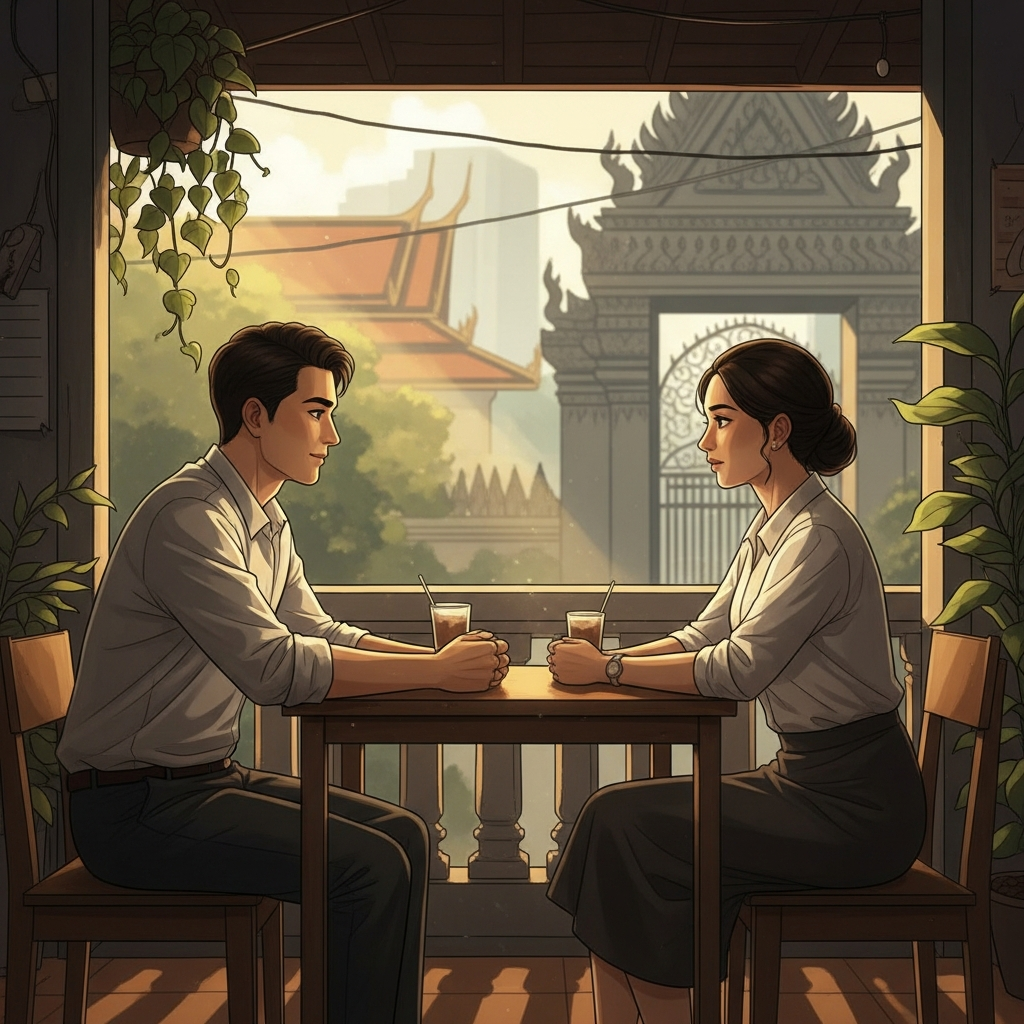
បរិយាកាសនៃពិធីជប់លៀងដ៏ធំសម្បើមនោះ ហាក់ដូចជាសំពាធដ៏ធ្ងន់ដែលសង្កត់មកលើសួតរបស់ សុធារិទ្ធ។ ជញ្ជាំងដែលរុំព័ទ្ធទៅដោយភាពថ្លៃថ្នូរនិងកិត្តិយសនៃវង្សត្រកូល បានក្លាយជាគុកងងឹតដែលឃុំឃាំងបំណងប្រាថ្នាពិតរបស់ពួកគេ។ រាល់ពាក្យពេចន៍ដែលមិនអាចនិយាយបាននោះ បានប្រែទៅជាដុំភ្លើងដ៏ក្តៅគគុកដែលឆេះក្នុងទ្រូង គ្មាននរណាម្នាក់ហ៊ានបញ្ចេញសូរសំឡេងឡើយ។ ពេលវេលាបានលូនវារយឺតៗ ប្រៀបដូចជាខ្សាច់ដែលស្រកពីបាតបឹងជ្រៅមួយ ហើយគ្រប់វិនាទីដែលកន្លងផុតទៅ គឺជាការរំលឹកដ៏ឈឺចាប់ដល់ការបែកបាក់ដែលនឹងកើតឡើងឆាប់ៗនេះ។ សុធារិទ្ធ ឈរត្រង់ខ្លួន ក្នុងឯកសណ្ឋានដ៏ប្រណីតដែលតំណាងឱ្យកាតព្វកិច្ចរបស់គាត់ ប៉ុន្តែភ្នែករបស់គាត់គឺជាបង្អួចនៃព្រលឹងដែលកំពុងរងទុក្ខវេទនាឥតឧបមា។ គាត់មិនអាចនិយាយបាន មិនអាចស្រែកប្រាប់ពិភពលោកអំពីសេចក្តីស្នេហាដ៏មុតមាំដែលគាត់មានចំពោះ កេសរមាលា ដែលកំពុងឈរនៅចម្ងាយតែប៉ុន្មានជំហានប៉ុណ្ណោះ។
កេសរមាលា វិញ ស្ថិតក្នុងសម្លៀកបំពាក់សូត្រពណ៌ស មានភាពស្រស់ស្អាតលើសពីការពណ៌នា តែភាពស្រស់ស្អាតនោះត្រូវបានស្រោបដោយអ័ព្ទនៃភាពទោមនស្ស។ នាងបានរៀនសិល្បៈនៃការលាក់បាំងអារម្មណ៍តាំងពីក្មេងមកម្ល៉េះ។ ការញញឹមរបស់នាង គឺជារបាំងដ៏ល្អឥតខ្ចោះដើម្បីបិទបាំងព្យុះសង្ឃរានៃវិប្បដិសារីដែលបក់បោកក្នុងបេះដូង។ ក្រសែភ្នែករបស់នាងបានស្វែងរកដៃគូរបស់នាងដោយប្រុងប្រយ័ត្នបំផុត ហាក់ដូចជាការប្រមើលមើលនោះគឺជាការព្យាបាលតែមួយគត់ដែលអាចផ្តល់សន្តិភាពបណ្តោះអាសន្នបាន។ ពួកគេទាំងពីរបានដឹងច្បាស់ថា ពិធីលាគ្នានេះ ត្រូវតែធ្វើឡើងដោយភាពស្ងៀមស្ងាត់ដាច់ខាត តាមរយៈភាសាកាយវិការនិងការសម្លឹងមើលដ៏វែងឆ្ងាយ។ នេះគឺជាតម្រូវការដ៏ចាំបាច់នៃឋានៈសង្គមរបស់ពួកគេ។
ភាពស្ងប់ស្ងាត់រវាងអ្នកទាំងពីរបានបង្កើតជាកិច្ចព្រមព្រៀងដ៏អាថ៌កំបាំងមួយ។ សុធារិទ្ធ បានលើកពែងស្រាឡើងហាក់ដូចជាកំពុងនិយាយនំប៉័ងអបអរសាទរ ប៉ុន្តែក្នុងបេះដូង គាត់កំពុងផ្តល់សច្ចាប្រណិធានអស់មួយជីវិត។ ការធ្វើបែបនេះគឺជាការលាក់បាំងដែលមានតែ កេសរមាលា ទេដែលអាចបកស្រាយបាន។ នាងយល់ពីការប្ដេជ្ញាចិត្តដែលបង្កប់ក្នុងកាយវិការនោះ។ នាងបានទទួលស្គាល់ថា ការពិតពួកគេកំពុងចុះហត្ថលេខាលើកិច្ចសន្យាស្ងាត់ដែលមិនអាចលុបចោលបានឡើយ។ កិច្ចសន្យានៃភក្ដីភាពគ្មានដែនកំណត់។ រាល់បំណងប្រាថ្នា ចំណង់ និងការលះបង់ទាំងអស់ ត្រូវបានដាក់បញ្ចូលក្នុងពន្លឺចែងចាំងនៃចក្ខុវិស័យរបស់ពួកគេ។ គ្មានតម្រូវការក្នុងការបញ្ចេញវាដោយពាក្យសម្ដីឡើយ ព្រោះជញ្ជាំងទាំងនេះមានត្រចៀកហើយពិភពលោកនេះមានភ្នែករាប់ពាន់គូដែលចាំតែវិនិច្ឆ័យ។
សុធារិទ្ធ បញ្ជូនសារដំបូងតាមរយៈកែវភ្នែកដ៏ក្ដៅគគុករបស់គាត់។ នោះជាសារនៃការឈឺចាប់ដ៏ធំធេង ការសុំអភ័យទោសចំពោះភាពទន់ខ្សោយដែលមិនអាចយកឈ្នះលើឧបសគ្គខាងក្រៅ និងការអះអាងថា ទោះបីជាត្រូវបែកគ្នាដោយរូបកាយក៏ដោយ វិញ្ញាណរបស់ពួកគេនៅតែជាប់គ្នាជានិច្ច។ កេសរមាលា ឆ្លើយតបវិញដោយការសម្លឹងមើលដ៏ទន់ភ្លន់ដែលពោរពេញទៅដោយការយល់ដឹង។ វាមិនមែនជាកំហឹងឬការបន្ទោសឡើយ តែជាការទទួលស្គាល់នូវបន្ទុកដ៏ធ្ងន់ដែលគេត្រូវរែកពុនក្នុងជីវិតដ៏អភិជននេះ។ នាងមិនបានទាមទារអ្វីឡើយ ក្រៅពីការពារសេចក្ដីស្រឡាញ់របស់គេដែលលាក់នៅក្នុងទីជ្រៅបំផុតនៃចិត្តរៀងៗខ្លួន។ ភ្នែករបស់នាងបានក្លាយជាកញ្ចក់ឆ្លុះបញ្ចាំងពីភាពស្មោះត្រង់ដែលមិនអាចបែកបាក់បាន។ នាងបានសន្យាថា ពេលវេលានិងចម្ងាយមិនអាចធ្វើឱ្យបេះដូងរបស់នាងផ្លាស់ប្តូរបានទេ ទោះបីជាសមុទ្របំបែកពួកគេក៏ដោយ ក៏នាងនឹងរក្សាការប្តេជ្ញាចិត្តនេះរហូតដល់ដង្ហើមចុងក្រោយ។
ការផ្លាស់ប្តូរការសម្លឹងមើលនេះគឺមានលក្ខណៈទូលំទូលាយជាងកំណាព្យរាប់ពាន់ឃ្លាទៅទៀត។ ក្នុងចន្លោះពេលខ្លីបំផុតនោះ ពួកគេបានរំលឹកឡើងវិញនូវអនុស្សាវរីយ៍ទាំងអស់ ការសើចកម្សាន្ត ពេលវេលាលំបាក និងក្តីស្រមៃដែលពួកគេធ្លាប់បានកសាងជាមួយគ្នា។ ពួកគេបានត្រួតពិនិត្យលើគម្រោងជីវិតដែលឥឡូវនេះត្រូវបែកខ្ញែកគ្នាទៅតាមការបង្គាប់របស់វាសនា។ សុធារិទ្ធ បានឃើញទឹកភ្នែកដែលហៀបនឹងស្រក់ពីភ្នែករបស់នាង ហើយការឃើញភាពរងកម្មរបស់នាង បានធ្វើឱ្យអារម្មណ៍ឈឺចាប់ក្នុងខ្លួនគាត់កាន់តែខ្លាំងឡើងជាលំដាប់។ គាត់បានបិទភ្នែកបន្តិចមុននឹងបើកវាឡើងវិញ ដើម្បីផ្ញើសារចុងក្រោយបង្អស់មុនពេលការបែកគ្នាជាអចិន្ត្រៃយ៍ចូលមកដល់។ សារនោះគឺ៖ ការរង់ចាំ។ ការរង់ចាំដ៏អស់កល្ប។
កេសរមាលា បានឆ្លើយតបដោយភាពរឹងមាំដ៏គួរឲ្យគោរព។ នាងបានលើកចង្ការបស់នាងបន្តិចជាសញ្ញាទទួលយកជោគវាសនាដ៏ល្វីងជូរចត់នេះ ប៉ុន្តែក៏ជាភស្តុតាងនៃការតស៊ូផ្ទៃក្នុងផងដែរ។ នាងនឹងរស់នៅតាមកាតព្វកិច្ចដែលបានកំណត់ ប៉ុន្តែបេះដូងរបស់នាងនឹងមិនចុះចាញ់ឡើយ។ នាងនឹងនៅតែជាឃ្លាំងផ្ទុកនូវសម្បថស្នេហ៍របស់ពួកគេ។ កិច្ចសន្យាស្ងាត់នេះ គឺជាចំណងមួយដែលមើលមិនឃើញ ហើយរឹតតែរឹងមាំជាងដែកទៅទៀត។ វាជាសច្ចៈធម៌ដែលបានចារឹកក្នុងព្រលឹងដ៏បរិសុទ្ធរបស់ពួកគេ។ គ្មានការប៉ះពាល់រាងកាយ គ្មានការឱបលា គ្មានការខ្សឹបខ្សៀវណាមួយត្រូវបានអនុញ្ញាតឡើយ។ គ្រាន់តែជាការផ្លាស់ប្តូរនៃដួងចិត្តដែលរលត់ទៅដោយសារតែភាពចាំបាច់ខាងក្រៅ។
បន្ទាប់មក ការបែកគ្នាបានចាប់ផ្តើម។ សុធារិទ្ធ ត្រូវតែដើរចេញពីសាលធំនោះតាមការចង្អុលបង្ហាញរបស់អ្នកដទៃ។ រាល់ជំហានដែលគាត់ដើរចេញ គឺជាការរំលឹកដ៏ឈឺចាប់ដល់ការដកខ្លួនចេញពីផ្នែកមួយនៃព្រលឹងរបស់គាត់។ គាត់មិនបានងាកក្រោយឡើយ ព្រោះគាត់ខ្លាចថាការក្រឡេកមើលទៅវិញនឹងធ្វើឱ្យគាត់ខូចចិត្តហើយបោះបង់កាតព្វកិច្ចទាំងអស់។ ទោះបីជាខ្នងរបស់គាត់បែរមករកនាងក៏ដោយ ក៏ កេសរមាលា នៅតែដឹងថាស្នេហានោះនៅតែមានភាពរស់រវើកក្នុងខ្លួនគាត់។ នាងបានឈរមើលស្រមោលរបស់គាត់រលត់បាត់ទៅក្នុងហ្វូងមនុស្ស។ ការលាគ្នានេះ មិនមែនជាទីបញ្ចប់ឡើយ តែជាការផ្អាកមួយដ៏យូរអង្វែងដែលបានបិទត្រាដោយការសម្លឹងមើលដ៏សំខាន់នោះ។ ភាពស្ងៀមស្ងាត់នៃទីកន្លែងបានបន្លឺឡើងនូវការសន្យារបស់ពួកគេ៖ ថាពួកគេនឹងរក្សាភក្តីភាពចំពោះកិច្ចសន្យាស្ងាត់នៃបេះដូងនេះ ទោះបីជាជោគវាសនាបានបំបែករូបកាយក៏ដោយ ក៏ចំណងស្នេហ៍នេះនឹងនៅស្ថិតស្ថេរជារៀងរហូត។ នាងបានយកដង្ហើមវែងៗ រួចបន្តញញឹមដោយពុតត្បុត រង់ចាំពេលវេលាដែលការលះបង់នេះនឹងត្រូវបញ្ចប់។ ឥឡូវនេះ ពួកគេបានចែកផ្លូវគ្នាហើយ តែត្រូវបានភ្ជាប់ដោយសច្ចាដ៏អស់កល្បដែលលាក់បាំង។ ការលះបង់ដ៏លំបាកនេះ គឺជាភស្តុតាងដ៏រឹងមាំបំផុតនៃសេចក្តីស្រឡាញ់ដ៏បរិសុទ្ធរបស់ពួកគេ។
The Silent Covenant of the Heart
The ambiance of the colossal banquet hall felt like a heavy pressure settling within Sotharith’s lungs. The walls, adorned with the symbols of aristocratic dignity and ancestral honor, had transformed into a sterile dungeon, imprisoning their authentic desires. Every unspoken word morphed into a scorching ember burning in his chest, yet neither dared to utter a sound. Time dragged, slow and viscous, like sand settling at the bottom of a deep lake, and every passing moment served as a bitter reminder of the imminent and unavoidable rupture. Sotharith stood rigidly, his luxurious uniform representing his duty, but his eyes were the transparent windows to a soul undergoing unimaginable suffering. He could not speak; he could not shout to the world the intensity of the unwavering devotion he harbored for Kesormalea, who stood mere steps away.
Kesormalea, dressed in white silk, possessed a beauty that surpassed mere description, yet that beauty was veiled by an ethereal mist of profound melancholy. She had mastered the art of emotional concealment since childhood. Her subtle smile was a flawless façade, designed to mask the tempest of regret and sorrow raging within her core. Her gaze searched for her counterpart with utmost caution, as if that visual communion was the sole remedy capable of providing temporary respite. Both individuals understood unequivocally that this farewell ritual had to be executed with absolute silence, communicating solely through subtle gestures and elongated, meaningful stares. This necessity was an undeniable requirement of their elevated social standing and the expectations laid upon them.
The profound stillness between them created a mysterious, binding agreement. Sotharith subtly raised his wine glass, an action that appeared, to external observers, to be a routine celebratory toast. However, in his heart, he was offering a lifetime oath of commitment. This secretive act was a disguise that only Kesormalea possessed the power to truly decipher. She comprehended the depth of the pledge embedded within that gesture. She acknowledged that they were, in reality, signing a mute contract, an irreversible covenant of infinite fidelity. Every suppressed wish, every consuming passion, and every future sacrifice was condensed into the shimmering brilliance of their converging sightlines. There was no requirement for vocal articulation, for these very walls had ears, and the surrounding world held thousands of scrutinizing eyes waiting to pass judgment.
Sotharith transmitted the initial message through his burning, fervent eyes. It was a communication of immense agony, an implicit apology for the weakness that prevented him from conquering the external barriers, and an urgent assertion that even when physically separated, their spirits would remain perpetually entangled. Kesormalea responded with a gaze of gentle compassion, saturated with understanding. There was no hint of resentment or blame; only the serene recognition of the colossal burden they were compelled to shoulder within this noble life. She demanded nothing from him except the unwavering safeguarding of their affection, hidden deep within the recesses of their respective hearts. Her eyes transformed into flawless mirrors reflecting an unbreakable loyalty. She pledged that neither time nor distance could alter the resolve of her soul; even if oceans were to divide them, she would uphold this solemn commitment until her final breath.
This wordless exchange was infinitely more comprehensive than thousands of lines of poetry. In that brief, crystallized interval, they revisited every shared memory—the laughter, the periods of hardship, and the elaborate dreams they had once painstakingly constructed together. They meticulously reviewed the trajectory of a shared life now destined to fracture under the dictates of fate. Sotharith perceived the nascent tear struggling to escape her eye, and witnessing her exquisite suffering only intensified the searing pain within his own being. He closed his eyes momentarily before reopening them, dispatching one ultimate signal before the permanent physical separation commenced. That message was simple: Wait. An eternal, patient wait.
Kesormalea replied with a formidable, respectable strength. She tilted her chin slightly, a gesture that signaled her acceptance of this bitter destiny, yet also served as evidence of her indomitable internal resistance. She would adhere to the imposed duties, but her heart would never yield. She would remain the sacred repository of their silent, shared vows. This mute compact was an invisible bond, far more robust and enduring than forged iron. It was a truth inscribed upon the pristine tablets of their two souls. No physical touch, no final embrace, no hurried whisper was permitted. Merely the mutual exchange of two hearts extinguishing their shared light due to external necessity.
Then, the separation commenced. Sotharith was compelled to depart the grand hall, guided by the instructions of others. Every footstep he took away was an excruciating reminder of tearing a fundamental piece from his very being. He did not turn back, fearing that one backward glance would shatter his resolve and compel him to abandon all adherence to duty. Even with his back turned, Kesormalea knew that the flame of their shared love remained vividly alive within him. She watched his silhouette dissipate into the surrounding crowd. This farewell was not an end; it was a long, protracted intermission sealed by that crucial, decisive stare. The silence of the venue echoed their unified promise: that they would uphold the fidelity of this silent covenant of the heart, ensuring that even when destiny separated their physical forms, the bond of their devotion would endure eternally. She inhaled deeply, then resumed her practiced, deceptive smile, awaiting the distant hour when this profound sacrifice would finally reach its conclusion. They were now physically apart, yet inextricably linked by the eternal, hidden promise. This difficult sacrifice stood as the most powerful evidence of their pure affection.
ភារកិច្ចចម្លាក់នៅឯនាយ
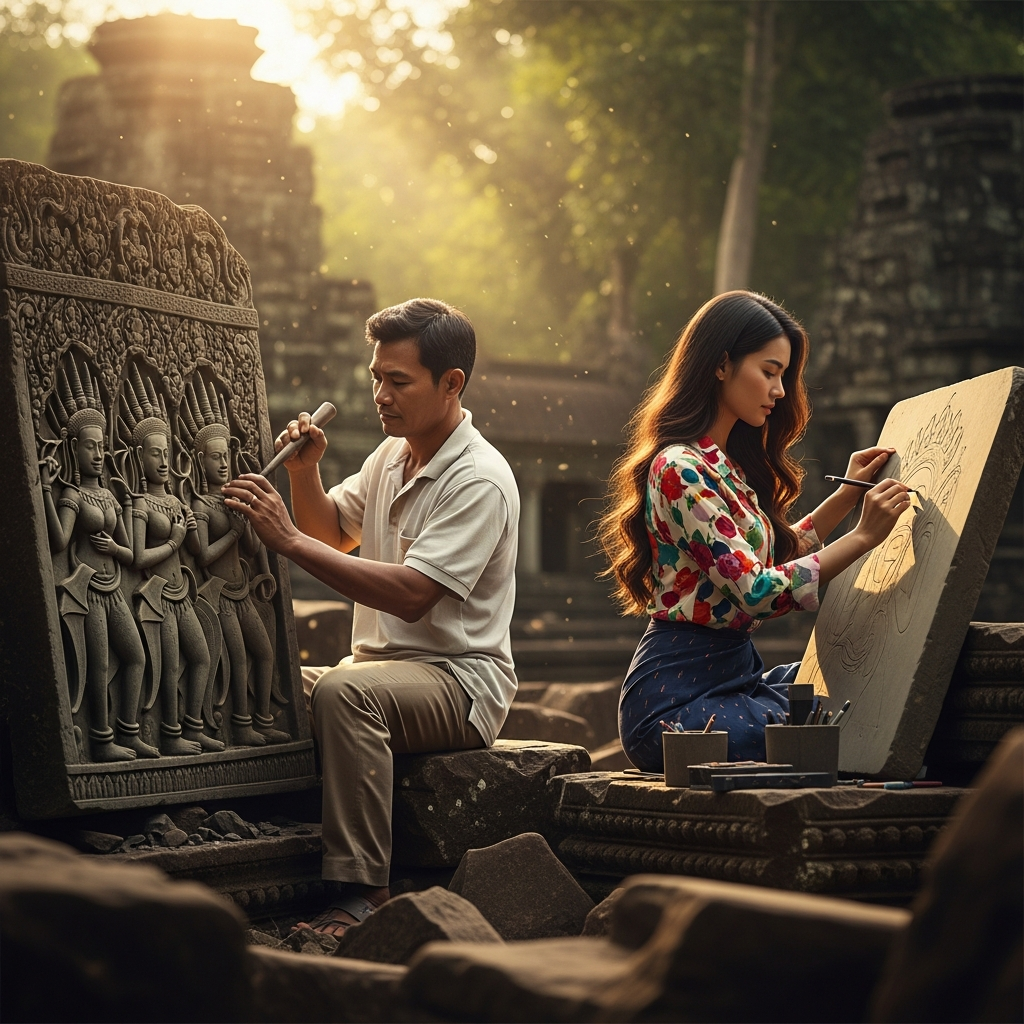
សុធារិទ្ធ ឈរត្រង់នៅចំពោះព្រះភ័ក្ត្រព្រះមហាក្សត្រ ដោយមានភាពថ្លៃថ្នូរ និងការគោរព។ បេសកកម្មដែលបានប្រគល់ឲ្យលោកមិនមែនជាការងារសិល្បៈធម្មតាទេ ប៉ុន្តែជាការបកប្រែទស្សនវិជ្ជាជីវិតរបស់កេសរមាលា ទៅជាសិលាចារឹកដ៏ស្ថិតស្ថេរមួយ។ វាគឺជាភារកិច្ចចម្លាក់នៅឯនាយ ដែលជាគម្រោងសាងសង់ប្រាសាទថ្មីមួយនៅឆ្ងាយដាច់ស្រយាលពីមជ្ឈមណ្ឌលអរិយធម៌។ ព្រះរាជបញ្ជាបានបញ្ជាក់ច្បាស់លាស់ថា រាល់ជ្រុងជ្រោយនៃប្រាសាទត្រូវតែឆ្លុះបញ្ចាំងពីគំនិតនៃការតស៊ូ ការអត់ធ្មត់ និងភាពរុងរឿងដែលផុសចេញពីសេចក្តីលំបាក ដូចជាផ្លូវជីវិតដែលកេសរមាលាបានដើរឆ្លងកាត់យ៉ាងស្វិតស្វាញ។ សុធារិទ្ធ ដែលជាមេស្ថាបត្យករ និងជាងចម្លាក់ឯក យល់ច្បាស់អំពីភាពធ្ងន់ធ្ងរនៃបន្ទុកនេះ។ វាមិនមែនត្រឹមតែជាការសាងសង់រូបភាពទេ វាគឺជាការកសាងស្មារតី។ លោកត្រូវលះបង់ពេលវេលាជាច្រើនឆ្នាំ ដើម្បីរស់នៅឆ្ងាយពីស្រុកកំណើត ដឹកនាំក្រុមជាងរាប់ពាន់នាក់ ឲ្យសម្រេចបាននូវស្នាដៃដ៏អស្ចារ្យដែលមិនធ្លាប់មានពីមុនមក។ ដំណើរទៅកាន់ទីនោះគឺជាការសាកល្បងដ៏ធំដំបូងបង្អស់នៃភាពអត់ធ្មត់ និងសមត្ថភាពដឹកនាំរបស់លោក។
កេសរមាលា មិនមែនគ្រាន់តែជាអ្នកឧបត្ថម្ភគម្រោងនោះទេ នាងគឺជាព្រលឹងនៃគម្រោង។ មុនពេលសុធារិទ្ធចាកចេញ នាងបានចំណាយពេលជាច្រើនម៉ោងដើម្បីពន្យល់ពីគំនិតស្នូលដែលត្រូវបញ្ចូលទៅក្នុងថ្ម។ នាងចង់ឲ្យប្រាសាទនេះក្លាយជាកញ្ចក់ឆ្លុះបញ្ចាំងពីមនោសញ្ចេតនាដ៏ជ្រាលជ្រៅ និងការយល់ដឹងអំពីធម្មជាតិនៃអត្ថិភាព។ នាងបានលើកឡើងពីលក្ខណៈសម្បត្តិរបស់ផ្កាឈូក ដែលដុះចេញពីភក់ល្បាប់ តែបែរជាមានភាពបរិសុទ្ធ និងក្លិនក្រអូប។ នេះគឺជាតំណាងនៃផ្លូវរបស់នាង៖ ការផ្លាស់ប្តូរការឈឺចាប់ទៅជាកម្លាំង និងការស្វែងរកសេចក្តីសុខនៅកណ្តាលភាពវឹកវរ។ ធាតុទាំងនេះត្រូវតែបង្ហាញតាមរយៈបច្ចេកទេសចម្លាក់ដែលល្អិតល្អន់បំផុត។ សុធារិទ្ធ បានរៀបចំផែនទីស្ថាបត្យកម្មដែលរួមបញ្ចូលនូវបរិយាកាសធម្មជាតិ និងទេវកថា។ គាត់បានសម្រេចចិត្តប្រើប្រាស់ចម្លាក់រឿងរ៉ាវ (Bas-reliefs) ដ៏វែងអន្លាយ ដើម្បីពណ៌នាដំណើរជីវិតរបស់មនុស្សជាតិ ពីការតស៊ូប្រចាំថ្ងៃ រហូតដល់ការត្រាស់ដឹងដ៏ខ្ពង់ខ្ពស់។ គ្រប់បង្គោល គ្រប់ហោជាង ត្រូវតែមានភាសាសិល្បៈផ្ទាល់ខ្លួន ដែលអាចនិយាយអំពីសារៈសំខាន់នៃជីវិតប្រកបដោយន័យ។
នៅពេលដែល សុធារិទ្ធ ទៅដល់ទីតាំងសាងសង់ លោកបានប្រឈមមុខនឹងការពិតដ៏លំបាក។ ទីនោះជាតំបន់ភ្នំដែលមានអាកាសធាតុប្រែប្រួលខ្លាំង ការដឹកជញ្ជូនថ្មភក់យក្សមកពីកន្លែងឆ្ងាយៗតម្រូវឲ្យមានកម្លាំងពលកម្ម និងការរៀបចំផែនការដែលស្មុគស្មាញ។ ជាងចម្លាក់ក្នុងស្រុកមានជំនាញតែខ្វះនូវការយល់ដឹងស៊ីជម្រៅអំពីទស្សនវិជ្ជានៃគម្រោង។ សុធារិទ្ធ ត្រូវបំពេញតួនាទីជាគ្រូបង្រៀន ជាអ្នកដឹកនាំ និងជាអ្នកចិត្តសាស្រ្ត។ លោកបានចំណាយពេលយប់ថ្ងៃសិក្សាពីគុណភាពថ្ម និងការបង្រៀនក្រុមជាងពីរបៀបឆ្លាក់លម្អិតតូចៗដែលបង្កប់ន័យសំខាន់។ ការឆ្លាក់រូបអាទិទេពត្រូវតែមានភាពទន់ភ្លន់ដូចសូត្រ ប៉ុន្តែត្រូវមានថាមពលដូចព្យុះ។ នេះតម្រូវឲ្យមានការសម្របសម្រួលទាំងកម្លាំងកាយ និងកម្លាំងចិត្ត។ ភាពឯកកោររបស់ សុធារិទ្ធ ត្រូវបានជំនួសដោយសម្លេងញញួរ និងចាំង ដែលក្លាយជាភ្លេងនៃការលះបង់។ រដូវវស្សាបាននាំមកនូវការពន្យារពេលដ៏គួរឲ្យធុញទ្រាន់ ប៉ុន្តែលោកមិនដែលចុះចាញ់ឡើយ ដោយរក្សាស្មារតីរបស់ កេសរមាលា ជាគោលការណ៍ណែនាំ។ លោកបានស្វែងរកដំណោះស្រាយប្រកបដោយភាពច្នៃប្រឌិតជានិច្ច ដើម្បីទប់ទល់នឹងឧបសគ្គភូមិសាស្ត្រ និងមនុស្ស។
ស្នាដៃដ៏សំខាន់ដែល សុធារិទ្ធ បានយកចិត្តទុកដាក់បំផុត គឺការតុបតែងលម្អជុំវិញប៉មប្រាង្គកណ្តាល។ វាគឺជាការបង្ហាញអំពី ‘របាំនៃការត្រាស់ដឹង’។ រូបចម្លាក់ទេពអប្សរចំនួនរាប់រយអង្គត្រូវបានឆ្លាក់ដោយកាយវិការផ្សេងៗគ្នា តំណាងឲ្យដំណាក់កាលនៃជីវិតមនុស្ស។ ពួកគេខ្លះកំពុងរងទុក្ខ ខ្លះកំពុងស្វែងរក ខ្លះកំពុងរីករាយ ហើយទីបំផុត ពួកគេទាំងអស់បានបែរមុខទៅរកពន្លឺនៃសច្ចៈធម៌។ សុធារិទ្ធ បានប្រើប្រាស់បច្ចេកទេស ‘ចម្លាក់ស្រមោល’ ដែលធ្វើឲ្យរូបភាពទាំងនោះហាក់ដូចជាមានចលនា នៅពេលពន្លឺព្រះអាទិត្យផ្លាស់ប្តូរទីតាំង។ នេះគឺជាការឆ្លុះបញ្ចាំងយ៉ាងច្បាស់អំពីផ្លូវរបស់ កេសរមាលា ដែលបានផ្លាស់ប្តូរឧបសគ្គនយោបាយ និងផ្ទាល់ខ្លួន ទៅជាការយល់ដឹងខាងវិញ្ញាណ។ គាត់បានបញ្ចូលនូវធាតុរុក្ខជាតិដែលហាក់ដូចជាដុះចេញពីជញ្ជាំងថ្មស្ងួត ដើម្បីបង្ហាញថា ជីវិតអាចរីកចម្រើននៅគ្រប់ទីកន្លែង ទោះបីជាមានភាពលំបាកយ៉ាងណាក៏ដោយ។ គ្រប់បន្ទាត់ដែលបានឆ្លាក់ មិនមែនជាការតុបតែងសុទ្ធសាធទេ វាគឺជាកូដសម្ងាត់ដែលនិយាយអំពីភាពអមតៈនៃស្មារតីមនុស្ស។ លោកបានធានាថា គ្រប់ការលម្អទាំងអស់មានអត្ថន័យទស្សនវិជ្ជាជាក់លាក់ មិនមែនគ្រាន់តែជាលក្ខណៈសម្បត្តិនៃសិល្បៈប្រពៃណីតែប៉ុណ្ណោះទេ។ គាត់បានបញ្ចូលនូវគំនិតថ្មីៗក្នុងការរៀបចំលំហអាកាស ដើម្បីឲ្យអ្នកទស្សនាមានអារម្មណ៍ថាខ្លួនកំពុងដើរតាមផ្លូវខាងវិញ្ញាណមួយ។
ពេលវេលាបានកន្លងផុតទៅដូចជាខ្យល់បក់លើវាលស្រែ។ ទីបំផុត សុធារិទ្ធ បានឈរពិនិត្យមើលស្នាដៃដែលជិតរួចរាល់របស់ខ្លួន។ ប្រាសាទទាំងមូលបានឈរយ៉ាងខ្ពស់ត្រដែត នៅក្រោមមេឃពណ៌ខៀវស្រងាត់ ហាក់ដូចជាបានផុសចេញពីដីដោយកម្លាំងដ៏មហិមា។ ថ្មដែលពីមុនត្រជាក់ ហើយរឹង បានក្លាយទៅជាសាច់ឈាមនៃសិល្បៈ។ លោកបានបំពេញភារកិច្ចចម្លាក់នៅឯនាយនេះ ដោយភាពស្មោះត្រង់បំផុត។ លោកមិនត្រឹមតែបានសាងសង់ប្រាសាទថ្មទេ តែលោកបានសាងសង់ទីសក្ការៈបូជាមួយសម្រាប់ទស្សនវិជ្ជានៃការរស់រានមានជីវិត។ ទោះបីជា សុធារិទ្ធ ត្រូវបានឃ្លាតឆ្ងាយពីមនុស្សជាទីស្រឡាញ់ និងការលួងលោមនៃទីក្រុងក៏ដោយ ក៏លោកបានរកឃើញសេចក្តីសុខពិតប្រាកដនៅក្នុងដំណើរការច្នៃប្រឌិតនេះ។ កេរដំណែលនេះនឹងនៅស្ថិតស្ថេររាប់ពាន់ឆ្នាំ។ វាគឺជាទីបន្ទាល់អំពីភាពក្លាហានរបស់ កេសរមាលា និងភាពអត់ធ្មត់របស់ សុធារិទ្ធ។ ការងារនេះបានបង្រៀនលោកថា ភាពអស្ចារ្យមិនមែនកើតឡើងដោយចៃដន្យទេ វាទាមទារនូវការបូជាដ៏ធំធេង និងការលះបង់អស់ពីចិត្ត។ ភាពជោគជ័យនៃគម្រោងនេះបានលើកតម្កើងឈ្មោះរបស់លោកឲ្យល្បីល្បាញលើសពីព្រំដែននៃនគរ។ ប្រាសាទថ្មីនេះ គឺជាកំណាព្យថ្មដ៏វែងអន្លាយ ដែលនិពន្ធឡើងដោយញើស ទឹកភ្នែក និងក្តីសង្ឃឹម។ វាគឺជាបេតិកភណ្ឌដ៏រុងរឿងដែលនឹងជំរុញទឹកចិត្តមនុស្សជំនាន់ក្រោយ។ សុធារិទ្ធ អាចត្រឡប់ទៅផ្ទះវិញដោយមោទនភាព ប៉ុន្តែផ្នែកមួយនៃព្រលឹងលោកត្រូវបានចាក់ឫសយ៉ាងរឹងមាំនៅក្នុងចម្លាក់នៃទីដាច់ស្រយាលនេះ។ លោកបានយល់យ៉ាងច្បាស់អំពីទំនាក់ទំនងរវាងសិល្បៈ និងភាពអមតៈតាមរយៈការបង្រៀនរបស់ កេសរមាលា។ គ្រប់ឥដ្ឋថ្មទាំងអស់បានប្រាប់រឿងរ៉ាវនៃភាពឧស្សាហ៍ព្យាយាមរបស់មនុស្សនិងភាពបរិសុទ្ធនៃស្មារតីដែលបានជះឥទ្ធិពលមកលើស្នាដៃនេះ។ (1000 words)
Sotharith stood resolute before the sovereign, embodying both dignity and reverence. The mission entrusted to him transcended typical artistic endeavor; it was the translation of Kesor Mala’s profound life philosophy into an enduring stone narrative. This was the distant sculpture commission, a monumental project involving the construction of a new temple far removed from the civilized heartland of the empire. The royal decree mandated unequivocally that every facet and fixture of the edifice must reflect the ideals of resilience, perseverance, and the flourishing of splendor emerging from intense adversity—mirroring the very path Kesor Mala had navigated with unwavering fortitude. Sotharith, the chief architect and master sculptor, grasped the profound gravity of this responsibility. His task was not merely structural construction or the rendering of divine imagery; it was the meticulous fabrication of a spiritual sanctuary. He was required to dedicate years away from his home, leading thousands of artisans toward the achievement of an unparalleled masterpiece. The initial journey itself, crossing rugged terrain and hostile environments, served as the first demanding test of his commitment and leadership capabilities.
Kesor Mala was far more than a patron; she was the spiritual muse and soul of the entire undertaking. Before Sotharith’s departure, she spent extensive hours articulating the core tenets that had to be embedded into the hard stone. She envisioned the temple functioning as a mirror, reflecting deep human emotion and a profound understanding of existential nature. She emphasized the inherent qualities of the lotus flower, which, though rooted firmly in stagnant mud, ascends to achieve pristine purity and delicate fragrance. This powerful imagery represented her personal trajectory: the transformative process of converting deep personal pain and political tribulation into spiritual strength, and the diligent pursuit of inner peace amidst encompassing chaos. These philosophical elements demanded expression through the most intricate and sophisticated sculpting techniques available. Sotharith carefully developed architectural blueprints that skillfully integrated indigenous natural landscapes with traditional mythological themes. He determined to employ vast, sweeping narrative bas-reliefs to depict the comprehensive journey of humanity, spanning from quotidian struggles to eventual elevated enlightenment. Every pillar, every pediment, required its own distinct, articulate artistic language to convey this complex message.
Upon Sotharith’s arrival at the construction site, he was immediately confronted by a stark and formidable reality. The locale was a challenging mountainous region characterized by volatile, unpredictable weather patterns. The logistics of transporting colossal sandstone blocks from distant quarries demanded immense labor mobilization and intricately complex planning. While the local sculptors possessed raw skill, they often lacked the necessary deep philosophical insight into the project’s overarching vision. Sotharith had to simultaneously assume the roles of master instructor, strict supervisor, and motivational psychologist. He dedicated long nights and early mornings studying the geological quality of the stone and teaching his large team how to etch minute details that carried monumental significance. The carvings of the deities needed to possess the soft subtlety of silk yet embody the raw, kinetic power of a storm. This ambitious requirement necessitated a strenuous synchronization of both physical effort and profound mental dedication. Sotharith’s personal sense of isolation was steadily replaced by the rhythmic clang of hammers and chisels, which became the dedicated symphony of his sacrifice. The relentless monsoon seasons brought frustrating delays, yet he never once wavered, maintaining Kesor Mala’s spirit of endurance as his unwavering guiding principle through every setback. He consistently sought out creative solutions to overcome geographical and human resource obstacles.
The singular, most crucial work to which Sotharith dedicated his absolute focus was the elaborate ornamentation encircling the central sanctuary tower, the prang. This area was designated for the dramatic depiction of the ‘Dance of Enlightenment.’ Hundreds of celestial dancers, or apsaras, were meticulously carved in diverse postures, representing various stages of the human lifecycle. Some figures were depicted in profound suffering, others in diligent search, others in ecstatic joy, and ultimately, all were oriented toward the brilliant light of eternal truth. Sotharith pioneered the use of a specialized ‘shadow carving’ technique, enabling the figures to appear dynamically animated as the angle of the natural sunlight shifted throughout the day. This technique served as a crystal-clear reflection of Kesor Mala’s path, demonstrating how she transformed political obstacles and severe personal anguish into profound spiritual awareness. He also skillfully integrated botanical elements that appeared to sprout organically from the dry stone walls, symbolizing that life and hope can flourish in any environment, regardless of the accompanying hardship. Every line meticulously inscribed was not merely decorative embellishment; it functioned as a visual cipher communicating the immortality and inherent resilience of the human spirit. He ensured that all ornamentation carried a specific philosophical meaning, moving beyond mere traditional artistic attributes. He incorporated innovative concepts in spatial arrangement to make visitors feel they were progressing along a genuine spiritual trajectory.
Time elapsed, flowing rapidly like wind sweeping over a vast, open field. Finally, Sotharith stood surveying his nearly completed magnum opus. The entire temple complex stood impressively tall and majestic beneath the serene blue sky, seemingly having sprung from the earth through a force of colossal will. The stone, once cold and inert, had been transformed into the enduring flesh of refined artistry. He had fulfilled the distant sculpture commission with absolute integrity. He had built not just a structure of stone, but a sacred monument dedicated to the philosophy of tenacious survival. Although Sotharith had endured significant separation from his loved ones and the comforting luxuries of the capital city, he discovered genuine, profound contentment within this intense creative process. This monumental legacy would stand immutable for thousands of years. It serves as an undeniable testament to Kesor Mala’s unwavering spiritual courage and Sotharith’s infinite, enduring patience. The work taught him an invaluable lesson: true greatness is never achieved by chance; it demands immense personal sacrifice and complete devotion of the heart. The triumphant success of this project elevated his reputation far beyond the established borders of the kingdom. This magnificent new temple is a lengthy, epic poem written in stone, composed meticulously through sweat, tears, and eternal hope. It is a glorious heritage designed to inspire countless future generations. Sotharith was now prepared to return home with immense professional pride, knowing that a significant, enduring part of his soul was permanently rooted in the distant carvings he had so meticulously brought to life. He clearly understood the connection between art and immortality through Kesor Mala’s teachings. Every single block narrated a story of human diligence and the purity of spirit that influenced the finished work. (1000 words)
ផ្លូវលំបាកទៅកាន់ភពនិរាស
ផ្លូវលំបាកទៅកាន់ភពនិរាស
ពន្លឺថ្ងៃដ៏មុតស្រួចបានចាក់ទម្លុះស្រទាប់អាកាសធាតុស្ងួតហែង បង្កើនកម្ដៅដែលហាក់ដូចជាកំពុងដុតបំផ្លាញផែនដីក្រោមបាតជើងរបស់កេសរមាលា។ គ្រប់ជំហានដែលនាងបោះទៅមុខ គឺជាការតស៊ូប្រឆាំងនឹងភាពនឿយហត់របស់សាច់ឈាម និងបន្ទុកដែលព្យួរនៅក្នុងជម្រៅនៃវិញ្ញាណ។ ផ្លូវនេះត្រូវបានគេដាក់ឈ្មោះថា ផ្លូវមរណៈ ពីព្រោះវាលាតសន្ធឹងកាត់វាលរហោឋានដែលគ្មានមេត្តា ឆ្ពោះទៅកាន់ភពនិរាស—ដែនដីដែលគេនិយាយថាជាទីលំនៅរបស់ការភ្លេចភ្លាំង និងសន្តិភាពដ៏អស់កល្ប។ ប៉ុន្តែចំពោះនាង ផ្លូវនេះមិនមែនជាផ្លូវទៅកាន់សេចក្ដីសុខឡើយ តែជាមធ្យោបាយចាំបាច់ដើម្បីព្យាបាលរបួសដ៏ធំដែលបង្កប់ក្នុងទ្រូង។
កេសរមាលាបានចាកចេញពីជីវិតមុនរបស់នាង ដោយបន្សល់ទុកនូវភាពស្រស់ស្អាតនិងភាពសប្បាយរីករាយទាំងឡាយ ដែលធ្លាប់ហ៊ុំព័ទ្ធនាងដូចជាសូត្រដ៏ល្អិត។ នាងជាស្ត្រីដែលធ្លាប់រស់នៅក្នុងវិមាន ក្រោមម្លប់នៃសេចក្ដីគោរព និងកិត្តិយស ប៉ុន្តែអ្វីៗទាំងអស់នោះគ្រាន់តែជាការបំភាន់ដែលស្រោបពីលើភាពឯកាយ៉ាងជ្រៅ។ ការចងចាំនៃជីវិតដែលបាត់បង់នោះ មិនមែនជាការសោកស្ដាយចំពោះភាពសម្បូរបែបនោះទេ តែជាការឈឺចាប់ដែលនាងត្រូវតែលះបង់នូវអ្វីដែលសំខាន់បំផុត—ស្នេហាដែលលាក់កំបាំងរបស់នាងចំពោះសុធារិទ្ធ។
ភពនិរាសដែលនាងកំពុងស្វែងរក ត្រូវបានគេស្រមៃថាជាកន្លែងដែលការរងទុក្ខនឹងរលត់បាត់បង់ដូចជាផ្សែង។ ប៉ុន្តែទោះបីជានាងដើរទៅមុខយ៉ាងណា ក៏រូបភាពរបស់សុធារិទ្ធនៅតែលេចឡើងដដែលៗក្នុងគំនិតនាង ដូចជាអណ្ដាតភ្លើងដែលមិនអាចពន្លត់បាន។ នាងចាំបាននូវស្នាមញញឹមដ៏ទន់ភ្លន់របស់គេ ពាក្យពេចន៍លួងលោមដែលលាក់ន័យ នៅក្នុងពិធីជប់លៀងដ៏អ៊ូអរ ដែលមានតែភ្នែករបស់ពួកគេប៉ុណ្ណោះដែលយល់ពីសារដ៏ពិតប្រាកដ។ ស្នេហានេះគឺជារបស់ត្រូវហាមឃាត់ ជាចំណងដែលត្រូវបានបំបែកដោយរបាំងវណ្ណៈនិងទំនៀមទម្លាប់។ ដើម្បីរក្សាកិត្តិយសរបស់គ្រួសារ និងជៀសវាងមហន្តរាយ នាងត្រូវតែជ្រើសរើសយកផ្លូវនៃការនិរទេសខ្លួន ផ្លូវនៃការបដិសេធ។ នេះជាការលះបង់ដ៏ធំបំផុត—ការជ្រើសរើសភាពស្ងប់ស្ងាត់ផ្លូវចិត្ត ជំនួសឱ្យព្យុះភ្លៀងនៃក្ដីស្រឡាញ់។
នៅពេលដែលព្រះអាទិត្យចាប់ផ្ដើមលិចបាត់បាំងទៅ ពណ៌ក្រហមឆ្អៅបានគ្របដណ្តប់លើវាលខ្សាច់ដែលគ្មានទីបញ្ចប់នោះ នាងក៏បានរកឃើញកន្លែងជ្រកកោនបណ្ដោះអាសន្នក្រោមដើមឈើដែលស្ងួតហួតហែងមួយ។ ពេលនោះហើយដែលការរំពឹងគិតដ៏ជ្រាលជ្រៅបានចាប់ផ្ដើម។ នាងបានរំឭកឡើងវិញនូវរាល់ពេលដែលនាង និងសុធារិទ្ធបានឆ្លងកាត់ការលំបាកជាមួយគ្នា មិនមែនជាគូស្នេហ៍ចំហរទេ តែជាសម្ព័ន្ធមិត្តនៃវិញ្ញាណ។ ការលំបាកដ៏ធំបំផុតមិនមែនជាការបែកគ្នាខាងរូបកាយនោះទេ តែជាការប៉ុនប៉ងដើម្បីកាត់ផ្ដាច់ចំណងទាក់ទងខាងផ្លូវចិត្ត។ នាងបានដឹងថា ផ្លូវទៅកាន់ភពនិរាស មិនមែនជាដំណើរឆ្លងកាត់ភូមិសាស្ត្រទេ តែជាការប្រយុទ្ធផ្ទៃក្នុងដើម្បីដោះលែងខ្លួនឯងពីបំណងប្រាថ្នាដែលនៅសេសសល់។
កេសរមាលាបានបន្តដំណើររបស់នាងដោយកាន់តែមានការសម្រេចចិត្ត។ នាងបានជួបប្រទះនូវសត្វសាហាវក្នុងពេលយប់ ភាពអត់ឃ្លាន និងការស្រេកឃ្លានដែលគំរាមកំហែងដល់ជីវិត។ ប៉ុន្តែការឈឺចាប់ខាងផ្លូវកាយទាំងនោះ មិនអាចប្រៀបធៀបនឹងការឈឺចាប់ដែលនាងដឹងថានាងកំពុងធ្វើឱ្យសុធារិទ្ធទទួលរងនូវការឈឺចាប់ដែរ។ នាងបានដឹងថា ការចាកចេញរបស់នាង គឺជាទង្វើមួយដែលមិនត្រឹមតែការពារកិត្តិយសរបស់នាងប៉ុណ្ណោះទេ ថែមទាំងការពារសុធារិទ្ធពីការបាត់បង់អ្វីៗគ្រប់យ៉ាងផងដែរ។ នាងបានក្លាយជាអ្នកនិរទេសខ្លួន ដើម្បីឱ្យគេអាចបន្តជីវិតរបស់គេដោយគ្មានភាពមន្ទិលសង្ស័យ។
យប់មួយ ក្រោមពន្លឺព្រះចន្ទពេញវង់ នាងបានសម្រេចចិត្តថា នាងត្រូវតែធ្វើពិធីលា។ នាងបានយកចិញ្ចៀនតូចមួយ ដែលសុធារិទ្ធបានឱ្យនាងជាសម្ងាត់ ហើយបានសម្លឹងមើលវាដោយទឹកភ្នែកហូរដោយស្ងៀមស្ងាត់។ វាជាចិញ្ចៀនដែលធ្វើពីប្រាក់សុទ្ធ ជានិមិត្តរូបនៃភាពបរិសុទ្ធ និងភាពអស់កល្បជានិច្ចនៃអារម្មណ៍របស់ពួកគេ។ នាងបានខ្សឹបប្រាប់នូវពាក្យសម្បថចុងក្រោយនៃការលះបង់ ហើយបានបោះចិញ្ចៀននោះទៅក្នុងជ្រោះជ្រៅមួយ។ ទង្វើនេះមិនមែនជាការបោះបង់ចោលនូវស្នេហាទេ តែជាការដោះលែងស្នេហានោះ ឱ្យផុតពីដែនកំណត់នៃការពិតដ៏សែនឈឺចាប់។
ការដោះលែងចំណងនេះបានធ្វើឱ្យនាងមានអារម្មណ៍ធូរស្រាល និងទទេស្អាតក្នុងពេលតែមួយ។ ភពនិរាសលែងក្លាយជាគោលដៅភូមិសាស្ត្រទៀតហើយ តែជាទីតាំងដែលចិត្តបានស្វែងរកសន្តិភាពតាមរយៈការទទួលយកភាពទទេស្អាត។ នាងបានដើរកាត់រហូទ្ឋានដោយមានភាពស្ងប់ស្ងាត់ដ៏គួរឱ្យខ្លាច។ រាល់ការលំបាកដែលនាងជួប ត្រូវបានប្រែក្លាយទៅជាការធ្វើតេស្តនៃភាពអត់ធ្មត់ ជំហាននីមួយៗបានក្លាយទៅជាពិធីនៃការបន្សុត។ នាងលែងបានគិតអំពីថាតើនាងនឹងជួបសុធារិទ្ធម្ដងទៀតទេ តែនាងបានគិតអំពីថាតើនាងអាចរក្សាស្នេហារបស់គេឱ្យក្លាយជាថាមពលដ៏បរិសុទ្ធដោយគ្មានការទាមទារបានដោយរបៀបណា។
កេសរមាលាបានដឹងថា ផ្លូវទៅកាន់ភពនិរាសមិនបានសន្យាថានឹងមានការសប្បាយរីករាយនោះទេ។ ផ្ទុយទៅវិញ វាបានសន្យានូវសេរីភាពពីការភ្ជាប់។ នាងបានដើរទៅមុខដោយមានការយល់ដឹងថ្មីមួយ—ថាមនុស្សម្នាក់អាចស្រឡាញ់យ៉ាងជ្រាលជ្រៅ ខណៈពេលដែលនៅតែជ្រើសរើសការរស់នៅដោយគ្មានការកាន់កាប់។ ស្នេហារបស់សុធារិទ្ធលែងជាបន្ទុកទៀតហើយ តែជាភ្លើងហ្វារដែលបំភ្លឺផ្លូវទៅកាន់ការយល់ដឹងខាងវិញ្ញាណ។ នាងបានក្លាយទៅជានិមិត្តរូបនៃការតស៊ូរបស់មនុស្សជាតិ ដើម្បីស្វែងរកអត្ថន័យនៅក្នុងភាពទទេស្អាត បន្ទាប់ពីការបាត់បង់ដ៏ធំបំផុត។ ដំណើរដ៏លំបាកនេះមិនមែនជាទីបញ្ចប់ទេ តែជាការចាប់ផ្តើមនៃអត្ថិភាពដែលបានបន្សុត ដែលត្រូវបានកំណត់ដោយភាពស្ងប់ស្ងាត់ដែលកើតចេញពីការលះបង់ដ៏ស្មោះត្រង់។ ភពនិរាសមិនមែនជាឋានសួគ៌ដែលលាក់បាំងនោះទេ តែជាចំណុចកណ្តាលនៃភាពស្ងប់ស្ងាត់ដែលនាងបានសាងសង់នៅក្នុងខ្លួននាងផ្ទាល់ ដោយប្រើប្រាស់ការឈឺចាប់ដែលបន្សល់ទុកដោយស្នេហាលាក់កំបាំងរបស់នាងជាសម្ភារៈសំណង់។
នាងបានរៀនថា ទុក្ខលំបាកគឺជាគ្រូដ៏ល្អបំផុត។ គ្រប់ការស្រេកឃ្លាន គ្រប់ភាពភ័យខ្លាច គ្រប់ការចងចាំដ៏ឈឺចាប់ ត្រូវបានប្រើប្រាស់ដើម្បីកាត់បន្ថយខ្លួនឯងដែលពីមុនធ្លាប់ងប់ងល់នឹងចំណង់។ កេសរមាលាបានបន្តដំណើរ ដោយមានជំហានដែលមិនរង្គើ និងភ្នែកដែលមើលទៅអនាគតដ៏ស្រពិចស្រពិលនោះ ដោយមានភាពច្បាស់លាស់ដែលកើតចេញពីការទទួលស្គាល់នូវការពិតដែលថាសន្តិភាពពិតប្រាកដត្រូវបានរកឃើញនៅពេលដែលបេះដូងលែងព្យាយាមប្រឆាំងនឹងជោគវាសនារបស់ខ្លួន។
The Difficult Path to Nirasa Realm
The sharp glare of the sun pierced the dry atmosphere, magnifying the heat that seemed to consume the earth beneath Kesar Mala’s feet. Every step she took was a struggle against the fatigue of her flesh and the immense burden hanging deep within her spirit. This road was known as the Path of the Mortals, for it stretched across a merciless wasteland, leading towards the Nirasa Realm—a domain rumored to be the dwelling place of oblivion and eternal peace. Yet, for her, this road was not a path to bliss, but a necessary vehicle for treating the gaping wound embedded in her heart.
Kesar Mala had departed from her former life, leaving behind all the beauty and pleasures that once enveloped her like fine silk. She was a woman who had lived in mansions, shaded by respect and honor, but all of it had been an illusion layered over a profound loneliness. The memory of that lost life was not a lament for opulence, but the sharp agony that she had to sacrifice what was most essential—her hidden love for Sotheariddh.
Nirasa, the realm she sought, was imagined as a place where suffering would dissolve like smoke. Yet, no matter how far she walked, the image of Sotheariddh resurfaced repeatedly in her mind, like an unquenchable flame. She remembered his gentle smile, the subtly veiled comforting words exchanged amidst bustling social gatherings, where only their eyes understood the true message. This love was forbidden, a bond shattered by the barriers of class and tradition. To preserve her family’s honor and avert catastrophe, she had to choose the path of self-exile, the path of renunciation. This was the greatest sacrifice—choosing spiritual stillness over the tempest of affection.
As the sun began its descent, casting a fierce crimson glow over the endless desert, she found temporary shelter beneath a solitary, withered tree. It was then that the profound reflection began. She recalled every moment she and Sotheariddh had navigated difficulties, not as open lovers, but as allies of the spirit. The true hardship was not the physical separation, but the attempt to sever the psychological cord. She realized that the path to the Nirasa Realm was not a geographical transit, but an internal battle to liberate herself from persistent, residual desires.
Kesar Mala continued her journey with deepening resolve. She encountered nocturnal predators, starvation, and thirst that threatened her life. But these physical torments paled in comparison to the pain she knew she was inflicting upon Sotheariddh. She understood that her departure was an act that not only shielded her honor but also protected Sotheariddh from losing everything. She became the exile so that he might continue his life without suspicion or ruin.
One night, beneath the full moon, she determined that she must perform the final rite of farewell. She took a small ring that Sotheariddh had secretly given her and gazed upon it, silent tears tracing paths down her dust-caked cheeks. It was a ring made of pure silver, symbolizing the purity and eternity of their feeling. She whispered the final vow of detachment and cast the ring into a deep ravine. This act was not an abandonment of the love itself, but the liberation of that love from the confines of painful reality.
The severance of this attachment left her feeling both relieved and utterly empty. The Nirasa Realm was no longer a terrestrial destination but a state where the mind sought quietude through the acceptance of emptiness. She walked through the wasteland with an unnerving serenity. Every tribulation she faced was transformed into a test of endurance; each step became a ritual of purification. She no longer wondered if she would see Sotheariddh again, but how she could maintain his love as a pure, non-demanding energy.
Kesar Mala understood that the difficult path to Nirasa did not promise happiness. Instead, it promised freedom from attachment. She pressed on with a new comprehension—that one could love profoundly while still choosing to live without possession. Sotheariddh’s love was no longer a burden, but a beacon illuminating the way toward spiritual understanding. She became the embodiment of the human struggle to find meaning in the void following the greatest loss. This arduous journey was not the end, but the commencement of a refined existence, defined by a stillness born from sincere sacrifice. The Nirasa Realm was not a hidden paradise, but the epicenter of calm she had built within herself, using the pain left by her hidden affection as the very building material.
She had learned that hardship was the supreme instructor. Every ache of hunger, every pang of fear, every wounding memory, was employed to pare down the self that was previously enslaved by passion. Kesar Mala continued, her steps unwavering, her eyes fixed on the hazy future with a clarity derived from recognizing the truth: genuine peace is found when the heart ceases its struggle against its own fate.
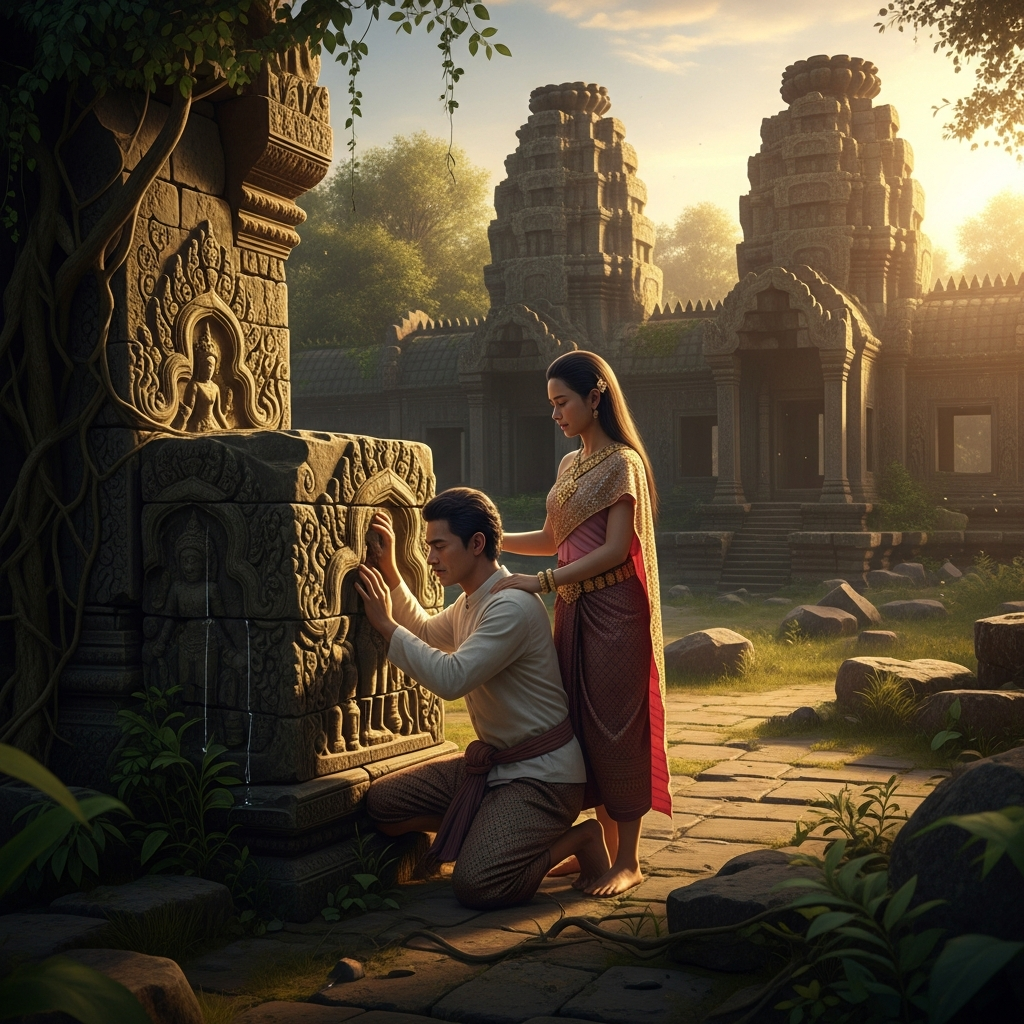
ទឹកភ្នែកដិតដាមលើថ្ម
សុធារិទ្ធ បានឈរនៅមុខថ្មភក់ដ៏ធំអស្ចារ្យមួយដុំ ដែលមានទំហំប៉ុនផ្ទះតូចមួយ។ វាជាផ្ទាំងថ្មពណ៌លឿងទុំ ដែលត្រូវបានគេទាញចេញពីជម្រៅនៃភ្នំគូលែន ផ្ទុកទៅដោយវិញ្ញាណបុរាណនិងភាពរឹងមាំដែលមិនអាចរង្គោះរង្គើបាន។ គាត់បានចាប់ផ្តើមការងាររបស់គាត់ មិនមែនដោយការវាស់វែងតាមលំនាំគណិតសាស្រ្តនោះទេ ប៉ុន្តែដោយការចាក់បញ្ចូលនូវទម្ងន់ផ្លូវចិត្តដ៏ធ្ងន់ធ្ងរដែលកំពុងសង្កត់លើទ្រូងរបស់គាត់ទៅក្នុងស្នាដៃនោះ។ ទឹកមុខរបស់គាត់ស្លេកស្លាំង ភ្នែកទាំងគូរបស់គាត់ឡើងក្រហមដោយសារតែកង្វះដំណេកយូរអង្វែង និងការទួញសោកឥតឈប់ឈរ សម្រាប់កេសរមាលា ដែលជានារីដ៏បរិសុទ្ធដែលបានបន្សាត់ខ្លួនចេញពីជីវិតរបស់គាត់ដូចជាអ័ព្ទនាពេលព្រឹក។
រាល់ការដកដង្ហើមរបស់សុធារិទ្ធ គឺហាក់ដូចជាការថ្ងូរនៃការឈឺចាប់។ គាត់បានចាប់ញញួរដែកធំ និងកាំបិតមុតស្រួច។ សម្លេងដំបូងដែលបានបន្លឺឡើងនៅក្នុងការដ្ឋាននោះ មិនមែនជាសំឡេងបំបែកថ្មនោះទេ តែជាសំឡេងនៃបេះដូងដែលកំពុងប្រេះស្រាំរបស់គាត់ ដែលបានបន្លឺឡើងតាមរយៈលោហៈធាតុ។ គាត់បានជ្រើសរើសចម្លាក់រូបព្រះនាងទេវតាអប្សរាមួយអង្គដែលរាំទាំងសោកសៅ—មិនមែនដើម្បីឧទ្ទិសដល់អាទិទេពទេ ប៉ុន្តែដើម្បីឧទ្ទិសដល់ការចងចាំដ៏ឈឺចាប់របស់កេសរមាលា។ គាត់បានសម្រេចចិត្តថា ថ្មដានេះត្រូវតែក្លាយជាទីកប់ទុកនូវអនុស្សាវរីយ៍ទាំងអស់ដែលពួកគេធ្លាប់បានចែករំលែក។ គាត់ចង់ឲ្យវាជាកញ្ចក់ឆ្លុះបញ្ចាំងពីភាពអមតៈនៃសេចក្តីស្រឡាញ់របស់គាត់ ទោះបីជាវាជូរចត់យ៉ាងណាក៏ដោយ។
ការងារបានចាប់ផ្តើមដោយការដាប់រំលីងនូវស្រទាប់ខាងក្រៅនៃថ្មដា ដើម្បីលាតត្រដាងផ្ទៃរលោងដែលលាក់ខ្លួននៅខាងក្នុង។ សុធារិទ្ធ បានធ្វើការអស់ជាច្រើនម៉ោង ក្រោមពន្លឺថ្ងៃដ៏ក្តៅក្រហាយ ដែលហាក់ដូចជាកំពុងឆេះរោលរាលនូវអ្វីៗគ្រប់យ៉ាង។ ញើសរបស់គាត់បានហូរដូចទឹក ស្រក់ចុះទៅលើផ្ទៃថ្មដែលកំពុងត្រូវបានគេដាប់។ រាល់ដំណក់ញើស គឺស្មើនឹងការបាត់បង់ផ្នែកមួយនៃការឈឺចាប់។ គាត់បានព្យាយាមរុញច្រានការឈឺចាប់ ទុក្ខព្រួយ និងក្តីសង្ឃឹមដែលខូចទាំងអស់របស់គាត់ទៅក្នុងស្នាដៃសិល្បៈនេះ។ គាត់មិនចង់ឲ្យមានកន្លែងទំនេរនៅក្នុងថ្មនេះសម្រាប់ទុក្ខសោករបស់គាត់នោះទេ។ គាត់បានចាក់បញ្ចូលថាមពលទាំងអស់ទៅក្នុងចលនារបស់ដៃគាត់ ធ្វើឲ្យដែកស្រួចចោះចូលជ្រៅទៅក្នុងផ្ទៃថ្មរឹងមាំនោះ។
នៅក្នុងការចងចាំដ៏ស្រពិចស្រពិលមួយ សុធារិទ្ធ បានឃើញកេសរមាលាកំពុងអង្គុយនៅក្នុងទីធ្លាផ្ទះរបស់ពួកគេ ដៃរបស់នាងកំពុងកាន់ផ្កាចំប៉ីដ៏ក្រអូប។ នាងបានសន្យាថា ជីវិតរបស់ពួកគេនឹងក្លាយជាផ្ទាំងសិលាចារឹកដ៏រុងរឿងមួយដែលត្រូវបានឆ្លាក់ដោយសុភមង្គល។ ប៉ុន្តែឥឡូវនេះ សិលាចារឹកនោះត្រូវបានបាក់បែកខ្ទេចខ្ទាំអស់ហើយ។ ផ្ទាំងថ្មដ៏ធំនៅពីមុខគាត់នេះ បានក្លាយជាផ្ទាំងថ្មសម្រាប់ទុកនូវសម្បថដែលបរាជ័យនោះ។ គាត់បានឆ្លាក់នូវពាក្យសម្បថទាំងអស់នោះទៅលើថ្ម ដោយមិនឲ្យមានមួយឃ្លាណាបានបាត់បង់ឡើយ។ ការលះបង់ផ្លូវចិត្តរបស់គាត់ គឺហាក់ដូចជាការធ្វើពិធីបូជាយញ្ញមួយ។ គាត់បានលះបង់សេចក្តីរីករាយនាពេលបច្ចុប្បន្ន ដើម្បីផ្តល់ជីវិតដល់វិញ្ញាណនៃស្នាដៃរបស់គាត់។
កេសរមាលា តែងតែមានការប្រុងប្រយ័ត្នចំពោះការងាររបស់គាត់។ នាងតែងតែនិយាយថា សុធារិទ្ធ មិនមែនគ្រាន់តែជាជាងចម្លាក់នោះទេ គាត់គឺជាអ្នកអភិរក្សនូវដួងចិត្តនិងអារម្មណ៍របស់មនុស្ស។ នាងបានលើកទឹកចិត្តឲ្យគាត់ប្រើប្រាស់ការឈឺចាប់កាលពីអតីតកាលរបស់គាត់ ដើម្បីផ្តល់កម្លាំងដល់ភាពច្នៃប្រឌិតរបស់គាត់។ ឥឡូវនេះ ពាក្យពេចន៍របស់នាងបានត្រលប់មកធ្វើឲ្យគាត់ឈឺចាប់វិញ។ គាត់បានអនុវត្តតាមដំបូន្មានរបស់នាង ក្នុងរបៀបមួយដ៏គួរឲ្យខ្លាច។ គាត់បានដាប់រូបរាងដៃរបស់អប្សរានោះ—ម្រាមដៃស្វិតស្វាញដែលកំពុងកាន់ត្របកឈូក។ រាល់ការឆ្លាក់គឺមានភាពជាក់លាក់ខ្លាំងណាស់ ហាក់ដូចជាសុធារិទ្ធ កំពុងព្យាយាមតាមចាប់ភាពស្រស់ស្អាតដែលរអិលរលាស់របស់នាងមកវិញ។ គាត់បានផ្តោតលើភាពកោងនៃកដៃរបស់នាង ភាពរលោងនៃសម្លៀកបំពាក់នាង ដែលមើលទៅដូចជាកំពុងហើរអណ្តែត។ គាត់បានប្រើញញួរដោយកំហឹង ប៉ុន្តែចុងកាំបិតរបស់គាត់បានធ្វើការដោយក្តីស្រឡាញ់។
ការផ្លាស់ប្តូររូបរាងថ្មរឹងមាំ គឺជានិមិត្តរូបនៃការតស៊ូរបស់គាត់ដើម្បីផ្លាស់ប្តូរភាពរឹងម៉ាំនៃដួងចិត្តរបស់ខ្លួនឯង។ គាត់បានដឹងថា ការឈឺចាប់របស់គាត់អាចបង្រួញគាត់ ឬពង្រីកគាត់។ គាត់បានជ្រើសរើសផ្លូវនៃការពង្រីក ដោយប្រើប្រាស់វាជាឥន្ធនៈ។ ថ្មភក់នេះ គឺមិនគ្រាន់តែជាថ្មទេ វាគឺជាធុងផ្ទុកនូវអារម្មណ៍ដែលបានកកស្ទះ។ គាត់បានស្រមៃថា នៅពេលដែលមនុស្សរាប់ពាន់ឆ្នាំទៀតមកប៉ះស្នាដៃនេះ ពួកគេនឹងមិនគ្រាន់តែឃើញរូបរាងទេ ពួកគេនឹងមានអារម្មណ៍ថាមានដាននៃទឹកភ្នែកដែលសុធារិទ្ធ បានបង្ហូរចូលទៅក្នុងការឆ្លាក់នោះ។
អស់រយៈពេលជាច្រើនខែ សុធារិទ្ធ គឺរស់នៅតែជាមួយនឹងសំឡេងញញួរ និងធូលីដីប៉ុណ្ណោះ។ គាត់បានបដិសេធមិនឲ្យមានការជួយពីអ្នកដទៃទេ។ នេះជាការប្រយុទ្ធផ្ទាល់ខ្លួនរបស់គាត់។ គាត់បានឃើញគ្រប់លក្ខណៈពិសេសនៃមុខរបស់កេសរមាលានៅក្នុងជម្រៅនៃថ្មនោះ។ គាត់បានឆ្លាក់នូវភ្នែករបស់អប្សរា ដោយមានទឹកមុខស្រពាប់ស្រពោន ដែលឆ្លុះបញ្ចាំងពីការបែកបាក់ចុងក្រោយរបស់ពួកគេ។ នៅក្រោមពន្លឺថ្ងៃ វាហាក់ដូចជាមានទឹកភ្នែកថ្លាពីរខ្សែដែលបានដិតដាមនៅក្រោមត្របកភ្នែកថ្មរបស់អប្សរានោះ—ជាលទ្ធផលនៃការប៉ះទង្គិចគ្នាដ៏ខ្លាំងក្លារវាងអារម្មណ៍ដែលកំពុងឆាបឆេះ និងភាពត្រជាក់នៃថ្មដា។
សុធារិទ្ធ បានរៀនពីរបៀបដែលថ្មនិយាយ។ វាបានប្រាប់គាត់អំពីភាពមិនស្ថិតស្ថេរនៃជីវិតមនុស្ស។ ទោះបីជាថ្មអាចស្ថិតស្ថេរអស់រាប់ពាន់ឆ្នាំក៏ដោយ ក៏វាត្រូវបានកំណត់ដោយពេលវេលាដែលវាត្រូវបានគេបង្កើតឡើងដែរ។ គាត់បានយល់ថា ភាពអមតៈមិនមែនស្ថិតនៅលើភាពរឹងរបស់វត្ថុទេ ប៉ុន្តែស្ថិតនៅលើអារម្មណ៍ដែលត្រូវបានគេចាក់បញ្ចូលទៅក្នុងវត្ថុនោះ។ នៅពេលដែលគាត់បានបញ្ចប់ការកាត់រោមភ្នែកចុងក្រោយនៃរូបអប្សរានោះ គាត់បានដួលលុតជង្គង់នៅលើដី។ គាត់អស់កម្លាំងទាំងកាយនិងចិត្ត។ ការឈឺចាប់ដែលធ្លាប់តែជាបន្ទុកដ៏ធ្ងន់ បានប្រែក្លាយទៅជាស្នាដៃដ៏អស្ចារ្យ។ ទឹកភ្នែករបស់គាត់បានស្រក់ចុះលើថ្មជាលើកដំបូង ដោយមិនមែនជាទឹកភ្នែកនៃភាពសោកសៅទេ តែជាទឹកភ្នែកនៃការដោះលែង។ គាត់បានលាងសម្អាតធូលីដីចេញពីស្នាដៃនោះ បង្ហាញឲ្យឃើញនូវភាពរលោងនិងពន្លឺនៃព្រលឹងដែលបានរងទុក្ខវេទនា។ ទឹកភ្នែកដែលដិតដាមលើថ្ម បានក្លាយទៅជាសិលាចារឹកដ៏ស្រស់ស្អាតបំផុតនៃសេចក្តីស្រឡាញ់ដែលបាត់បង់។
Sothearith stood before a colossal block of sandstone, its dimensions approaching that of a small dwelling. It was a rich ochre stone, quarried from the depths of Phnom Kulen, imbued with ancient spirit and immutable hardness. He began his work, not with mathematical precision, but by channeling the sheer psychological weight pressing upon his chest directly into the artifact. His face was gaunt, his eyes bloodshot from prolonged sleeplessness and the incessant lamentation for Kesormala, the pure woman who had drifted out of his life like morning mist.
Every breath Sothearith took felt like a groan of existential agony. He grasped the heavy iron hammer and the razor-sharp chisel. The first sound that reverberated through the worksite was not the cleavage of stone, but the sonic echo of his own cracking heart, amplified through the metal tools. He had chosen to sculpt a sorrowful Apsara devata, dancing in silent anguish—not as an homage to a deity, but as a consecrated vessel for the painful memory of Kesormala. He decreed that this monument must become the sepulchre for all the shared moments they once cherished. He wanted it to reflect the bitter immortality of his affection.
Work commenced with the brutal stripping away of the stone’s outer shell, revealing the hidden, smoother strata within. Sothearith toiled for hours beneath the merciless sun, which seemed to scorch everything in sight. His sweat poured like torrents, dripping onto the surface he was meticulously chiseling. Each drop represented the shedding of a layer of his grief. He strove to push all his pain, sorrow, and shattered hopes into this sculpture. He demanded that there be no vacant space in the rock for his despair; it had to be completely filled by the exertion. He injected every ounce of his dwindling energy into the movements of his hand, driving the sharpened steel deep into the resistant stone matrix.
In a fleeting, blurred memory, Sothearith saw Kesormala seated in their courtyard, her hands cradling fragrant Champa blossoms. She had promised that their life would be a glorious stele, inscribed only with happiness. Now, that inscription was irreparably fractured. The massive slab before him became the bedrock for that failed vow. He carved those oaths onto the stone, ensuring not a single promise was lost to the wind. His mental dedication felt like a ritualistic sacrifice. He relinquished his present joy to give everlasting life to the spirit of his creation.
Kesormala had always been discerning about his craft. She used to say Sothearith was not merely a sculptor; he was a curator of human hearts and emotions. She encouraged him to utilize his past suffering to fuel his creativity. Now, her words returned to haunt him, executing her advice in a terrifyingly literal manner. He chipped away at the Apsara’s hands—the slender, intricate fingers holding a lotus bud. Each cut was intensely precise, as if Sothearith was attempting to capture and contain her fleeting beauty. He focused on the curvature of her wrist, the fluid drapery of her garments, which appeared to float effortlessly. He wielded the hammer with rage, yet the point of the chisel moved with love.
The act of reshaping the hardened stone symbolized his struggle to reshape the hardened core of his own heart. He realized his pain could either diminish him or expand him. He chose the path of expansion, using the agony as profound fuel. This sandstone was not merely rock; it was a container for ossified emotion. He envisioned that when observers thousands of years hence touched this piece, they would not merely see a form; they would feel the residual trace of the tears Sothearith had poured into its etching.
For months, Sothearith lived solely within the realm of the hammer’s rhythm and the ever-present dust. He refused external assistance; this was his solo combat. He saw every distinct feature of Kesormala’s face within the depth of the stone. He carved the Apsara’s eyes with a haunting droop, reflecting their final, painful separation. In the harsh midday light, it seemed as if two clear streams of tears were permanently imprinted beneath the Apsara’s stone eyelids—a physical consequence of the intense collision between burning feeling and the stone’s cold indifference.
Sothearith learned how the stone spoke. It whispered of the impermanence of human life. Even though the stone might endure millennia, it was defined by the moment of its creation. He grasped that immortality lay not in the rigidity of the material, but in the profound emotion injected into it. As he finished the final carving of the Apsara’s eyelash, he collapsed onto the earthen floor. He was utterly spent, physically and psychologically. The pain that had once been an unbearable burden had been transmuted into this magnificent work. Tears finally flowed onto the stone, not tears of sorrow, but of ultimate release. He washed the final layer of dust from the masterpiece, revealing the inherent smoothness and the shining soul of the one who had suffered. The tears stained upon the stone became the most beautiful, enduring inscription of lost love.

ជីវិតក្រោមមេឃចម្លែក
ជីវិតក្រោមមេឃចម្លែក
កេសរមាលា បានបោះបង់ចោលឋានៈជាស្រីស្នំឥស្សរិយយសក្នុងរាជវាំងដ៏ភ្លឺចែងចាំង ដើម្បីមកទទួលយកភាពសាមញ្ញនៃខេត្តដាច់ស្រយាលមួយនេះ ដែលជាកន្លែងនិរទេសដោយគ្មានមន្ទិលសង្ស័យ។ ភូមិអន្លង់រមៀត គឺជាផ្ទាំងគំនូរនៃភាពស្ងាត់ជ្រងំ ហ៊ុមព័ទ្ធដោយវាលស្រែហាលថ្ងៃ និងផ្ទះឈើចាស់ៗ ដែលមានដំបូលប្រក់ស្លឹកទ្រុឌទ្រោម។ ផ្លូវលំដែលពោរពេញដោយធូលីដី ហាក់ដូចជាលាតសន្ធឹងទៅដល់ទីបញ្ចប់នៃពិភពលោក ដែលមិនដែលនឹកឃើញដល់ការយាងមកនៃរាជធានីដ៏អ៊ូអរនោះទេ។ កេសរមាលា ឥឡូវនេះគ្រាន់តែជាស្ត្រីម្នាក់ប៉ុណ្ណោះ ដែលស្លៀកពាក់សំពត់កប្បាសរដុប គ្មានគ្រឿងអលង្ការភ្លឺចែងចាំង និងមានការងារប្រចាំថ្ងៃដែលទាក់ទងនឹងការដងទឹក និងការដាំដំណាំតូចតាច។ ការផ្លាស់ប្តូររបត់ជីវិតនេះ មិនមែនជាការដាក់ទណ្ឌកម្មផ្លូវកាយដ៏ឃោរឃៅនោះទេ ប៉ុន្តែជាទណ្ឌកម្មផ្លូវចិត្តមួយដែលបានដកហូតនូវអ្វីៗទាំងអស់ដែលធ្លាប់បានកំណត់អត្តសញ្ញាណរបស់នាង។
ក្នុងរយៈពេលប៉ុន្មានខែដំបូង ភាពសោកសៅបានរុំព័ទ្ធនាងដូចជាអ័ព្ទត្រជាក់។ នាងនឹកស្រមៃដល់សម្លេងគ្រលីវនៃកម្រាលសូត្រ ភាពកក់ក្ដៅនៃបន្ទប់ទទួលភ្ញៀវដ៏ប្រណិត និងការសន្ទនាដោយប្រាជ្ញាក្នុងចំណោមឥស្សរជន។ ឥឡូវនេះ សម្លេងដែលនាងបានឮញឹកញាប់បំផុត គឺសំឡេងខ្យល់បក់ទើរស្លឹកឈើ និងសំឡេងកណ្ដឹងគោបន្លឺឡើងពីចម្ងាយ។ ភាពឯកកោបានក្លាយជាមិត្តរួមដំណើរដ៏ស្មោះត្រង់របស់នាង។ ទោះបីជានាងបានទទួលយកទម្លាប់ថ្មីនៃជីវិតដ៏សាមញ្ញក៏ដោយ ក៏មានរន្ធត់នៃការឈឺចាប់ដ៏ជ្រៅមួយដែលមិនអាចលុបបំបាត់បាននៅតែស្ថិតនៅក្នុងបេះដូងរបស់នាង។ ការនិរទេសនេះបានបំបែកនាងចេញពីលោកសុធារិទ្ធ ដែលជាបុរសដែលជាប្រភពនៃក្ដីស្រឡាញ់ និងការឈឺចាប់របស់នាង។ ទោះជាយ៉ាងណាក៏ដោយ នាងបានដឹងថា ការព្យាយាមទប់ទល់នឹងជោគវាសនានេះ មានតែធ្វើឲ្យនាងកាន់តែហត់នឿយប៉ុណ្ណោះ។ នាងបានរៀននូវសិល្បៈនៃការលះបង់ ចាត់ទុកការបាត់បង់ទាំងអស់ជាការដោះដូរសម្រាប់ការទទួលបានសេរីភាពខាងក្នុង។
កន្លែងតែមួយគត់ដែលនាងអាចរកឃើញភាពជាប់លាប់ និងសេចក្តីលួងលោមពិតប្រាកដនោះ គឺនៅពេលយប់។ នៅពេលដែលព្រះអាទិត្យលិចបាត់ពីជើងមេឃពណ៌ទឹកក្រូចឆ្អៅ នាងនឹងឡើងទៅលើរានហាលឈើ ហើយអង្គុយមើលមេឃដែលគ្មានព្រំដែន។ មេឃនៅទីជនបទ គឺខុសគ្នាស្រឡះពីមេឃនៅទីក្រុង ដែលតែងតែមានពន្លឺភ្លើងបំភ្លឺបាំងបាត់បង់ពន្លឺផ្កាយ។ នៅអន្លង់រមៀត មេឃពេលយប់គឺជាសមុទ្រខ្មៅដ៏ធំធេងដែលប្រឡាក់ដោយពេជ្ររាប់លានគ្រាប់។ រៀងរាល់យប់ នាងបានធ្វើពិធីនៃតារាវិទ្យាដោយគ្មានកែវយឹត។ នាងបានរៀនស្គាល់ក្រុមផ្កាយនីមួយៗ ដោយចាប់ផ្ដើមពីក្រុមផ្កាយប្រាំពីរ (Pleiades) ដែលមើលទៅដូចជាចង្កោមដួងចិត្តតូចៗដ៏ស្រស់ស្អាត រហូតដល់ក្រុមផ្កាយត្រីវិស័យ (Orion) ដែលជាអ្នកប្រមាញ់ដ៏អង់អាច។
នាងបានហៅក្រុមផ្កាយនេះថាជា «ពិភពលោកនៃភាពអយោគយល់»។ ផ្កាយទាំងនោះមិនខ្វល់ពីឋានៈ ឬការរងទុក្ខរបស់មនុស្សនោះទេ ពួកវាបានបញ្ចេញពន្លឺតាំងពីយូរយារណាស់មកហើយ មុនពេលដែលមានរឿងរ៉ាវរបស់នាង ឬរឿងរ៉ាវរបស់នគរ។ ការសម្លឹងមើលផ្កាយបានផ្ដល់ឱ្យនាងនូវទស្សនៈដ៏ធំទូលាយមួយ ដែលធ្វើឲ្យទុក្ខលំបាកផ្ទាល់ខ្លួនរបស់នាងមើលទៅហាក់ដូចជាគ្រាន់តែជាពន្លឺតូចមួយដែលរលត់ទៅយ៉ាងឆាប់រហ័សនៅក្នុងទំហំនៃលំហអាកាសដ៏មហិមានេះ។ នាងបានចាត់ទុកផ្កាយនីមួយៗជាចំណុចនៃការយល់ដឹង។ ផ្លូវទឹកដោះគោ បានក្លាយជាផ្លូវដែលគ្មានធូលីដីសម្រាប់ព្រលឹងរបស់នាងធ្វើដំណើរ ដោយគេចចេញពីខ្សែបន្ទាត់នៃការនិរទេសដែលហ៊ុមព័ទ្ធដោយភូមិអន្លង់រមៀត។ យូរៗម្ដង លោកសុធារិទ្ធបានមកលេងនាង ប៉ុន្តែដំណើរទស្សនកិច្ចរបស់លោកតែងតែខ្លី ហើយពោរពេញដោយភាពតានតឹងដែលមិនអាចនិយាយបាន។ លោកបានកត់សម្គាល់ឃើញនូវការផ្លាស់ប្តូររបស់នាង នាងមិនមែនជាស្ត្រីដែលយំសោកអាណិតខ្លួនឯងទៀតទេ។
ថ្ងៃមួយ សុធារិទ្ធ បានសួរនាង ខណៈពេលដែលពួកគេអង្គុយនៅរានហាលនៅពេលល្ងាច៖ «កេសរមាលា ខ្ញុំឃើញអ្នកមើលទៅលើមេឃរាល់យប់។ តើអ្នកកំពុងស្វែងរកអ្វីទៅ? តើអ្នកសង្ឃឹមថាពន្លឺពីបុរាណទាំងនោះ អាចនាំអ្នកត្រឡប់ទៅផ្ទះវិញឬ?» កេសរមាលា បានញញឹមយ៉ាងស្ងប់ស្ងាត់ ដែលជាស្នាមញញឹមមិនមែនដោយសារសេចក្តីអំណរទេ ប៉ុន្តែដោយសារការយល់ដឹង។ នាងបានតបទៅលោកសុធារិទ្ធវិញថា៖ «ខ្ញុំមិនបានស្វែងរកផ្លូវទៅផ្ទះនោះទេ។ ផ្ទះដែលខ្ញុំធ្លាប់ស្គាល់ គឺលែងមានទៀតហើយ។ ខ្ញុំកំពុងស្វែងរកទំហំ។ នៅពេលដែលខ្ញុំមើលទៅលើពន្លឺដែលបានធ្វើដំណើររាប់សិបពាន់ឆ្នាំដើម្បីមកដល់ភ្នែករបស់ខ្ញុំ ខ្ញុំដឹងថាជម្លោះរបស់មនុស្ស គឺគ្រាន់តែជាសំឡេងខ្សឹបខ្សៀវដ៏ខ្លីប៉ុណ្ណោះ។ ខ្ញុំបានបាត់បង់ទ្រព្យសម្បត្តិ និងឋានៈរបស់ខ្ញុំ តែខ្ញុំទទួលបានលំហអាកាសគ្មានកំណត់»។
លោកសុធារិទ្ធបានក្រឡេកមើលផ្កាយដែលកំពុងភ្លឺនៅលើមេឃខ្មៅងងឹត។ លោកធ្លាប់មើលផ្កាយទាំងនោះជាសញ្ញាណ តែមិនដែលមើលឃើញជាប្រភពនៃសេរីភាពផ្លូវចិត្តនោះទេ។ លោកបានដឹងថា ការនិរទេសនេះ មិនបានបំផ្លាញនាងទេ តែបានដុតរំលាយអត្មាដែលមិនចាំបាច់របស់នាងចោល។ កេសរមាលា បានបន្តរៀបរាប់ ដោយដៃរបស់នាងគូសវាសរូបរាងនៃក្រុមផ្កាយកាឡាក់ស៊ី៖ «ឥឡូវនេះ ខ្ញុំកាន់តែយល់ច្បាស់អំពីអ្វីដែលសំខាន់ពិតប្រាកដ។ ខ្ញុំយល់ថា ជីវិតដែលត្រូវបានគេដកហូតអ្វីៗទាំងអស់ គឺនៅតែជាជីវិតដែលពេញលេញដោយសារតែយើងមានសមត្ថភាពក្នុងការគិត ការស្រមៃ និងការយល់ដឹង»។ នាងបានបិទភ្នែក ហើយស្រូបយកក្លិនក្រអូបនៃដីដែលស្រោចស្រពដោយទឹកសន្សើម។ ភាពសោកសៅចាស់របស់នាង មិនបានរលាយបាត់ទាំងស្រុងនោះទេ ប៉ុន្តែវាត្រូវបានគេផ្ដោតទៅលើចំណុចតូចមួយ ដែលត្រូវបានហ៊ុមព័ទ្ធដោយសមុទ្រនៃភាពស្ងប់ស្ងាត់ដ៏ធំធេង។ ក្រោមមេឃចម្លែកនេះ កេសរមាលា បានក្លាយជាមនុស្សស្រីថ្មី ដែលជាអ្នកសង្កេតការណ៍នៃភាពអមតៈ ដោយស្វែងរកភាពជាប់លាប់របស់នាងក្នុងចំណោមផ្កាយដែលមិនចេះរីងស្ងួត។ នាងបានរកឃើញថា ទីធ្លាតូចចង្អៀតបំផុតនៃការនិរទេស អាចក្លាយជាលំហអាកាសដ៏ធំបំផុតសម្រាប់ការលូតលាស់នៃព្រលឹង។
នាងបានរស់នៅក្នុងភាពសុខដុមរមនាយ៉ាងស្ងប់ស្ងាត់ជាមួយភាពសាមញ្ញ។ នាងបានរៀនពេញចិត្តចំពោះភាពស្រស់ស្អាតនៃការរលត់ទៅនៃពន្លឺពេលថ្ងៃ និងការមកដល់នៃរាត្រី។ នាងបានយល់ថា ជោគវាសនារបស់នាង មិនមែនជាបន្ទាត់កោងដែលបញ្ចប់នៅអន្លង់រមៀតនោះទេ ប៉ុន្តែជាចំណុចមួយនៅលើរង្វង់មូលដ៏ធំធេងដែលវិលជុំវិញអ័ក្សនៃសកលលោក។ ភាពសាមញ្ញបានផ្តល់ឱ្យនាងនូវការលើកលែងទោសពីការស្មុគស្មាញនៃនយោបាយរាជវាំង។ នាងបានបាត់បង់គ្រឿងមាសពេជ្ររបស់នាង ប៉ុន្តែបានទទួលយកពន្លឺមាសពិតប្រាកដនៃតារា។ នាងឈរនៅលើរានហាលនោះ ជារូបភាពនៃភាពធន់ និងការយល់ដឹង។
កេសរមាលា បានដឹងច្បាស់ថា ទោះបីជាជើងរបស់នាងត្រូវបានជាប់គាំងនៅក្នុងភូមិដ៏សោកសៅនេះក៏ដោយ ក៏ព្រលឹងរបស់នាងបានហោះហើរយ៉ាងសេរីឆ្លងកាត់កាឡាក់ស៊ី ដែលគ្មានព្រំដែនកំណត់ដោយមនុស្ស។
—
Life Under a Strange Sky
Kesor Malai abandoned the status of an esteemed consort within the glittering royal court to embrace the austerity of this remote province, an undisputed place of exile. Anlong Romeat village was a canvas of silence, surrounded by sun-baked rice fields and old wooden houses with drooping thatched roofs. The dusty track seemed to stretch to the end of the world, never hinting at the bustling capital she had left behind. Kesor Malai was now simply a woman, dressed in rough cotton skirts, devoid of glittering jewels, her daily tasks involving drawing water and tending a small garden. This profound shift was not merely a cruel physical punishment, but a psychological penance that stripped away everything that had once defined her identity.
During the initial months, sorrow enveloped her like a cold fog. She reminisced about the rustle of silk drapery, the warmth of luxurious chambers, and the witty, intellectual conversations among the elite. Now, the sounds she heard most frequently were the whispering wind rustling through the leaves and the distant chime of cowbells. Solitude became her most faithful companion. Although she adopted the rhythm of simple living, an unshakeable tremor of deep emotional pain persisted in her heart. This exile had separated her from Sothearith, the man who was both the source of her love and her suffering. Yet, she recognized that resisting this fate would only exhaust her further. She began mastering the art of surrender, treating all her loss as an exchange for achieving internal liberation.
The only place where she found true consistency and comfort was at night. As the sun dipped below the horizon in a blaze of burnt orange, she would climb onto the wooden verandah and gaze at the boundless sky. The rural sky was dramatically different from the city’s, where light pollution perpetually veiled the starlight. In Anlong Romeat, the night sky was a vast black ocean speckled with millions of diamonds. Every evening, she performed a ritual of astronomy without a telescope. She learned to identify each constellation, starting with the Pleiades, which looked like a cluster of beautiful little hearts, and moving to Orion, the valiant hunter.
She referred to the constellations as ‘The World of Indifference.’ The stars cared nothing for human status or suffering; they had been shining long before her story, or the story of the kingdom, began. Stargazing provided her with a cosmic perspective, rendering her personal tribulations as merely a rapidly fading spark within the immense scale of the cosmos. She treated each star as a point of transcendent understanding. The Milky Way became a dust-free path for her soul to travel, escaping the geographical constraints of the Anlong Romeat boundary. Occasionally, Sothearith visited, but his trips were always brief and filled with unstated tension. He observed her transformation; she was no longer a woman consumed by self-pity.
One day, Sothearith asked her, as they sat on the verandah in the twilight: “Kesor Malai, I see you look at the heavens every night. What are you searching for? Do you hope those ancient lights can guide you back home?” Kesor Malai offered a quiet smile—a smile born not of joy, but of deep comprehension. She responded: “I am not searching for the way home. The home I knew no longer exists. I am searching for scale. When I look upon light that has travelled tens of thousands of years to reach my eye, I know that human conflicts are but a fleeting whisper. I lost my wealth and status, but I gained infinite space.”
Sothearith looked up at the stars glittering in the dark abyss. He had always viewed them as navigational markers, never as a source of mental freedom. He realized that the exile had not destroyed her, but had incinerated her unnecessary ego. Kesor Malai continued, her hand tracing the shape of a distant galaxy: “Now, I understand with greater clarity what truly matters. I realize that a life stripped of everything is still a life made complete by our capacity for thought, imagination, and perception.” She closed her eyes, inhaling the scent of the dew-dampened earth. Her old sorrow had not completely vanished, but it was now condensed to a small, manageable point, surrounded by a vast sea of serenity. Under this strange sky, Kesor Malai had become a new woman, an observer of eternity, finding her constancy among the unceasing stars. She discovered that the narrowest confines of exile could become the greatest expanse for the growth of the soul.
She lived in quiet harmony with simplicity. She learned to appreciate the subtle beauty of the fading daylight and the predictable arrival of the night. She understood that her fate was not a curved line ending at Anlong Romeat, but a single point on a great circle revolving around the axis of the universe. Simplicity granted her absolution from the complexities of court politics. She lost her physical diamonds but accepted the true golden light of the celestial bodies. She stood on that porch, a portrait of profound resilience and enlightened understanding.
Kesor Malai knew unequivocally that even though her feet were confined to this sorrowful village, her soul flew freely across galaxies unconstrained by human boundaries.
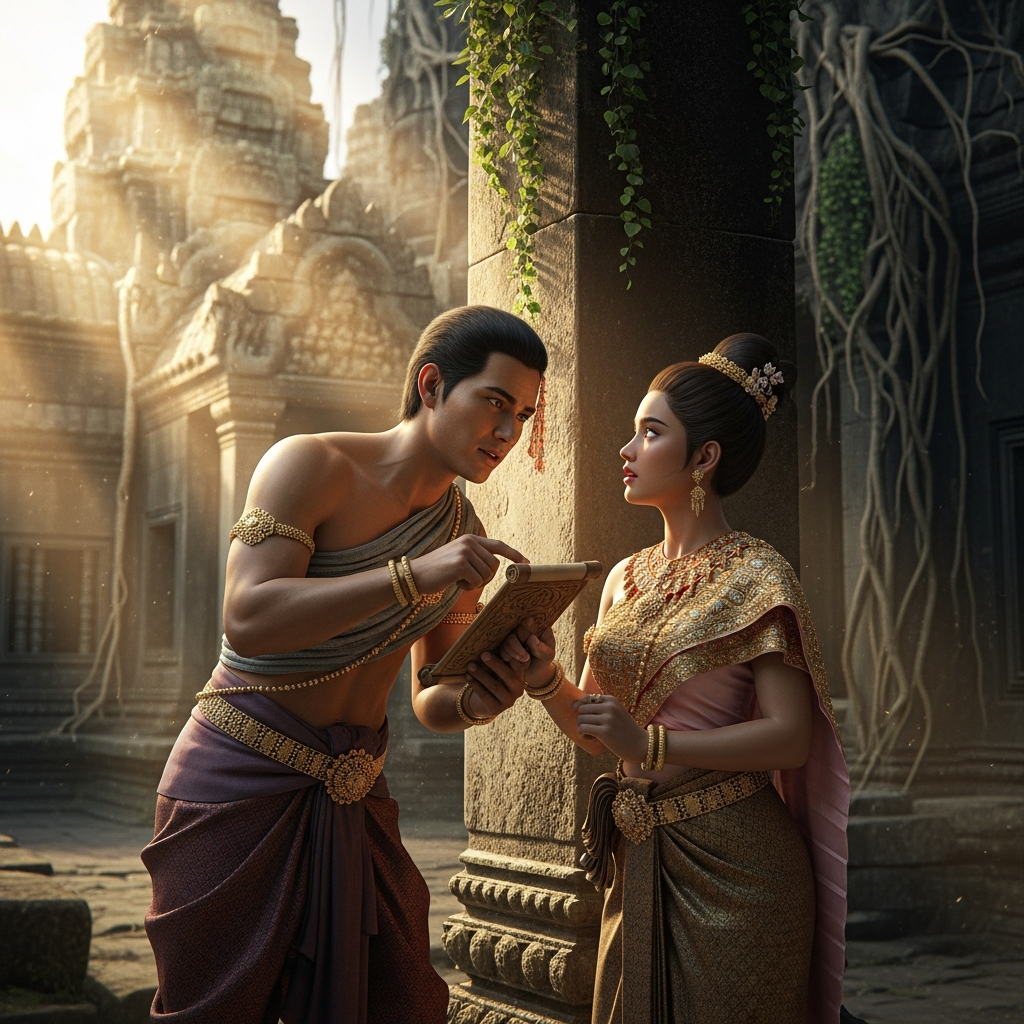
គំនិតផ្ដើមនៃសារលាក់កំបាំង
គំនិតផ្ដើមនៃសារលាក់កំបាំងដែលផុសចេញពីជម្រៅចិត្តរបស់សុធារិទ្ធ មិនមែនជាការសរសេរនៅលើក្រដាសស្លឹក ឬសំពត់ទេ ប៉ុន្តែជាការចារឹកទៅលើផ្ទាំងថ្មដ៏រឹងមាំ ដែលនឹងអាចឋិតថេររាប់រយឆ្នាំ។ ស្ថានភាពនយោបាយដែលហ៊ុមព័ទ្ធដោយការក្បត់ និងការសង្ស័យ បានបង្ខំឲ្យព្រះអង្គស្វែងរកវិធីសាស្ត្រមួយដែលហួសពីសមត្ថភាពនៃភ្នែកធម្មតាអាចមើលឃើញ ប៉ុន្តែត្រូវតែអាចយល់បានដោយកេសរមាលាតែម្នាក់គត់។ ព្រះអង្គបានដឹងយ៉ាងច្បាស់ថា សារណាដែលងាយមើលឃើញ គឺងាយនឹងត្រូវបំផ្លាញ ឬកែប្រែបំផុត។ ដូច្នេះហើយ ព្រះអង្គបានសម្រេចចិត្តប្រើប្រាស់ភាសានៃទេវរូប និងចម្លាក់លម្អនានា ដែលជាធាតុមិនអាចកាត់ផ្ដាច់បានពីស្ថាបត្យកម្មប្រាសាទនាសម័យនោះ ធ្វើជាគន្លឹះសម្រាប់ដោះសោអាថ៌កំបាំង។
សុធារិទ្ធអង្គុយនៅមុខផែនទីនៃទីក្រុងដ៏ធំធេង ដោយរៀបចំប្រព័ន្ធន័យវិទ្យា (Semiotic System) ដ៏ស្មុគស្មាញមួយ។ ព្រះអង្គបានជ្រើសរើសយកទេវតា និងនិមិត្តរូបដែលប្រជាជនទូទៅគោរពបូជា តែមានអត្ថន័យស្រទាប់ទីពីរសម្រាប់តែអ្នកដែលយល់ដឹងពីចំណងស្នេហ៍ និងកូដសម្ងាត់ផ្ទាល់ខ្លួនរបស់ពួកគេប៉ុណ្ណោះ។ ឧទាហរណ៍ នាគរាជប្រាំបួនក្បាល មិនមែនតំណាងឲ្យការការពារទឹកដីទេ តែតំណាងឲ្យការប្រជុំគ្នាទៅកាន់ទីតាំងសម្ងាត់មួយដែលលាក់ខ្លួននៅក្រោយរស្មីព្រះអាទិត្យរះនៅថ្ងៃពេញបូណ៌មី។ រីឯរូបចម្លាក់អប្សរាដែលរាំដោយដៃកាន់ផ្កាកុលាបកម្រ ត្រូវបានកំណត់ជាសញ្ញាបញ្ជាក់ពីភាពជាប់គាំង ឬគ្រោះថ្នាក់ដែលគំរាមកំហែងដល់ព្រះកាយរបស់ព្រះអង្គផ្ទាល់។ និមិត្តសញ្ញាគ្រុឌកំពុងចាប់នាគ មិនបានចង្អុលបង្ហាញពីជ័យជម្នះនៃទេវៈទេ តែវាជាសញ្ញាប្រាប់ឲ្យកេសរមាលាត្រូវបំបែកខ្លួនជាបន្ទាន់ ហើយធ្វើដំណើរតាមច្រកទ្វារខាងជើងនៃបរិវេណព្រះបរមរាជវាំង។
ការងារដ៏លំបាកបំផុតគឺការបញ្ចូលសារទាំងនេះទៅក្នុងការងារសាងសង់ជាក់ស្ដែង។ សុធារិទ្ធត្រូវតែប្រាស្រ័យទាក់ទងជាមួយមេជាងចម្លាក់ឯក ដោយពាក្យប្រៀបធៀប និងបញ្ឆិតបញ្ឆៀង។ ព្រះអង្គបានបញ្ជាឲ្យជាងឆ្លាក់នូវរូបភាពជាក់លាក់ ក្នុងលំដាប់លំដោយមួយដែលមើលទៅហាក់ដូចជាចៃដន្យ ឬជាការបំពេញបន្ថែមតាមលំនាំសិល្បៈសុទ្ធសាធ។ ព្រះអង្គបានសង្កត់ធ្ងន់លើការកែប្រែបន្តិចបន្តួចនៃទម្រង់មុខរបស់ទេវតា ឬការដាក់បញ្ចូលនូវសត្វតូចៗដែលមិនសមស្របនឹងរឿងនិទានដើម។ រូបភាពកណ្ដុរលាក់ខ្លួននៅពីក្រោយរូបភាពតោ គឺជាកូដសម្រាប់បញ្ជាក់ថា អ្នកយាមទ្វារមានការសង្ស័យ ហើយកំពុងតាមដានគ្រប់សកម្មភាព។ ភាពវៃឆ្លាតរបស់សុធារិទ្ធ គឺស្ថិតនៅក្នុងការបំប្លែងនូវការតុបតែងលម្អបែបសាសនាទៅជាអត្ថបទសម្ងាត់ដ៏ស៊ីជម្រៅ។
ព្រះអង្គបានជ្រើសរើសចម្លាក់ហោជាងនៃប្រាសាទតូចមួយដែលត្រូវបានកសាងឡើងដើម្បីឧទ្ទិសដល់ព្រះឥសូរ ដែលជាកន្លែងកេសរមាលាធ្លាប់ទៅបួងសួងញឹកញាប់បំផុត។ កេសរមាលា គឺជាអ្នកដែលសិក្សាពីសិលាចារឹកបុរាណ និងមានចំណេះដឹងយ៉ាងទូលំទូលាយអំពីរបៀបដែលនិមិត្តសញ្ញាផ្លាស់ប្តូរអត្ថន័យទៅតាមសម័យកាល។ ដូច្នេះ នាងមានសមត្ថភាពអាន ‘រវាងបន្ទាត់’ នៃផ្ទាំងចម្លាក់ថ្ម។ ផែនការរបស់សុធារិទ្ធ មិនមែនជាការផ្ញើសារតែមួយទេ តែជាការបង្កើតនូវ ‘សៀវភៅស្ថាបត្យកម្ម’ មួយដែលអាចផ្តល់ព័ត៌មានជាបន្តបន្ទាប់ តាមរយៈការកែប្រែ ឬការបន្ថែមចម្លាក់ថ្មីៗនៅពេលអនាគត។ ភាពរុងរឿងនៃសិល្បៈខ្មែរ បានក្លាយទៅជាសំបកខាងក្រៅដ៏ល្អឥតខ្ចោះដើម្បីលាក់បាំងនូវការសន្ទនាផ្ទាល់ខ្លួនមួយរវាងព្រលឹងពីរ។
ការរៀបចំផែនការនេះបានចំណាយពេលជាច្រើនសប្តាហ៍ ក្នុងការគណនាភាពត្រឹមត្រូវនៃមុំពន្លឺ ទីតាំងនៃស្រមោល និងរបៀបដែលភ្លៀងអាចហូរចុះទៅលើចម្លាក់ ដើម្បីបញ្ជាក់ពីអត្ថន័យ។ សារលាក់កំបាំងត្រូវតែអាចរស់រានមានជីវិតពីការត្រួតពិនិត្យរបស់សត្រូវដែលមើលឃើញតែភាពស្រស់ស្អាតនៃសិល្បៈប៉ុណ្ណោះ។ សុធារិទ្ធបានឆ្លុះបញ្ចាំងពីលទ្ធភាពដែលផែនការនេះអាចនឹងបរាជ័យ។ តើកេសរមាលានឹងយល់ពីភាពខុសគ្នានៃការចារឹកនាគធម្មតា និងនាគដែលមានស្រកាដាក់បញ្ច្រាសដែរឬទេ? តើនាងនឹងសម្គាល់ឃើញការរៀបចំដៃរបស់អប្សរាដែលខុសពីគំរូដើមដែរឬទេ? គាត់មានជំនឿយ៉ាងមុតមាំលើចំណងបញ្ញានិងស្មារតីដែលចងភ្ជាប់ពួកគេ។ សារដែលចារឹកដោយថ្មនេះ គឺជាការភ្នាល់ចុងក្រោយបង្អស់របស់ព្រះអង្គទៅលើសមត្ថភាពនៃការយល់ដឹងរបស់នាង និងភាពស្មោះត្រង់របស់ជាងចម្លាក់ដែលបានស្បថរក្សាការសម្ងាត់។ ភាពស្ងៀមស្ងាត់នៃទីធ្លាប្រាសាទ បានក្លាយទៅជាឃ្លាំងផ្ទុកនូវសម្ដីដែលមិនបាននិយាយ ហើយរង់ចាំតែភ្នែកដែលពោរពេញដោយសេចក្ដីស្រឡាញ់ប៉ុណ្ណោះមកបកស្រាយ។ នេះគឺជាការបង្កើតនូវសិល្បៈកូដសម្ងាត់ដ៏មហិមាបំផុតក្នុងប្រវត្តិសាស្ត្រនគរ ដែលរួមបញ្ចូលទាំងយុទ្ធសាស្ត្រ ការបូជា និងសេចក្តីស្នេហាដ៏បរិសុទ្ធមួយ។ ព្រះអង្គបានបញ្ចប់ផែនការ ដោយដកដង្ហើមធំនៃក្តីសង្ឃឹម និងការអត់ធ្មត់មិនចេះរីងស្ងួត។
The genesis of the hidden message, conceived in the deepest recesses of Sotharith’s strategic mind, was not a fleeting inscription upon parchment or silk, but an enduring script carved into the unyielding permanence of stone. Political circumstances, rife with betrayals and mounting suspicion, compelled him to seek a method of communication that transcended the capacity of ordinary sight, yet was perfectly intelligible only to Kesormala. He understood implicitly that the most visible messages were the most vulnerable to destruction or manipulation. Thus, he resolved to employ the existing vernacular of divine imagery and architectural ornamentation—elements inseparable from the temple architecture of that era—as the ultimate keys to unlocking their secrets.
Sotharith sat before the massive map of the capital, meticulously designing a complex semiotic system. He selected deities and symbols universally revered by the populace, assigning them a crucial second layer of meaning reserved exclusively for those privy to their private codes and intellectual bond. For instance, the nine-headed Naga, typically representing terrestrial protection or a cosmic bridge, was repurposed to signify a rendezvous point concealed behind the glow of the rising sun on a specific full moon night. Conversely, the depiction of an Apsara dancing, her hand holding a rare species of orchid, was designated as a marker indicating stasis or imminent personal danger threatening Sotharith himself. The ubiquitous symbol of the Garuda grappling with the Naga did not merely denote a mythical victory of the gods; it served as an urgent signal instructing Kesormala to execute an immediate breakout and proceed through the secluded northern gate of the royal complex.
The most challenging task was integrating these coded messages into the physical construction work. Sotharith had to communicate his requirements to the chief master sculptor (Chéang Chmlak Aek) solely through analogy and subtle indirection. He commissioned specific visual sequences, arranged in an order that appeared random or merely complementary to existing artistic motifs. He insisted on minor, seemingly insignificant variations in the facial expressions of minor deities, or the strategic insertion of small animals inappropriate to the standard narrative. A tiny mouse hiding just behind the colossal figure of a lion was the immediate code confirming that the gate guards were compromised, escalating their vigilance and surveillance. Sotharith’s ingenuity lay in transforming religious embellishment into a deeply layered, cryptographic text.
He chose the pediment carving of a minor temple consecrated to Shiva, a site where Kesormala frequently went for solitary devotion. Kesormala was known to be a scholar of ancient inscriptions (silacharék) and possessed profound knowledge regarding how symbolic meaning shifted across epochs. She therefore had the intellectual capacity to read ‘between the lines’ of the stone reliefs. Sotharith’s plan was not to transmit a single, static message, but to create an ‘architectural archive’ capable of conveying continuous updates through subtle alterations or the addition of new reliefs in the future. The aesthetic grandeur of Khmer artistry became the perfect camouflage, shielding a deeply personal conversation between two minds.
This planning phase spanned many weeks, demanding meticulous calculation of the light’s angle, the precise placement of shadows, and even how rainwater would track down the carvings to accentuate certain meanings at specific times of the year. The hidden message had to withstand the scrutiny of enemies who only possessed the capacity to appreciate surface beauty. Sotharith contemplated the potential for absolute failure. Would Kesormala truly differentiate between a standard Naga inscription and one whose scales were subtly carved in reverse orientation? Would she detect the slight variation in the Apsara’s hand positioning, deviating from the established aesthetic norm? He rested his certainty entirely upon the intellectual and spiritual affinity that bound them. This message, etched in stone, was his ultimate wager on her powers of deduction and the unwavering loyalty of the sculptors who had sworn an oath of absolute secrecy. The silent expanse of the temple courtyard became a repository of unspoken words, awaiting only the eye of deep affection to interpret them. This was the conception of the greatest artistic cryptography in the kingdom’s history, merging strategy, sacrifice, and pure, devoted love. He concluded his plan, breathing a long sigh filled with quiet hope and tireless patience.
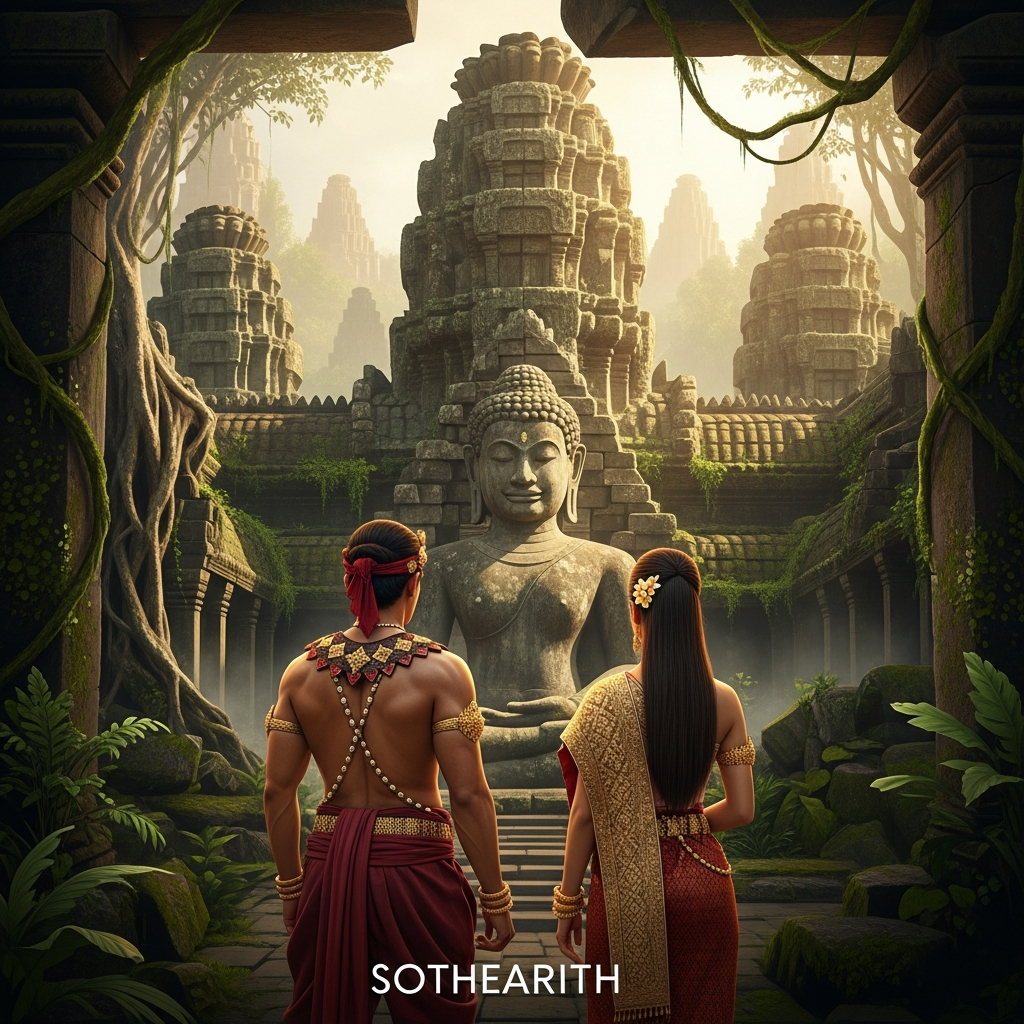
ព្រះពុទ្ធរូបដែលគ្មានពាក្យ
នៅក្នុងភាពឯកោនៃវត្ដអារាមបុរាណមួយ ដែលហ៊ុំព័ទ្ធដោយដើមជ្រៃរាប់សិបឆ្នាំ សុធារិទ្ធ បានលាក់ខ្លួនពីពិភពលោក។ គាត់មិនមែនជាឥសីដែលស្វែងរកការត្រាស់ដឹងនោះទេ ប៉ុន្តែជាជាងចម្លាក់ម្នាក់ដែលកំពុងស្វែងរកការបំភ្លេចនូវទុក្ខសោករបស់ខ្លួនតាមរយៈរូបរាង និងទម្រង់។ ជាងមួយទសវត្សរ៍ គាត់បានរស់នៅក្នុងភាពស្ងប់ស្ងាត់ជ្រាលជ្រៅ ដោយមានដៃដែលធ្លាប់តែឱបក្រសោបកេសរមាលា ឥឡូវនេះកាន់កាំបិត និងក្ដារសម្រាប់ឆ្លាក់នូវរូបព្រះដ៏ពិសិដ្ឋ។ រូបចម្លាក់របស់គាត់ល្បីល្បាញទូទាំងអាណាចក្រ មិនមែនដោយសារភាពល្អឥតខ្ចោះនៃបច្ចេកទេសតែប៉ុណ្ណោះទេ ប៉ុន្តែដោយសារថាមពលដែលមិនអាចពន្យល់បានដែលហូរចេញពីថ្មនីមួយៗ។ ទោះជាយ៉ាងណាក៏ដោយ គ្មាននរណាម្នាក់ដឹងថា ភាពស្ងប់ស្ងាត់ដែលគាត់បានឆ្លាក់ចូលទៅក្នុងព្រះភ័ក្ត្រនៃព្រះពុទ្ធនោះ គឺជាភាពស្ងប់ស្ងាត់ក្លែងក្លាយ ដែលជាការបិទបាំងនូវភាពច្របូកច្របល់ដ៏មហិមាដែលកកស្ទះនៅក្នុងសរសៃឈាមរបស់គាត់ឡើយ។
ថ្ងៃនេះ សុធារិទ្ធ កំពុងធ្វើការលើបំណែកថ្មភក់ដ៏កម្រមួយដុំ ដែលមានទំហំធំ និងមានសភាពដូចថ្មភ្នំ។ វាជាការងារចម្លាក់ព្រះពុទ្ធរូបមេត្តាធំជាងគេបំផុតដែលគាត់ធ្លាប់បានធ្វើ។ តាមទំនៀមទម្លាប់ ព្រះពុទ្ធរូបត្រូវតែមានទឹកមុខញញឹមស្រស់ថ្លា ភ្នែកទម្លាក់ចុះដោយសេចក្ដីមេត្តា និងការត្រាស់ដឹង។ ប៉ុន្តែនៅពេលដែល សុធារិទ្ធ ចាប់ផ្ដើមឆ្លាក់ព្រះភ័ក្ត្រនោះ ដៃរបស់គាត់បានដឹកនាំដោយការចងចាំដ៏ឈឺចាប់មួយ។ ការចងចាំនៃថ្ងៃដែល កេសរមាលា បានបាត់ខ្លួនពីជីវិតរបស់គាត់ ដោយសារតែការយល់ច្រឡំ និងមោទនភាពល្ងង់ខ្លៅដែលមិនអនុញ្ញាតឱ្យពួកគេនិយាយពាក្យពិត។ គាត់បានបាត់បង់ភាសារបស់ខ្លួនជាមួយនាង ដូចជាការបាត់បង់សោទៅកាន់ផ្ទះបេះដូងរបស់គាត់។
ជំនួសឱ្យភាពស្ងប់ស្ងាត់ដ៏បរិសុទ្ធដែលគេរំពឹងទុក សុធារិទ្ធ បានឆ្លាក់នូវភាពទុក្ខព្រួយដែលមិនអាចនិយាយបាន។ គាត់បានដាក់ស្នាមបន្តិចបន្តួចនៅជ្រុងមាត់ខាងស្ដាំ—វាស្ទើរតែមើលមិនឃើញ ដោយមើលទៅដូចជាស្រមោលឆ្លងកាត់ផ្ទៃមុខ។ ភ្នែកនៅតែទម្លាក់ចុះ ប៉ុន្តែមិនមែនដោយមេត្ដាធម៌ទាំងស្រុងនោះទេ តែដោយការលាក់បាំង។ វាគឺជាការលាក់បាំងនូវការសោកស្ដាយដែលគាត់បានព្យាយាមកប់អស់រយៈពេលជាច្រើនឆ្នាំ។ នេះគឺជា ‘ទឹកមុខក្រៀមក្រំជាក់លាក់’ ដែលគាត់ដឹងថាមានតែ កេសរមាលា ប៉ុណ្ណោះដែលអាចទទួលស្គាល់បាន។ វាជាកាយវិការដែលពួកគេបានចែករំលែកជាសម្ងាត់នៅពេលដែលជីវិតបានបង្ខំឱ្យពួកគេញញឹម នៅពេលដែលខាងក្នុងរបស់ពួកគេកំពុងយំ។ រូបភាពនៃព្រះភ័ក្ត្រនេះ មិនមែនជាការឆ្លុះបញ្ចាំងពីភាពបរិសុទ្ធដ៏ទេវភាពនោះទេ ប៉ុន្តែជាការឆ្លុះបញ្ចាំងពីការឈឺចាប់ផ្ទាល់ខ្លួនរបស់គាត់។ រូបចម្លាក់នេះគឺជាសំបុត្រដែលគ្មានពាក្យរបស់គាត់។
ពេលវេលាកន្លងផុតទៅ ហើយព្រះពុទ្ធរូបដែលគ្មានពាក្យត្រូវបានបញ្ចប់ ហើយត្រូវបានតម្កល់នៅវិហារធំនៃក្រុង។ កិត្តិនាមរបស់សុធារិទ្ធ កើនឡើងខ្ពស់ ប៉ុន្តែគាត់នៅតែមិនព្រមចាកចេញពីភាពឯកោរបស់ខ្លួន។ គាត់បានបញ្ចប់ការបញ្ជូនសាររបស់គាត់ ហើយអ្វីដែលនៅសល់គឺរង់ចាំអ្នកទទួលសារ។
ប៉ុន្មានខែក្រោយមក កេសរមាលា ដែលឥឡូវនេះជាអ្នកធ្វើដំណើរធម្មតា បានត្រឡប់មកក្រុងកំណើតរបស់នាងវិញ។ នាងបានឮពីរូបចម្លាក់ដ៏អស្ចារ្យនោះ ហើយដោយការចង់ដឹងចង់ឃើញក៏បានទៅទស្សនាវិហារ។ នៅពេលដែលនាងឈរនៅមុខព្រះពុទ្ធរូបមេត្តាធំនោះ ហ្វូងមនុស្សបានមើលឃើញភាពរុងរឿង និងសន្តិភាព។ ប៉ុន្តែ កេសរមាលា បានមើលឃើញលើសពីផ្ទៃ។ នាងបានឃើញភាពត្រជាក់នៃថ្មដែលត្រូវបានបំបែកដោយភាពកក់ក្ដៅនៃទុក្ខព្រួយរបស់មនុស្ស។ ភ្នែករបស់នាងបានចាប់ផ្ដើមស្វែងរក—ជាដំបូង ភាពល្អឥតខ្ចោះនៃកាយវិការ បន្ទាប់មក ភាពមិនល្អឥតខ្ចោះដែលលាក់កំបាំង។
ហើយបន្ទាប់មក នាងក៏បានរកឃើញវា។ ស្នាមជាំដ៏តូចមួយនោះ នៅជ្រុងមាត់ខាងស្ដាំ ដូចជាការញញឹមដែលត្រូវបានបង្ខំឱ្យបាត់ទៅវិញដោយការឈឺចាប់ភ្លាមៗ។ នាងបានដឹងថា ការបង្ហាញទឹកមុខនេះមិនមែនជាលក្ខណៈនៃព្រះដ៏បរិសុទ្ធនោះទេ ប៉ុន្តែជារបស់ សុធារិទ្ធ។ វាគឺជាការឈឺចាប់ដែលនាងធ្លាប់បានព្យាយាមសម្រាលនៅពេលដែលពួកគេនៅជាមួយគ្នា—ទុក្ខសោករបស់គាត់ដែលគាត់មិនអាចបញ្ចេញជាពាក្យសម្ដីបាន។ នាងបានចាំពីពេលមួយដែលគាត់បានព្យាយាមលួងលោមនាង បន្ទាប់ពីមានការបាត់បង់ដ៏ធំមួយ ប៉ុន្តែខ្លួនគាត់ក៏ពោរពេញទៅដោយការឈឺចាប់រហូតដល់មិនអាចនិយាយបាន។ ពេលនោះហើយដែលគាត់បានធ្វើកាយវិការនេះ៖ ទឹកមុខស្រស់ថ្លានៅខាងក្រៅ តែសោកសង្រេងនៅខាងក្នុង។
ដង្ហើមរបស់ កេសរមាលា ស្ទើរតែឈប់។ នាងមិនបានឃើញព្រះពុទ្ធរូបនោះទេ នាងបានឃើញ សុធារិទ្ធ។ ព្រះពុទ្ធរូបនេះបានក្លាយជាកញ្ចក់ឆ្លុះបញ្ចាំងពីព្រលឹងរបស់គាត់។ ជាងចម្លាក់បានបដិសេធមិនប្រើពាក្យសំដី ប៉ុន្តែបានសារភាពនូវអ្វីគ្រប់យ៉ាងដែលពួកគេត្រូវការដឹងទៅកាន់គ្នាទៅវិញទៅមកតាមរយៈភាពគ្មានសំឡេងនៃថ្ម។ គាត់បានដាក់ការសុំអភ័យទោសរបស់គាត់ ការលះបង់របស់គាត់ និងសេចក្ដីស្រឡាញ់របស់គាត់ដែលនៅតែមានជីវិត ទៅក្នុងភ្នែកដ៏ទាបរបស់រូបសំណាក។ នាងបានដឹងថា ការបែកគ្នាដែលពួកគេបានជួបប្រទះ មិនមែនជាទីបញ្ចប់នោះទេ។ វាគ្រាន់តែជាការផ្អាកមួយ។
កេសរមាលា មិនបាននិយាយអ្វីទៅកាន់នរណាម្នាក់អំពីការយល់ដឹងរបស់នាងនោះទេ។ នាងបានចាកចេញពីវិហារនោះភ្លាមៗ ដោយដឹងពីកន្លែងដែលនាងត្រូវទៅ។ នាងបានដើរត្រឡប់ទៅរកភាពឯកោរបស់ សុធារិទ្ធ វិញ ដោយយកការយល់ដឹងថ្មីមួយអំពីភាសានៃភាពស្ងៀមស្ងាត់។ ពេលដែលនាងទៅដល់មាត់ទ្វារបន្ទប់របស់គាត់ គាត់កំពុងឈរក្បែរផ្ទាំងថ្មថ្មីមួយ។ សុធារិទ្ធ ងាកមករកនាង ទឹកមុខរបស់គាត់ស្រស់ថ្លា។ គាត់មិនភ្ញាក់ផ្អើលទេ ដូចជាគាត់បានដឹងថា ការឆ្លើយតបនឹងសារដែលឆ្លាក់របស់គាត់នឹងមកដល់។
«តើអ្នកបានឃើញទេ?» សុធារិទ្ធ សួរដោយសំឡេងស្អក ដោយសំដៅទៅលើព្រះពុទ្ធរូប។
កេសរមាលា ងក់ក្បាល។ «ខ្ញុំបានឃើញស្នាមញញឹមដែលឈឺចាប់»។
ហើយនៅក្នុងការយល់ដឹងទៅវិញទៅមកដ៏សាមញ្ញនោះ រាល់ការយល់ច្រឡំ គ្រប់ពាក្យដែលមិនបាននិយាយអស់រយៈពេលជាច្រើនឆ្នាំ ត្រូវបានរំលាយចោល។ ភាសាសំខាន់បំផុត មិនមែនជាភាសាដែលបញ្ចេញដោយបបូរមាត់នោះទេ ប៉ុន្តែជាភាសាដែលឆ្លាក់ចេញពីជម្រៅនៃបេះដូង។ ភាពស្ងៀមស្ងាត់របស់ពួកគេលែងជាជញ្ជាំងទៀតហើយ ប៉ុន្តែជាស្ពានដែលស្ថាបនាឡើងវិញដោយការឈឺចាប់ និងសិល្បៈ។ ព្រះពុទ្ធរូបដែលគ្មានពាក្យ បាននិយាយនូវសេចក្ដីពិតដ៏ជ្រាលជ្រៅបំផុត។
In the isolation of an ancient pagoda, surrounded by decades-old banyan trees, Sotharith sequestered himself from the world. He was not an ascetic seeking enlightenment, but a sculptor seeking oblivion from his own grief through form and substance. For over a decade, he lived in profound silence, his hands—which once held Kesormala—now wielding chisels and gauges upon sacred deities. His sculptures were renowned across the kingdom, not just for their technical perfection, but for the inexplicable power that emanated from every stone. Yet, none knew that the serenity he carved into the faces of the Buddhas was a manufactured calm, a veneer covering the enormous turmoil festering in his veins.
Today, Sotharith was working on a rare piece of sandstone, massive and monolithic. It was to be the largest carving of the Buddha of Compassion he had ever undertaken. By tradition, the Buddha’s face must embody absolute placidity, the eyes downcast with transcendent mercy and enlightenment. But as Sotharith began to sculpt the features, his hand was guided by a searing memory. The memory of the day Kesormala disappeared from his life, due to misunderstandings and a foolish pride that prevented them from speaking the crucial, true words. He had lost his language with her, like losing the key to the very home of his heart.
Instead of the pure, expected tranquility, Sotharith carved an unspeakable sorrow. He placed a subtle indentation at the corner of the right side of the mouth—barely perceptible, looking like a shadow passing across the surface. The eyes remained downcast, but not entirely in benevolence; they were shielded. They shielded the regret he had tried to bury for years. This was the ‘specific mournful expression’ that he knew only Kesormala could recognize. It was a gesture they had secretly shared when life forced them to smile while their insides wept. The image of this countenance was not a reflection of divine purity, but a mirroring of his own excruciating, personal pain. The sculpture was his voiceless letter.
Time passed, and the Silent Buddha was completed and enshrined in the city’s grand temple. Sotharith’s fame soared, but he remained steadfast in his solitude. He had completed the transmission of his message; all that remained was to await the recipient.
Months later, Kesormala, now a seasoned traveler, returned to her native city. She heard of the magnificent sculpture and, curious, visited the sanctuary. As she stood before the colossal Buddha of Compassion, the masses saw glory and peace. But Kesormala saw beyond the surface. She saw the coldness of the stone broken by the warmth of human anguish. Her eyes began to search—first for the perfection of the form, then for the hidden imperfection.
And then, she found it. That tiny indentation, at the right corner of the mouth, like a smile that had been forcefully suppressed by sudden pain. She knew instantly that this expression was not characteristic of the divine, but of Sotharith. It was the pain she had tried to soothe when they were together—his sorrow that he could not articulate. She recalled a time he tried to comfort her after a great loss, yet was so consumed by his own pain that he was rendered mute. It was then he made that exact gesture: placid on the exterior, yet utterly mournful within.
Kesormala’s breath hitched. She was not seeing the Buddha; she was seeing Sotharith. The statue had become the mirror of his soul. The sculptor had refused to use words, yet had confessed everything they needed to know to each other through the very silence of the stone. He had placed his apology, his penance, and his enduring love into the low gaze of the effigy. She realized that the separation they endured was not an end. It was merely a pause.
Kesormala spoke nothing of her realization to anyone. She left the temple immediately, knowing exactly where she had to go. She walked back towards Sotharith’s isolation, armed with a new understanding of the language of silence. When she reached the doorway of his chamber, he was standing beside a fresh slab of stone. Sotharith turned toward her, his face serene. He was not surprised, as if he had known that the answer to his carved message would arrive.
“Did you see it?” Sotharith asked, his voice hoarse, referring to the statue.
Kesormala nodded. “I saw the painful smile.”
And in that simple, shared recognition, every misunderstanding, every unspoken word of years, was dissolved. The most crucial language was not the one spoken by the lips, but the one carved from the depths of the heart. Their silence was no longer a wall, but a bridge reconstructed by pain and artistry. The Silent Buddha had spoken the profoundest truth.

ផ្កាក្រវាន់លាក់ក្នុងក្បាច់ផ្ដុំ
ក្រោមរស្មីព្រះអាទិត្យរៀបអស្តង្គត ដែលចាំងឆ្លុះលើផ្ទៃប្រាសាទបុរាណនាពេលល្ងាច សុធារិទ្ធ បានលូកដៃអង្អែលថ្មភក់ដែលផ្ទុកនូវរឿងនិទានរាប់សតវត្សរ៍។ គាត់មិនមែនជាអ្នកបុរាណវិទ្យាធម្មតាទេ តែជាអ្នកស្វែងរកភាសាស្ងាត់ស្ងៀមនៃដូនតា ដែលឆ្លាក់នៅក្នុងក្បាច់លម្អិតស្មុគស្មាញ។ ភ្នែករបស់គាត់មុតស្រួច រកមើលចំណុចដាច់ស្រយាលមួយ ជ្រុងដែលគេមើលរំលងជាយូរមកហើយ ជ្រុងដែលត្រូវនឹងគំនូរផ្ដុំនៃរឿងនិទានរាមកេរ្តិ៍ និងទេវកថានៃព្រហ្មញ្ញសាសនា។ ការរិះគិតរបស់គាត់បានផ្តោតលើភាពផ្ទុយគ្នារវាងទំហំដ៏មហិមារបស់សំណង់ និងភាពតូចល្អិតនៃអាថ៌កំបាំងដែលលាក់កំបាំងនៅចន្លោះថ្នេរនៃថ្មនីមួយៗ។ គាត់បានដើរឆ្លងកាត់រានហាលដែលបាក់បែក រហូតដល់គាត់ឈានដល់ទីតាំងដែលគាត់បានសង្ស័យ—ជ្រុងខាងលិចឆៀងខាងត្បូងនៃវិចិត្រសាលទីបី—កន្លែងដែលពន្លឺព្រះចន្ទពេញបូរមីនឹងប៉ះតែមួយវិនាទីក្នុងមួយឆ្នាំប៉ុណ្ណោះ។
ក្បាច់ផ្ដុំនេះមានភាពស្មុគស្មាញហួសពីការស្មាន ដោយមានរូបគំនិតរបស់នាងអប្សរា ដែលកំពុងរាំរបាំដ៏វិសេសវិសាល លាយឡំជាមួយនឹងរូបភាពនៃសត្វគ្រុឌ និងនាគរាជ។ អ្នកជំនាញភាគច្រើនបានកត់ត្រាវាជា «លំនាំធម្មតា» ប៉ុន្តែ សុធារិទ្ធ ដឹងថា ភាពធម្មតានោះជាការបិទបាំងដ៏ល្អបំផុត។ គាត់បានចាប់ផ្តើមសម្អាតកម្ទេចកំទេច និងស្លែដែលដុះជាប់នឹងថ្ម ដោយប្រើជក់សរសៃសេះដែលទន់បំផុត។ ក្នុងភាពស្ងប់ស្ងាត់ មានតែសូរសំឡេងខ្យល់បក់មកពីវាលស្រែប៉ុណ្ណោះដែលឮ។ នៅពេលដែលភាពកខ្វក់ត្រូវបានដកចេញជាស្រទាប់ៗ រូបភាពនៃផ្កាមួយបានលេចចេញមក ផ្កាមិនមែនជាផ្កាឈូកតំណាងឱ្យព្រះ ឬផ្កាចម្ប៉ាដែលតំណាងឱ្យស្នេហានោះទេ តែជាផ្កាក្រវាន់ (Michelia champaca) ដែលមានទំហំតូចល្អិត ហើយត្រូវបានបញ្ចូលទៅក្នុងខ្សែបន្ទាត់កណ្តាលនៃក្បាច់ទ្រនាប់ជើងរបស់អប្សរាមួយអង្គដែលគ្មានឈ្មោះ។
ផ្កាក្រវាន់លាក់ក្នុងក្បាច់ផ្ដុំ គឺជាកូដសម្ងាត់។ ផ្កានេះមានអត្ថន័យទ្វេរ៖ ភាពបរិសុទ្ធដែលមិនអាចបំផ្លាញបាន និងការចងចាំដ៏ផុយស្រួយ។ វាជាសញ្ញាសម្គាល់ដែលបញ្ជាក់ពីទីតាំងពិតនៃ «ឃ្លាំងគំនិត» ដែលជាងចម្លាក់ជំនាន់នោះបានបង្កប់នូវទស្សនវិជ្ជា ឬសារនយោបាយដែលពួកគេមិនអាចបញ្ចេញជាសាធារណៈ។ តាមរយៈការដាក់ផ្កាក្រវាន់នៅទីនោះ ពួកគេបានបង្ហាញថា «នៅកន្លែងនេះ ក្រៅពីភាពស្រស់ស្អាតដែលយើងបង្ហាញ មានការពិតមួយដែលយើងចង់រក្សាទុក»។ សុធារិទ្ធ បានដកដង្ហើមវែងៗ គាត់មានអារម្មណ៍ថា ចិត្តគំនិតរបស់ជាងចម្លាក់បុរាណបានភ្ជាប់មកជាមួយគាត់តាមរយៈសិល្បៈនេះ។ គាត់បានផ្ទៀងផ្ទាត់ការទស្សន៍ទាយរបស់គាត់តាមរយៈការវាស់ស្ទង់សមាមាត្រធរណីមាត្រនៃផ្កានេះធៀបនឹងកម្ពស់សរុបនៃផ្ទាំងគំនូរ។ លទ្ធផលបានបង្ហាញពីសមាមាត្រមាស ដែលជាលេខដែលត្រូវបានប្រើដើម្បីកំណត់ផ្នែកសំខាន់បំផុតនៅក្នុងសំណង់ខ្មែរ។
កេសរមាលា ជាសហការី និងជាអ្នកឯកទេសខាងការសរសេរអក្សរចារឹក បានមកដល់នៅពេលព្រលប់។ នាងបានកាន់ចង្កៀងប្រេងតូចមួយ ដែលពន្លឺរបស់វាធ្វើឲ្យស្រមោលរត់ពាសពេញជញ្ជាំង។ នាងមានការគោរពចំពោះភាពវៃឆ្លាតរបស់ជាងចម្លាក់បុរាណ ដែលចេះរក្សាអាថ៌កំបាំងក្នុងទីតាំងច្បាស់លាស់តែងាយនឹងបាត់បង់ការចាប់អារម្មណ៍។ សុធារិទ្ធ បានចង្អុលបង្ហាញក្បាច់ផ្កាក្រវាន់នោះទៅនាង។ នាងបានលុតជង្គង់មើលវាដោយយកចិត្តទុកដាក់។ “ផ្កាក្រវាន់? វាជាការបដិសេធដ៏ស្ងៀមស្ងាត់មួយចំពោះនិមិត្តសញ្ញាដែលគ្រប់គ្រង” កេសរមាលា បាននិយាយដោយសំឡេងខ្សឹបខ្សៀវ។ “ពួកគេបានជ្រើសរើសផ្កាដែលមិនមានឋានៈធំដុំក្នុងពិធីបុណ្យផ្លូវការ តែជាផ្កាដែលពោរពេញដោយក្លិនក្រអូបឈ្ងុយឆ្ងាញ់ ជាសញ្ញាថា គុណតម្លៃពិតប្រាកដគឺស្ថិតនៅក្នុងខ្លឹមសារ មិនមែននៅក្នុងការបង្ហាញខាងក្រៅទេ។ ហើយសំខាន់បំផុត ការដាក់ផ្កានេះនៅក្រោមជើងអប្សរា គឺជាការប្រកាសពីភាពរាបទាបរបស់ជាងចម្លាក់ផ្ទាល់”។
សារដ៏ជ្រាលជ្រៅនោះ ត្រូវបានរកឃើញនៅពីក្រោមបន្ទះថ្មដែលរហែកបន្តិច ដែលនៅពីក្រោយក្បាច់ផ្កាក្រវាន់នោះ។ វាជាបន្ទះថ្មបាយក្រៀមតូចមួយ មិនមែនជាថ្មភក់ដែលប្រើសម្រាប់ចម្លាក់ធំៗនោះទេ។ ការរចនាផ្ដុំនៃផ្ទាំងគំនូរបានប្រើប្រាស់លំនាំដែលគេហៅថា «ក្បាច់ថ្នេររន្ទះ» ដើម្បីនាំភ្នែកអ្នកមើលឱ្យងាកចេញពីចំណុចនោះ។ សុធារិទ្ធ និង កេសរមាលា បានចំណាយពេលពេញមួយយប់ដើម្បីដកបន្ទះថ្មនោះចេញដោយប្រុងប្រយ័ត្នបំផុត ដោយប្រើឧបករណ៍ដែលធ្វើពីឈើទន់ដើម្បីជៀសវាងការបំផ្លាញ។ នៅពីក្រោយវា មានការចារឹកយ៉ាងខ្លីមួយ ដែលសរសេរដោយដៃផ្សេងពីអក្សរផ្លូវការ។ វាមិនមែនជាកំណប់ទ្រព្យរូបិយវត្ថុទេ តែជាការចងចាំដ៏ឈឺចាប់។ អត្ថន័យរបស់វាគឺ៖ «យើងបានកសាងភាពអស្ចារ្យដើម្បីជាកិត្តិយសដល់មនុស្ស។ ប៉ុន្តែនៅពេលដែលព្រលឹងត្រូវបានបាត់បង់ ការអស្ចារ្យនេះក៏គ្រាន់តែក្លាយជាស្រមោលប៉ុណ្ណោះ។ កុំភ្លេចឫសគល់ដែលចិញ្ចឹមយើង»។
នេះគឺជាការតវ៉ារបស់សិល្បករប្រឆាំងនឹងការហួសហេតុនៃភាពរុងរឿងរបស់អាណាចក្រ។ ពួកគេបានឃើញការចាប់ផ្តើមនៃការចុះខ្សោយនៃគុណធម៌ ហើយបានលាក់ការព្រមាននេះនៅក្នុងស្នាដៃដែលពួកគេបានបង្កើតឡើង។ ផ្កាក្រវាន់មិនគ្រាន់តែជានិមិត្តសញ្ញានៃទីតាំងនោះទេ វាជាការបង្ហាញពីការសោកស្តាយ និងក្តីសង្ឃឹម។ វាជាកេរដំណែលដែលត្រូវបានផ្ទេរតាមរយៈសិល្បៈ មិនមែនតាមរយៈការបង្រៀនផ្លូវការទេ។ កេសរមាលា បានសរសេរចម្លងអក្សរចារឹកនោះដោយទឹកមុខស្រងូតស្រងាត់។ នាងបានកោតសរសើរចំពោះភាពប៉ិនប្រសប់ក្នុងការប្រើប្រាស់លំហ និងរូបភាពដើម្បីបញ្ជូនសេចក្តីពិតដ៏គ្រោះថ្នាក់។ សុធារិទ្ធ បានដាក់បន្ទះថ្មនោះចូលកន្លែងដើមវិញដោយការគោរពបំផុត។ ពួកគេដឹងថា ការរកឃើញនេះមិនមែនសម្រាប់បោះពុម្ពផ្សាយជាសាធារណៈភ្លាមៗនោះទេ តែជាបន្ទុកមួយដែលត្រូវចែករំលែកសម្រាប់ការយល់ដឹងស៊ីជម្រៅអំពីអរិយធម៌ខ្មែរ។ ការលាក់បាំងដ៏ប៉ិនប្រសប់នេះបង្ហាញថា សូម្បីតែនៅក្នុងយុគសម័យនៃអំណាចដ៏កំពូល ក៏មានសំឡេងតូចៗដែលប្រាថ្នាចង់បានភាពសុចរិតនិងភាពស្មោះត្រង់។ ការសិក្សាអំពីក្បាច់ផ្ដុំត្រូវតែហួសពីការកំណត់អត្តសញ្ញាណទេវតា និងព្រះ ហើយឈានដល់ការយល់ដឹងអំពីអារម្មណ៍របស់មនុស្សដែលលាក់នៅពីក្រោយថ្ម។ ពួកគេបានចាកចេញពីប្រាសាទនៅពេលដែលពន្លឺដំបូងនៃថ្ងៃរះបានប៉ះថ្ម ហើយបន្សល់ទុកនូវផ្កាក្រវាន់ដែលបានលាក់បាំងទុកជានិរន្តរ៍ ដោយរង់ចាំអ្នកសញ្ជឹងគិតបន្ទាប់។ ភាពស្រស់ស្អាតពិតប្រាកដគឺស្ថិតនៅក្នុងការសន្ទនាដែលមិនចេះចប់រវាងមនុស្សជំនាន់មុន និងអ្នកដែលសិក្សាវប្បធម៌នាពេលបច្ចុប្បន្ន។
Under the pale orange light of the setting sun, casting long shadows across the ancient temple complex, Sotharith ran his hand over the sandstone, a surface layered with centuries of narrative. He was not a typical archaeologist but a seeker of the silent language of the ancestors, inscribed within the labyrinthine intricacies of the decorative motifs. His gaze was sharp, searching for an aberration, a long-forgotten nook, a corner that contrasted subtly with the grand tapestry of the Ramayana and Brahmanic mythologies. His contemplation centered on the paradox between the colossal scale of the construction and the microscopic secrecy embedded within the seams of every stone block. He traversed broken galleries until he reached the suspected location—the southwest corner of the third enclosure—a place kissed by the light of the full moon for only a fleeting second annually.
The carving, known as the *kbach pdom* (intricate cluster pattern), was dizzyingly complex, featuring rows of Apsaras performing transcendent dances, interspersed with iconography of Garudas and Nagas. Most scholars cataloged this section merely as ‘typical frieze ornamentation,’ but Sotharith knew that normalcy was often the perfect camouflage. He began meticulously clearing the accumulated debris and moss using the softest horsehair brush. In the profound quietude, only the rustle of wind sweeping over the distant rice fields could be heard. As the grime was lifted layer by layer, the image of a flower emerged. It was neither the sacred lotus representing the deities nor the Champa flower symbolizing royal love, but the delicate Krâvan flower (White Cheesewood), rendered minutely and incorporated into the central band of the pedestal beneath an anonymous Apsara.
The hidden Krâvan flower was a cryptographic signature. This flower carried dual meanings: indestructible purity and fragile remembrance. It was the precise marker indicating the ‘conceptual repository’ where the sculptors of that era had embedded a philosophical or political message they could not articulate publicly. By placing the Krâvan there, they signaled: ‘Here, beneath the beauty we showcase, resides a truth we must preserve.’ Sotharith inhaled deeply, feeling the consciousness of the ancient artisan commune connecting with him through this subtle artistic decision. He verified his hypothesis by measuring the geometric proportion of the flower relative to the total height of the panel. The result aligned with the golden ratio, a number used to delineate crucial segments in Khmer construction, confirming its intentionality.
Kesormala, his colleague and an expert in epigraphy, arrived as twilight deepened. She carried a small oil lamp, its flickering light animating the shadows across the walls. She held profound respect for the sophistication of the ancient carvers who knew how to hide secrets in plain sight. Sotharith pointed out the Krâvan motif. She knelt, examining it closely. “The Krâvan? It is a silent repudiation of the dominant iconography,” Kesormala murmured, her voice barely a whisper. “They chose a flower that holds no high ritual status but is potent in its intoxicating scent—a sign that true value lies in essence, not in external display. Crucially, placing it beneath the Apsara’s feet is a statement of the artisans’ own inherent humility and reverence for what is overlooked.”
The profound message was located beneath a slightly cracked and frayed stone tile immediately behind the Krâvan motif. It was a small block of laterite, distinct from the sandstone used for the major carvings. The *kbach pdom* pattern surrounding it had utilized a specific interlocking design, often called the ‘lightning seam technique,’ designed to draw the viewer’s eye away from that precise juncture. Sotharith and Kesormala spent the entire night carefully extracting the stone tile, using soft wooden tools to avoid any damage. Behind it lay a brief, deeply personal inscription, written in a hand different from the official royal scripts. It was not a monetary treasure but a painful memory. Its meaning read: “We built this grandeur in honor of men. But when the soul is lost, the grandeur becomes merely a shadow. Do not forget the roots that nourish us.”
This was the artists’ protest against the hyperbole of imperial glory. They had witnessed the nascent stages of moral erosion and concealed this warning within the very monuments they erected. The Krâvan was not just a symbolic placeholder; it was an encapsulation of sorrow and enduring hope. It was a legacy transferred through artistic language, not through formal doctrine. Kesormala meticulously copied the inscription with a somber expression. She admired the ingenuity of using space and imagery to transmit a dangerous truth. Sotharith respectfully returned the small laterite slab to its original position. They understood that this discovery was not for immediate public dissemination but a stewardship burden, vital for a deeper, more nuanced comprehension of Khmer civilization. This masterful act of concealment demonstrated that even during periods of peak power, there were minor voices yearning for integrity and authenticity. The study of the *kbach pdom* must now extend beyond the identification of gods and devatas to encompass the emotional landscape of the humans hidden behind the stone. They departed the temple as the first rays of dawn touched the stone, leaving the Krâvan perpetually hidden, awaiting the next contemplative observer. True beauty resides in the unending conversation between the preceding generation and those who currently interpret the culture.
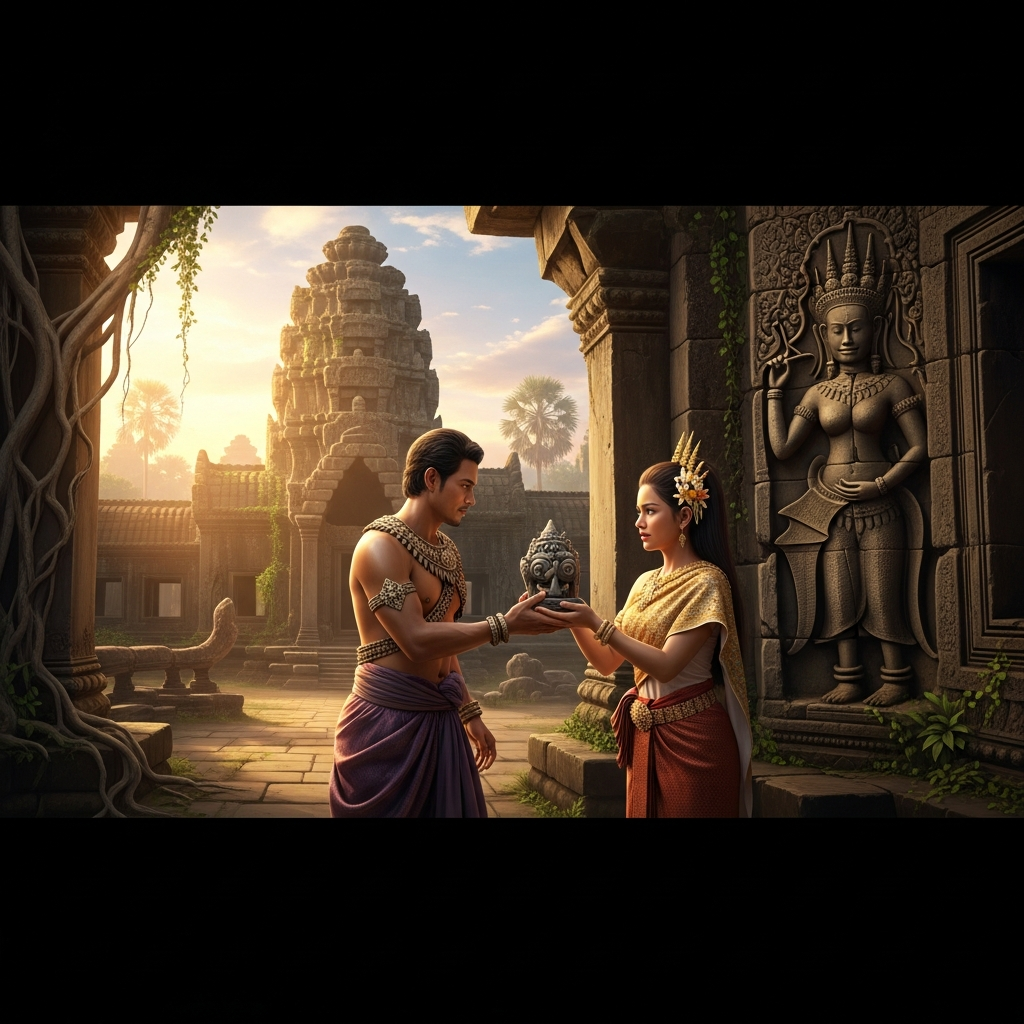
ការបញ្ជូនបន្តតាមរយៈអ្នកដំណើរ
សុធារិទ្ធអង្គុយនៅកៀនជ្រុងនៃខ្ទមតូចមួយ ដែលមានដំបូលប្រក់ស្លឹកត្នោតចាស់ៗ ស្ថិតនៅក្បែរកំពង់ផែស្ងាត់មួយ ឆ្ងាយដាច់ស្រយាលពីភូមិដ្ឋាននានា។ ខ្យល់រាត្រីបានបក់ផាត់នាំមកនូវក្លិនដីសើម និងក្លិនផ្កាក្រវ៉ាន់ពីក្នុងព្រៃជ្រៅ។ គាត់បានបញ្ចប់ការងារដ៏លំបាកបំផុតរបស់គាត់ គឺការកត់ត្រា និងចងក្រងនូវសក្ខីកម្មនានាអំពីព្រឹត្តិការណ៍នៃភាពអយុត្តិធម៌ដែលបានកើតឡើងក្នុងរយៈពេលមួយឆ្នាំកន្លងមកនេះ។ ឯកសារទាំងនេះត្រូវបានរុំយ៉ាងប្រុងប្រយ័ត្នក្នុងក្រណាត់សូត្រស្ដើង ហើយត្រូវបានបិទបាំងដោយប្រេងម្យ៉ាង ដើម្បីការពារវាពីសំណើម និងការរលួយ។ បេសកកម្មបន្ទាប់មិនមែនជាការលំបាកខាងកម្លាំងកាយទេ ប៉ុន្តែជាការលំបាកផ្នែកស្មារតីនិងជំនឿចិត្ត។ គាត់ត្រូវតែបញ្ជូនសារនេះទៅកាន់កេសរមាលា ដែលត្រូវបាននិរទេសទៅតំបន់ឆ្ងាយបំផុតនៃនគរ។
ការផ្ដល់ព័ត៌មាននេះទៅកាន់កេសរមាលា មិនមែនគ្រាន់តែជាការជូនដំណឹងអំពីកន្លែងលាក់ខ្លួន និងកិច្ចការរបស់គាត់ប៉ុណ្ណោះទេ ប៉ុន្តែវាក៏ជាការចម្លងនូវសេចក្តីសង្ឃឹមដ៏ផុយស្រួយផងដែរ។ គាត់ដឹងច្បាស់ថាភាពស្ងៀមស្ងាត់ដ៏យូរលង់នេះ ប្រហែលជាត្រូវបានកេសរមាលាបកស្រាយថាជាការបោះបង់ចោល ឬជាសញ្ញានៃមរណៈភាពរបស់គាត់។ ភាពឯកោអាចបំផ្លាញស្មារតីរបស់មនុស្សម្នាក់បានខ្លាំងជាងទណ្ឌកម្មផ្លូវកាយទៅទៀត។ ដូច្នេះ សារនេះត្រូវតែទៅដល់នាង តែត្រូវតែទៅដល់តាមរយៈមនុស្សម្នាក់ដែលពិតជាអាចទុកចិត្តបានបំផុត។ ការបាត់បង់ឯកសារនេះ ឬការធ្លាក់ចូលទៅក្នុងកណ្ដាប់ដៃរបស់សត្រូវ អាចមានន័យថាការដួលរលំនៃបណ្តាញទាំងមូល និងការស្លាប់របស់មនុស្សជាច្រើននាក់។
សុធារិទ្ធ បានពិចារណាយ៉ាងម៉ត់ចត់អំពីជម្រើសទាំងពីរដែលមាននៅឯកំពង់ផែ។ នៅទីនោះ គេតែងឃើញព្រះសង្ឃមួយអង្គព្រះនាម ព្រះតេជគុណសិល្បៈ ដែលតែងធ្វើដំណើរត្រាច់ចរតាមផ្លូវឆ្ងាយដើម្បីផ្សព្វផ្សាយធម៌ និងស្វែងរកសិល្បៈបុរាណ។ ព្រះអង្គមានព្រះភ័ក្រ្ដស្ងប់ស្ងាត់ និងមានកិរិយាសុភាពរាបសា ដែលបង្ហាញពីភាពស្មោះត្រង់តាមរយៈការបួសរៀន។ ព្រះតេជគុណសិល្បៈ គឺជាតំណាងនៃសេចក្ដីបរិសុទ្ធ និងភាពមិនលោភលន់។ តែទោះជាយ៉ាងណា ភាពស្មោះត្រង់របស់ព្រះអង្គក៏អាចធ្វើឱ្យព្រះអង្គក្លាយជាជនរងគ្រោះដោយងាយផងដែរ ព្រោះព្រះអង្គមិនមានល្បិចកលក្នុងផ្លូវលោកិយ។ ព្រះអង្គអាចនឹងត្រូវគេបញ្ឆោត ឬបង្ខិតបង្ខំឱ្យលាតត្រដាងនូវអាថ៌កំបាំងដែលព្រះអង្គកាន់។
ជម្រើសទីពីរគឺលោកតាជាវ គឺជាឈ្មួញចំណាស់ម្នាក់ដែលធ្វើដំណើរស្ងៀមស្ងាត់ ឆ្លងកាត់ព្រំដែន និងតំបន់គ្រោះថ្នាក់បំផុតដោយគ្មានការចាប់អារម្មណ៍។ លោកតាជាវ មិនដែលនិយាយច្រើនឡើយ តែងតែមានការប្រុងប្រយ័ត្នខ្ពស់ និងស្គាល់ផ្លូវកាត់ និងការចរចាជាមួយអាជ្ញាធរដែលពុករលួយ។ ភាពជឿជាក់របស់គាត់គឺផ្អែកលើការទូទាត់សំណង និងការភ័យខ្លាចចំពោះការបាត់បង់មុខជំនួញ។ គាត់ជាបុគ្គលនិយមប្រយោជន៍សុទ្ធសាធ។ សុធារិទ្ធ យល់ថា ការទុកចិត្តលើភាពលោភលន់របស់មនុស្ស ជួនកាលមានសុវត្ថិភាពជាងការទុកចិត្តលើសេចក្ដីល្អរបស់មនុស្សទៅទៀត ពីព្រោះភាពលោភលន់គឺជាកម្លាំងជំរុញដែលអាចទស្សន៍ទាយបាន។ ប៉ុន្តែតើគាត់ហ៊ានប្រថុយនឹងការប្រគល់ជោគវាសនារបស់នគរទាំងមូលទៅឱ្យបុរសម្នាក់ដែលលក់អ្វីគ្រប់យ៉ាងទៅតាមតម្លៃដែរឬទេ?
ភាពតានតឹងនេះបានហែកហួរចិត្តរបស់សុធារិទ្ធអស់ជាច្រើនម៉ោង។ គាត់បានលើកប្រេងចង្កៀងឡើងដើម្បីពិនិត្យមើលឯកសារម្តងទៀត។ សញ្ញាសម្ងាត់ដែលគាត់ប្រើសម្រាប់កេសរមាលា គឺត្រូវបានឆ្លាក់នៅលើគ្រាប់អង្កាំតូចមួយដែលមើលទៅហាក់ដូចជាគ្មានតម្លៃ តែជាត្បូងដែលពួកគេបានរកឃើញជាមួយគ្នាកាលពីកុមារភាព។ មានតែនាងទេដែលដឹងពីអត្ថន័យនៃស្នាមឆ្កូតតូចៗចំនួនបីនៅលើត្បូងនោះ ដែលតំណាងឱ្យទីតាំងលាក់ទុកថ្មី និងកាលបរិច្ឆេទសំខាន់មួយ។
«តើភាពបរិសុទ្ធ ឬភាពប៉ិនប្រសប់ដែលត្រូវទុកចិត្ត?» សុធារិទ្ធរអ៊ូក្នុងចិត្ត។
ភាពស្មោះត្រង់របស់ព្រះសង្ឃ គឺជាអំណោយទានដែលមិនអាចកាត់ថ្លៃបាន តែវាជាអំណោយដែលផុយស្រួយ។ ចំណែកឯភាពប៉ិនប្រសប់របស់ឈ្មួញ គឺជាខែលការពារដែលអាចទិញបាន តែងាយនឹងដោះដូរ។ ក្នុងកិច្ចការដែលទាក់ទងនឹងសេចក្ដីស្រឡាញ់ និងការតស៊ូដើម្បីយុត្តិធម៌បែបនេះ តើវាសមហេតុផលឬទេក្នុងការប្រើប្រាស់មូលហេតុនៃភាពងងឹត (លោភលន់) ដើម្បីបម្រើពន្លឺ (យុត្តិធម៌)?
នៅទីបំផុត សុធារិទ្ធបានសម្រេចចិត្តថា សារនេះមានទម្ងន់ធ្ងន់ពេកសម្រាប់ឲ្យអ្នកជំនួញម្នាក់ស្ពាយយក។ ឯកសារនេះមិនមែនគ្រាន់តែជាព័ត៌មានទេ តែជាបេះដូងរបស់គាត់។ គាត់ត្រូវការនរណាម្នាក់ដែលមិនត្រឹមតែអាចនាំយកវាទៅដល់ទីនោះប៉ុណ្ណោះទេ ប៉ុន្តែថែមទាំងអាចការពារវាដោយហេតុផលខាងសីលធម៌ទៀតផង។ លោកតាជាវ នឹងបោះបង់ចោលវា ប្រសិនបើតម្លៃជីវិតរបស់គាត់ខ្ពស់ជាងតម្លៃនៃកិច្ចការនេះ។ ផ្ទុយទៅវិញ ព្រះតេជគុណសិល្បៈ នឹងការពារវាដោយកិត្តិយស និងកម្លាំងចិត្តដែលផ្ដល់ដោយជំនឿ។
នៅពេលពន្លឺព្រឹកស្រាងៗបានលេចឡើង សុធារិទ្ធបានទៅជួបព្រះតេជគុណសិល្បៈនៅក្រោមដើមពោធិ៍បុរាណក្បែរកំពង់ផែ។ ព្រះសង្ឃអង្គនោះកំពុងសូត្រធម៌ដោយស្ងប់ស្ងាត់ ដោយមានត្រឹមបាត្រ និងថង់យាមស្ពាយតែប៉ុណ្ណោះ។
សុធារិទ្ធបានលុតជង្គង់ចុះ ហើយថ្វាយអង្កាំត្បូងនោះទៅព្រះអង្គ។ «ព្រះតេជគុណ ខ្ញុំសូមថ្វាយវត្ថុនេះ។ វាមានតម្លៃជាងជីវិតរបស់ខ្ញុំ និងជីវិតមនុស្សរាប់រយនាក់។ សូមព្រះអង្គកុំមើលងាយវត្ថុតូចនេះ។ សូមព្រះអង្គគ្រាន់តែប្រគល់វាដោយផ្ទាល់ទៅមនុស្សម្នាក់ឈ្មោះ កេសរមាលា ដែលរស់នៅក្នុងតំបន់និរទេសខាងកើត។ ព្រះអង្គកុំនិយាយអ្វីទាំងអស់អំពីខ្ញុំ មិនថានរណាសួរនាំទេ។ សូមធ្វើពុតថាវាគ្រាន់តែជាវត្ថុតាំងសក្ការៈមួយដែលព្រះអង្គយកទៅជាផ្លូវ»។
ព្រះតេជគុណសិល្បៈមិនបានសួរនាំអ្វីឡើយ។ ព្រះអង្គបានទទួលអង្កាំនោះដោយប្រើក្រណាត់សស្ដើង រួចដាក់វាដោយប្រុងប្រយ័ត្នទៅក្នុងថង់យាមរបស់ព្រះអង្គ។ «ខ្ញុំទទួលយកកិច្ចការនេះជាការបម្រើដល់មនុស្សជាតិ»។ ព្រះអង្គមានសង្ឃដីកាដោយសំឡេងទាប និងស្ងប់ស្ងាត់ «ភាពស្ងៀមស្ងាត់ ជួនកាលជាសេចក្ដីពិតដែលមានអំណាចបំផុត។ ខ្ញុំនឹងធ្វើដំណើរដោយសេចក្ដីមេត្តាករុណា ហើយនឹងការពារវត្ថុដែលអ្នកបានផ្ដល់ឲ្យខ្ញុំ ដូចជាខ្ញុំការពារព្រលឹងខ្លួនឯងដែរ»។
ពាក្យសម្ដីទាំងនេះបានរលត់បាត់ទៅក្នុងសំឡេងខ្យល់បក់នៅពេលព្រឹកព្រលឹម។ ព្រះតេជគុណសិល្បៈបានងើបឡើងហើយចាប់ផ្ដើមធ្វើដំណើរយ៉ាងស្ងប់ស្ងាត់ ឆ្ពោះទៅទិសខាងកើតដ៏ឆ្ងាយ។ សុធារិទ្ធបានក្រោកឈរមើលព្រះអង្គរហូតដល់ព្រះអង្គបាត់ពីចម្ងាយ ដោយមានអារម្មណ៍លាយឡំគ្នារវាងការធូរស្បើយ និងការភ័យខ្លាចយ៉ាងជ្រាលជ្រៅ។ គាត់បានប្រគល់ជោគវាសនារបស់គាត់ទៅឱ្យភាពបរិសុទ្ធដែលគាត់សង្ឃឹមថានឹងរឹងមាំគ្រប់គ្រាន់ដើម្បីទប់ទល់នឹងភាពឃោរឃៅនៃពិភពលោក។ ការបញ្ជូនបន្តតាមរយៈអ្នកដំណើរម្នាក់នេះ មិនមែនគ្រាន់តែជាការផ្លាស់ប្តូរសារនោះទេ ប៉ុន្តែជាការភ្នាល់លើនាមន័យនៃភក្តីភាពរបស់មនុស្ស។
សុធារិទ្ធបានត្រឡប់ចូលទៅក្នុងខ្ទមវិញ ដោយដឹងថាឥឡូវនេះគាត់មិនត្រឹមតែរង់ចាំចម្លើយប៉ុណ្ណោះទេ ប៉ុន្តែគាត់កំពុងរង់ចាំការបញ្ជាក់ថា ភាពស្មោះត្រង់ពិតប្រាកដនៅតែអាចរស់រានមានជីវិតបាននៅក្នុងពិភពលោកដែលពោរពេញទៅដោយការក្បត់។ ជោគវាសនារបស់គាត់ គឺអាស្រ័យលើជំហានស្ងាត់ៗរបស់ព្រះសង្ឃដែលកំពុងដើរតាមផ្លូវឆ្ងាយបំផុតនៃនគរ។
Sothearith sat in the corner of a small hut, roofed with aged palm leaves, located near a quiet ferry crossing, isolated from any nearby villages. The night air brought with it the scent of damp earth and the heavy fragrance of wild gardenia from the deep forest. He had just completed his most arduous task: documenting and compiling testimonies regarding the injustices that had transpired over the past year. These documents were carefully wrapped in thin silk cloth and sealed with a protective oil to shield them from moisture and decay. The next mission was not one of physical difficulty, but one of spiritual and moral conviction. He had to ensure this message reached Kesormala, who was exiled to the remotest region of the kingdom.
Relaying this information to Kesormala was not merely an update on his whereabouts and work; it was the transmission of a fragile hope. He knew that this prolonged silence might have been interpreted by Kesormala as abandonment or a sign of his demise. Solitude could ravage one’s spirit more profoundly than physical punishment. Therefore, the message had to reach her, and it had to pass through the hands of someone utterly reliable. The loss of this documentation, or its falling into enemy hands, would mean the collapse of the entire network and the death of countless people.
Sothearith meticulously weighed the two available options at the crossing. First, there was Venerable Silpak, a monk who regularly traveled vast distances to spread the Dharma and search for ancient artifacts. The monk had a serene face and gentle demeanor, testifying to the sincerity of his spiritual path. Venerable Silpak represented purity and detachment. However, his very sincerity might make him vulnerable; he lacked worldly guile. He could easily be deceived or coerced into revealing the secret he carried.
The second choice was Elder Cheav, a quiet merchant who traversed the most dangerous borders and zones unnoticed. Elder Cheav rarely spoke, possessed acute vigilance, and knew the shortcuts and the art of negotiation with corrupt authorities. His reliability was based purely on remuneration and the fear of losing his lucrative trade routes. He was a creature of pure self-interest. Sothearith contemplated that trusting human greed was sometimes safer than trusting human goodness, because greed was a predictable driving force. But dared he risk the fate of the entire network to a man who sold everything based on price?
The tension tore at Sothearith’s mind for hours. He raised the oil lamp to inspect the document one last time. The cipher he used for Kesormala was inscribed on a small, seemingly worthless bead—a river stone they had found together in childhood. Only she knew the meaning of the three tiny scratches on the stone, representing a new hiding location and a crucial date.
“Which is more trustworthy: Purity or Pragmatism?” Sothearith murmured to himself.
The monk’s integrity was an invaluable gift, yet a fragile one. The merchant’s pragmatism was a purchasable shield, yet easily transferable. In a matter concerning deep love and the fight for justice, was it justifiable to employ the cause of darkness (greed) to serve the light (justice)?
Ultimately, Sothearith decided the message was too heavy for a mere tradesman to carry. This document was not just information; it was his very heart. He needed someone who could not only deliver it but safeguard it on moral grounds. Elder Cheav would abandon it if the price of his life outweighed the value of the errand. Venerable Silpak, conversely, would protect it with honor and the fortitude provided by his faith.
As the faint light of dawn appeared, Sothearith approached Venerable Silpak beneath the ancient Bodhi tree near the crossing. The monk was quietly chanting, equipped only with his alms bowl and satchel.
Sothearith knelt and presented the stone bead. “Venerable Sir, I offer you this object. Its value exceeds my life and the lives of hundreds. Please, do not despise this small thing. I ask only that you deliver it directly to a woman named Kesormala, residing in the Eastern exile zone. Do not speak of me at all, no matter who asks. Pretend it is merely an artifact of reverence you carry for the journey.”
Venerable Silpak asked no questions. He received the bead using a thin white cloth, then placed it carefully within his satchel. “I accept this task as service to humanity,” the monk spoke in a low, composed voice. “Silence, at times, is the most powerful truth. I shall travel with compassion and guard that which you have entrusted to me as I guard my own soul.”
The words faded into the rustling morning breeze. Venerable Silpak rose and began his silent journey, heading toward the distant east. Sothearith stood watching him until he disappeared from sight, feeling a profound mix of relief and deep dread. He had committed his fate to a purity he hoped was robust enough to withstand the world’s brutality. This relay through a traveler was not just an exchange of messages, but a gamble on the definition of human loyalty.
Sothearith retreated into the hut, knowing that he was now not just waiting for a reply, but waiting for confirmation that genuine integrity could still survive in a world steeped in betrayal. His destiny hinged on the quiet, steady steps of the monk walking the kingdom’s furthest roads.
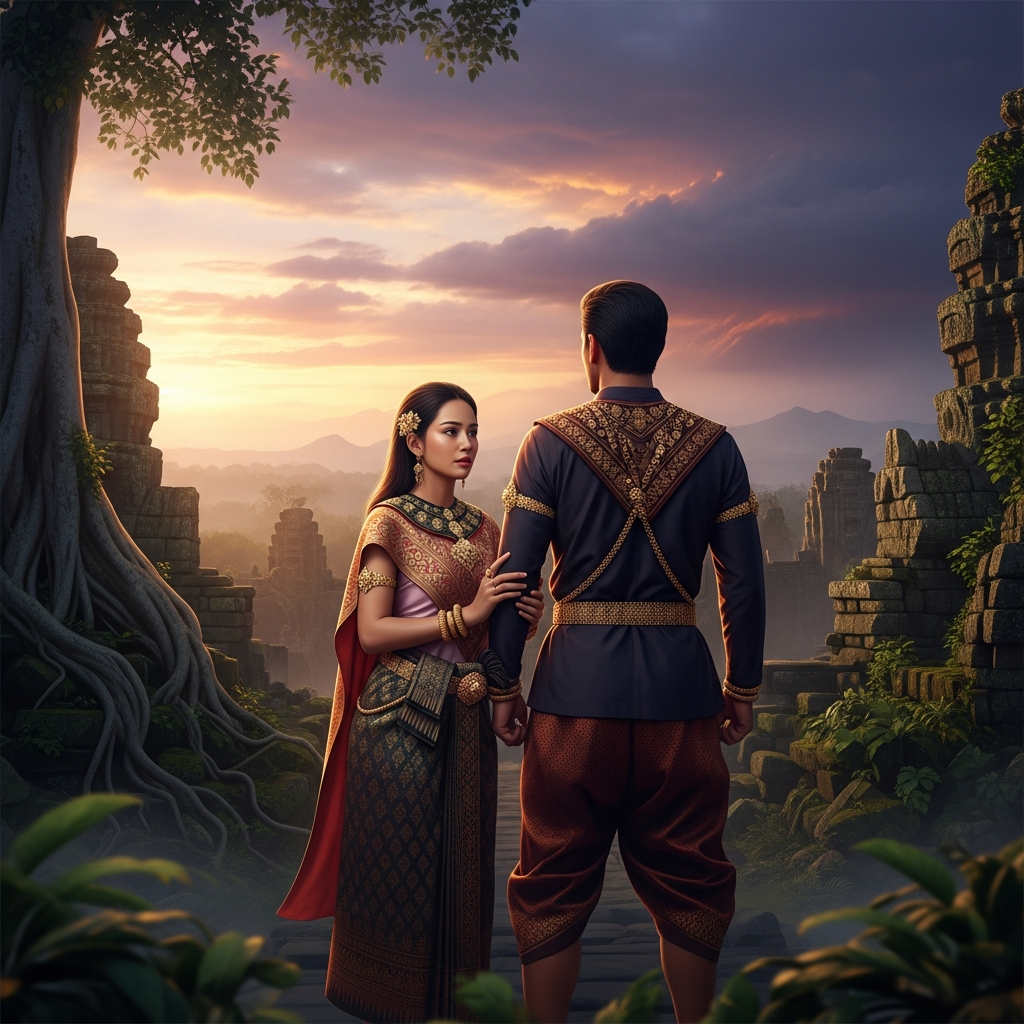
ដំណឹងពីទីឆ្ងាយ
ក្នុងស្រុកភូមិដ៏ស្ងប់ស្ងាត់ ដែលហ៊ុមព័ទ្ធដោយព្រៃឈើខៀវស្រងាត់ និងមានវាលស្រូវដ៏ល្វឹងល្វើយ កេសរមាលា បានរស់នៅក្នុងភាពសុខសាន្តអស់រយៈពេលជាច្រើនឆ្នាំ។ ជីវិតប្រចាំថ្ងៃរបស់នាង គឺពោរពេញទៅដោយភាពទៀងទាត់ និងសណ្ដាប់ធ្នាប់ ដូចជាលំនាំនៃផ្ទាំងសូត្រដែលបានត្បាញយ៉ាងប្រណិត។ ប៉ុន្តែសូម្បីតែនៅក្នុងភាពដាច់ស្រយាលនៃទីឋាននេះ ក៏ពាក្យខ្សឹបខ្សៀវនៃពិភពខាងក្រៅអាចជ្រាបចូលបានដែរ។ វាបានចាប់ផ្ដើមដំបូងត្រឹមជាសូរ្យសៀងតិចៗ ដែលបន្លឺឡើងពីអ្នកដំណើរឆ្លងកាត់ ឬពាណិជ្ជករដែលត្រឡប់មកពីភាគខាងជើងនៃនគរ។ សូរ្យសៀងទាំងនោះបានប្រាប់អំពីរឿងរ៉ាវដ៏អស្ចារ្យមួយ រឿងរ៉ាវនៃភាពប៉ិនប្រសប់ដែលបានលើសពីដែនកំណត់នៃគំនិតធម្មតា ហើយបានចាក់ឫសជ្រៅទៅក្នុងបេះដូងរបស់នាង រហូតក្លាយជាតម្រូវការដ៏ធំធេងក្នុងការស្វែងយល់។
ដំណឹងដែលបានលេចឮនោះ គឺផ្តោតទៅលើស្នាដៃស្ថាបត្យកម្មថ្មីមួយ ដែលត្រូវបានគេហៅថាជា ប្រាសាទមគ្គផល្លៈ ឬ ប្រាសាទនៃផ្លូវត្រាស់ដឹង។ វាត្រូវបានសាងសង់នៅក្នុងជ្រលងភ្នំដ៏អាថ៌កំបាំងមួយ ដែលត្រូវចំណាយពេលធ្វើដំណើររាប់ខែពីផ្ទះរបស់កេសរមាលា។ អ្វីដែលធ្វើឱ្យដំណឹងនេះក្លាយជាដំណឹងដ៏វិសេសវិសាល គឺឈ្មោះរបស់មហាចាងហ្វាងដែលនៅពីក្រោយការកសាងនេះ គឺលោក សុធារិទ្ធ។ សុធារិទ្ធ មិនមែនគ្រាន់តែជាជាងចម្លាក់នោះទេ គាត់គឺជាវិចិត្រករនៃយុគសម័យ ជនដែលដៃរបស់គាត់ត្រូវបានគេនិយាយថាអាចឆ្លាក់នូវជីវិតចេញពីដុំថ្ម។ ស្នាដៃមុនៗរបស់គាត់ ដូចជាការបូកសង្រួមនៃរូបចម្លាក់ទេវតាលើជញ្ជាំងនៃទីក្រុងបុរាណ បានក្លាយជារឿងព្រេងនិទានអស់ទៅហើយ។ ប៉ុន្តែ ពាក្យចចាមអារ៉ាមបានបញ្ជាក់ថា ប្រាសាទថ្មីនេះ គឺជាការសម្ដែងនូវទេពកោសល្យដ៏ខ្ពង់ខ្ពស់បំផុតរបស់គាត់ ជាចំណុចកំពូលនៃសិល្បៈ និងទស្សនវិជ្ជា ដែលមិនធ្លាប់មានពីមុនមកក្នុងប្រវត្តិសាស្ត្រនៃចក្រភព។
ពាក្យពិពណ៌នាដែលបានរៀបរាប់អំពីប្រាសាទនោះ គឺមានភាពរស់រវើកខ្លាំងណាស់ រហូតដល់វាបានធ្វើឱ្យ កេសរមាលា ស្រមៃយល់ឃើញនូវរូបភាពទាំងមូលបានយ៉ាងច្បាស់ ទោះបីជានាងមិនដែលបានឃើញដោយផ្ទាល់ក៏ដោយ។ គេនិយាយថា គោបុរៈ ទាំងបួនរបស់វា សុទ្ធតែតំណាងឱ្យធាតុសំខាន់ៗនៃចក្រវាឡ ហើយប៉មប្រាំពីរនៃកំពូលរបស់វា គឺបានចង្អុលទៅលើមេឃ ដូចជាម្រាមដៃនៃព្រះ។ ផ្ទៃខាងក្រៅនៃប្រាសាទទាំងមូល ត្រូវបានគ្របដណ្ដប់ដោយចម្លាក់លៀន ដែលមិនមែនគ្រាន់តែជាការតុបតែងប៉ុណ្ណោះទេ តែជាការនិទានរឿងមួយ ដែលបង្ហាញពីការតស៊ូរបស់មនុស្សជាតិ ដើម្បីសម្រេចនូវសេចក្ដីសុចរិត។ ជាងចម្លាក់ សុធារិទ្ធ បានលះបង់នូវកម្លាំងកាយចិត្តអស់ជាច្រើនទសវត្សរ៍ ដោយបដិសេធរាល់ការងារផ្សេងៗ ដើម្បីផ្តោតតែលើគម្រោងដ៏មហិមានេះ។
អ្នកដំណើរម្នាក់ ដែលជាព្រះសង្ឃភេ្លនឈ្មោះ ព្រះសុមនៈ បានឈប់សម្រាកនៅទីស្នាក់អាស្រ័យរបស់កេសរមាលា ហើយបានផ្តល់នូវព័ត៌មានលម្អិតបន្ថែមទៀត។ ព្រះសុមនៈបានរៀបរាប់ថា សុធារិទ្ធ មិនបានប្រើតែថ្មភក់ធម្មតានោះទេ តែគាត់បាននាំចូលនូវថ្មម៉ាបពណ៌សដ៏កម្រ ពីភ្នំដែលស្ថិតនៅភាគខាងលិច ដែលថ្មទាំងនោះបានចែងចាំងនៅក្រោមពន្លឺថ្ងៃ ដូចជាប្រាក់ដែលបានចម្រាញ់ហើយ។ អ្វីដែលគួរឱ្យភ្ញាក់ផ្អើលជាងនេះទៅទៀត នោះគឺ សុធារិទ្ធ បានដាក់បញ្ចូលនូវចម្លាក់ដែលបង្ហាញពីអារម្មណ៍ និងស្មារតីរបស់មនុស្ស មិនមែនត្រឹមតែទេវកថាប៉ុណ្ណោះទេ។ នោះគឺជារបៀបដែលគាត់បានប្រើសិល្បៈជាកញ្ចក់ឆ្លុះបញ្ចាំងពីជម្រៅចិត្តរបស់មនុស្សជាតិ។ ព្រះសុមនៈបានបន្តថា គេបានឆ្លាក់រូបភាពនៃភាពសោកសៅ ការរីករាយ ការខកចិត្ត និងសេចក្តីសង្ឃឹម ទៅលើថ្មរឹងមាំ ដែលធ្វើឱ្យអ្នកទស្សនាមានអារម្មណ៍ថា ពួកគេកំពុងមើលឃើញរឿងរ៉ាវនៃជីវិតខ្លួនឯង។
រាល់ពេលដែលកេសរមាលាបានឮរឿងរ៉ាវថ្មីៗអំពីប្រាសាទនោះ នាងមានអារម្មណ៍ថាដូចជាមានអ្វីម្យ៉ាងបានដាស់ស្មារតីដែលលង់លក់របស់នាងឱ្យភ្ញាក់ឡើង។ នាងធ្លាប់គិតថា នាងបានយល់នូវពិភពលោកទាំងមូលរួចទៅហើយតាមរយៈសៀវភៅ និងការសញ្ជឹងគិត ប៉ុន្តែស្នាដៃរបស់សុធារិទ្ធ បានបង្ហាញឱ្យនាងដឹងថា មានវិសាលភាពនៃបទពិសោធន៍ដ៏ជ្រៅជ្រះជាងនេះ ដែលមិនអាចចាប់បានតាមរយៈការអាន ឬការគិតនោះទេ។ នាងមានសេចក្តីស្រេកឃ្លានយ៉ាងខ្លាំង ដើម្បីមើលឃើញនូវទស្សនៈវិស័យរបស់សុធារិទ្ធ ក្នុងទម្រង់ជាថ្ម ដែលបានរៀបរាប់ពីអត្ថន័យពិតនៃអត្ថិភាព។ ភាពមហិមានៃប្រាសាទនេះ មិនមែនស្ថិតនៅលើទំហំរបស់វាទេ ប៉ុន្តែស្ថិតនៅលើការលះបង់ផ្នែកខាងវិញ្ញាណ និងបញ្ញារបស់ជាងចម្លាក់ម្នាក់ ដែលបានបង្រួបបង្រួមសិល្បៈ និងភាពអស់កល្បជានិច្ចចូលគ្នាតែមួយ។
កេសរមាលា បានចាប់ផ្តើមចំណាយពេលជាច្រើនម៉ោងនៅមុខផែនទីចាស់ៗ ដោយគូសវាសផ្លូវដ៏លំបាកដែលត្រូវធ្វើដំណើរទៅកាន់ទីនោះ។ នាងបានដឹងថា ការធ្វើដំណើរនឹងមានគ្រោះថ្នាក់ និងវែងឆ្ងាយ។ នាងត្រូវឆ្លងកាត់វាលរហោស្ថាន ឆ្លងកាត់ទន្លេធំៗ និងជួបនឹងជនជាតិផ្សេងៗគ្នា។ មនុស្សជាច្រើននៅក្នុងភូមិបានព្យាយាមឃាត់នាង ដោយរំឭកនាងអំពីភាពចាំបាច់នៃការរក្សាស្ថិរភាព និងការភ័យខ្លាចចំពោះអ្វីដែលមិនស្គាល់។ ប៉ុន្តែកេសរមាលាមិនអាចទទួលយកបានទេនូវការរស់នៅបន្តដោយគ្មានការដឹងឮអំពីស្នាដៃដ៏ឧត្តុង្គឧត្តមនេះ។ ចក្ខុវិស័យនៃចម្លាក់ដ៏មានអំណាចរបស់ សុធារិទ្ធ បានក្លាយជាការហៅដ៏ជ្រាលជ្រៅបំផុតនៅក្នុងជីវិតរបស់នាង។ វាគឺជាការអំពាវនាវរបស់ភាពស្រស់ស្អាត ភាពពិត និងសេចក្តីស្វែងរកនូវចំណេះដឹង។
នាងបានរៀបចំខ្លួនយ៉ាងប្រុងប្រយ័ត្ន ដោយលក់ទ្រព្យសម្បត្តិដែលមិនចាំបាច់ និងប្រមូលនូវស្បៀងអាហារ។ ការសម្រេចចិត្តរបស់នាង គឺរឹងមាំ មិនអាចប្រែប្រួលបានឡើយ។ នាងលែងជារបស់ភូមិដ៏ស្ងប់ស្ងាត់នេះទៀតហើយ ប៉ុន្តែជារបស់ផ្លូវដែលគ្មានទីបញ្ចប់។ ដំណឹងពីទីឆ្ងាយ ដែលធ្លាប់ជាពាក្យចចាមអារ៉ាម បានក្លាយជាជោគវាសនាផ្ទាល់ខ្លួនរបស់នាង។ កេសរមាលាបានចាកចេញពីផ្ទះរបស់នាងនៅពេលថ្ងៃរះ ដោយមានក្ដីសង្ឃឹមដ៏មុតមាំចំពោះទីកន្លែងដែលប្រាសាទថ្មីនោះស្ថិតនៅ ដែលជាទីតាំងដែលនាងជឿថា នឹងជួយបំពេញនូវចន្លោះប្រហោងនៃព្រលឹងនាង ជាមួយនឹងភាពអស្ចារ្យដែលបានឆ្លាក់ដោយជាងចម្លាក់ដ៏ឆ្នើម សុធារិទ្ធ។ ការស្វែងរកភាពអស្ចារ្យរបស់មនុស្សជាតិ គឺបានចាប់ផ្តើមហើយ ដោយមានទិសដៅតែមួយគត់៖ ប្រាសាទមគ្គផល្លៈ។ នាងយល់ច្បាស់ថា ស្នាដៃសិល្បៈពិត មិនត្រឹមតែជាវត្ថុដែលគួរឱ្យកោតសរសើរប៉ុណ្ណោះទេ ប៉ុន្តែជាកម្លាំងដែលជំរុញឱ្យមនុស្សធ្វើដំណើរដ៏វែងឆ្ងាយ ក្នុងការស្វែងរកអត្ថន័យជ្រៅបំផុតនៃជីវិត។ រូបចម្លាក់របស់សុធារិទ្ធ គឺជាការអញ្ជើញឱ្យចូលទៅក្នុងពិភពនៃការយល់ដឹង។ នាងត្រូវទៅមើលឃើញវាផ្ទាល់ មិនមែនដើម្បីកោតសរសើរថ្មនោះទេ ប៉ុន្តែដើម្បីស្រូបយកនូវមេរៀនដែលវាបានបង្ហាញ។ វាជាដំណើរស្វែងរកភាពល្អឥតខ្ចោះនៃស្មារតីមនុស្ស។
In a secluded village, nestled amongst lush emerald forests and boundless rice paddies, Kesor Mala had lived a life of profound tranquility for many years. Her daily existence was characterized by regularity and order, like the intricate pattern of a finely woven silk tapestry. Yet, even in this geographical isolation, the whispers of the outside world managed to penetrate. It began merely as subtle murmurs, carried by transient travelers or merchants returning from the northern reaches of the kingdom. These murmurs spoke of an astonishing achievement, a tale of ingenuity that transcended the limits of ordinary conception, taking root deep within her heart and evolving into an overwhelming necessity for discovery.
The news that had surfaced centered on a colossal new work of architecture, reportedly named Prasat Magghaphalla, or the Temple of Enlightenment’s Path. It was situated in a mystical valley, a journey requiring months of arduous travel from Kesor Mala’s abode. What elevated this news to the level of the extraordinary was the name of the master craftsman behind its creation: Suthearith. Suthearith was not merely a sculptor; he was the visionary artist of the age, a man whose hands were rumored to be capable of carving life itself from inert stone. His prior accomplishments, such as the synthesis of celestial figures upon the ancient city walls, were already the stuff of legend. But the current rumors insisted that this new temple was the ultimate manifestation of his genius, an unprecedented convergence of art and philosophy in the empire’s history.
The descriptions relayed about the temple were so vivid that they allowed Kesor Mala to construct the entire edifice in her mind, though she had never witnessed it firsthand. It was said that its four gopuras (entrance pavilions) symbolized the cardinal elements of the cosmos, and its seven tiered towers ascended towards the heavens like the fingers of the divine. The entire exterior was reportedly enveloped in bas-reliefs that were not just decorative flourishes, but an expansive narrative chronicling humanity’s struggle toward righteousness. Suthearith, the sculptor, had dedicated decades of his spiritual and physical energy, refusing all other commissions, to focus solely on this monumental undertaking.
One traveler, a wandering ascetic named Preah Somana, stopped to rest at Kesor Mala’s sanctuary and provided even more intricate details. Preah Somana recounted that Suthearith had not utilized standard sandstone alone; he had imported rare white marble from the mountains in the west, stones that shimmered under the sun like refined silver. More astonishingly, Suthearith had incorporated carvings depicting human emotion and spirit, not solely mythology. This was how he used art as a mirror reflecting the deeper contours of the human psyche. The monk continued, describing how images of grief, exhilaration, disappointment, and fervent hope were etched into the enduring rock, causing viewers to feel they were witnessing the story of their own lives unfolding.
With every new narrative fragment Kesor Mala received about the temple, she felt something dormant within her spirit awaken. She had believed she understood the world through textual study and introspection, but Suthearith’s creation hinted at a profound, existential sphere of experience that could not be grasped solely by reading or contemplation. She developed an intense thirst to witness Suthearith’s vision solidified in stone, a vision that articulated the authentic meaning of existence. The grandeur of the temple lay not in its sheer physical magnitude, but in the spiritual and intellectual sacrifice of a single craftsman who had merged art with eternity.
Kesor Mala began spending hours poring over archaic maps, charting the formidable route to the remote location. She recognized that the journey would be perilous and exceedingly long. It required traversing desolate plains, crossing major rivers, and navigating diverse populations. Many in her village attempted to dissuade her, reminding her of the necessity of maintaining stability and the peril inherent in the unknown. But Kesor Mala found it intolerable to continue her life uninformed about this transcendent masterpiece. The vision of Suthearith’s potent iconography had become the deepest calling of her life. It was an appeal to beauty, to truth, and to the ceaseless pursuit of elevated knowledge.
She prepared meticulously, selling non-essential possessions and accumulating provisions. Her resolve was immutable and absolute. She was no longer bound to the tranquil confines of her village, but to the infinite path ahead. The news from afar, once a mere rumor, had transformed into her singular destiny. Kesor Mala departed her home at dawn, armed with an unwavering conviction towards the place where the new temple resided—a place she believed would fill the vacuums of her soul with the magnificence sculpted by the unrivaled master, Suthearith. The quest for human excellence had commenced, with only one destination: Prasat Magghaphalla. She understood clearly that genuine artistic masterpieces were not just objects of admiration, but forces that compelled individuals toward long, purposeful journeys in search of life’s deepest meaning. Suthearith’s sculptures were an invitation into a world of comprehension. She had to see it firsthand, not merely to admire the stone, but to absorb the vital lesson it embodied. It was a pilgrimage toward the perfection of the human spirit.
ការចាប់ផ្តើមនៃការសង្ឃឹម
កេសរមាលាអង្គុយនៅមាត់បង្អួច ខ្យល់រាត្រីបានបក់ផាត់សក់វែងរបស់នាងតិចៗ នាំមកនូវក្លិនក្រអូបឈ្ងុយនៃផ្កាចម្ប៉ាដែលរីកនៅក្រោមពន្លឺព្រះច័ន្ទ។ ភាពស្ងប់ស្ងាត់នៃទីក្រុងដែលកំពុងដេកលក់បានហាក់ដូចជាកំពុងសង្កត់លើបេះដូងរបស់នាង ដែលមានតែសំឡេងខ្សឹបខ្សៀវនៃភាពឯកានោះ។ ពេលវេលាជាច្រើនខែបានកន្លងផុតទៅ គ្មានដំណឹងពិតប្រាកដអ្វីពីសុធារិទ្ធ គ្រាន់តែមានការដឹងឮតៗគ្នាដ៏ស្រពិចស្រពិលពីកាតព្វកិច្ចដ៏សំខាន់របស់គាត់នៅឯនាយ។ ភាពដាច់ឆ្ងាយនេះបានចាប់ផ្តើមធ្វើឲ្យមានការសង្ស័យដែលស្តើង ប៉ុន្តែមុតស្រួចដូចជាសរសៃសូត្រដែលកាត់ផ្តាច់នូវសេចក្តីសុខ។
នាងបានសម្លឹងមើលទៅលើមេឃដ៏ធំល្វឹងល្វើយ ដែលពោរពេញទៅដោយផ្កាយរាប់លាន។ នៅគ្រាដំបូង ចម្ងាយភូមិសាស្ត្ររវាងនាងនិងសុធារិទ្ធហាក់ដូចជាគម្លាតដែលមិនអាចវាស់ស្ទង់បាន ជញ្ជាំងនៃភាពស្ងៀមស្ងាត់ដែលបានបិទបាំងនូវអនុស្សាវរីយ៍ដ៏មានតម្លៃរបស់ពួកគេ។ ទោះជាយ៉ាងណាក៏ដោយ នៅពេលដែលនាងអនុញ្ញាតឲ្យគំនិតរបស់នាងរសាត់ទៅឆ្ងាយពីភាពជាក់ស្តែងនៃរូបកាយ នាងចាប់ផ្តើមដឹងថា ចម្ងាយរូបវន្តអាចជាល្បែងបោកបញ្ឆោតរបស់គំនិត។ ចម្ងាយពិតប្រាកដមិនមែនស្ថិតនៅលើដីគោក ឬសមុទ្រនោះទេ តែស្ថិតនៅក្នុងការបែកបាក់នៃស្មារតី ការបាត់បង់ការជឿទុកចិត្ត និងភាពរង្គោះរង្គើនៃជំនឿ។ ដរាបណាព្រលឹងទាំងពីរនៅតែភ្ជាប់គ្នាដោយខ្សែបន្ទាត់នៃភក្តីភាព គ្មានគម្លាតណាមួយអាចបំផ្លាញចំណងដ៏រឹងមាំនេះបានឡើយ។
នាងបានរំឭកពីថ្ងៃចុងក្រោយរបស់ពួកគេ មុនពេលសុធារិទ្ធចាកចេញទៅ។ ភ្នែករបស់គាត់មិនបានបង្ហាញពីភាពរារែក ឬការភ្លេចភ្លាំងឡើយ។ ពួកគេពោរពេញទៅដោយការតាំងចិត្ត ការលះបង់ដើម្បីបុព្វហេតុដ៏ខ្ពង់ខ្ពស់ ប៉ុន្តែទន្ទឹមនឹងនោះក៏មានភាពទន់ភ្លន់ដែលសន្យាពីការវិលត្រឡប់។ សុធារិទ្ធមិនមែនជាមនុស្សដែលនិយាយស្តីដោយពាក្យសម្ដីទទេ។ រាល់ការប្ដេជ្ញាចិត្តរបស់គាត់គឺដូចជាការឆ្លាក់លើថ្ម។ ការអវត្តមានរបស់គាត់ប្រហែលជាការការពារ ការពារនូវអ្វីមួយដែលសំខាន់ជាងខ្លួនឯងទៅទៀត។ កេសរមាលាបានបិទភ្នែក ហើយស្រមៃឃើញស្នាមញញឹមរបស់គាត់ ភាពកក់ក្តៅនៃដៃរបស់គាត់។ ការចងចាំទាំងនេះមិនមែនជាអតីតកាលទេ តែជាកម្លាំងរស់រវើកដែលចិញ្ចឹមគំនិតរបស់នាង។
ការជឿជាក់បានលូតលាស់ឡើងដូចជាផ្កាឈូកចេញពីភក់ជ្រាំនៃភាពមិនច្បាស់លាស់។ នាងបានដឹងថាសុធារិទ្ធមិនបានភ្លេចនាងឡើយ។ វាជាគំនិតដែលមិនអាចទៅរួច។ អ្នកដែលបានចែករំលែកកម្រិតនៃភាពស្និទ្ធស្នាលខាងវិញ្ញាណដូចពួកគេ មិនអាចគ្រាន់តែបាត់បង់គ្នាទៅវិញទៅមកដោយសារតែការធ្វើដំណើរនោះទេ។ នាងយល់ថាការស្ងប់ស្ងាត់របស់គាត់ប្រហែលជាបណ្តាលមកពីការរឹតបន្តឹងខាងក្រៅ ដូចជាកាលៈទេសៈដែលតម្រូវឲ្យមានការបិទបាំងព័ត៌មាន ឬដើម្បីធានាសុវត្ថិភាពរបស់គាត់ផ្ទាល់ ឬប្រហែលជារបស់នាង។ នាងបានស្រមៃថាគាត់កំពុងតស៊ូប្រយុទ្ធក្នុងសមរភូមិមួយ ដែលត្រូវការការផ្ដោតអារម្មណ៍ទាំងស្រុង ហើយថាការបញ្ជូនសារមួយមកកាន់នាងអាចនាំមកនូវហានិភ័យដែលគាត់មិនចង់ឲ្យនាងជួបប្រទះ។
កេសរមាលាបានចាប់យកកម្លាំងថ្មីមួយ។ នាងលែងជារងចាំដែលស្លូតត្រង់ទៀតហើយ។ នាងគឺជាអ្នកយល់ដឹង ដែលយល់ពីចលនាលាក់កំបាំងនៃអុកនៃជីវិត។ ភាពស្ងៀមស្ងាត់របស់សុធារិទ្ធមិនមែនជាការបដិសេធទេ ប៉ុន្តែប្រហែលជាសារមួយដែលត្រូវបានសរសេរនៅក្នុងខ្យល់ ត្រូវបានគេយល់តែចំពោះអ្នកដែលមានការយល់ដឹងខាងក្នុងជ្រៅជ្រះប៉ុណ្ណោះ។ នាងបានចាប់ផ្តើមបកស្រាយកាយវិការដែលអវត្តមានរបស់គាត់។ នាងបាននឹកឃើញពីរបៀបដែលគាត់តែងតែបិទបាំងផែនការដ៏ធំរបស់គាត់នៅក្នុងភាពល្ងិតល្ងង់ ដើម្បីការពារភាពងាយរងគ្រោះរបស់ពួកគេពីការស៊ើបអង្កេតពីខាងក្រៅ។ តើនាងអាចជឿថាចម្ងាយនេះមិនមែនជាការបញ្ចប់នោះទេ តែជាការចាប់ផ្តើមនៃយុទ្ធសាស្ត្រមួយដែលស្មុគស្មាញជាងនេះទេ?
ការចាប់ផ្តើមនៃការសង្ឃឹមនេះមិនមែនជាអារម្មណ៍រាក់ទាក់នោះទេ។ វាគឺជាមូលដ្ឋានគ្រឹះខាងផ្លូវចិត្តដែលនាងបានសាងសង់ឡើងដោយឥដ្ឋនៃទំនុកចិត្ត និងបាយអនៃការចងចាំដែលមិនអាចបំភ្លេចបាន។ នាងបានបញ្ចុះបញ្ចូលខ្លួនឯងថា មិនថាភ្នំនៃឧបសគ្គមានទំហំប៉ុនណាទេ សុធារិទ្ធកំពុងតែធ្វើដំណើរត្រឡប់មកវិញ។ គាត់កំពុងតែកសាងផ្លូវរបស់គាត់ដោយការអត់ធ្មត់ និងជំនាញ។ នាងត្រូវតែរក្សាពន្លឺក្នុងចិត្តរបស់នាងឲ្យនៅតែភ្លឺជានិច្ច ដូចជាចង្កៀងប្រេងដ៏រឹងមាំដែលដឹកនាំនាវាត្រឡប់មកកាន់ច្រាំង។
កេសរមាលាបានក្រោកឈរឡើង ហើយដើរទៅរកតុរបស់នាង។ នាងបានយកសំបុត្រចាស់មួយច្បាប់ដែលគាត់បានសរសេរកាលពីយូរយារណាស់មកហើយ។ នាងមិនបានអានពាក្យនោះទេ តែនាងបានប៉ះពាល់លើក្រដាសដែលបានប្រែពណ៌លឿង ទទួលស្គាល់នូវថាមពលនៃចេតនារបស់គាត់ដែលនៅតែជាប់នៅក្នុងអក្សរនីមួយៗ។ នាងបានរកឃើញភាពសុខសាន្តក្នុងគំនិតដែលថា ប្រសិនបើនាងជឿជាក់លើលក្ខណៈសម្បត្តិរបស់គាត់ នាងត្រូវតែជឿជាក់លើរាល់សកម្មភាពរបស់គាត់ សូម្បីតែសកម្មភាពដែលមើលទៅហាក់ដូចជាអសកម្មក៏ដោយ។ ការស្ងៀមស្ងាត់អាចជាសំឡេងមួយទៀត សំឡេងនៃកាតព្វកិច្ចដែលមិនអាចបកស្រាយបាន។
នាងបានយល់ថាការភ្ជាប់របស់ពួកគេគឺជាទម្រង់នៃគណិតវិទ្យាដ៏ពិសិដ្ឋមួយ។ ភាពមិនប្រាកដប្រជាគុណនឹងការលះបង់គឺស្មើនឹងសេចក្តីសង្ឃឹម។ នាងបានអនុញ្ញាតឲ្យការស្ងប់ស្ងាត់ដោះស្រាយចូលទៅក្នុងឆ្អឹងរបស់នាង។ មិនចាំបាច់មានការថប់បារម្ភទៀតទេ។ នាងដឹងថាមានរឿងរ៉ាវដ៏ស្មុគស្មាញកំពុងតែកើតឡើងនៅពីក្រោយវាំងនននៃចម្ងាយ។ នាងជាផ្នែកមួយនៃរឿងនោះ។ នាងបានជឿជាក់លើប្រព័ន្ធនៃសេចក្តីស្រឡាញ់របស់ពួកគេដែលមិនងាយខូចខាតដោយការខ្វះការប្រាស្រ័យទាក់ទងតាមប្រៃសណីយ៍។ ការចាប់ផ្តើមនៃការសង្ឃឹមនេះគឺជាការសន្យាខាងក្នុងដែលថានាងនឹងមិនអនុញ្ញាតឲ្យភាពឯកាគ្របដណ្តប់លើការវិនិច្ឆ័យរបស់នាងឡើយ។ នាងនឹងរង់ចាំដោយការយល់ដឹង និងដោយចិត្តដែលពោរពេញដោយការអត់ធ្មត់ដោយមិនរង្គោះរង្គើ។ នាងដឹងថា សុធារិទ្ធ កំពុងត្រលប់មកវិញហើយ នោះជាការពិតដែលស្ថិតស្ថេរជាងព្រះអាទិត្យរះទៅទៀត។
Kesor Mala sat by the window, the night breeze gently tousling her long hair, carrying the sweet scent of champak flowers blooming under the moonlight. The silence of the sleeping city seemed to press upon her heart, which was only filled by the soft whisper of solitude. Many months had passed with no concrete news from Sothearith, only vague, circulating rumors of his vital obligations far away. This isolation had begun to breed doubts, thin yet sharp, like a silk thread cutting through peace.
She gazed up at the vast expanse of the sky, teeming with millions of stars. At first, the geographical distance between her and Sothearith felt like an unquantifiable chasm, a wall of silence obscuring their precious memories. However, as she allowed her mind to drift away from physical immediacy, she began to realize that corporeal distance could be a trick of the mind. True separation was not in the land or the sea, but in the fracturing of consciousness, the loss of trust, and the shaking of faith. As long as their two souls remained linked by the filament of fidelity, no gap could dismantle that powerful bond.
She recalled their final day before Sothearith departed. His eyes showed no hesitation or forgetfulness. They were filled with resolve, dedication to a higher purpose, but concurrently, a tenderness that promised return. Sothearith was not a man who spoke empty words. His commitments were carved into stone. His absence might be a preservation, safeguarding something more critical than himself. Kesor Mala closed her eyes and envisioned his smile, the warmth of his hand. These memories were not the past; they were a vibrant force feeding her intuition.
Confidence blossomed, rising like a lotus from the mud of uncertainty. She knew Sothearith had not forgotten her. It was an impossible notion. Two people who had shared their level of spiritual intimacy could not simply lose each other because of travel. She reasoned that his silence must be mandated by external constraints—circumstances requiring non-disclosure to ensure his safety, or perhaps hers. She envisioned him fighting a campaign that required absolute focus, and that sending a message might introduce risks he was unwilling for her to face.
Kesor Mala embraced a newfound strength. She was no longer the passive waiter. She was the perceiver, understanding the hidden chess moves of life. Sothearith’s silence was not a rejection, but perhaps a message written in the wind, only discernible to those with deep internal understanding. She began to interpret his absence as a gesture. She remembered how he always veiled his grandest plans in obscurity, protecting their vulnerability from external scrutiny. Could she believe that this distance was not an end, but the beginning of a more complex strategy?
This inception of hope was not a frivolous feeling. It was a psychological foundation she constructed with bricks of confidence and the mortar of indelible memory. She convinced herself that no matter the mountain of obstacles, Sothearith was making his journey back. He was patiently and skillfully engineering his path. She needed only to keep the light in her heart shining steadily, like a steadfast oil lamp guiding a vessel back to shore.
Kesor Mala stood up and walked to her desk. She picked up an old letter he had written long ago. She did not read the words, but felt the texture of the yellowed paper, recognizing the sheer force of his intent still bound within the calligraphy. She found peace in the idea that if she trusted his character, she must trust all his actions, even the seemingly passive ones. Silence could be another kind of communication, the voice of an unspoken obligation.
She understood their bond was a form of sacred mathematics. Uncertainty multiplied by sacrifice equals hope. She allowed the stillness to settle into her bones. There was no need for anxiety anymore. She knew that complex narratives were unfolding behind the curtain of distance. She was part of that narrative. She trusted the system of their love, which was not easily broken by a lapse in postal communication. This beginning of hope was an internal promise that she would not let loneliness override her judgment. She would wait with perception, with a heart filled with unwavering patience. She knew Sothearith was returning, a truth more constant than the rising sun.

ការធ្វើដំណើរទៅកាន់បូជនីយដ្ឋាន
ការធ្វើដំណើរទៅកាន់បូជនីយដ្ឋាន
រាត្រីបានរលត់បាត់ស្រមោលអស់ហើយ ទុកចោលតែភាពត្រជាក់រន្ធត់នៅជាប់នឹងស្លឹកឈើ និងដីសើម។ កេសរមាលា ឈរយ៉ាងស្ងប់ស្ងៀមនៅមាត់ច្រាំងនៃព្រៃជ្រៅបំផុត ដែលជាច្រកចូលទៅកាន់បូជនីយដ្ឋានថ្មីមួយ ដែលគេទើបនឹងរកឃើញ។ ទីកន្លែងនេះមានឈ្មោះល្បីល្បាញថាជា «វិមាននៃសេចក្ដីស្ងប់» ប៉ុន្តែផ្លូវទៅកាន់ទីនោះពោរពេញទៅដោយគ្រោះថ្នាក់ដែលគំរាមកំហែងដល់ជីវិត។ ស្មារតីរបស់នាងមិនបានបន្ធូរបន្ថយដោយសារឧបសគ្គទាំងនោះឡើយ ផ្ទុយទៅវិញ វាត្រូវបានចាក់ស្រោចដោយទស្សនៈនៃការលះបង់ដ៏ជ្រាលជ្រៅបំផុត ក្នុងការស្វែងរកសច្ចធម៌ និងការគោរពប្រតិបត្តិដ៏ឥតងាករេចំពោះឫសគល់នៃជំនឿ។ នាងបានតាំងចិត្តយ៉ាងមោះមុត ដូចជាការបូជាជីវិតចំពោះគោលដៅដ៏ពិសិដ្ឋនេះ។
នៅក្បែរនាង សុធារិទ្ធ ជាអ្នកដឹកនាំផ្លូវដែលមានបទពិសោធន៍ដ៏សម្បូរបែប និងជាអ្នកយល់ដឹងពីធម្មជាតិព្រៃភ្នំបានឈរលូកដៃទៅលើបំណែកផែនទីចាស់ដែលខូច។ គាត់បានសម្លឹងមើលកេសរមាលា ដោយក្រសែភ្នែកព្រួយបារម្ភលាយឡំនឹងការកោតសរសើរ។ «ផ្លូវនេះមិនមែនសម្រាប់អ្នកដែលស្វែងរកភាពងាយស្រួល ឬការកម្សាន្តនោះទេ កេសរមាលា។ វាមិនមែនជាផ្លូវធម្មតាទេ តែជាការប្រឈមមុខដ៏សែនលំបាកជាមួយនឹងភាពគ្មានមេត្តានៃធម្មជាតិ។» សុធារិទ្ធ ថ្លែងឡើងដោយសម្លេងស្ងួត ឆ្លុះបញ្ចាំងពីបទពិសោធន៍ដែលបានឆ្លងកាត់យ៉ាងច្រើនសន្ធឹកសន្ធាប់របស់គាត់។ កេសរមាលា គ្រាន់តែងក់ក្បាល ដៃរបស់នាងកាន់កាបូបតូចមួយដែលផ្ទុកនូវគ្រឿងបូជា និងអាហារបន្តិចបន្តួចសម្រាប់ចិញ្ចឹមជីវិត។ ភាពអត់ធ្មត់ និងសន្តិភាពក្នុងទឹកមុខរបស់នាងបានបង្ហាញថា ចិត្តរបស់នាងបានត្រៀមខ្លួនរួចជាស្រេចដើម្បីឆ្លងកាត់ឧបសគ្គនានា ទាំងផ្លូវកាយ និងផ្លូវចិត្ត។
ពួកគេបានចាប់ផ្ដើមបោះជំហានដំបូងចូលទៅក្នុងដែនព្រៃជ្រៅ។ ម្លប់ឈើធំៗបានបាំងពន្លឺថ្ងៃអស់ស្ទើរតែទាំងស្រុង ធ្វើឱ្យបរិយាកាសទាំងមូលធ្លាក់ក្នុងភាពងងឹតស្រមោលអន្ធការតាំងពីពេលថ្ងៃត្រង់។ ផ្លូវលំដែលបាត់បង់តាំងពីយូរយារណាស់មកហើយ ត្រូវបានលេបត្របាក់ដោយឫសឈើធំៗដែលដុះព័ន្ធគ្នា និងរុក្ខជាតិវល្លិរុំព័ទ្ធ ដែលមើលទៅដូចជាអន្លង់នៃការរង់ចាំដ៏អត់ធ្មត់របស់ធម្មជាតិ។ ភាពស្ងប់ស្ងាត់ដ៏គួរឱ្យខ្លាចត្រូវបានរំខានដោយសំឡេងបក្សីដ៏កម្រ និងសំឡេងខ្សឹបខ្សៀវរបស់ខ្យល់ដែលបក់បោកឆ្លងកាត់ស្លឹកឈើ។
នៅថ្ងៃទីបីនៃការធ្វើដំណើរ ពួកគេបានទៅដល់ច្រាំងទន្លេដែលហូរកាត់យ៉ាងគំហុក។ ទឹកទន្លេមានពណ៏ត្នោតដោយសារទឹកភ្លៀងដែលធ្លាក់ឥតឈប់ឈរពេញមួយយប់ ហើយលំហូររបស់វាបានបង្ហាញពីកម្លាំងនៃធម្មជាតិដែលមិនអាចមើលរំលងបាន។ ស្ពានដែលធ្លាប់មាននៅទីនោះ កាលពីយូរលង់ណាស់មកហើយ ឥឡូវត្រូវបានហូរនាំទៅដោយទឹកទន្លេដ៏សន្ធឹក។ សុធារិទ្ធ បានព្យាយាមស្វែងរកមធ្យោបាយឆ្លងកាត់ដោយអស់ពីកម្លាំងកាយ។ គាត់បានកាត់វល្លិរុក្ខជាតិដើម្បីបង្កើតជាខ្សែពួរ ប៉ុន្តែការងារនេះហាក់ដូចជាគ្មានសង្ឃឹមឡើយ។ អស់រយៈពេលជាច្រើនម៉ោង ពួកគេបានឈរនៅទីនោះ ហត់នឿយ និងអស់សង្ឃឹម។
«យើងប្រហែលជាត្រូវត្រឡប់ក្រោយវិញហើយ កេសរមាលា» សុធារិទ្ធ និយាយដោយសម្លេងធ្ងន់ៗ ខណៈដែលគាត់បានបោះចោលឧបករណ៍កាត់របស់គាត់។ «យើងមិនអាចប្រថុយជីវិតឆ្លងកាត់លំហូរទឹកដ៏ខ្លាំងបែបនេះទេ»។ ប៉ុន្តែ កេសរមាលា មិនបានឆ្លើយតបឡើយ។ នាងបានអង្គុយចុះនៅមាត់ទន្លេ បិទភ្នែក ហើយចាប់ផ្ដើមសមាធិ។ នាងបានធ្វើការអធិដ្ឋានស្ងាត់ៗនៅក្នុងចិត្តរបស់នាង ដោយសុំការណែនាំ និងកម្លាំងពីវត្ថុស័ក្តិសិទ្ធិ។ ការប្ដេជ្ញាចិត្តរបស់នាងមិនមែនផ្អែកលើកម្លាំងកាយតែមួយមុខទេ ប៉ុន្តែផ្អែកលើការយល់ដឹងថា ការលំបាកគឺជាផ្នែកសំខាន់នៃការបន្សុទ្ធខ្លួន។
នៅពេលដែលនាងបានបើកភ្នែកឡើងវិញ អ្វីដែលនាងបានឃើញគឺភាពអស្ចារ្យដែលមិនគួរឱ្យជឿ។ ភ្លាមៗនោះ ភ្លៀងក៏បានរាំងស្ងួត ហើយកម្រិតទឹកទន្លេក៏ចាប់ផ្តើមស្រកចុះបន្តិចម្តងៗ ដោយបង្ហាញឲ្យឃើញនូវគន្លងថ្មដែលលិចទឹកនៅខាងក្រោម។ ថ្មទាំងនោះត្រូវបានរៀបចំឡើងហាក់ដូចជាផ្លូវតូចមួយដែលត្រូវបានលាក់បាំងជាយូរមកហើយ។ សុធារិទ្ធ បានសម្លឹងមើលដោយភាពងឿងឆ្ងល់ និងមិនជឿ ខណៈដែលកេសរមាលា បានក្រោកឈរឡើង ហើយចាប់ផ្ដើមបោះជំហានដំបូងដោយប្រុងប្រយ័ត្ននៅលើផ្លូវថ្មនោះ។ គាត់ត្រូវបានបង្ខំឱ្យដើរតាម ដោយទទួលស្គាល់ថា កម្លាំងជំនឿរបស់នាងគឺជាកម្លាំងដែលមិនអាចវាស់ស្ទង់បាន។
ការធ្វើដំណើរនៅតែបន្តប្រឈមនឹងឧបសគ្គផ្សេងៗទៀត។ ពួកគេបានឡើងភ្នំចោទដ៏ខ្ពស់ ដែលមានខ្យល់បក់បោកខ្លាំងស្ទើរតែរុញច្រានពួកគេឱ្យធ្លាក់ទៅក្នុងទីជ្រៅបំផុត។ ពួកគេបានឆ្លងកាត់វាលភក់ដែលពោរពេញទៅដោយសត្វល្អិតខាំ និងអសន្តិសុខនៃដីល្បាប់ទន់ៗ។ រាល់យប់ ពួកគេដេកក្រោមមេឃបើកចំហ ដោយពឹងផ្អែកលើភ្លើងតូចមួយដែលសុធារិទ្ធ បានរក្សាទុក ដើម្បីបណ្ដេញសត្វសាហាវ។ កេសរមាលា មិនដែលត្អូញត្អែរម្ដងណាឡើយ។ រាល់ស្នាមរបួស និងភាពអស់កម្លាំងសុទ្ធតែក្លាយជាគ្រឿងតុបតែងនៃដំណើរស្វែងរកខាងវិញ្ញាណរបស់នាង។
នៅពេលដែលពួកគេបានទៅដល់ទីទួលខ្ពស់មួយបន្ទាប់ពីការឡើងដ៏លំបាក ពួកគេបានឈប់សម្រាក។ សុធារិទ្ធ អង្គុយចុះដោយដកដង្ហើមធំដោយភាពហត់នឿយ។ ប៉ុន្តែ កេសរមាលា បានដើរទៅកាន់គែមទួលនោះ។ នៅពេលនាងងាកមក សម្លេងរបស់នាងគឺខ្សឹបខ្សៀវដោយភាពភ្ញាក់ផ្អើល។ «សុធារិទ្ធ… មកមើល!»
នៅចម្ងាយឆ្ងាយ បូជនីយដ្ឋាននោះបានលេចឡើង។ វាមិនមែនជាប្រាសាទថ្មធម្មតាដូចអ្វីដែលគេធ្លាប់ឃើញនោះទេ។ វាជាសំណង់ដ៏មហិមាដែលត្រូវបានកសាងឡើងពីថ្មភក់ពណ៌មាស មានកំពូលស្រួចៗរាប់រយ និងជញ្ជាំងដែលបានឆ្លាក់រូបភាពអំពីទេវកថានៃសាសនាដ៏ស្មុគស្មាញ។ អ្វីដែលធ្វើឱ្យប្រាសាទនេះមានលក្ខណៈពិសេសនោះគឺថា វាត្រូវបានរុំព័ទ្ធដោយពន្លឺព្រះអាទិត្យចុងក្រោយនៃថ្ងៃ ដែលធ្វើឱ្យថ្មទាំងនោះបញ្ចេញពន្លឺភ្លឺចិញ្ចាចដូចពេជ្រ។ ទីតាំងរបស់វាត្រូវបានជ្រើសរើសយ៉ាងពិសេស ហាក់ដូចជាកំពុងអណ្តែតនៅចន្លោះពិភពមនុស្ស និងស្ថានសួគ៌។ ទេសភាពនេះបានដកដង្ហើមរបស់ សុធារិទ្ធ អស់មួយសន្ទុះ។
«វាពិតជាអស្ចារ្យមែន» សុធារិទ្ធ រអ៊ូ ខណៈគាត់បានសម្លឹងមើលរចនាសម្ព័ន្ធដ៏ល្អិតល្អន់ដែលបង្ហាញពីភាពប៉ិនប្រសប់របស់បុព្វបុរស។ ភាពសង្ស័យ និងការព្រួយបារម្ភទាំងអស់របស់គាត់បានរលាយបាត់ទៅ ជំនួសមកវិញដោយការគោរពដ៏ជ្រាលជ្រៅចំពោះសិល្បៈ និងជំនឿដែលបានបង្កើតវាឡើង។ កេសរមាលា មិនបាននិយាយអ្វីច្រើនឡើយ។ នាងគ្រាន់តែលុតជង្គង់ចុះ ដោយដាក់ដៃលើដីភ្នំ។ ទឹកភ្នែកនៃសេចក្ដីរីករាយ និងការសម្រេចបានគោលដៅបានហូរចុះមកលើថ្ពាល់របស់នាង។ ការធ្វើដំណើរដ៏គ្រោះថ្នាក់ ការតស៊ូទាំងអស់—វាទាំងអស់ត្រូវបានបន្សុទ្ធ និងបានបញ្ចប់ដោយការមើលឃើញនៃទីសក្ការៈបូជានេះ។ នាងបានយល់ថា ព្រះវិហារមិនមែនគ្រាន់តែជាសំណង់ថ្មប៉ុណ្ណោះទេ ប៉ុន្តែជាកញ្ចក់ឆ្លុះបញ្ចាំងពីសេចក្ដីប្រឹងប្រែង និងបំណងប្រាថ្នាខាងវិញ្ញាណរបស់មនុស្ស។ ការលះបង់នូវភាពសុខស្រួល ការស៊ូទ្រាំនឹងភាពលំបាកវេទនា គឺជាការបូជាដ៏ពិតប្រាកដដែលតម្រូវដោយផ្លូវទៅកាន់ភាពស្ងប់ស្ងាត់។ ដំណើរជីវិតទាំងមូលរបស់នាងត្រូវបានតំណាងដោយការដើរនៅលើផ្លូវដ៏លំបាកនេះ ដែលជាការធ្វើធម្មយាត្រាទៅកាន់ចំណុចកណ្ដាលនៃសេចក្ដីគោរពសាសនារបស់នាង។ ទីបំផុត ពួកគេបានទៅដល់គោលដៅ មិនមែនគ្រាន់តែជាកន្លែងមួយនោះទេ ប៉ុន្តែជាការបញ្ចប់នៃដំណើរស្វែងរកផ្ទាល់ខ្លួន។
The Journey to the Sanctuary
The night had entirely vanished, leaving only a bone-chilling cold clinging to the wet leaves and damp soil. Kesormalea stood utterly still at the edge of the deepest jungle, the gateway to a newly discovered sanctuary. This place was reputed to be the “Mansion of Tranquility,” yet the route leading to it was fraught with perilous, life-threatening dangers. Her spirit was not diminished by these obstacles; instead, it was fortified by the profound philosophy of sacrifice, driven by an unrelenting search for truth and unwavering devotion to the roots of her faith. She was resolved, her commitment akin to offering her very life for this sacred objective.
Beside her, Sothearith, an experienced guide deeply knowledgeable about the wilderness, stood tracing his fingers over a fragile, old fragment of a map. He looked at Kesormalea with eyes that held a mixture of worry and admiration. “This path is not for those seeking ease or entertainment, Kesormalea. It is no common road, but an arduous confrontation with the unforgiving nature of the wilderness,” Sothearith stated in a dry tone, reflecting his substantial history of traversing challenging terrains. Kesormalea merely nodded, her hands clutching a small satchel containing offerings and meager provisions. The patience and serenity etched upon her face showed that her mind was fully prepared to overcome the ensuing physical and psychological hardships.
They took their first steps into the dense, dark domain of the jungle. The canopy of the gigantic trees blocked out almost all daylight, plunging the entire area into a shadowy gloom even at noon. The long-lost trail had been devoured by intertwined roots and surrounding vines, resembling a labyrinthine chasm of nature’s patient waiting. The eerie silence was punctuated only by the cries of rare birds and the whispering sound of the wind sweeping through the foliage.
On the third day of their pilgrimage, they reached the bank of a violently raging river. The water was brown from continuous overnight rainfall, and its flow showcased the unstoppable power of nature. The bridge that had once existed, long ago, was now entirely swept away by the torrent. Sothearith attempted to find a passage with all his might. He cut jungle vines to fashion ropes, but the work seemed utterly hopeless. For hours, they stood there, exhausted and deflated.
“We may have to turn back, Kesormalea,” Sothearith said heavily, tossing aside his cutting tool. “We cannot risk our lives crossing such a powerful current.” But Kesormalea did not respond. She sat down at the riverbank, closed her eyes, and began to meditate. She offered silent prayers in her heart, asking for guidance and strength from the sacred powers. Her resolve was not based purely on physical strength, but on the understanding that difficulty was an essential part of self-purification.
When she opened her eyes, the sight was nothing short of miraculous. Immediately, the rain ceased, and the river’s water level began to recede slowly, revealing submerged stepping stones beneath. These stones were arranged as if they were a long-hidden, narrow walkway. Sothearith gazed in utter disbelief and astonishment as Kesormalea rose and cautiously took her first step onto the stone path. He was compelled to follow, recognizing that the sheer force of her faith was an immeasurable power.
Their journey continued to present relentless obstacles. They ascended steep, high cliffs where strong winds threatened to push them into the abyss below. They crossed swamps filled with biting insects and the insecurity of soft silt. Each night, they slept under the open sky, relying on a small fire maintained by Sothearith to ward off predators. Kesormalea never complained. Every scrape and exhaustion became an adornment of her spiritual quest.
Upon reaching a high plateau after an exceptionally arduous climb, they paused for rest. Sothearith sat down, sighing deeply with fatigue. But Kesormalea walked toward the edge of the promontory. When she turned back, her voice was a gasp of sheer wonder. “Sothearith… come see!”
In the distant landscape, the sanctuary emerged. It was not a simple stone temple like any they had seen. It was a monumental structure built from golden sandstone, featuring hundreds of sharp spires and walls intricately carved with complex religious mythologies. What made the temple transcendent was that it was bathed in the day’s final sunlight, causing the stone to shimmer like luminous jewels. Its location was strategically chosen, appearing to float between the human world and the heavens. The vista momentarily stole Sothearith’s breath.
“It is truly magnificent,” Sothearith murmured, gazing at the intricate architecture that demonstrated the masterful genius of the ancients. All his previous doubts and anxieties dissolved, replaced by a profound respect for the artistry and the faith that conceived it. Kesormalea said little. She simply knelt down, placing her hands on the mountain earth. Tears of joy and fulfillment streamed down her cheeks. The perilous journey, all the perseverance—it was all purified and culminated in the sight of this holy site. She understood that the temple was not merely a construction of stone, but a mirror reflecting the effort and spiritual longing of humankind. The sacrifice of comfort, the endurance of suffering, was the true offering required by the path to tranquility. Her entire life journey was symbolized by this walk on the difficult path, a pilgrimage to the epicenter of her religious reverence. They had reached their goal at last, not merely a place, but the completion of a personal odyssey.
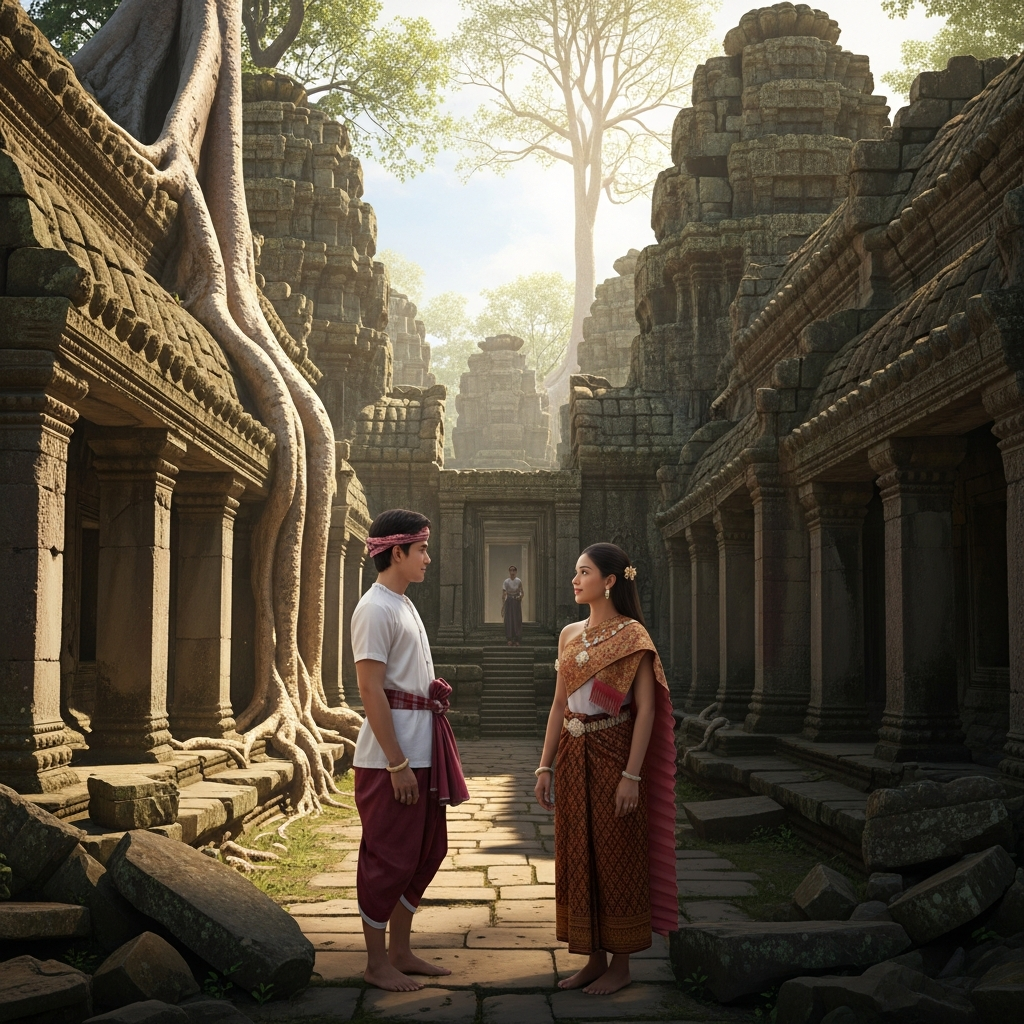
វិនាទីដែលបានជួបថ្ម
ក្រោមមេឃស្រទំ ដែលរុំព័ទ្ធទៅដោយក្លិនអ័ព្ទ និងភាពស្ងប់ស្ងាត់ដ៏គួរឲ្យគោរព កេសរមាលា បានឈានជើងចូលទៅក្នុងបរិវេណប្រាសាទបុរាណ ដែលត្រូវបានសាងសង់ឡើងពីថ្មភក់ពណ៌ក្រហមដ៏មហិមា។ ភាពធ្ងន់ធ្ងរនៃទីតាំងនេះបានសង្កត់លើនាង ដូចជាទម្ងន់នៃប្រវត្តិសាស្ត្ររាប់ពាន់ឆ្នាំ។ រាល់ដង្ហើមដែលនាងស្រូបចូល ហាក់ដូចជាមានផ្ទុកនូវធូលីនៃពេលវេលា នូវសំឡេងខ្សឹបខ្សៀវរបស់ជាងចម្លាក់ដែលបានបូជាជីវិតរបស់ពួកគេដើម្បីកំណត់និមិត្តរូបទេវកថាទៅក្នុងរូបធាតុរឹងមាំនេះ។ នាងបានមកដល់ទីនេះតាមការណែនាំរបស់ សុធារិទ្ធ ដែលជាវិស្វករនៃសិល្បៈ ជាអ្នកដែលបានបន្សល់ទុកនូវបណ្តុំនៃអាថ៌កំបាំងមួយ នៅក្នុងចំណោមស្នាដៃរាប់មិនអស់។ បេសកកម្មរបស់នាង គឺស្វែងរកសញ្ញាឯកជនរបស់ពួកគេ ដែលជាសញ្ញាមួយដែលបានឆ្លាក់ដោយក្តីស្រឡាញ់ និងការលះបង់ នូវអ្វីដែលមើលមិនឃើញសម្រាប់ភ្នែកអ្នកដទៃ ប៉ុន្តែច្បាស់លាស់សម្រាប់តែអ្នកដែលយល់ដឹងពីភាសាថ្មរបស់ពួកគេប៉ុណ្ណោះ។
កេសរមាលា បានចាប់ផ្តើមការស្វែងរករបស់នាងដោយការដើរលេងដ៏យឺតយ៉ាវ ឆ្លងកាត់របងថ្មដែលពោរពេញទៅដោយចម្លាក់រឿងរ៉ាវនៃរាមាយណៈ និងមហាភារតៈ។ រាល់ផ្ទៃថ្មនីមួយៗបានបង្ហាញពីការតស៊ូដ៏អស្ចារ្យនៃការលម្អិត។ នាងបានលើកដៃរបស់នាងឡើង ហើយប៉ះនឹងផ្ទៃថ្មត្រជាក់។ ភាពរដុបរបស់វាបានប្រាប់អំពីភាពស្ថិតស្ថេរ ខណៈពេលដែលថាមពលនៅពីក្រោយការកាប់ឆ្កៀលរបស់ជាងចម្លាក់បានបង្ហាញពីភាពរហ័សរហួននៃជីវិតរបស់មនុស្ស។ នាងបានដឹងថា នៅក្នុងប្រាសាទនេះមានរូបសំណាកទេពអប្សរាជាងមួយពាន់រូប ដែលសុទ្ធតែមានស្នាមញញឹមដូចគ្នា កាយវិការដូចគ្នា ដែលត្រូវបានកំណត់ដោយច្បាប់ដ៏តឹងរ៉ឹងនៃសិល្បៈបុរាណ។ ភារកិច្ចរបស់នាង គឺដើម្បីទម្លុះភាពស្រដៀងគ្នានៃទម្រង់ទាំងនេះ ដើម្បីស្វែងរកចំណុចផ្សេងពីគេបន្តិច ដែលជាភាពខុសប្លែកតិចតួចបំផុត ដែល សុធារិទ្ធ បានប្រើជាហត្ថលេខាផ្ទាល់ខ្លួន។
នាងបានផ្តោតលើជញ្ជាំងខាងកើត ដែលពន្លឺព្រះអាទិត្យពេលរសៀលបានបញ្ចេញស្រមោលដ៏ជ្រៅ បង្ហាញពីវាយនភាពដ៏ស្មុគស្មាញនៃថ្មភក់។ នាងបានចាប់ផ្តើមពិនិត្យមើលរូបចម្លាក់ម្តងមួយៗ នូវទេពអប្សរាដែលកំពុងរាំរែកដែលត្រូវបានចាប់យកក្នុងចលនាដ៏អស់កល្ប។ នាងបានរំឭកពីការសន្ទនារបស់ពួកគេកាលពីប៉ុន្មានឆ្នាំមុន អំពីរបៀបដែល សុធារិទ្ធ អាចបិទបាំងអារម្មណ៍មួយ នូវក្តីសង្ឃឹម ឬភាពឈឺចាប់មួយ ទៅក្នុងថ្ម ដោយធ្វើឲ្យវាក្លាយជាផ្នែកមួយនៃរឿងរ៉ាវដ៏ធំសម្បើម ប៉ុន្តែអាចអានបានសម្រាប់តែនាងប៉ុណ្ណោះ។ គាត់បានប្រាប់នាងថា «រូបចម្លាក់ទាំងអស់មានរឿងរបស់ពួកគេ ប៉ុន្តែស្នាមរបស់យើង គឺជារឿងដែលត្រូវរក្សាទុកនៅចន្លោះបន្ទាត់»។
ការស្វែងរកបានប្រែក្លាយទៅជាការធ្វើសមាធិដ៏លំបាកមួយ។ ភ្នែករបស់ កេសរមាលា បានក្លាយទៅជាឧបករណ៍ឆ្លុះបញ្ចាំងដ៏ល្អិតល្អន់ ដោយបែងចែករវាងគំនូសដែលមានស្តង់ដារ និងគំនូសដែលកើតចេញពីចេតនាឯកជន។ នាងបានមើលឃើញពីរបៀបដែលដៃរបស់ជាងចម្លាក់ផ្សេងទៀតបានឆ្លាក់រូបផ្កាឈូកយ៉ាងល្អឥតខ្ចោះ។ ប៉ុន្តែ សុធារិទ្ធ បានសន្យាថានឹងឆ្លាក់ផ្កាឈូកមួយ ដែលមានកេសរខុសពីធម្មតា នូវនិមិត្តរូបនៃឈ្មោះរបស់នាង។ នាងបានដើរតាមរានហាលថ្មជុំវិញទីធ្លាខាងក្នុងអស់រយៈពេលជាច្រើនម៉ោង។ កំដៅថ្ងៃបានរសាត់ទៅ ជំនួសដោយភាពត្រជាក់នៃល្ងាច ដែលនាំមកនូវក្លិនក្រអូបនៃស្លឹកឈើ និងដីសើម។ នាងមិនបានអស់សង្ឃឹមទេ ដ្បិតនាងដឹងថាការតស៊ូរបស់នាង គឺជាការគោរពចំពោះភាពអត់ធ្មត់របស់ សុធារិទ្ធ ក្នុងការធ្វើការជាមួយថ្មរឹង។
ការជួបថ្មនេះ គឺមិនមែនគ្រាន់តែជាការស្វែងរកថ្មប៉ុណ្ណោះទេ វាគឺជាការជួបជាមួយអតីតកាលដ៏ជ្រៅជ្រះ ដែលជាការព្យាយាមរស់ឡើងវិញនូវអារម្មណ៍ដែលបានកកស្ទះនៅក្នុងរូបធាតុដែលមិនចេះរលត់។ នាងបានចាប់ផ្តើមយល់ពីទស្សនៈវិជ្ជារបស់ សុធារិទ្ធ ថាភាពអស់កល្បជានិច្ចមិនមែនស្ថិតនៅក្នុងការបន្តពូជពង្សទេ ប៉ុន្តែស្ថិតនៅក្នុងការបន្សល់ទុកនូវដានតូចមួយដែលត្រូវបានរក្សាទុកដោយថ្ម។ នៅពេលដែលនាងបានឈានដល់ជ្រុងខាងត្បូងនៃវិចិត្រសាល នាងបានមានអារម្មណ៍ថាមានថាមពលមួយដែលមិនអាចពន្យល់បាន។ វាជាអារម្មណ៍ដែលធ្លាប់ស្គាល់ ដែលជាការដឹងថាវត្តមានរបស់គាត់បានហូរចូលទៅក្នុងទីតាំងជាក់លាក់នេះ។
នៅទីនោះ ក្នុងចំណោមរូបចម្លាក់នាគរាជដែលជាទូទៅត្រូវបានគេឆ្លាក់ដោយការថ្វាយបង្គំដ៏តឹងរ៉ឹង នាងបានរកឃើញវា។ វាជាផ្កាឈូកតូចមួយ ដែលលេចចេញពីថ្មនៅខាងក្រោមជើងរបស់ទេពអប្សរាមួយអង្គ។ រូបរាងផ្កាទាំងនោះមិនបានអនុលោមតាមលំនាំរចនាបទស្តង់ដារទេ។ ជំនួសឱ្យផ្កាក្នុងស្រុកទាំងប្រាំបី ផ្កានេះមានប្រាំបួន ដែលជាចំនួនដែលតំណាងឱ្យចំណងដ៏បរិសុទ្ធរបស់ពួកគេ។ លើសពីនេះទៅទៀត លំអងនៅកណ្តាលនៃផ្កាឈូកនោះ ត្រូវបានឆ្លាក់ដោយចំណុចដ៏តូចមួយ ដែលមានរាងដូចរាងពងក្រពើ—ដែលជាសញ្ញាសម្ងាត់របស់ សុធារិទ្ធ ដែលជាការតំណាងឱ្យពាក្យទីមួយដែលគាត់បាននិយាយទៅកាន់នាង។ នាងបានលុតជង្គង់ចុះ ហើយម្រាមដៃរបស់នាងបានត្រដុសលើផ្ទៃថ្មដ៏សាមញ្ញនោះ។
វិនាទីដែលនាងបានជួបថ្មនោះ គឺជារលកនៃសេចក្តីស្រឡាញ់ និងការយល់ដឹង ដែលបានហូរចូលមកក្នុងចិត្តរបស់នាង។ ថ្មដែលពីមុនត្រជាក់ បានក្លាយទៅជាមានជីវិតឡើងវិញ នូវបន្ទប់ដាក់ការចងចាំមួយ។ វាមិនមែនជាការរកឃើញដ៏អស្ចារ្យនោះទេ វាមិនមែនជាកំណប់ទ្រព្យនៃមាសទេ ប៉ុន្តែវាគឺជាការរកឃើញដ៏មានតម្លៃបំផុត—ការបញ្ជាក់អំពីទំនាក់ទំនងរបស់ពួកគេ ដែលត្រូវបានការពារដោយរចនាសម្ព័ន្ធដ៏ធំសម្បើមនេះ។ ស្នាមញញឹមបានផុសឡើងលើមុខរបស់នាង នូវស្នាមញញឹមដ៏ស្ងប់ស្ងាត់មួយដែលបានឆ្លើយតបទៅនឹងភាពស្ងប់ស្ងាត់នៃទីធ្លាប្រាសាទ។ នាងបានដឹងថា សុធារិទ្ធ បានប្រើភាពអស់កល្បជានិច្ចនៃថ្ម ដើម្បីផ្តល់ជីវិតដល់សេចក្តីស្រឡាញ់រមែងស្លាប់របស់ពួកគេ។ នៅក្នុងពិភពលោកមួយដែលអ្វីៗទាំងអស់បានបាត់បង់ទៅតាមពេល តែស្នាមតូចមួយនេះនៅតែបន្តប្រាប់ពីរឿងរ៉ាវរបស់ពួកគេដោយស្ងាត់ស្ងៀម។ វិនាទីនោះ គឺជាទីបញ្ចប់នៃការស្វែងរក ហើយជាការចាប់ផ្តើមនៃការយល់ដឹងដ៏ជ្រាលជ្រៅមួយអំពីតម្លៃនៃសញ្ញាតូចៗដែលយើងបន្សល់ទុក។ ថ្មមិនមែនគ្រាន់តែជាសម្ភារៈសំណង់ទេ វាគឺជាអ្នករក្សាទុកនូវដួងចិត្ត។
Under the solemn sky, enveloped in the scent of mist and reverent silence, Kesormalea stepped into the ancient temple complex, constructed from colossal red sandstone. The sheer gravity of the location pressed upon her, like the weight of millennia of history. Every breath she took seemed to contain the dust of time, the whispers of sculptors who had devoted their lives to fixing mythological symbols into this solid matter. She had come here following the instruction of Sotharith, the architect of sentiment, the man who had left a composite secret amongst the myriad works. Her mission was to find their private sign, a cipher carved with love and dedication, invisible to the eyes of others, but perfectly legible only to those who understood their unique language of stone.
Kesormalea began her search with a deliberate, slow traverse, moving along the stone enclosure walls saturated with depictions from the Ramayana and Mahabharata. Each stone surface revealed a monumental struggle of intricate detail. She raised her hand and brushed the cool surface of the rock. Its roughness spoke of permanence, while the energy behind the sculptor’s chisel implied the fleeting nature of human life. She knew that within this temple, there were over a thousand statues of Apsaras, all bearing the same standardized smile, the same choreographed gesture, dictated by the strict canons of ancient art. Her task was to penetrate the uniformity of these forms, to seek out the subtle deviation, the minimal imperfection that Sotharith had used as his personal signature.
She focused on the eastern wall, where the late afternoon sun cast deep shadows, highlighting the complex texture of the sandstone. She began inspecting the carvings one by one, the dancing celestial nymphs caught in eternal movement. She recalled their conversations from years prior, about how Sotharith could embed an emotion—a flicker of hope or a pang of sadness—into the stone, making it part of the grand narrative yet only readable by her. He had told her, “Every carving tells its story, but our mark is the narrative kept between the lines.”
The search transformed into a grueling meditation. Kesormalea’s eyes became meticulous instruments of reflection, differentiating between the strokes mandated by standardization and those stemming from private intention. She saw how other artisans had carved the lotus flowers with flawless precision. But Sotharith had promised to carve a specific lotus, one with an unusual number of stamens (kesor), symbolizing her very name. She walked the stone galleries surrounding the inner court for hours. The heat of the day receded, replaced by the cool dampness of evening, carrying the scent of moss and wet earth. She did not lose heart, for she knew her persistence was a tribute to Sotharith’s own patience in working with the intractable rock.
The act of meeting the stone was not merely a physical quest; it was a profound encounter with the past, an attempt to resuscitate a feeling frozen within an immutable medium. She began to grasp Sotharith’s philosophy: that eternity lay not in procreation, but in leaving a diminutive, preserved trace within the rock’s custody. As she reached the southern corner of the gallery, she felt an inexplicable pull. It was a familiar resonance, an intuition that his presence had flowed into this specific location.
There, amongst the strict devotional depictions of devatas and nāgas, she found it. It was a small, unassuming lotus emerging from the stone beneath the foot of an Apsara. The formation of the petals did not conform to the standard stylistic pattern. Instead of the typical eight native petals, this one possessed nine, a numerical representation of their sacred bond. Furthermore, the anther (kesor) at the center of the lotus was carved with a minute, elliptical point—Sotharith’s secret symbol, a representation of the very first word he had spoken to her. She knelt, her fingers gently tracing the humble surface.
The moment she met the stone, a wave of love and profound comprehension flooded her consciousness. The rock, formerly cold, became instantly alive, a chamber holding a singular memory. It was not a grand discovery, nor a treasure of gold, but the most precious finding—the confirmation of their link, guarded by this colossal structure. A smile bloomed on her face, a quiet joy that mirrored the tranquility of the temple courtyard. She realized Sotharith had utilized the stone’s everlasting nature to grant immortality to their mortal affection. In a world where everything eventually yields to entropy, this tiny mark silently continued to tell their story. That fleeting instant marked the end of her physical search and the beginning of a deeper understanding of the value of the small signs we leave behind. The stone was not merely material; it was the keeper of the heart.
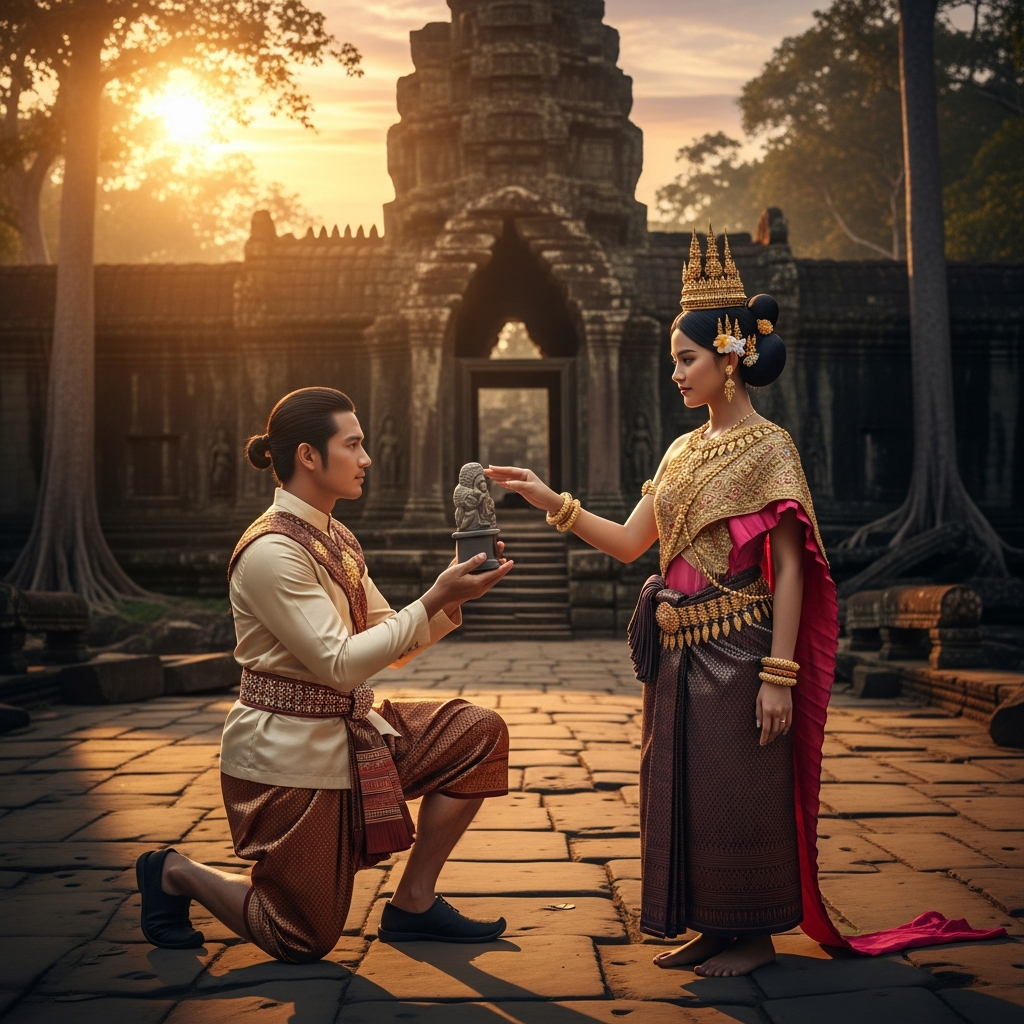
ការស្រាយចម្លាក់នៃភក្តីភាព
កេសរមាលាឈរនៅកណ្ដាលរូងថ្មដែលពោរពេញដោយភាពស្ងប់ស្ងាត់ជ្រៅបំផុត ដែលភាពស្ងប់ស្ងាត់នោះហាក់បីដូចជាផ្ទុកនូវទម្ងន់នៃសតវត្សរ៍ដែលត្រូវបានបំភ្លេចចោល។ នាងបានដឹងភ្លាមៗថាទីនេះគឺជាចំណុចកណ្ដាលនៃអាថ៌កំបាំងដែលសុធារិទ្ធធ្លាប់បានបង្ហើបឱ្យដឹង នោះគឺជាទីកន្លែងដែលសច្ចៈនៃភក្តីភាពត្រូវបានលាក់បាំងតាំងពីបុរាណកាល។ ដៃរបស់នាងបានស្ទាបអង្អែលជញ្ជាំងថ្មត្រជាក់រហូតដល់នាងរកឃើញរន្ធតូចមួយដែលត្រូវបានបិទបាំងដោយបណ្ដុំស្លឹកឈើស្ងួតនិងធូលីដីរាប់មិនអស់។ នៅពេលនាងដកវាចេញ ភាពប្រណិតនៃពន្លឺពណ៌មាសស្រាលៗបានចាំងប៉ះនឹងវត្ថុបុរាណដ៏ផុយស្រួយមួយ។ នោះគឺជាផ្កាក្រវាន់ស្ងួតដែលត្រូវបានបិតជាប់ទៅនឹងបំណែកនៃស្បែកសត្វដ៏ផុយស្រួយមួយដុំដោយការថែទាំយ៉ាងហ្មត់ចត់បំផុត។ ក្លិនក្រអូបដ៏តិចតួចនៃផ្កានោះ ទោះបីជាវាមានអាយុកាលរាប់សតវត្សរ៍ក៏ដោយ ក៏នៅតែបង្កប់នូវសារដ៏គួរឱ្យគោរពមួយអំពីភាពឋិតថេរនិងការលះបង់មិនចេះរីងស្ងួត។ ផ្កាក្រវាន់ក្នុងវប្បធម៌នគរខ្មែរ គឺជាតំណាងឱ្យភាពបរិសុទ្ធ ភាពបរិសុទ្ធដែលមិនអាចបំផ្លាញបាន និងភាពស្មោះត្រង់ដែលមិនអាចកាត់ថ្លៃបាន។
នាងសម្លឹងមើលផ្កានោះដោយក្តីគោរព រួចងាកទៅមើលផ្ទាំងនិទានរឿងដែលបានឆ្លាក់លើជញ្ជាំងដែលព័ទ្ធជុំវិញនាង។ ផ្ទាំងចម្លាក់ទាំងនោះមិនមែនត្រឹមតែជារូបភាពប៉ុណ្ណោះទេ វាគឺជាកំណត់ត្រាប្រវត្តិសាស្ត្រនៃរាជវង្សដែលបានកន្លងផុតទៅ ដែលបង្ហាញពីវីរភាពដ៏អស្ចារ្យរបស់ស្ដេចបុរាណនិងការលះបង់ដ៏ស្ងាត់ស្ងៀមរបស់មេទ័ពដែលគ្មានឈ្មោះម្នាក់។ នាងបានចាប់ផ្ដើមស្រាយកូដដោយការប្រៀបធៀបទីតាំងផ្កាក្រវាន់ទៅនឹងសាច់រឿងដែលបានឆ្លាក់។ នៅក្នុងផ្ទាំងទីមួយ ដែលបង្ហាញពីការតស៊ូដ៏ខ្លាំងក្លានៅលើសមរភូមិ នាងបានកត់សម្គាល់ឃើញនិមិត្តសញ្ញាផ្កាក្រវាន់តូចមួយដែលត្រូវបានលាក់ទុកយ៉ាងប៉ិនប្រសប់នៅជ្រុងម្ខាងនៃទង់ជ័យដែលរហែក។ នាងយល់ថាផ្កានោះមិនមែនគ្រាន់តែជានិមិត្តសញ្ញាធម្មតានោះទេ វាគឺជាលេខកូដសម្ងាត់ (Cipher) ដែលបញ្ជាក់យ៉ាងច្បាស់ថាទង្វើប្រយុទ្ធទាំងនោះកើតចេញពីចិត្តភក្តីភាពពិតប្រាកដ មិនមែនដើម្បីកិត្តិយស ឫការស្រេកឃ្លានអំណាចនោះឡើយ។
ការឌិកូដរបស់នាងបានបន្តទៅលើផ្ទាំងទីពីរ ដែលបង្ហាញពីស្ថានភាពស្ដេចកំពុងនិរទេសខ្លួន ហើយមេទ័ពនោះនៅតែដើរតាមពីក្រោយដោយទឹកមុខឥតសោកសៅ។ នៅពីលើដំបូលផ្ទះដែលស្ដេចជ្រកកោន គឺមានរូបឆ្លាក់ផ្កាក្រវាន់មួយទៀត ប៉ុន្តែលើកនេះវាមានពណ៌ខ្មៅស្រអាប់ ឆ្លុះបញ្ចាំងពីភាពសោកសៅនិងការឈឺចាប់ដែលទាមទារនូវភាពស្មោះត្រង់ដ៏ឧត្តម។ កេសរមាលាបានយល់ថា ភក្តីភាពពិតប្រាកដមិនត្រូវបានវាស់វែងដោយភាពជោគជ័យឡើយ ប៉ុន្តែត្រូវបានវាស់វែងដោយភាពឋិតថេរនៅពេលដែលសិរីរុងរឿងបានរលត់បាត់ទៅវិញ។ វាជាការប្ដេជ្ញាចិត្តដ៏មុតមាំដើម្បីនៅរួមសុខរួមទុក្ខជាមួយមេដឹកនាំទោះបីជាទ្រង់អស់អំណាចហើយក៏ដោយ។ នេះជាការលះបង់ខ្លួនឯងដែលគ្មាននរណាម្នាក់បានកត់ត្រាក្នុងសៀវភៅប្រវត្តិសាស្ត្រ លើកលែងតែផ្ទាំងចម្លាក់សម្ងាត់នេះ។
នាងបានឈានដល់ផ្ទាំងចម្លាក់ចុងក្រោយ ដែលជារូបភាពស្ងប់ស្ងាត់បំផុត។ ផ្ទាំងនោះបង្ហាញពីការស្ថាបនាឡើងវិញនូវនគរដែលខូចខាត។ ក្នុងផ្ទាំងនេះ មេទ័ពនោះត្រូវបានបង្ហាញត្រឹមជាស្រមោលអន្ធការដែលកំពុងធ្វើការងារដោយដៃទទេ គ្មានពាក់ឯកសណ្ឋានយោធាអ្វីឡើយ។ នៅក្នុងបេះដូងនៃផ្ទាំងនោះ ផ្កាក្រវាន់ដ៏ធំមួយត្រូវបានឆ្លាក់យ៉ាងច្បាស់លាស់ ដោយមានស្នាមជ្រីវជ្រួញនៃពេលវេលា។ ផ្កានេះតំណាងឱ្យភាពចាស់ទុំនៃភក្តីភាព ដែលបានប្រែក្លាយពីសច្ចៈដ៏ក្លាហានទៅជាការបម្រើដ៏រាបទាបក្នុងនាមជាអ្នកស្ថាបនា។ នាងបានយល់ថា សុធារិទ្ធមិនត្រឹមតែចង់បង្ហាញពីប្រវត្តិនៃវីរជនម្នាក់ប៉ុណ្ណោះទេ ប៉ុន្តែចង់បង្ហាញអំពីធម្មជាតិនៃភក្តីភាពខ្លួនឯង។ ភក្តីភាពពិតប្រាកដមិនទាមទារការសរសើរទេ។ វាជាអណ្ដាតភ្លើងដែលឆេះក្នុងភាពស្ងាត់ស្ងៀម ស្ថិតស្ថេរក្នុងភាពអត់ធ្មត់ និងរីកចម្រើនឡើងវិញតាមរយៈការបម្រើដោយឥតលក្ខខណ្ឌ។ ភាពស្មោះត្រង់នេះគឺជាអំពើដ៏ស្ងាត់ស្ងៀមមួយ ដែលជាមូលដ្ឋានគ្រឹះនៃអរិយធម៌ដ៏យូរអង្វែង មិនមែនជាការបង្ហាញដ៏ខ្លាំងក្លានោះទេ។ តាមរយៈការស្រាយចម្លាក់នេះ កេសរមាលាបានរកឃើញថាផ្កាក្រវាន់គឺជាត្រាដែលបញ្ជាក់ថាទង្វើទាំងអស់ត្រូវបានធ្វើឡើងដោយបេះដូងដែលមិនលោភលន់។ ចំណេះដឹងនេះមិនត្រឹមតែបកស្រាយអាថ៌កំបាំងបុរាណប៉ុណ្ណោះទេ ថែមទាំងបានបង្រៀននាងអំពីអត្ថន័យជ្រាលជ្រៅនៃភាពស្មោះត្រង់ដែលសុធារិទ្ធតែងតែប្រកាន់ខ្ជាប់ក្នុងជីវិតរបស់គាត់ផងដែរ។ នាងមានអារម្មណ៍ថា សុធារិទ្ធបានទុកសារនេះសម្រាប់នាងដើម្បីស្វែងយល់ពីឫសគល់នៃកម្លាំងចិត្តរបស់គាត់។ ភាពថ្លៃថ្នូរនៃបុព្វហេតុ ត្រូវបានវាស់ដោយចេតនាដើម មិនមែនដោយលទ្ធផលចុងក្រោយនោះឡើយ។ ភាពភក្ដីដែលត្រូវបានអ៊ិនកូដនៅក្នុងផ្ទាំងនិទានរឿងទាំងនេះ គឺជាបទពិសោធន៍ដ៏ជ្រាលជ្រៅមួយអំពីការលះបង់ខ្លួនឯងដល់ទីបញ្ចប់។
Kesormala stood in the heart of the cavern, enveloped by a profound silence that seemed to carry the entire weight of forgotten millennia. She realized immediately that this was the epicenter of the enigma Sotharith had hinted at—the sanctuary where the true meaning of devotion had been encrypted since antiquity. Her fingers traced the cold stone wall until they found a slight, hidden recess concealed by a cluster of dry leaves and countless layers of dust. As she brushed them away, the subtle elegance of a faint golden light reflected off a fragile, ancient artifact. It was a perfectly preserved Kravanh flower, pressed onto a delicate piece of animal hide with meticulous care. The subtle, sweet fragrance of the blossom, though centuries old, still held a compelling, reverent message of permanence and unyielding dedication. The Kravanh flower, in the context of the Khmer kingdom, symbolizes incorruptible purity, hidden virtue, and unwavering fidelity.
She gazed at the relic with deep respect, then turned her attention to the vast narrative murals carved into the walls surrounding her. These bas-reliefs were not mere illustrations; they were the cryptic historical records of a vanished dynasty, depicting the great heroism of an ancient monarch and the silent, monumental sacrifice of an unnamed general. Kesormala began her decoding process by correlating the location of the Kravanh motif with the carved storyline. In the first panel, which illustrated a fierce struggle on the battlefield, she noticed a minuscule Kravanh emblem skillfully concealed within the tattered edges of the royal standard. She understood instantly: the flower was not merely a symbol; it was the encoded cipher (Kòde) confirming that all the depicted acts of combat and bravery stemmed purely from genuine loyalty, detached from any yearning for glory or hunger for power.
Her decryption progressed to the second panel, which depicted the monarch in exile, with the general steadfastly following behind, his expression devoid of sorrow or complaint. Above the humble roof sheltering the exiled king, there was another Kravanh carving, but this one was subtly darkened, reflecting the sorrow and profound hardship that demanded supreme devotion. Kesormala realized that true loyalty is not measured by success or the radiance of victory, but by perseverance when glory has faded. It was the unwavering commitment to stay beside the leader even in their deepest decline. This was self-abnegation that no formal history book recorded, save for this secretive mural sequence.
She moved to the final carving, the most tranquil image of the sequence. It depicted the painstaking process of rebuilding the shattered kingdom. In this panel, the general was shown merely as a dark silhouette, working with bare hands, stripped of military regalia. At the heart of this scene, a large Kravanh flower was clearly etched, marked by the deep lines of time. This flower represented the maturity of devotion—a loyalty that had evolved from a brave oath into the humble, foundational service of a builder. She understood that Sotharith was not merely intending to display the history of one hero, but the intrinsic nature of loyalty itself. True devotion requires no external commendation. It is the silent flame that burns steadily, rooted in patience, and rejuvenated through unconditional service. This fidelity is a quiet act, the fundamental bedrock of enduring civilization, rather than a boisterous display. Through this intricate deciphering, Kesormala found that the Kravanh was the seal verifying that all actions were performed by an uncontaminated heart. This knowledge not only unlocked an ancient mystery but also deeply instructed her on the profound quality of loyalty that Sotharith always upheld in his own life. She sensed Sotharith had left this message precisely for her to understand the genesis of his moral strength. The nobility of a cause, she concluded, is measured by its original intent, not its final outcome. The loyalty encoded within these narrative panels was a transcendent lesson in ultimate self-sacrifice and enduring commitment.
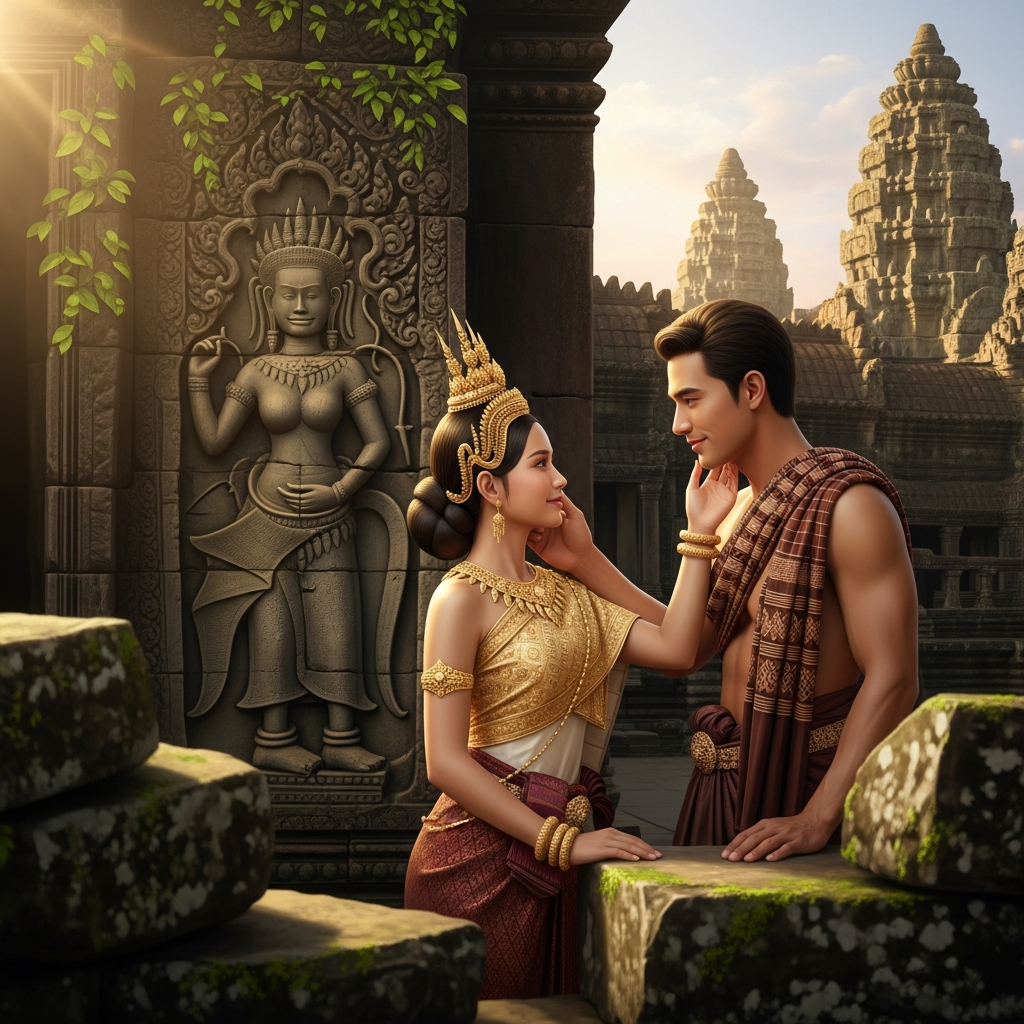
សារស្នេហ៍ក្នុងចម្លាក់នាងទេព
ក្នុងចំណោមសសរថ្មភក់ដ៏ធំអស្ចារ្យដែលត្រូវបានហ៊ុមព័ទ្ធដោយស្លែ និងដីល្បាប់នៃអតីតកាល កេសរមាលា បានបន្តដំណើរស្វែងរកដោយភាពស្ងប់ស្ងាត់ ហាក់បីដូចជាទស្សនីយភាពនៃការបាក់បែកទាំងនេះគឺជាផែនទីដែលបង្ហាញផ្លូវទៅកាន់ការចងចាំដ៏សំខាន់បំផុតមួយក្នុងជីវិតរបស់នាង។ នាងបានដើរចូលទៅក្នុងបន្ទប់ប្រាសាទមួយដែលមានពន្លឺស្រាលៗ ដែលគេកម្រនឹងឈានជើងចូលដល់។ ក្លិនក្រអូបនៃឫសឈើនិងភាពត្រជាក់នៃវត្ថុបុរាណបានរុំព័ទ្ធរាងកាយនាង។ នាងកំពុងស្វែងរកសិលាចារឹក ឬរូបសំណាកណាមួយដែលអាចបង្ហាញពីគន្លឹះ ឬភស្តុតាងដែល សុធារិទ្ធ ដែលជាជាងចម្លាក់ដ៏ប៉ិនប្រសប់ បានបន្សល់ទុកមុនពេលគាត់ចាកចេញទៅបេសកកម្មដោះដូរវប្បធម៌មួយនៅឯនគរឆ្ងាយ។ ពេលវេលាបានកន្លងផុតទៅអស់រយៈពេលដប់រដូវហើយ ប៉ុន្តែការសន្យាលាគ្នារបស់គាត់នៅតែដក់ជាប់ក្នុងសតិអារម្មណ៍របស់នាងដូចជាស្នាមសាក់ដែលមើលមិនឃើញ។
ពន្លឺថ្ងៃត្រង់បានចោះតាមប្រហោងតូចមួយនៃជញ្ជាំងថ្ម ធ្លាក់ចំផ្ទាំងចម្លាក់មួយដែលមានរូបទេវតាតូចមួយដែលស្ថិតនៅផ្នែកខាងក្រោមនៃផ្ទាំងសិលាដ៏ធំមួយ។ ទេពអប្សរានោះមិនមែនជាតួអង្គសំខាន់នៃផ្ទាំងចម្លាក់ទេ គឺជារូបបរិវារមួយអង្គដែលស្ថិតក្នុងឥរិយាបថរាំយ៉ាងទន់ភ្លន់។ ភ្នែករបស់ កេសរមាលា បានចាប់ផ្តើមពិនិត្យទៅលើលម្អិតតូចៗនៃចម្លាក់នោះ។ សម្លៀកបំពាក់ទេវតានោះត្រូវបានឆ្លាក់យ៉ាងល្អិតល្អន់ ដោយបង្ហាញពីផ្នត់ក្រណាត់ដែលហាក់ដូចជាមានខ្យល់បក់មកប៉ះ។ ភាពស្ងប់ស្ងាត់នៃទីកន្លែងនេះត្រូវបានជំនួសដោយសំឡេងបេះដូងរបស់នាងដែលលោតញាប់ខុសពីធម្មតា នៅពេលនាងចាប់ផ្តើមមើលឃើញនូវវត្ថុដែលទេវតាកំពុងតែកាន់នៅក្នុងដៃស្តាំ។
នោះគឺជាផ្កាឈូកមួយទង! វាមិនមែនជាផ្កាឈូកធម្មតាដែលឆ្លាក់នៅលើចម្លាក់ផ្សេងទៀតនោះទេ។ ផ្កាឈូកនេះត្រូវបានឆ្លាក់ដោយប្រុងប្រយ័ត្នបំផុត មានរាងដូចជាត្របកផ្កាបិទជិត ដែលតំណាងឱ្យពន្លកត្បូងថ្មខៀវ (Jade Lotus Bud) ដែល សុធារិទ្ធ បានសន្យាថានឹងយកវាមកឱ្យនាងនៅពេលដែលគាត់ត្រឡប់មកវិញ។ គាត់បាននិយាយថា «កេសរមាលា បងនឹងត្រឡប់មកវិញជាមួយផ្កាឈូកថ្មខៀវនេះ នៅពេលដែលវប្បធម៌របស់យើងបានចាក់ឫសគល់នៅទីនោះ ហើយវានឹងក្លាយជាសញ្ញានៃសេចក្តីសង្ឃឹម»។ នាងនៅចាំយ៉ាងច្បាស់នូវទឹកមុខដ៏ម៉ឺងម៉ាត់របស់គាត់ និងរបៀបដែលគាត់បានលើកដៃស្តាំរបស់គាត់ត្រឹមស្មា ដើម្បីបង្ហាញពីទំហំនៃវត្ថុដែលគាត់នឹងយកមក—ដែលជាកាយវិការដែលទេវតានៅលើចម្លាក់នេះកំពុងធ្វើដូចគ្នាបេះបិទ។
អារម្មណ៍រំភើប និងការឈឺចាប់ដ៏សែនជ្រាលជ្រៅបានជន់លិចដួងចិត្តរបស់ កេសរមាលា ។ តើអាចទេដែលថា សុធារិទ្ធ មិនត្រឹមតែបានបន្សល់ទុកនូវពាក្យសម្ដីនោះទេ តែគាត់បានប្រើជំនាញសិល្បៈដ៏អស្ចារ្យរបស់គាត់ដើម្បីឆ្លាក់សារស្នេហ៍មួយដែលមិនអាចរលាយសាបសូន្យនៅក្នុងថ្មនេះ? នាងបានឈានជើងចូលទៅជិតផ្ទាំងចម្លាក់ ហើយប៉ះវាដោយចុងម្រាមដៃរបស់នាង។ ផ្ទៃថ្មមានភាពរលោងត្រជាក់ ប៉ុន្តែសារដែលបង្កប់នៅក្នុងនោះមានភាពកក់ក្តៅដូចជាការឱបដ៏យូរអង្វែង។ ចម្លាក់នេះបានក្លាយជាភាសាសម្ងាត់មួយរវាងអ្នកទាំងពីរ ជាការបញ្ជាក់អំពីភាពស្មោះត្រង់របស់គាត់ដែលបានលាតត្រដាងឆ្លងកាត់រយៈពេលដ៏យូរនៃភាពឯកោ។
លក្ខណៈពិសេសមួយទៀតដែលទាក់ទាញចំណាប់អារម្មណ៍របស់នាងគឺរបៀបដែលផ្កាឈូកត្បូងថ្មខៀវត្រូវបានឆ្លាក់។ ជាងចម្លាក់បានបង្ហាញនូវពន្លកផ្កានោះដោយប្រើបច្ចេកទេសពិសេសមួយដែលធ្វើឱ្យវាមើលទៅដូចជាវាត្រូវបានព្យួរនៅក្នុងលំហ។ វាហាក់ដូចជាទេពធីតាកំពុងរង់ចាំនរណាម្នាក់ទទួលយកវត្ថុនោះ។ សុធារិទ្ធ ធ្លាប់បានពន្យល់នាងថា រូបចម្លាក់ដែលគាត់បានកែច្នៃ គឺតែងតែមានអត្ថន័យទ្វេរដង—អត្ថន័យសម្រាប់សាធារណជន និងអត្ថន័យសម្ងាត់សម្រាប់តែនាងប៉ុណ្ណោះ។ នេះគឺជាភស្តុតាងដែលបញ្ជាក់ពីពាក្យសម្ដីនោះ។ ការសន្យារបស់គាត់ត្រូវបានបំប្លែងទៅជាសិល្បៈដ៏ខ្ពង់ខ្ពស់ ជាការអះអាងដ៏រឹងមាំមួយដែលប្រឆាំងនឹងការច្រេះស៊ីនៃពេលវេលា។
កេសរមាលា បានអង្គុយចុះនៅមុខចម្លាក់នោះ អនុញ្ញាតឱ្យអារម្មណ៍ទាំងអស់ហូរចេញមក។ ការនឹករលឹកដែលនាងបានសង្កត់ទុកជាយូរមកហើយ ឥឡូវនេះបានក្លាយជាសេចក្តីសង្ឃឹមដែលត្រូវបានបញ្ជាក់ច្បាស់លាស់។ នាងបានស្រមៃអំពី សុធារិទ្ធ កំពុងធ្វើការនៅទីនេះ ដោយចំណាយពេលជាច្រើនខែ ដើម្បីឆ្លាក់ទេពអប្សរានេះ។ គាត់ត្រូវតែមានអារម្មណ៍នឹកនាងខ្លាំងណាស់ ទើបគាត់បានបំពាក់នូវគ្រឿងលម្អដែលស្តាប់ទៅដូចជាធម្មតា ប៉ុន្តែមានន័យយ៉ាងជ្រាលជ្រៅសម្រាប់ពួកគេ។ ការងារសិល្បៈនេះបានលាតត្រដាងនូវភាពស្មោះត្រង់របស់បុរសម្នាក់ដែលបានដឹងថា ការចាកចេញរបស់គាត់អាចនាំមកនូវការសង្ស័យ និងភាពភ័យខ្លាចដល់ចិត្តរបស់នារីដែលគាត់ស្រលាញ់។ ដូច្នេះហើយ គាត់បានបង្កើតយុទ្ធសាស្ត្រដ៏ល្អឥតខ្ចោះមួយដើម្បីទំនាក់ទំនងតាមរយៈសិល្បៈ។
រូបចម្លាក់តូចមួយនេះមិនត្រឹមតែជានិមិត្តរូបនៃការសន្យាប៉ុណ្ណោះទេ វាគឺជាលិខិតមួយដែល សុធារិទ្ធ បានសរសេរដោយប្រើញញួរនិងចាំង។ វាជារូបភាពនៃសេចក្តីស្រឡាញ់ដែលបានអភិរក្សក្នុងទម្រង់ដែលមិនអាចបំផ្លាញបាន។ នាងបានរៀនពីថ្ងៃនេះថា សេចក្តីស្រឡាញ់ពិតមិនចាំបាច់ត្រូវការវត្តមានរាងកាយនោះទេ ពេលខ្លះវាអាចត្រូវបានរកឃើញនៅក្នុងបន្ទាត់កោងនៃសិល្បៈបុរាណ នៅក្នុងលម្អិតដ៏ល្អិតល្អន់នៃផ្កាឈូកថ្មខៀវតូចមួយដែលទេវតាកំពុងកាន់។ ការរកឃើញនេះបានបញ្ចប់នូវការរង់ចាំដ៏វែងឆ្ងាយរបស់នាង—មិនមែនដោយការត្រឡប់មកវិញរបស់គាត់ភ្លាមៗនោះទេ ប៉ុន្តែដោយការយល់ដឹងច្បាស់លាស់ថាបេះដូងរបស់គាត់នៅតែរក្សានូវពាក្យសច្ចា។ នាងបានក្រោកឈរឡើង មុខរបស់នាងមានភាពភ្លឺថ្លាដោយការសម្រេចចិត្តថ្មី។ នាងដឹងច្បាស់ថាការរង់ចាំនឹងបន្ត ប៉ុន្តែឥឡូវនេះវាពោរពេញទៅដោយសន្តិភាព និងការយល់ដឹងដ៏ជ្រាលជ្រៅអំពីជម្រៅនៃចំណងស្នេហ៍របស់ពួកគេ។ ទេពអប្សរានៅតែរាំ រក្សានូវការសន្យាដ៏អស់កល្បជានិច្ចនៅក្នុងបាតដៃរបស់ខ្លួន ហាក់បីដូចជាទស្សនីយភាពនៃការបាក់បែកទាំងនេះគឺជាផែនទីដែលបង្ហាញផ្លូវទៅកាន់ការចងចាំដ៏សំខាន់បំផុតមួយក្នុងជីវិតរបស់នាង។ នាងបានដើរចេញពីបន្ទប់ប្រាសាទនោះដោយអារម្មណ៍ពេញលេញនូវថាមពលនៃសេចក្តីស្នេហាដែលត្រូវបានឆ្លាក់ជារៀងរហូត។
Amidst the staggering columns of sandstone, thickly webbed with moss and the sediment of ages, Kesor Mala continued her silent exploration, moving as if these ruins were a map leading her directly to the most vital memory of her life. She stepped into a dimly lit chamber of the temple, a sanctum rarely disturbed by foot traffic. The scent of ancient roots and the coolness of the centuries-old stone enveloped her. She was seeking any inscription or statuary detail that might hint at a clue, a tangible confirmation left by Sudharith, the master sculptor, before he departed on a lengthy mission of cultural exchange to a distant kingdom. Ten seasons had passed, yet his parting promise remained etched into her consciousness like an invisible scar.
Midday sunlight pierced a tiny fissure in the stone wall, casting a sharp, focused beam onto a particular bas-relief featuring a minor celestial figure located near the lower edge of the vast lintel. This Apsara was not the central theme; she was a subsidiary dancer caught in a delicate, flowing posture. Kesor Mala’s eyes began to scan the minute details of the carving. The deity’s garments were rendered with meticulous precision, displaying folds that seemed to ripple with an imagined breeze. The profound silence of the place was abruptly shattered by the frantic rhythm of her own heart as she focused on the specific object held in the deity’s right hand.
It was a lotus! But not the generalized lotus motifs found everywhere else in the temple art. This lotus was carved with extreme care, its petals tightly closed, symbolizing the jade lotus bud (Champa Khiev) that Sudharith had vowed to bring back to her upon his triumphant return. He had whispered, ‘Kesor Mala, I will return with this jade lotus, a sign that our culture has taken root there, and it will be the symbol of our enduring hope.’ She vividly recalled his solemn gaze and the specific way he had raised his right arm level with his shoulder to indicate the size of the object he would bring—a gesture mirrored identically by the deity in the sculpture.
A wave of overwhelming excitement and profound aching joy washed over Kesor Mala. Could it be possible that Sudharith had not merely left a verbal assurance, but had used his supreme artistic skill to carve an indelible message of love into the stone itself? She stepped closer, reaching out to touch the sculpture with the tips of her fingers. The stone was smooth and cool, yet the message embedded within felt warm, like a lingering embrace. This carving had become a secret language between them, a definitive confirmation of his fidelity spanning the long period of their separation.
Another striking feature that captured her attention was the rendering of the jade lotus bud. The sculptor had utilized a unique technique that made the bud appear suspended in space, almost weightless. It looked as if the celestial dancer was poised, awaiting someone to receive the artifact. Sudharith had once explained to her that the carvings he personally refined always carried a double meaning—one for the public, and a secret, intimate significance reserved solely for her. This was the irrefutable proof of that declaration. His promise had been transformed into high art, a steadfast affirmation defying the erosion of time.
Kesor Mala sank slowly onto the stone floor before the carving, allowing the surge of emotion to fully express itself. The persistent longing she had suppressed for so long now transformed into a palpable certainty of hope. She imagined Sudharith working here, spending months perfecting this subsidiary Apsara. He must have missed her terribly to invest such significant meaning into a seemingly conventional artistic embellishment. This masterpiece revealed the depth of loyalty of a man who understood that his departure might sow seeds of doubt and fear in the heart of the woman he loved. Thus, he devised the perfect strategy for communication through the permanence of art.
This small sculpture was more than just a symbol of a promise; it was a letter Sudharith had written with hammer and chisel. It was an image of devotion preserved in an indestructible form. She learned this day that true affection did not necessitate physical presence; sometimes, it could be found in the subtle curve of ancient artwork, in the precise detailing of a minuscule jade lotus bud held by a celestial figure. This discovery concluded her long wait—not by his immediate return, but by the profound, clarifying realization that his heart remained true to his vow. She rose, her face alight with renewed resolution. She knew the waiting would continue, but now it was imbued with peace and a deep understanding of the unbreakable nature of their bond. The Apsara continued its eternal dance, safeguarding the timeless promise in its palm, a lapidary testament that transcended all temporal concerns. She walked out of the chamber, infused with the undeniable energy of a love carved forever into time.
កម្លាំងនៃសេចក្តីអត់ធ្មត់
ភាពទទេរស្អាតនៃការនិរទេសបានរុំព័ទ្ធកេសរមាលាដូចជាសម្លៀកបំពាក់ដ៏ត្រជាក់បំផុត ដែលព្យាយាមលេបត្របាក់ទាំងស្រុងនូវដង្ហើមចុងក្រោយនៃសេចក្តីសង្ឃឹមរបស់នាង។ នាងបានរស់នៅក្នុងកន្លែងដាច់ស្រយាលមួយ ដែលជញ្ជាំងថ្មខ្ពស់ៗបានក្លាយជាកញ្ចក់ឆ្លុះបញ្ចាំងពីជោគវាសនាដ៏ឃោរឃៅរបស់នាង គឺភាពឯកាដ៏ជ្រៅដែលគ្មានអ្វីអាចប្រៀបផ្ទឹមបាន។ ខ្យល់ព្យុះត្រជាក់តែងតែបក់បោកមកជាមួយនូវសារធាតុពុលនៃភាពអស់សង្ឃឹម ដែលធ្វើឱ្យស្មារតីរបស់នាងកាន់តែទ្រុឌទ្រោមទៅៗ ហាក់បីដូចជាផែនដីដែលត្រូវរាំងស្ងួតអស់រយៈពេលជាច្រើនរដូវកាល។ កេសរមាលាបានដើរឆ្លងកាត់ថ្ងៃដ៏វែងឆ្ងាយទាំងនោះ មិនមែនដោយក្តីរីករាយទេ ប៉ុន្តែដោយការបំពេញនូវកាតព្វកិច្ចចំពោះរូបកាយដែលនៅសេសសល់តែប៉ុណ្ណោះ។ គំនិតនៃការរត់គេចខ្លួនគឺជាការស្រមៃឥតប្រយោជន៍ ចំណែកឯគំនិតនៃការស្តារនីតិសម្បទាឡើងវិញគឺហាក់ដូចជាពន្លឺដ៏ឆ្ងាយដែលមិនអាចទៅដល់។ នាងបានតស៊ូជាមួយនឹងសំណួរដដែលៗរាប់ពាន់ដងនៅក្នុងចិត្ត៖ តើការឈឺចាប់នេះមានអត្ថន័យអ្វីទៅ? តើការស៊ូទ្រាំនឹងទុក្ខលំបាកនេះត្រូវមានព្រំដែនកំណត់នៅត្រឹមកម្រិតណា? ភាពស្ងៀមស្ងាត់នៅជុំវិញខ្លួនបានក្លាយជាសំឡេងដ៏ឮរន្ទឺបំផុត ដែលបង្ខំនាងឱ្យស្តាប់នូវការរិះគន់ដ៏តឹងរ៉ឹងរបស់ខ្លួនឯង និងការទួញយំនៃអតីតកាលដែលបាត់បង់។ រាល់រាត្រីដែលគ្មានការយល់សប្តិ គឺជាការរំលឹកពីការបែកបាក់នៃជីវិតមុនរបស់នាង។
ទោះជាយ៉ាងណាក៏ដោយ នៅក្នុងអំឡុងពេលនៃការគិតដ៏វិសេសវិសាលមួយ នាងបាននឹកឃើញដល់ពាក្យពេចន៍របស់សុធារិទ្ធ ដែលជាអ្នកណែនាំដ៏ឈ្លាសវៃរបស់នាង។ សុធារិទ្ធធ្លាប់បានបង្រៀននាងថា សេចក្តីអត់ធ្មត់ពិតប្រាកដមិនមែនជាការរង់ចាំដោយអសកម្មនោះទេ ប៉ុន្តែជាសកម្មភាពផ្លូវចិត្តដ៏ស៊ីជម្រៅនៃការទទួលយកការពិតដែលមិនអាចផ្លាស់ប្តូរបាន ហើយក្នុងពេលជាមួយគ្នានោះ គឺការបណ្ដុះបណ្ដាលនូវកម្លាំងខាងក្នុងដើម្បីផ្លាស់ប្តូរទស្សនៈ។ ពាក្យទាំងនេះបានរសាត់អណ្ដែតចូលមកក្នុងស្មារតីរបស់នាង ដូចជាកាំរស្មីព្រះអាទិត្យដំបូងដែលចាំងចូលទៅក្នុងបន្ទប់ងងឹត។ នាងចាប់ផ្ដើមពិចារណាឡើងវិញនូវគំនិតនៃការនិរទេស។ វាលែងជាគុកងងឹតដែលសង់ដោយថ្ម និងដែកទៀតហើយ ប៉ុន្តែវាបានក្លាយទៅជាឡដុតមួយដែលកំពុងរលាយនូវជាតិពុលនៃមោទនភាព និងភាពទន់ខ្សោយរបស់នាង។ ការរកឃើញនេះមិនមែនជាការរកឃើញខាងសម្ភារៈឡើយ ប៉ុន្តែវាគឺជាការរកឃើញខាងសតិអារម្មណ៍ និងខាងទស្សនវិជ្ជា — គឺការយល់ដឹងថា គ្មានអំណាចខាងក្រៅណាមួយអាចដកយកសេចក្តីថ្លៃថ្នូរ និងឯករាជ្យភាពនៃគំនិតរបស់នាងបានឡើយ ដរាបណានាងនៅតែតស៊ូការពារវា។
ការរកឃើញនេះធ្វើឱ្យស្មារតីរបស់នាងរស់ឡើងវិញ ដោយផ្តល់កម្លាំងឱ្យនាងស៊ូទ្រាំនឹងការពិតដ៏លំបាកនៃការនិរទេស។ នាងបានដឹងថា ការអត់ធ្មត់គឺជាទម្រង់ដ៏ខ្ពង់ខ្ពស់បំផុតនៃសេរីភាពផ្ទាល់ខ្លួន។ ប្រសិនបើនាងអាចរក្សានូវភាពស្ងប់ស្ងាត់ និងសេចក្តីមេត្តាករុណានៅក្នុងចិត្ត បើទោះជាស្ថិតនៅក្រោមសម្ពាធខ្លាំងយ៉ាងណាក៏ដោយ នោះនាងពិតជាបានកម្ចាត់ចោលនូវបំណងប្រាថ្នារបស់អ្នកនិរទេសនាងហើយ។ នាងបានចាប់ផ្តើមអនុវត្តនូវសមាធិផ្លូវចិត្តដែលសុធារិទ្ធធ្លាប់បានណែនាំ។ រាល់ដង្ហើមចូល និងដង្ហើមចេញ គឺជាការបោះបង់ចោលនូវភាពល្វីងជូរចត់ និងការស្វាគមន៍ចំពោះភាពធន់។ នាងបានសង្កេតមើលគំនិតដែលចេះតែរត់ទៅមកនៅក្នុងខួរក្បាលរបស់នាង ដូចជាអ្នកសង្កេតការណ៍អព្យាក្រឹតម្នាក់ ដោយមិនអនុញ្ញាតឱ្យការឈឺចាប់ក្លាយជាម្ចាស់លើសកម្មភាពរបស់នាងឡើយ។ ភាពខុសគ្នារវាងការឈឺចាប់ដែលជៀសមិនរួច (ការនិរទេស) និងការរងទុក្ខដែលបង្កឡើងដោយខ្លួនឯង (ការបដិសេធមិនទទួលយកការពិត) បានលេចចេញជារូបរាងយ៉ាងច្បាស់នៅក្នុងស្មារតីរបស់នាង។
កេសរមាលាបានបន្តនូវការសិក្សាដ៏ស៊ីជម្រៅទៅលើទស្សនៈវិជ្ជារបស់នាង។ នាងបានសម្រេចចិត្តថា ភាពលំបាកនៃការរស់នៅមិនមែនជាឧបសគ្គដែលត្រូវជៀសវាងនោះទេ ប៉ុន្តែជាវគ្គសិក្សាមួយដែលតម្រូវឱ្យមានការខិតខំប្រឹងប្រែងដើម្បីស្វែងយល់ពីខ្លឹមសារនៃអត្ថិភាពរបស់មនុស្ស។ រាល់ការលំបាកតូចតាចដូចជា កង្វះអាហារ ការឈឺចាប់ដោយសារភាពត្រជាក់ខ្លាំង ឬភាពស្ងៀមស្ងាត់ដែលបំបែកសរសៃប្រសាទ ត្រូវបាននាងបកស្រាយថាជាមេរៀននៃការដកខ្លួនចេញពីការពឹងផ្អែកលើសម្ភារៈខាងក្រៅ។ នាងបានរៀនឱ្យតម្លៃទៅលើភាពសាមញ្ញបំផុត គឺតាំងពីដំណក់ទឹកភ្លៀងរហូតដល់ពន្លឺនៃព្រះចន្ទ។ ការប្រែក្លាយផ្លូវចិត្តនេះបានផ្តល់ឱ្យនាងនូវអាវក្រោះខាងវិញ្ញាណដែលមិនអាចទម្លុះបាន។ មនុស្សដែលបាននិរទេសនាង គិតថាពួកគេបានកាត់ផ្តាច់នាងចេញពីពិភពលោក ប៉ុន្តែតាមពិតទៅ ពួកគេបានផ្តល់ឱ្យនាងនូវឱកាសដ៏កម្រមួយដើម្បីភ្ជាប់ទំនាក់ទំនងយ៉ាងជ្រាលជ្រៅជាមួយខ្លួនឯង។ នេះគឺជាតេស្ដពិតនៃកម្លាំងរបស់នាង — មិនមែនថាតើនាងអាចតស៊ូជាមួយសត្រូវនៅខាងក្រៅបានកម្រិតណាទេ ប៉ុន្តែតើនាងអាចរក្សានូវតុល្យភាពខាងក្នុងរបស់នាងបានល្អកម្រិតណាទៅវិញ។
ការផ្លាស់ប្តូរដ៏មានអត្ថន័យនេះត្រូវបានគេហៅថា យុទ្ធសាស្ត្រនៃការអត់ធ្មត់ (Strategem of Fortitude) ដែលសុធារិទ្ធធ្លាប់បានសរសេរនៅក្នុងកំណត់ហេតុចាស់មួយ ដែលនាងបានរកឃើញដោយចៃដន្យនៅក្នុងសៀវភៅដែលរហែក។ កម្លាំងចិត្តរបស់នាងបានកើនឡើងដូចទឹកជំនន់ដ៏ខ្លាំងក្លាមួយ។ នាងលែងជាអ្នកទោសទៀតហើយ នាងបានក្លាយជាទស្សនវិទូដែលកំពុងអនុវត្តទ្រឹស្តីជីវិតនៅក្នុងមន្ទីរពិសោធន៍ផ្ទាល់ខ្លួនរបស់នាង។ ភាពអត់ធ្មត់របស់នាងគឺដូចជាទន្លេដែលហូរយឺតៗ ប៉ុន្តែមានកម្លាំងខ្លាំងក្លា ដែលចេះតែកាត់ផ្តាច់នូវថ្មដ៏រឹងមាំតាមពេលវេលា។ នាងយល់ថា ពេលវេលាមិនមែនជាសត្រូវដែលពន្យារពេលការត្រឡប់មកវិញរបស់នាងនោះទេ ប៉ុន្តែជាសម្ព័ន្ធមិត្តមួយដែលផ្តល់ឱកាសដល់នាងដើម្បីស្ថាបនារចនាសម្ព័ន្ធខាងក្នុងឡើងវិញ។ ភាពរឹងប៉ឹងរបស់កេសរមាលាលែងជាប្រតិកម្មចំពោះភាពភ័យខ្លាចទៀតហើយ ប៉ុន្តែជាការបញ្ជាក់យ៉ាងស្ងប់ស្ងាត់ចំពោះអធិបតេយ្យភាពនៃស្មារតីរបស់នាង។ ការយល់ដឹងនេះបានដុតបំផ្លាញភាពស្រពិចស្រពិលនៃភាពអស់សង្ឃឹមទាំងស្រុង ហើយជំនួសមកវិញដោយពន្លឺដ៏ស្ថិតស្ថេរនៃគោលបំណង។ នាងបានរៀនគ្រប់គ្រងការរំពឹងទុករបស់នាង ដោយមិនអនុញ្ញាតឱ្យសេចក្តីប្រាថ្នាដែលមិនបានសម្រេចក្លាយជាអន្ទាក់នៃការឈឺចាប់ឡើយ។ នាងបានសន្យាថានឹងទទួលយកនូវរាល់ថ្ងៃដែលមានភាពលំបាក ដោយប្រែក្លាយសភាពបែបនេះទៅជាចំណុចសម្រាប់ធ្វើឱ្យចិត្តរបស់នាងរឹងមាំ។ នាងបានឈានដល់ការយល់ដឹងថា សេរីភាពមិនមែនជាទីតាំងភូមិសាស្ត្រទេ តែជាសភាពនៃស្មារតី។ ការនិរទេសគ្រាន់តែជាផ្ទៃខាងក្រៅប៉ុណ្ណោះ ឯព្រលឹងរបស់នាងនៅតែមិនត្រូវបានគេចាប់បានឡើយ។ សុធារិទ្ធធ្លាប់បានបង្រៀនថា ផ្កាឈូកតែងតែរីកក្នុងភក់ ហើយការនិរទេសរបស់នាងក៏ជាភក់ដែលជួយឱ្យផ្កាឈូកខាងក្នុងរីកដែរ។ នាងបានចាប់ផ្តើមរៀបចំផែនការយ៉ាងល្អិតល្អន់សម្រាប់អនាគត ដោយរង់ចាំពេលវេលាដែលសមស្របដើម្បីវិលត្រឡប់ទៅរកយុត្តិធម៌វិញ។ ការអត់ធ្មត់របស់នាងគឺជាអាវុធថ្មីដែលមុតស្រួចជាងដាវណាៗទាំងអស់ ព្រោះវាបានកាត់ផ្តាច់នូវចំណងនៃភាពទន់ខ្សោយខាងផ្លូវចិត្ត។ នាងបានយកឈ្នះលើភាពអសកម្មនៃជោគវាសនា។ នាងបានក្លាយជាមេដឹកនាំនៃវាសនាផ្ទាល់ខ្លួនរបស់នាង។ ការពិតដ៏លំបាកនៃជីវិតត្រូវតែទទួលយក ហើយសេចក្តីអត់ធ្មត់គឺជាគន្លឹះដើម្បីដោះសោសក្តានុពលនៃស្មារតីមនុស្ស។ នាងបានចាប់ផ្តើមមើលឃើញផ្លូវត្រឡប់មកវិញ មិនមែនដោយការតស៊ូហិង្សាទេ ប៉ុន្តែដោយការអត់ធ្មត់ដ៏យូរអង្វែង និងការរៀបចំខ្លួនយ៉ាងយកចិត្តទុកដាក់។ នាងបានក្លាយជាភស្តុតាងដ៏រស់រវើកនៃគោលការណ៍ដែលថា គ្មាននរណាម្នាក់អាចធ្វើឱ្យមនុស្សម្នាក់ចុះចាញ់បានឡើយ លុះត្រាតែអ្នកនោះបោះបង់ចោលនូវសេចក្តីសង្ឃឹមខ្លួនឯង។ នេះជាការបញ្ចប់នៃការនិរទេសខាងផ្លូវចិត្តរបស់នាង បើទោះជាការនិរទេសខាងរាងកាយនៅតែបន្តក៏ដោយ។
The sheer emptiness of exile enveloped Kesormala like the coldest shroud, threatening to extinguish the last flickering breath of her hope. She resided in a remote outpost where high stone walls mirrored her harsh fate: a profound, incomparable loneliness. The chilling winds perpetually carried the spores of despair, eroding her spirit as if it were arid earth starved for seasons. Kesormala moved through the long days, driven not by joy, but by a sheer obligation to the residual body. The thought of escape was a useless fantasy; the idea of rehabilitation felt like a distant, unreachable glow. She grappled with the thousand-fold repetition of the same mental questions: What meaning did this pain hold? What were the limits of this imposed endurance? The silence surrounding her became the loudest noise, forcing her to listen to her own severe self-criticism and the lamentations of a lost past. Every dreamless night was a fresh reminder of the fragmentation of her former life.
Yet, during a rare moment of pristine reflection, she recalled the profound words of Suthearith, her sagacious mentor. Suthearith had taught her that true patience was not passive waiting, but a deep psychological act of accepting the immutable present while simultaneously cultivating the internal strength to transform perspective. These words drifted into her consciousness, like the first ray of sunlight penetrating a dark chamber. She began to re-evaluate the concept of exile itself. It ceased being a prison constructed of stone and iron; instead, it became a transformative crucible, burning away the toxins of pride and vulnerability. This discovery was not material, but epistemological and philosophical—the realization that no external power could strip her of her dignity and the independence of her thought, as long as she actively defended it.
This discovery revitalized her spirit, giving her the strength to endure the harsh reality of exile. She understood that patience was the highest form of personal sovereignty. If she could maintain her composure and compassion within her heart, even under the intense duress of banishment, she had effectively defeated the intent of her exilers. She began practicing the mental discipline Suthearith had instilled. Every inhalation and exhalation was a release of bitterness and a welcoming of resilience. She observed the constant flow of thoughts in her mind as a detached, neutral observer, refusing to allow the pain to dictate her actions. The distinct difference between unavoidable pain (the exile) and self-inflicted suffering (the refusal to accept the reality) crystallized in her awareness.
Kesormala continued her deep study of her personal philosophy. She decided that the difficulty of her existence was not an obstacle to be avoided, but a mandatory course requiring intense effort to understand the core essence of human existence. Every minor tribulation—the scarcity of food, the aching cold, the nerve-wracking solitude—was reinterpreted as a lesson in detachment from external dependencies. She learned to cherish the most basic elements, from a single raindrop to the faint glow of the moon. This cognitive restructuring provided her with an unassailable spiritual armor. Those who exiled her thought they had cut her off from the world; in reality, they had afforded her a rare opportunity for profound self-connection. This was the true test of her strength—not how well she could fight external enemies, but how well she could maintain her internal equilibrium.
This meaningful transition was termed the ‘Strategem of Fortitude,’ a concept Suthearith had scribbled in an old journal she accidentally found pressed within the pages of a tattered book. Her psychological resolve surged like a powerful tide. She was no longer merely a prisoner; she had become a practicing philosopher in her own harsh laboratory of life. Her endurance was like a river, slow yet powerfully persistent, carving through granite over time. She grasped that Time was not an enemy delaying her return, but an ally affording her the chance to rebuild her inner architecture. Kesormala’s steadfastness ceased being a reaction to fear, but a calm affirmation of the sovereignty of her spirit. This profound understanding burned away the haziness of despair, replacing it with the steady, incandescent light of purpose. She learned to manage her expectations, refusing to let unfulfilled desires become traps of pain. She vowed to embrace every difficult day, converting the adversity into the very grindstone that sharpened her mind. She achieved the realization that freedom was not a geographical location, but a state of being. The exile was merely the surface; her soul remained uncaught. Suthearith had often taught that the lotus blooms in the mud, and her exile was the necessary mud for her internal lotus to flourish. She began meticulously planning for the future, awaiting the precise moment for a just return. Her patience was her new weapon, sharper than any blade, because it severed the bonds of psychological weakness. She transcended the passivity of fate. She became the commander of her own destiny. The harsh realities of life must be accepted, and patience was the key to unlocking the full potential of the human spirit. She started envisioning her path back, not through violent struggle, but through prolonged perseverance and careful self-preparation. She became the living proof of the principle that no one can defeat a person until that person surrenders their own hope. This was the end of her psychological exile, even if the physical banishment continued.
ពេលវេលារង់ចាំរាប់ឆ្នាំ
ដំណើរនៃពេលវេលាជាច្រើនឆ្នាំ គឺដូចជាការលូនវារដ៏ស្ងាត់ស្ងៀមរបស់ម្លប់ឈើនៅលើផ្ទៃដីដែលធ្លាប់ស្គាល់។ វាជាដំណើរដ៏វែងអន្លាយដែលវាស់វែងដោយការផ្លាស់ប្តូររដូវកាល ជាជាងការរាប់ថ្ងៃខែឆ្នាំធម្មតា។ សម្រាប់កេសរមាលា ពេលវេលានោះបានក្លាយជាយានដែលដឹកនាងឆ្លងកាត់ជីវិតដ៏រាបទាប តែពោរពេញដោយការរង់ចាំមួយ ដែលភាពឯកានិងសេចក្តីសង្ឃឹមបានក្លាយជាដៃគូដ៏ស្មោះត្រង់។ នាងបានរស់នៅដោយសន្សឹមៗ ក្នុងខ្ទមឈើចាស់ដដែលក្បែរព្រៃភ្នំ ដែលជាកន្លែងដែលការសន្យាត្រូវបានលាន់មាត់ឡើងជាលើកចុងក្រោយ។ នាងបានរៀនពីរបៀបដែលភាពស្ងប់ស្ងាត់អាចផ្តល់នូវកម្លាំង ថាតើភាពរាបទាបនៃការរស់នៅអាចកាត់បន្ថយតម្រូវការខាងសម្ភារៈ និងបង្កើនភាពសម្បូរបែបនៃជីវិតខាងក្នុងយ៉ាងដូចម្តេច។
កាលវេលាបានហូរទៅដោយមិនចេះឈប់ឈរ។ ផ្កាថ្មីបានរីក ហើយក៏រោយរលត់ទៅវិញរាប់រយដង។ ទឹកជំនន់បានកន្លងផុត ហើយដីក៏បានស្រូបយកសំណើមវិញម្ដងទៀត។ ប៉ុន្តែនៅក្នុងបេះដូងរបស់កេសរមាលា មានតែសេចក្តីសង្ឃឹមតែមួយគត់ដែលនៅតែមិនប្រែប្រួល ដូចជាថ្មភ្នំដែលទប់ទល់នឹងខ្យល់ព្យុះ។ នាងបានរក្សាទុកការចងចាំរបស់សុធារិទ្ធ មិនមែនជាអតីតកាលដែលបាត់បង់នោះទេ ប៉ុន្តែជាអនាគតដែលត្រូវតែមកដល់។ រូបភាពនៃស្នាមញញឹមរបស់សុធារិទ្ធ សំឡេងដ៏ទន់ភ្លន់របស់គាត់ និងភាពម៉ឺងម៉ាត់នៃភ្នែករបស់គាត់ ត្រូវបានគេឆ្លាក់យ៉ាងជ្រៅទៅក្នុងស្មារតីរបស់នាង។ ការចងចាំទាំងនេះមិនមែនជាទម្ងន់ទេ ប៉ុន្តែជាយុថ្កាដែលចងនាងទៅនឹងការពិតនៃសេចក្តីស្រឡាញ់របស់ពួកគេ។ នៅពេលណាដែលនាងមានអារម្មណ៍ថា អស់សង្ឃឹម ឬភាពឯកាកំពុងលេបត្របាក់ខ្លួន នាងគ្រាន់តែទាញយកកម្លាំងពីការចងចាំទាំងនោះ។ នាងបានប្រែក្លាយភាពអវត្តមានរបស់គាត់ ទៅជាវត្តមានខាងវិញ្ញាណ។
ជីវិតប្រចាំថ្ងៃរបស់កេសរមាលា គឺសាមញ្ញបំផុត។ នាងបានដាំដំណាំតូចៗ ថែរក្សាផ្ទះ ហើយចំណាយពេលច្រើនក្នុងការសញ្ជឹងគិត។ នាងបានរកឃើញសេចក្តីសុខ នៅក្នុងការងារដែលមិនទាមទារភាពល្បីល្បាញ ឬការទទួលស្គាល់។ នាងមិនបានព្យាយាមស្វែងរកអ្នកថ្មីដើម្បីជំនួសសុធារិទ្ធឡើយ ព្រោះបេះដូងរបស់នាងត្រូវបានបំពេញដោយការសន្យារួចទៅហើយ។ ភាពស្មោះត្រង់របស់នាង គឺមិនមែនជាកាតព្វកិច្ចនោះទេ ប៉ុន្តែជាជម្រើសដឹងខ្លួន ដែលចេញពីសេចក្តីស្រឡាញ់ដែលមិនអាចបំផ្លាញបាន។ យូរៗម្តង អ្នកភូមិខ្លះបានសួរនាងអំពីគូស្នេហ៍ដែលបាត់ខ្លួនរបស់នាង ហើយនាងក៏ឆ្លើយតបដោយភាពស្ងប់ស្ងាត់ និងមានទំនុកចិត្តថា «សុធារិទ្ធមិនបានបាត់ទៅណាទេ គាត់គ្រាន់តែកំពុងបំពេញកាតព្វកិច្ចដែលធំជាងសេចក្តីស្នេហាផ្ទាល់ខ្លួនរបស់យើង»។ ចម្លើយនេះបានឆ្លុះបញ្ចាំងពីការយល់ដឹងដ៏ជ្រាលជ្រៅរបស់នាង អំពីជោគវាសនារបស់គាត់។
វិធីមួយដែលកេសរមាលា បានរក្សាទុកនូវសេចក្តីសង្ឃឹមរបស់នាង គឺតាមរយៈសារឆ្លាក់។ នៅមុនពេលសុធារិទ្ធចាកចេញ ពួកគេបានបង្កើតប្រព័ន្ធសម្ងាត់មួយ ដែលជាភស្តុតាងរឹងមាំនៃការតភ្ជាប់របស់ពួកគេ។ នៅលើដើមឈើធំមួយក្បែរស្ទឹង ដែលជាកន្លែងពួកគេតែងតែជួបគ្នា មានការឆ្លាក់រូបសញ្ញាតូចមួយ ដែលជាតំណាងឱ្យពាក្យសន្យារបស់ពួកគេ។ រៀងរាល់ឆ្នាំ នៅពេលដែលរដូវប្រាំងមកដល់ កេសរមាលា បានទៅទីនោះ ហើយបន្ថែមការឆ្លាក់ថ្មីមួយទៀត នៅក្បែរការឆ្លាក់ចាស់ ដោយប្រើឧបករណ៍មុតស្រួច។ វាមិនមែនជាពាក្យពេចន៍វែងឆ្ងាយទេ គ្រាន់តែជាបន្ទាត់កោងដ៏សាមញ្ញមួយ ដែលជានិមិត្តរូបនៃ ‘ខ្ញុំនៅតែចាំ’។ ការឆ្លាក់ទាំងនេះបានក្លាយជាប្រតិទិនដ៏បរិសុទ្ធរបស់នាង ដែលរាប់បញ្ចូលទាំងឆ្នាំដែលបានកន្លងផុតទៅ។ រាល់បន្ទាត់ឆ្លាក់នីមួយៗ គឺជាការអះអាងសារជាថ្មី ចំពោះសេចក្តីស្មោះត្រង់របស់នាង ហើយវាជាការឆ្លើយតបដ៏ស្ងៀមស្ងាត់ទៅកាន់ការសន្យារបស់សុធារិទ្ធ។
ពេលខ្លះ នាងបានដើរតាមផ្លូវចាស់ ហើយពិនិត្យមើលថ្មធំៗ ឬផ្ទាំងថ្មតូចៗ ដែលសុធារិទ្ធបានឆ្លាក់អក្សរមុនពេលគាត់ចាកចេញ។ គាត់បានបន្សល់ទុកនូវពាក្យសម្ងាត់ខ្លីៗ អំពីផែនការ ឬក្តីសង្ឃឹមរបស់គាត់។ ឧទាហរណ៍ដូចជា ពាក្យ «និមិត្ត» នៅលើថ្មមួយមានន័យថា គាត់នឹងត្រលប់មកវិញនៅពេលដែលផ្កានិមិត្តរីក។ ពាក្យ «ព្រឹក» នៅលើថ្មមួយទៀត អាចមានន័យថា គាត់នឹងរកផ្លូវដើម្បីផ្ញើសារក្នុងពេលឆាប់ៗ។ កេសរមាលា បានថែរក្សាសារទាំងនេះដោយយកចិត្តទុកដាក់បំផុត ជារៀងរាល់ថ្ងៃនាងបានសម្អាតធូលីចេញពីវា។ សារទាំងនេះមិនមែនគ្រាន់តែជាការចងចាំប៉ុណ្ណោះទេ ប៉ុន្តែជាទម្រង់នៃភាសាដែលនៅតែបន្តទំនាក់ទំនងរវាងពួកគេ ឆ្លងកាត់របាំងនៃចម្ងាយ និងពេលវេលា។ នាងបានយល់ថា ការរង់ចាំរបស់នាង មិនមែនគ្រាន់តែជាការទ្រាំទ្រនោះទេ ប៉ុន្តែជាសិល្បៈដ៏ថ្លៃថ្នូមួយ ដែលតម្រូវឱ្យមានការអត់ធ្មត់ខ្ពស់ និងភាពម៉ឺងម៉ាត់ខាងផ្លូវចិត្ត។ ការបន្តជីវិតរាបទាបរបស់នាង គឺដើម្បីការពារផ្ទៃក្នុងរបស់នាងកុំឱ្យរងការប៉ះពាល់ដោយភាពអវិជ្ជមាននៃពិភពលោកខាងក្រៅ។ ការរង់ចាំនេះបានក្លាយជាកញ្ចក់ដែលឆ្លុះបញ្ចាំងពីភាពរឹងមាំនៃព្រលឹងមនុស្ស។ នាងបានរៀនថា សេចក្តីស្រឡាញ់ពិតមិនត្រូវការវត្តមានរូបកាយដើម្បីរីកចម្រើននោះទេ វាត្រូវការតែភាពស្មោះត្រង់ និងការចងចាំដ៏រស់រវើកប៉ុណ្ណោះ ដើម្បីក្លាយជាអមតៈ។ ពេលវេលាបានបង្ហាញឱ្យឃើញថា សេចក្តីស្រឡាញ់របស់នាងមិនមែនជាអារម្មណ៍រាក់ៗនោះទេ ប៉ុន្តែជាការប្តេជ្ញាចិត្តដ៏ជ្រាលជ្រៅ និងស្ថិតស្ថេររាប់ឆ្នាំ។
The passage of years unfolded like the silent, deliberate crawl of shadows across familiar terrain. It was a duration measured not by the mundane counting of months, but by the relentless rotation of seasons. For Kesormala, time became the vessel that carried her through a humble yet profound existence, where solitude and steadfast hope served as her constant companions. She lived a life of deliberate slowness, residing in the same weathered wooden hut near the forest edge where Sotharith’s final promises had been whispered. She learned the quiet power of stillness, how the simplicity of a modest life reduced material demands and amplified the richness of the inner world. Her daily rhythm was a meditative practice in patience.
Chronos flowed relentlessly. New flowers bloomed and withered hundreds of times. Floods subsided, and the earth absorbed the moisture again and again. Yet, within Kesormala’s core, only one element remained unyielding, like bedrock resisting the strongest tempest: her hope. She preserved the memory of Sotharith not as a lost past, but as an inevitable future. The images of his smile, the subtle inflection of his voice, and the resolute certainty in his eyes were etched deep into her psyche. These recollections were not a burden of grief, but the anchor that tethered her to the reality of their shared commitment. Whenever despair threatened to engulf her, she drew strength from these internalized memories, transforming his absence into a spiritual presence. She understood that profound separation required not forgetfulness, but a heightened sense of recollection.
Kesormala’s daily life was marked by extreme simplicity. She tended to small crops, maintained her dwelling, and spent ample time in contemplation. She found contentment in labor that demanded no fame or recognition. She made no attempt to seek a replacement for Sotharith, for her heart was already permanently occupied by his vow. Her fidelity was not a mere obligation, but a conscious, unwavering choice stemming from an indestructible love. Occasionally, villagers would inquire about her missing betrothed, and she would reply with calm certainty: ‘Sotharith is not lost; he is merely fulfilling a duty larger than our private affection.’ This answer reflected her deep acceptance and understanding of his destined path, recognizing the nobility of his purpose.
One crucial way Kesormala sustained her hope was through the carved messages. Before Sotharith departed, they had established a secret system—a tangible proof of their enduring connection. On a large, ancient tree near the stream where they often met, there was a small, distinct insignia representing their promise. Every year, when the dry season arrived, Kesormala would travel there and add a fresh carving next to the previous one, using a sharp implement. It was not an elaborate script, but a simple curved line, symbolizing ‘I still remember.’ These carvings became her sacred calendar, documenting the years that had elapsed. Each incision was a silent, annual reaffirmation of her constancy, and a quiet reply to Sotharith’s promise. It was an unspoken dialogue conducted across the abyss of distance and time, a profound act of loyalty preserved in wood.
At times, she would walk along the old paths and inspect the boulders or small stones where Sotharith had left inscriptions before his departure. He had left cryptic short phrases denoting his plans or expectations. For instance, the word ‘Nimit’ (Vision) carved on one stone might mean he would return when the Nimit flower bloomed. The word ‘Dawn’ on another could signify he would find a way to send a message soon. Kesormala meticulously maintained these inscriptions, dusting them daily. These messages were not mere mementos, but a surviving form of communication, transcending the barriers of space and duration. She understood that her long wait was not passive endurance, but a noble art requiring immense discipline and mental fortitude. Her continuation of a humble life was designed to shield her inner sanctum from the negativity and erosion of the outer world. This prolonged vigil became a mirror reflecting the immense resilience of the human soul. She learned that true affection did not require physical presence to flourish; it only required constancy and a living memory to achieve immortality. Time proved that her love was not a fleeting sentiment, but a profound and enduring commitment lasting through the accumulating years.
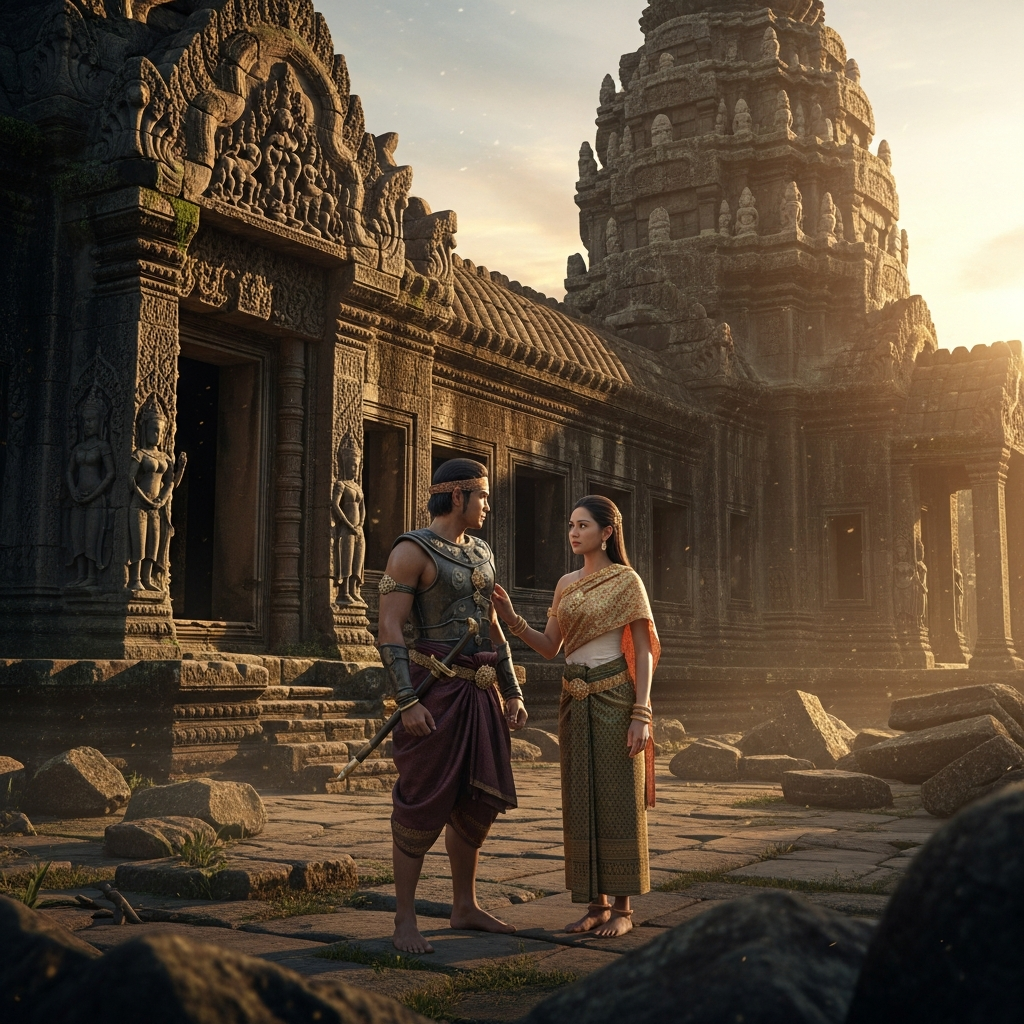
ការសាកល្បងនៃសេចក្តីស្មោះត្រង់
ការសាកល្បងនៃសេចក្តីស្មោះត្រង់
ពន្លឺថ្ងៃត្រង់ដែលចាំងចែងមកលើទីក្រុងបុរាណ បានត្រឹមតែបន្ថែមភាពក្ដៅហួតហែងដល់ដួងចិត្តរបស់ កេសរមាលា។ នាងបានរស់នៅក្នុងភាពឯកោស្ងៀមស្ងាត់អស់រយៈពេលជាច្រើនឆ្នាំ ចាប់តាំងពី សុធារិទ្ធ ជាស្វាមីដែលនាងប្ដូរផ្ដាច់ បានចេញដំណើរទៅកាន់តំបន់ព្រំដែនដើម្បីបំពេញភារកិច្ចការពារជាតិ។ ថ្ងៃខែបានកន្លងផុតទៅដូចជាស្លឹកឈើជ្រុះ គ្មានដំណឹងអ្វីត្រឡប់មកវិញឡើយ ដែលបង្កឲ្យមានពាក្យចចាមអារ៉ាមជាច្រើនអំពីវាសនារបស់លោក។ អ្នកខ្លះនិយាយថា លោកបានបាត់បង់ជីវិតក្នុងសមរភូមិដ៏សាហាវយង់ឃ្នង ខណៈអ្នកខ្លះទៀតខ្សឹបខ្សៀវថា លោកត្រូវបានគេចាប់ខ្លួន និងជាប់ឃុំឃាំងនៅដែនដីឆ្ងាយ។ ក្នុងភាពមិនច្បាស់លាស់នេះ កេសរមាលា បានតាំងចិត្តរក្សាពាក្យសច្ចា និងភាពស្មោះត្រង់របស់នាង ចំពោះបុរសតែម្នាក់ដែលនាងបានជ្រើសរើសដោយបេះដូង។ ភាពក្រអឺតក្រទមនៃសេចក្តីស្មោះត្រង់របស់នាងបានក្លាយជាខែលការពារនាងពីភាពឯកកោ និងការលំបាកផ្នែកជីវភាព។ នាងបានដឹងថា ការរង់ចាំរបស់នាងគឺជាទង្វើដ៏ថ្លៃថ្លាបំផុតដែលអាចបង្ហាញពីកម្លាំងនៃសេចក្តីស្រឡាញ់របស់នាង។
ទោះបីជានាងរស់នៅយ៉ាងសាមញ្ញក៏ដោយ សម្រស់ធម្មជាតិ និងអាកប្បកិរិយាដ៏ថ្លៃថ្នូររបស់ កេសរមាលា មិនអាចលាក់បាំងបានឡើយ។ វាបានទាក់ទាញចំណាប់អារម្មណ៍របស់ លោកមេបញ្ជាការ ចន្ទ្រា ដែលជាមេដឹកនាំតំបន់ដ៏មានឥទ្ធិពលម្នាក់។ ចន្ទ្រា មិនត្រឹមតែជាមេទ័ពដែលពូកែខាងយុទ្ធសាស្ត្រទេ ថែមទាំងជាបុរសម្នាក់ដែលមានទ្រព្យសម្បត្តិច្រើនសន្ធឹកសន្ធាប់ និងឋានៈខ្ពង់ខ្ពស់ដែលគ្មាននរណាអាចប្រៀបផ្ទឹមបានក្នុងរាជាណាចក្រនោះ។ គាត់ជាមនុស្សដែលមានទម្លាប់ទទួលបានអ្វីគ្រប់យ៉ាងដែលគាត់ចង់បាន ដោយសារអំណាចនិងកម្លាំងយោធារបស់គាត់។ សម្រាប់ ចន្ទ្រា ការទទួលបាន កេសរមាលា គឺជារង្វាន់មួយទៀតដែលសមនឹងឋានៈរបស់គាត់ ជាជាងរឿងស្នេហាពិតប្រាកដ។ គាត់ជឿថា នាងជាគ្រឿងអលង្ការមួយដែលនឹងបន្ថែមពន្លឺដល់រតនសម្បត្តិរបស់គាត់។ គាត់បានចាប់ផ្ដើមតាមដាននាងដោយសម្ងាត់ ដោយសង្កេតមើលភាពអត់ធ្មត់ និងភាពស្ងប់ស្ងាត់របស់នាង។
ថ្ងៃមួយ លោក ចន្ទ្រា បានសម្រេចចិត្តបោះជំហានទៅមុខដោយផ្ទាល់។ គាត់បានចាត់ឲ្យមន្ត្រីជាន់ខ្ពស់មួយក្រុម ព្រមទាំងហែហមដោយទាហានរាប់សិបនាក់ នាំយកនូវអំណោយដ៏ថ្លៃថ្លាបំផុតទៅផ្ទះ កេសរមាលា។ អំណោយទាំងនោះមានដូចជា មាស ប្រាក់ ពេជ្រ កន្សែងសូត្រដ៏ល្អឯក និងឯកសារដែលបញ្ជាក់ពីដីធ្លីនិងផ្ទះដ៏ស្កឹមស្កៃ ដែលជាសំណើរៀបអភិសេកដ៏ឱឡារិក។ វាគឺជាការផ្តល់ជូនដែលស្ត្រីណាៗនៅក្នុងតំបន់នោះប្រាថ្នាចង់បាន ព្រោះវាជាការធានានូវសន្តិសុខ ឋានៈ និងអនាគតដ៏ភ្លឺស្វាងសម្រាប់គ្រួសារទាំងមូលរបស់នាង។ ឪពុកម្ដាយរបស់ កេសរមាលា ដែលរស់នៅក្នុងភាពក្រីក្រ ត្រូវបានបង្ខំឲ្យពិចារណាលើការផ្តល់ជូននេះ។ ពួកគេបានដឹងថា ការបដិសេធសំណើរបស់មេដឹកនាំតំបន់ អាចនាំមកនូវគ្រោះថ្នាក់មិនត្រឹមតែដល់ពួកគេប៉ុណ្ណោះទេ ថែមទាំងដល់កូនស្រីជាទីស្រឡាញ់របស់ពួកគេទៀតផង។
កេសរមាលា បានទទួលភ្ញៀវទាំងនោះដោយទឹកមុខស្ងប់ស្ងាត់ ប៉ុន្តែនៅក្នុងចិត្តរបស់នាង ព្យុះដ៏ធំមួយបានកំពុងបោកបក់។ នាងបានលើកដៃទទួលអំណោយទាំងនោះដោយការគោរពតាមបែបប្រពៃណី ប៉ុន្តែបានរក្សាការឃ្លាតឆ្ងាយពីអារម្មណ៍។ នាងបានថ្លែងទៅកាន់បេសកជនរបស់ ចន្ទ្រា ថា៖ “ខ្ញុំសូមគោរពដល់បំណងប្រាថ្នាដ៏ខ្ពង់ខ្ពស់របស់ លោកមេបញ្ជាការ ប៉ុន្តែដួងចិត្តខ្ញុំមិនទាន់អាចទទួលយកអ្វីថ្មីបានឡើយ។ ខ្ញុំនៅតែចាត់ទុកខ្លួនឯងជាភរិយារបស់ សុធារិទ្ធ ទោះបីជាជោគវាសនារបស់លោកមិនទាន់ដឹងច្បាស់ក៏ដោយ។ ពាក្យសច្ចាដែលខ្ញុំបានស្បថ មិនមែនគ្រាន់តែជាពាក្យសំដីទេ តែជាចំណងនៃជីវិត។ ខ្ញុំមិនអាចបំផ្លាញចំណងនោះដោយសារតែការល្បួងផ្នែកសម្ភារៈឡើយ។”
ការឆ្លើយតបនេះបានធ្វើឲ្យមន្ត្រីទាំងនោះភ្ញាក់ផ្អើលយ៉ាងខ្លាំង។ ពួកគេមិនដែលនឹកស្មានថា មានស្ត្រីណាហ៊ានបដិសេធឱកាសដ៏មហិមានេះ ដោយហេតុផលនៃការស្មោះត្រង់ទៅនឹងបុរសដែលបាត់បង់ដំណឹងសោះឡើយ។ ពួកគេបានព្យាយាមបញ្ចុះបញ្ចូលនាង ដោយលើកឡើងពីភាពប្រាកដនិយមនៃជីវិត និងភាពចាំបាច់នៃការមានអ្នកការពារដ៏ខ្លាំងក្លាក្នុងអំឡុងពេលដែលមានភាពវឹកវរ។ ពួកគេបានរៀបរាប់ថា សុធារិទ្ធ អាចនឹងមិនត្រឡប់មកវិញឡើយ ហើយប្រសិនបើនាងនៅតែរឹងរូស នាងនឹងប្រឈមមុខនឹងភាពវេទនា និងការមើលងាយពីសង្គម។ កេសរមាលា បានឆ្លើយតបដោយភាពទន់ភ្លន់តែរឹងមាំថា៖ “ប្រសិនបើ សុធារិទ្ធ បានស្លាប់មែន នោះខ្ញុំត្រូវតែបំពេញកាតព្វកិច្ចរបស់ភរិយាដែលកំពុងកាន់ទុក្ខ។ ខ្ញុំត្រូវការពេលវេលាដើម្បីយំសោកចំពោះការបាត់បង់ដ៏ធំធេងនេះ។ ខ្ញុំសូមឲ្យលោកមេបញ្ជាការ ចន្ទ្រា ផ្តល់ពេលវេលាបីខែដល់ខ្ញុំ ដើម្បីបញ្ចប់ពិធីបុណ្យកាន់ទុក្ខផ្ទាល់ខ្លួនរបស់ខ្ញុំ។ បន្ទាប់ពីរយៈពេលនោះ ខ្ញុំនឹងពិចារណាឡើងវិញនូវសំណើរបស់លោក ដោយផ្អែកលើឆន្ទៈរបស់ព្រះ និងការរៀបចំរបស់វាសនា។”
តាមពិត ការស្នើសុំរយៈពេលបីខែនេះ មិនមែនជាការរង់ចាំពិធីបុណ្យកាន់ទុក្ខទេ តែជាយុទ្ធសាស្ត្រដើម្បីទិញពេលវេលា។ នាងសង្ឃឹមយ៉ាងមុតមាំថា ក្នុងរយៈពេលបីខែនេះ ដំណឹងពិតអំពី សុធារិទ្ធ នឹងលេចចេញមក ឬថាព្រឹត្តិការណ៍នយោបាយនឹងផ្លាស់ប្តូរដែលធ្វើឲ្យ ចន្ទ្រា បាត់បង់អំណាច ឬចាប់អារម្មណ៍ទៅលើរឿងផ្សេង។ នាងបានដឹងថា ការបដិសេធភ្លាមៗនឹងនាំមកនូវកំហឹងដ៏សាហាវយង់ឃ្នង ខណៈពេលដែលការពន្យារពេលនឹងធ្វើឲ្យ ចន្ទ្រា ត្រូវរង់ចាំដោយគិតថា គាត់នឹងទទួលបានជ័យជម្នះនៅទីបញ្ចប់។
នៅពេលដែលមន្ត្រីទាំងនោះត្រឡប់ទៅរាយការណ៍ជូន ចន្ទ្រា វិញ អំពីការឆ្លើយតបដ៏មិនធម្មតានេះ គាត់ពិតជាភ្ញាក់ផ្អើល ប៉ុន្តែមិនខឹងឡើយ។ ផ្ទុយទៅវិញ វាបានធ្វើឲ្យគាត់ចាប់អារម្មណ៍ខ្លាំងឡើង។ ភាពស្មោះត្រង់របស់នាងបានក្លាយជាគុណសម្បត្តិដ៏កម្រមួយដែលធ្វើឲ្យគាត់កាន់តែចង់បាននាង។ គាត់បានយល់ព្រមតាមការស្នើសុំរយៈពេលបីខែ ដោយមានការព្រមព្រៀងថា ក្នុងអំឡុងពេលនោះ នាងត្រូវតែទទួលយកការការពារនិងការផ្គត់ផ្គង់ពីគាត់។ គាត់បានផ្តល់សញ្ញាថា នេះគឺជាការបោះទុនដ៏ធំមួយនៅក្នុងការបង្ហាញពីសមត្ថភាពរបស់នាងក្នុងការធ្វើជាភរិយាដ៏ល្អម្នាក់របស់មេដឹកនាំ។
ជីវិតរបស់ កេសរមាលា ក្នុងរយៈពេលបីខែបន្ទាប់ បានក្លាយជាការសាកល្បងដ៏តានតឹងមួយ។ នាងត្រូវរស់នៅក្រោមការសម្លឹងមើលរបស់មនុស្សគ្រប់គ្នា ស្ថិតនៅចន្លោះការគោរពចំពោះអតីតកាល និងសម្ពាធពីអនាគតដ៏ភ្លឺស្វាងដែលកំពុងរង់ចាំនាង។ រាល់ថ្ងៃមានអំណោយថ្មីៗមកដល់ផ្ទះរបស់នាង ដែលជាការរំលឹកឥតឈប់ឈរអំពីអំណាចនិងទ្រព្យសម្បត្តិរបស់ ចន្ទ្រា។ មិត្តភក្តិ និងសាច់ញាតិបានមកលេងនាង ដោយលើកទឹកចិត្តឲ្យនាងទទួលយកសំណើនេះ ដោយមើលឃើញថា វាគឺជាដំណោះស្រាយដ៏ល្អបំផុត។ ពួកគេខ្លះថែមទាំងរិះគន់នាងចំពោះភាពរឹងរូសហួសហេតុ ដែលអាចធ្វើឲ្យគ្រួសារទាំងមូលប្រឈមមុខនឹងគ្រោះថ្នាក់។
ប៉ុន្តែ កេសរមាលា បានរក្សាភាពស្ងប់ស្ងាត់និងភាពរឹងមាំរបស់នាង។ នាងបានចំណាយពេលថ្ងៃរបស់នាងក្នុងការត្បាញក្រណាត់ និងអានគម្ពីរ។ នាងបានលះបង់ពេលវេលាជាច្រើនដើម្បីសមាធិ ដោយព្យាយាមពង្រឹងស្មារតីរបស់នាង។ នាងបានយល់ថា ការសាកល្បងពិតប្រាកដមិនមែនជាការបដិសេធ ចន្ទ្រា ទេ ប៉ុន្តែជាការរក្សាពាក្យសច្ចាដែលនាងបានសន្យាចំពោះ សុធារិទ្ធ។ នាងបានរំលឹកខ្លួនឯងថា សេចក្តីស្រឡាញ់របស់នាងមិនមែនផ្អែកលើការត្រឡប់មកវិញផ្នែករូបវន្ត ឬទ្រព្យសម្បត្តិឡើយ ប៉ុន្តែផ្អែកលើការប្តេជ្ញាចិត្តខាងផ្លូវចិត្ត។ ការស្មោះត្រង់របស់នាង គឺជាកញ្ចក់ដែលឆ្លុះបញ្ចាំងពីសេចក្តីថ្លៃថ្នូរផ្ទាល់ខ្លួនរបស់នាង។ រាល់ការល្បួងផ្នែកខាងក្រៅ គ្រាន់តែធ្វើឲ្យការប្តេជ្ញាចិត្តរបស់នាងកាន់តែមុតមាំឡើង។ កេសរមាលា បានក្លាយជាឧទាហរណ៍នៃការតស៊ូនៃបេះដូងមួយ ដែលហ៊ានតតាំងនឹងអំណាចនិងកម្លាំងនៃពិភពលោកទាំងមូល។ នាងបានបង្ហាញថា សេចក្តីពិតនៃដួងចិត្តអាចមានទម្ងន់ធ្ងន់ជាងរតនសម្បត្តិដ៏មហិមាណាមួយទៅទៀត។
The Trial of Fidelity
The glaring noon sun beating down upon the ancient city only added to the internal heat of Kesor Mala’s heart. She had lived in quiet solitude for many years since Sotharith, her devoted husband, had departed for the borderlands to fulfill his duty defending the realm. The months had passed like falling leaves, with no definitive news of his return, breeding myriad rumors about his fate. Some suggested he had perished in a fierce, brutal battle, while others whispered that he was captured and held in distant captivity. Amid this profound uncertainty, Kesor Mala remained steadfastly committed to her vow and fidelity to the only man her heart had ever chosen. The sheer dignity of her loyalty became a shield protecting her from both loneliness and material hardship. She understood that her act of waiting was the most profound demonstration possible of the strength inherent in her affection. Her noble demeanor and inherent grace, despite her modest living conditions, could not be concealed.
Her unmistakable radiance quickly attracted the intense attention of Commander Chantra, an immensely powerful regional leader. Chantra was not merely a militarily astute general, but a man of colossal wealth and unparalleled status within the kingdom. He was accustomed to acquiring everything he desired through the force of his authority and military might. For Chantra, possessing Kesor Mala was simply another deserving prize commensurate with his station, rather than a matter of genuine romantic pursuit. He perceived her as a precious jewel that would augment his existing treasures. He began to observe her subtly, noting her patience, resilience, and serene composure. Her character, combined with her beauty, presented a challenge that intrigued him.
One day, Commander Chantra decided to proceed with a direct, unavoidable proposition. He dispatched a high-ranking retinue of officials, escorted by dozens of soldiers, bearing the most extravagant gifts imaginable to Kesor Mala’s humble dwelling. The offerings included vast amounts of gold, silver, diamonds, exquisite silk tapestries, and deeds confirming ownership of sprawling estates and luxurious homes—an opulent, formal proposal of marriage. It was an offer that virtually any woman in the region would have desperately sought, as it guaranteed immediate security, unparalleled social status, and a bright future for her entire family lineage. Kesor Mala’s own parents, living in strained circumstances, were compelled to consider the undeniable benefits of such a union. They recognized that rejecting the proposal of the regional commander could invite peril, not just upon themselves, but upon their beloved daughter as well.
Kesor Mala received the delegation with external composure, though internally, a great emotional storm raged. She accepted the lavish gifts with the requisite traditional respect but maintained an emotional distance. She spoke clearly to Chantra’s envoy: “I deeply honor the Commander’s most elevated intentions, but my heart is not yet capable of accepting anything new. I still consider myself the devoted wife of Sotharith, regardless of the current ambiguities surrounding his destiny. The vow I swore was not mere utterance, but a sacred covenant of life itself. I cannot sever that bond simply due to immediate material temptation.”
This response profoundly stunned the officials. They had never conceived that a woman would dare to refuse such a monumental opportunity based solely on loyalty to a man whose very existence was uncertain. They vigorously attempted to persuade her, citing the harsh pragmatism of life and the necessity of having a formidable protector during turbulent times. They argued that Sotharith might never return, and if she remained obstinate, she would face destitution and societal scorn. Kesor Mala responded with gentle yet unyielding firmness: “If Sotharith has indeed perished, then I must fulfill the solemn duty of a grieving wife. I require time to properly mourn this tremendous loss. I respectfully request that Commander Chantra grant me a period of three full months to complete my personal rites of mourning. After that duration, I shall reconsider his proposal, guided by divine will and the arrangements of fate.”
In reality, this request for three months was not merely for mourning rites; it was a desperate strategy to gain crucial time. She harbored a fervent hope that within these ninety days, concrete news of Sotharith would finally emerge, or that political events would shift, causing Chantra to lose his power or focus his formidable attention elsewhere. She knew that an immediate, outright rejection would trigger the Commander’s ferocious wrath, whereas this calculated delay would keep Chantra waiting, under the assumption that he would ultimately achieve victory.
When the officials returned to report Kesor Mala’s highly unusual response, Chantra was indeed surprised, but not enraged. On the contrary, her action only amplified his desire. Her fierce fidelity had become a rare quality that made her infinitely more appealing. He agreed to the three-month reprieve, with the stipulation that during this interval, she must accept his protection and provisions. He framed this concession as a grand investment, a demonstration of her fitness to become the exemplary wife of a mighty ruler.
Kesor Mala’s life over the next three months transformed into an intense, grueling trial. She lived under the scrutiny of all eyes, caught between honoring her past commitment and the crushing pressure of the brilliant future that supposedly awaited her. New gifts arrived daily at her residence, constant, shimmering reminders of Chantra’s authority and opulence. Friends and relatives visited constantly, imploring her to accept the offer, seeing it as the only viable solution. Some even criticized her for her excessive rigidity, which they feared might jeopardize the safety of her entire family.
Yet, Kesor Mala maintained her serenity and resilience. She spent her days weaving cloth and studying sacred texts. She dedicated extensive time to meditation, attempting to fortify her spirit against external influence. She understood that the true test was not in rejecting Chantra, but in preserving the sacred oath she had given to Sotharith. She continually reminded herself that her love was based not on physical return or material wealth, but on immutable emotional devotion. Her fidelity was the mirror reflecting her own personal honor. Every external temptation only served to harden her resolve. Kesor Mala became an enduring example of the struggle of one heart daring to defy the combined power and might of the world. She proved that the truth of the heart could outweigh any immense treasury.
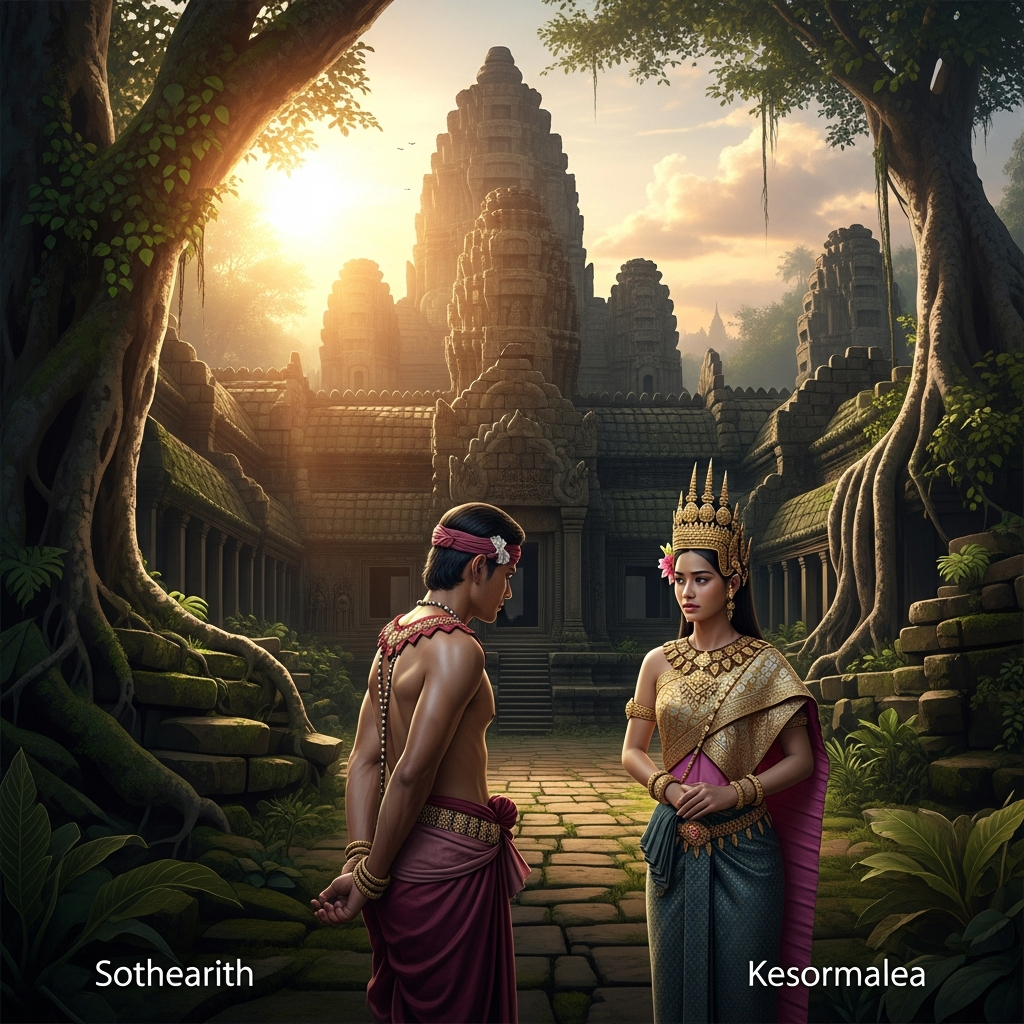
ការបដិសេធក្រោមរស្មីព្រះ
រស្មីទិព្វនៃព្រះអាទិត្យដែលរៀបអស្តង្គតបានជះមកលើជញ្ជាំងប្រាសាទបុរាណ បង្កើតបានជាស្រមោលដ៏វែងអន្លាយ និងពន្លឺពណ៌មាសលាយក្រហមឆ្អៅដែលចែងចាំងលើថ្មភក់។ សុធារិទ្ធ ឈរត្រង់នៅចំពោះមុខ កេសរមាលា ក្នុងចំណោមរូបចម្លាក់ទេវតា និងអប្សរា ដែលជាសាក្សីស្ងៀមស្ងាត់នៃទីកន្លែងដ៏ពិសិដ្ឋនោះ។ ភាពស្ងប់ស្ងាត់នៃទីវត្តអារាម ហាក់ដូចជាត្រូវបានលេបត្របាក់ដោយសេចក្តីប្រាថ្នាដែលកំពុងរត់នៅក្នុងទ្រូងរបស់សុធារិទ្ធ។ សំណើដែលបានថ្លែងឡើង មិនមែនជាការសុំស្នេហាមួយពេលឡើយ តែជាការប្រគល់ភពផែនដីទាំងមូលឱ្យនាងជាម្ចាស់ ក្នុងនាមជាអ្នកមានអំណាចនិងទ្រព្យសម្បត្តិស្តុកស្តម្ភ។
«កេសរមាលា ខ្ញុំដឹងថាអស់រយៈកាលច្រើនឆ្នាំណាស់មកហើយ ដែលភ្នែករបស់នាងមិនបានមើលឃើញអ្វីក្រៅពីថ្មដ៏ត្រជាក់ និងកណ្ដាប់ដៃដែលកាន់ដែកចាំង។ សេចក្តីភក្តីរបស់នាងចំពោះសិល្បៈនេះ គឺជារឿងដែលគួរឱ្យគោរព ប៉ុន្តែវាគឺជាសេចក្តីឯកកោដ៏ធ្ងន់ធ្ងរដែលបំបែកនាងចេញពីពន្លឺនៃជីវិតពិត។ ខ្ញុំផ្តល់ជូននាងនូវអ្វីដែលថ្មទាំងនេះមិនអាចផ្តល់ឱ្យបានទេ៖ ភាពកក់ក្តៅ ការការពារ សេចក្តីសុខសាន្តឥតព្រាងទុក និងភាពជាគូដ៏ពិតប្រាកដ។ ខ្ញុំចង់ឱ្យនាងក្លាយជាផ្កាដ៏ស្រស់ស្អាតដែលរីកនៅក្នុងឧទ្យានរបស់ខ្ញុំ មិនមែនជាផ្កាដែលប្រឹងតទល់នឹងខ្យល់ព្យុះនៃពិភពលោកឡើយ»។ សុធារិទ្ធ បញ្ចេញសំដីដោយសម្លេងទន់ភ្លន់ តែម៉ឺងម៉ាត់ ដែលជាសំឡេងរបស់បុរសម្នាក់ដែលធ្លាប់តែទទួលបាននូវអ្វីដែលខ្លួនចង់បាន។ គាត់បានដាក់ដុំត្បូងមរកតមួយដុំដ៏មានតម្លៃទៅលើថ្មជិតជើងរបស់នាង ដែលពន្លឺរបស់វាហាក់ដូចជាប្រជែងជាមួយពន្លឺព្រះអាទិត្យដែលជិតលិច។
កេសរមាលា សម្លឹងមើលត្បូងនោះបន្តិច រួចងើបមុខមកមើលសុធារិទ្ធ ដោយរក្សាទឹកមុខស្ងប់ស្ងាត់ តែភ្នែករបស់នាងពោរពេញទៅដោយភាពអាណិតអាសូរដ៏ជ្រាលជ្រៅ។ នាងឈរនៅជិតផ្ទាំងចម្លាក់ធំមួយ ដែលនាងចំណាយពេលច្រើនឆ្នាំ ដើម្បីឆ្លាក់នូវរឿងរ៉ាវនៃទេវកថាដែលមិនចេះចប់។ នាងយកដៃស្ដាំរបស់នាងអង្អែលថ្នមៗលើផ្ទៃថ្មដែលទើបតែឆ្លាក់រួចរាល់ ដូចជាស្ទាបអង្អែលស្បែកនៃកូនខ្លួនឯង។ ការបដិសេធរបស់នាងត្រូវតែមានលក្ខណៈប៉ិនប្រសប់ មិនមែនដើម្បីបំផ្លាញកិត្តិយសរបស់គាត់ទេ ប៉ុន្តែដើម្បីលើកតម្កើងតម្លៃនៃសច្ចាដែលនាងបានប្តេជ្ញា។
«លោកសុធារិទ្ធ ខ្ញុំពិតជាអរគុណចំពោះសេចក្តីមេត្តាករុណា និងការយល់ឃើញដ៏ខ្ពង់ខ្ពស់របស់លោក។ លោកបានផ្តល់ជូននូវពិភពលោកមួយដែលមនុស្សជាច្រើនប្រាថ្នាចង់បាន គឺភាពសុខស្រួល និងការចៀសវាងពីការលំបាក។ ប៉ុន្តែលោកប្រហែលជាភ្លេចហើយថា ខ្ញុំមិនមែនកើតមកសម្រាប់តែភាពសុខស្រួលនៃលោកិយទេ។ ក្តីស្រឡាញ់ដែលលោកបានផ្តល់ឱ្យ គឺពិតជាមានតម្លៃ ប៉ុន្តែស្នេហានោះគឺជាអ្វីដែលត្រូវតែចិញ្ចឹមបីបាច់ដោយជីវិតប្រចាំថ្ងៃ ហើយវាអាចប្រែប្រួលបានទៅតាមកាលៈទេសៈនៃមនុស្សលោក។» សំឡេងរបស់នាងស្តាប់ទៅដូចជាសំឡេងខ្សឹបខ្សៀវរបស់ខ្យល់ ដែលមានភាពស្រស់ត្រកាលនិងភាពរឹងមាំជាមួយគ្នា។
នាងលើកដៃទាំងពីរឡើង ហើយចង្អុលទៅផ្ទាំងចម្លាក់ដែលទើបបញ្ចប់៖ «ចម្លាក់ទាំងនេះ មិនមែនត្រឹមតែជាថ្មទេ តែវាជាការប្តេជ្ញាចិត្តរបស់ខ្ញុំ ជាសក្ខីភាពនៃភាពស្មោះត្រង់ដែលខ្ញុំបានស្បថចំពោះវិញ្ញាណក្ខន្ធបុព្វបុរស និងព្រះនានា។ ភក្តីភាពរបស់ខ្ញុំ មិនមែនបាត់បង់ទៅលើមនុស្សទេ តែខ្ញុំបានផ្ដិតភ្ជាប់វាទៅនឹងសិល្បៈនេះ ដែលជាទម្រង់នៃអមតភាព។ ជីវិតរបស់ខ្ញុំបានក្លាយជាពាក្យសច្ចាដែលបានឆ្លាក់ចូលទៅក្នុងថ្មទាំងនេះ។ រាល់បន្ទាត់ រាល់កោង រាល់ព័ត៌មានលម្អិត គឺជានិទានកថាដែលបញ្ជាក់ថា ខ្ញុំបានលះបង់អ្វីៗទាំងអស់ដើម្បីបំពេញកាតព្វកិច្ចដែលបានដាក់លើស្មារបស់ខ្ញុំ។ តើការប្តេជ្ញាចិត្តបែបនេះ អាចបោះបង់ចោលដោយងាយបានឬ?»
កេសរមាលា បានពន្យល់ដោយប្រៀបធៀបថា សេចក្តីស្នេហាដែលនាងអាចផ្តល់ឱ្យសុធារិទ្ធ នឹងជាសេចក្តីស្នេហាមួយរំពេច ដែលអាចរលាយបាត់ទៅតាមពេលដែលរស្មីព្រះអាទិត្យរលត់ទៅ។ ប៉ុន្តែការលះបង់របស់នាង ចំពោះចម្លាក់ទាំងនេះ គឺជារស្មីមួយដែលមិនចេះរលត់។ «មានតែចម្លាក់ប៉ុណ្ណោះដែលធ្វើបន្ទាល់ពីភក្តីភាពពិតរបស់ខ្ញុំ។ ចំណងដែលចងភ្ជាប់ខ្ញុំជាមួយសិលាចារឹក គឺរឹងមាំជាងចំណងមង្គលការណាៗទាំងអស់នៅលើផែនដី។ ចំណងនេះ មិនត្រូវការការសន្យាពីមនុស្សឡើយ ព្រោះវាជាការសន្យាដែលបានចារឹកដោយផ្ទាល់ពីបេះដូងទៅលើវត្ថុដែលអមតៈ។ ប្រសិនបើខ្ញុំទទួលយកសំណើរបស់លោក ខ្ញុំនឹងក្លាយជាអ្នកក្បត់ការប្តេជ្ញាចិត្តដ៏ជ្រាលជ្រៅបំផុត ដែលខ្ញុំមានចំពោះខ្លួនឯង ហើយខ្ញុំនឹងក្លាយជាមនុស្សស្រីដែលគ្មានតម្លៃនៅក្នុងភ្នែករបស់ព្រះដែលគង់នៅទីនេះ។»
សុធារិទ្ធ ស្តាប់សម្ដីនាងដោយស្ងប់ស្ងាត់។ គាត់បានយល់ថា ការបដិសេធនេះមិនមែនជាការមើលងាយគាត់ឡើយ តែជាការការពារនូវឧត្តមគតិដ៏វិសុទ្ធដែលមិនអាចបំពានបាន។ កេសរមាលា មិនមែនបដិសេធជីវិតរបស់គាត់ទេ តែបដិសេធការលះបង់ផ្នែកដ៏ពិសិដ្ឋបំផុតរបស់ខ្លួន។ គាត់បានដឹងថា ភាពស្និទ្ធស្នាលដែលនាងបានផ្តល់ឱ្យថ្មទាំងនេះ គឺជាកម្រិតនៃភាពស្មោះត្រង់ដែលគ្មានបុរសណាម្នាក់អាចទាមទារបានឡើយ។ ពន្លឺចុងក្រោយនៃថ្ងៃបានជះចំរូបចម្លាក់ដែលកេសរមាលាអង្អែល ហើយរស្មីព្រះនោះហាក់ដូចជាបញ្ជាក់ថា ការសម្រេចចិត្តរបស់នាង គឺត្រឹមត្រូវតាមទម្រង់នៃសច្ចៈដ៏ខ្ពង់ខ្ពស់បំផុត។ សុធារិទ្ធ បានឱនក្បាលគោរព ហើយដើរចេញទៅ ទុកឱ្យកេសរមាលានៅក្នុងភាពស្ងាត់ជ្រងំ ជាមួយការប្តេជ្ញាចិត្តដែលនៅតែរឹងមាំដូចថ្មភ្នំ។ នាងបានឈ្នះសមរភូមិផ្ទៃក្នុង ដោយរក្សាបាននូវភាពបរិសុទ្ធនៃបេះដូងរបស់នាង នៅក្រោមរស្មីព្រះដ៏ថ្លា។
ចំណងដែលនាងចង់បាន គឺមិនមែនចំណងរវាងបុរសនិងស្ត្រីឡើយ តែជាចំណងរវាងវិញ្ញាណនិងវត្ថុដែលមិនចេះសាបសូន្យ។ នាងជាអ្នកថែរក្សាសិលាចារឹក ជាអ្នកចារិកភក្តីភាពនៅលើផ្ទៃប្រវត្តិសាស្ត្រ។ ការបដិសេធនេះ គឺជាការបញ្ជាក់នូវភាពក្លាហានក្នុងការជ្រើសរើសផ្លូវដ៏តូចចង្អៀត ផ្លូវដែលពោរពេញដោយការលះបង់ តែជាផ្លូវដែលនាំទៅដល់សេចក្តីពិតដ៏អស់កល្ប។ នាងដឹងច្បាស់ថា សុធារិទ្ធ នឹងរកឃើញសុភមង្គលផ្សេង ប៉ុន្តែខ្លួននាងផ្ទាល់ នឹងរកឃើញអមតភាពនៅក្នុងស្នាដៃរបស់នាង។
នាងចាប់ផ្ដើមធ្វើការឆ្លាក់បន្តទៀត ក្រោមពន្លឺនៃចង្កៀងតូចមួយ។ រាល់ការដំឡើងចម្លាក់របស់នាង គឺសុទ្ធតែជាការបញ្ជាក់សារជាថ្មីនូវសច្ចាប្រណិធានរបស់នាង។ ថ្មបានទទួលយកនូវការខិតខំរបស់នាង ដោយដឹងថា នាងគឺជាសិល្បការិនីដែលបានជ្រើសរើសភាពស្មោះត្រង់ចំពោះកាតព្វកិច្ចមុននឹងភាពសុខស្រួលផ្ទាល់ខ្លួន។ ភាពស្មោះត្រង់នេះ គឺជារឿងដែលថ្លៃថ្លាជាងត្បូងមរកតទៅទៀត។ នាងដឹងថា មានតែចម្លាក់ទាំងនេះប៉ុណ្ណោះ ដែលនឹងនៅតែធ្វើបន្ទាល់ពីភក្តីភាពដែលមិនចេះប្រែប្រួលរបស់នាងរាប់ពាន់ឆ្នាំតទៅមុខទៀត។
The ethereal glow of the setting sun cast long shadows across the ancient temple walls, painting the sandstone bas-reliefs in hues of gold and crimson. Sotharith stood before Kesarmala, amidst the silent witness of the devatas and apsaras etched into the sacred stone. The prevailing silence of the sanctuary was barely disrupted by the potent desire emanating from Sotharith’s chest. The proposal he articulated was not merely a momentary plea for affection, but an offering of worldly dominion, the comfort and stature afforded by a man of immense power and wealth.
“Kesarmala, I know that for many years, your eyes have seen little else but cold stone and your hands have gripped only the steel chisel. Your devotion to this art is admirable, but it is a heavy solitude that separates you from the true radiance of life. I offer you what these stones cannot: warmth, protection, untroubled happiness, and a genuine partnership. I desire for you to be the beautiful flower that blooms in my garden, not one that constantly struggles against the storms of the world.” Sotharith’s voice was gentle yet absolute, the tone of a man accustomed to having his desires fulfilled. He placed a magnificent, glittering emerald at her feet, its radiance momentarily challenging the dying sunlight.
Kesarmala briefly lowered her gaze to the jewel, then lifted her eyes back to Sotharith, maintaining a tranquil expression yet infused with profound compassion. She stood beside a massive panel upon which she had spent years carving the endless narratives of ancient mythology. Her right hand gently caressed the recently finished surface, touching the stone as one might touch the skin of a beloved child. Her refusal needed to be masterful, not intended to diminish his honor, but to elevate the sanctity of the vow she had undertaken.
“Lord Sotharith, I am truly grateful for your generosity and elevated perspective. You offer a world that many aspire to—one of comfort and insulation from hardship. But perhaps you overlook that I was not destined merely for temporal ease. The love you offer is indeed valuable, yet such affection must be nurtured by daily life, and it is inherently susceptible to the changing tides of human circumstance.” Her voice was like the soft whisper of the wind, possessing both fragility and underlying strength.
She raised both hands and gestured toward the colossal carving: “These reliefs are not merely stone; they are my absolute commitment, the testimony of fidelity I swore before the spirits of our ancestors and the divine entities. My loyalty is not misplaced upon a mortal man, but irrevocably bound to this art, which is a form of immortality. My life has become the very vow etched into this granite. Every line, every curve, every minute detail is a narrative confirming that I have sacrificed all else to fulfill the duty placed upon my shoulders. Can such a deep-seated commitment be easily abandoned?”
Kesarmala explained through metaphor that the affection she might offer Sotharith would be ephemeral, destined to fade like the final rays of the sun. But her devotion to these carvings was an eternal, unextinguished light. “Only the carving truly bears witness to my authentic fidelity. The bond that ties me to this inscription is stronger than any marital covenant on Earth. This bond requires no human promise, for it is a promise transcribed directly from the heart onto the immutable substance. If I were to accept your proposal, I would betray the most profound commitment I hold to myself, and I would be rendered valueless in the eyes of the gods residing here.”
Sotharith listened in contemplative silence. He realized that this rejection was not an insult to him, but a safeguarding of a sacred, inviolable ideal. Kesarmala was not rejecting his life, but refusing to sacrifice the most sanctified part of her own being. He understood that the intimacy she shared with these stones represented a level of loyalty that no mortal man could claim. The final light of the day illuminated the carving Kesarmala touched, and the Divine Radiance seemed to validate her decision as the highest form of spiritual truth. Sotharith bowed in reverence and departed, leaving Kesarmala in profound stillness, her resolve as unyielding as the mountain rock. She had won the internal battle, maintaining the purity of her heart under the clear light of the divine presence.
The attachment she sought was not the bond between man and woman, but the eternal connection between spirit and permanence. She was the custodian of the inscription, the scribe of fidelity upon the face of history. This rejection was an affirmation of the courage required to choose the narrow path—the path filled with sacrifice, but one that leads to everlasting truth. She knew Sotharith would find other happiness, but she, Kesarmala, would find immortality in her masterpiece.
She returned to her work, the small lamp casting a focused glow. Every strike of her chisel was a renewed affirmation of her solemn oath. The stone accepted her efforts, knowing she was the artist who chose fealty to duty over personal comfort. This fidelity was more precious than any emerald. She knew that only these carvings would continue to testify to her unwavering loyalty for millennia to come.
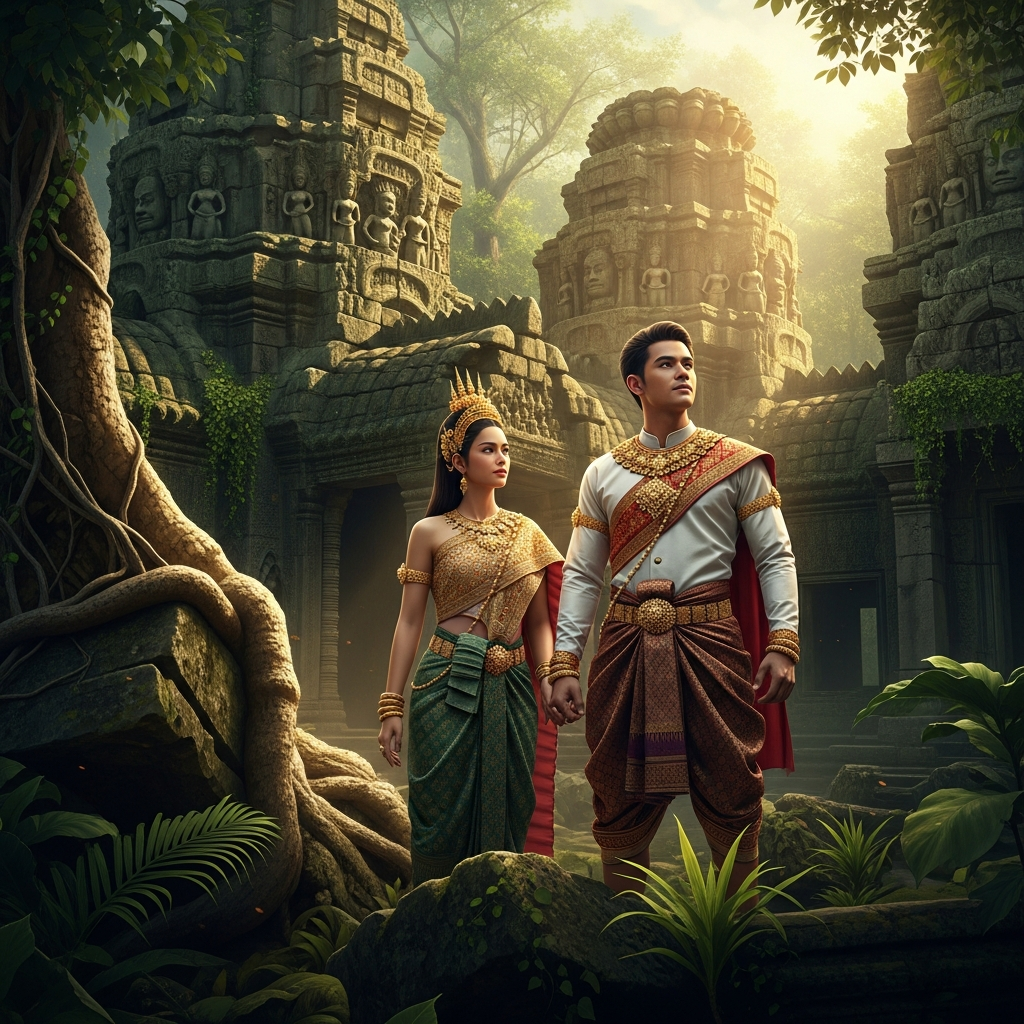
បំណងប្រាថ្នារបស់ព្រះមហាក្សត្រ
ខ្យល់នយោបាយក្នុងរាជធានីបានផ្លាស់ប្តូរយ៉ាងលឿនដូចជាព្យុះរដូវប្រាំង ដែលបានបោកបក់បណ្ដេញមនុស្សល្អៗចេញពីដំណែង ហើយពេលនេះក៏ត្រឡប់មកវិញដូចខ្យល់មូសុង ដែលនាំមកនូវភាពស្រស់ស្រាយក្រោយភាពរាំងស្ងួត។ ក្រុមអ្នកដែលមានចិត្តចង្អៀតចង្អល់ដែលធ្លាប់ចោទប្រកាន់ សុធារិទ្ធ ថាជាអ្នកក្បត់ជាតិ ដោយសារតែមហិច្ឆតាទុច្ចរិតរបស់ពួកគេ ឥឡូវនេះបានបាត់បង់អំណាចដោយខ្លួនឯងទៅហើយ។ តុលាការរាជវាំងទាំងមូលកំពុងតែពុះកញ្រ្ជោលដោយសារតែភាពចលាចលផ្ទៃក្នុង។ ព្រះមហាក្សត្រ ដែលធ្លាប់តែទុកចិត្តលើអ្នកបំភ្លៃការពិតទាំងនោះ ពេលនេះមានអារម្មណ៍ថាព្រះអង្គបានបាត់បង់នូវភាពស្ងប់សុខ ក្នុងចិត្ត ព្រោះកង្វះខាតអ្នកប្រឹក្សាយោបល់ដែលមានគតិបណ្ឌិតពិតប្រាកដ។
រយៈពេលជាច្រើនឆ្នាំមកនេះ សុធារិទ្ធ បានរស់នៅក្នុងតំបន់ដាច់ស្រយាលមួយ ជាមួយភរិយាដ៏ជាទីស្រឡាញ់ គឺ កេសរមាលា។ គាត់មិនបានយកការនិរទេសខ្លួនមកធ្វើជាហេតុផលដើម្បីយំសោកនោះទេ ប៉ុន្តែបានប្រើប្រាស់ភាពស្ងប់ស្ងាត់ដើម្បីបង្កើតស្នាដៃអមតៈមួយ។ គាត់បានសាងសង់ប្រាសាទមួយដែលមិនមែនដើម្បីឧទ្ទិសដល់ព្រះអង្គផ្ទាល់ ឬដល់កម្លាំងអំណាចខាងលោកិយឡើយ ប៉ុន្តែវាត្រូវបានឧទ្ទិសដល់សេចក្តីពិតនៃធម្មជាតិ និងស្មារតីខាងក្នុងរបស់មនុស្ស។ ប្រាសាទដែលគាត់បានកសាងឡើង មានឈ្មោះថា “ទេវស្ថានគតិបណ្ឌិត” (The Temple of Philosophical Devotion)។ វាត្រូវបានឆ្លាក់ចេញពីថ្មធម្មជាតិ ដែលរួមបញ្ចូលគ្នាយ៉ាងចុះសម្រុងជាមួយនឹងដើមឈើនិងជួរភ្នំជុំវិញ។ រាល់បន្ទាត់ រាល់ចម្លាក់លៀន រាល់ជញ្ជាំង គឺសុទ្ធសឹងតែបង្កប់នូវសារជ្រាលជ្រៅអំពីការរំលត់ទុក្ខ និងភាពអត់ធ្មត់។ ភាពស្រស់ស្អាតនៃប្រាសាទនេះមិនស្ថិតនៅលើភាពត្រចះត្រចង់នៃមាសប្រាក់ទេ ប៉ុន្តែវាស្ថិតនៅលើទស្សនវិជ្ជានៃភាពសាមញ្ញ និងភាពរឹងមាំរបស់វត្ថុធាតុដើម។
រឿងរ៉ាវនៃប្រាសាទថ្មរបស់ សុធារិទ្ធ បានលេចឮទៅដល់ត្រចៀកព្រះមហាក្សត្របន្តិចម្តងៗ តាមរយៈពាណិជ្ជករដែលធ្វើដំណើរឆ្លងកាត់ អ្នកធម្មយាត្រាដែលបានស្វែងរកភាពស្ងប់ស្ងាត់ និងសូម្បីតែពួកអ្នកនយោបាយដែលចូលចិត្តធ្វើដំណើរដើម្បីរត់គេចពីភាពតានតឹងក្នុងទីក្រុង។ ពួកគេបានពណ៌នាអំពីប្រាសាទនោះថាជាទីកន្លែងដែលសន្តិភាពខាងវិញ្ញាណបានក្លាយជាការពិត។ ព័ត៌មាននេះបានទៅដល់ព្រះមហាក្សត្រដោយមិនបានរៀបចំទុកជាមុន ធ្វើឱ្យព្រះអង្គចាប់អារម្មណ៍យ៉ាងខ្លាំង។ ព្រះមហាក្សត្របានដឹងថា ការបង្កើតដ៏អស្ចារ្យនេះ គឺជារូបភាពឆ្លុះបញ្ចាំងពីភាពស្មោះត្រង់របស់ សុធារិទ្ធ ដែលព្រះអង្គធ្លាប់បានបដិសេធចោលកាលពីមុន។
ព្រះមហាក្សត្របានគិតពិចារណាដោយព្រះអង្គឯងថា៖ “ចំណងប្រាថ្នារបស់យើងតាំងពីយូរណាស់មកហើយ មិនមែនគ្រាន់តែជាការត្រួតត្រាលើទឹកដីប៉ុណ្ណោះទេ ប៉ុន្តែគឺការបន្សល់ទុកនូវកេរដំណែលដែលនឹងស្ថិតស្ថេរជារៀងរហូត។ អ្វីដែល សុធារិទ្ធ បានកសាង គឺជានិមិត្តរូបនៃភាពអមតៈ មិនមែនដោយសារអំណាចរបស់យើងឡើយ តែដោយសារតែថ្វីដៃ និងគំនិតដ៏បរិសុទ្ធរបស់គាត់។ ប្រាសាទដែលគាត់បានសាងសង់ គឺជាបំណងប្រាថ្នាពិតប្រាកដរបស់រាជបល្ល័ង្កនេះ – សិល្បៈដែលប្រែក្លាយថ្មធម្មតាឱ្យទៅជាទស្សនវិជ្ជា”។
ព្រះអង្គបានបញ្ជូនក្រុមអ្នកការទូតពិសេសមួយក្រុម ដឹកនាំដោយព្រះរាជបុត្រដែលទុកចិត្តបំផុត ទៅកាន់តំបន់ដែល សុធារិទ្ធ រស់នៅ។ ពួកគេបាននាំយកនូវរមូរព្រះរាជសារមាសមួយ មិនមែនជាការលើកលែងទោសទេ ប៉ុន្តែជាការអញ្ជើញជាកិត្តិយស។ ព្រះរាជសារនោះបានប្រកាសយ៉ាងច្បាស់ថា សុធារិទ្ធ មិនមែនជាអ្នកទោសទៀតឡើយ ប៉ុន្តែជាស្ថាបត្យករខាងស្មារតីរបស់នគរ។
នៅពេលដែល សុធារិទ្ធ និង កេសរមាលា បានទទួលព្រះរាជសារនោះ ពួកគេមិនបានបង្ហាញនូវភាពត្រេកអរហួសហេតុនោះទេ។ ពួកគេបានយល់យ៉ាងច្បាស់អំពីភាពប្រែប្រួលនៃរាជវាំង។ កេសរមាលា បាននិយាយទៅកាន់ស្វាមីរបស់នាងយ៉ាងស្រទន់ថា៖ “ជីវិតក្នុងព្រៃបានបង្រៀនយើងឱ្យដឹងថា ភាពរឹងមាំពិតប្រាកដមិនស្ថិតនៅលើថ្មប្រាសាទទេ ប៉ុន្តែស្ថិតនៅលើចិត្តរបស់យើង។ យើងត្រូវតែត្រឡប់ទៅវិញដោយភាពស្ងប់ស្ងាត់ ដែលយើងបានស្វែងរកនៅទីនេះ”។
សុធារិទ្ធ បានត្រឡប់មកវិញក្នុងនាមជាមនុស្សថ្មី។ គាត់មិនបានត្រឡប់ទៅរាជធានីវិញក្នុងនាមជាមន្ត្រីដែលស្វែងរកការសងសឹកនោះទេ ប៉ុន្តែជាទស្សនវិទូដែលបានពាក់អាវធំនៃកិត្តិយសឡើងវិញ។ ព្រះមហាក្សត្របានស្វាគមន៍គាត់ដោយក្ដីគោរពយ៉ាងជ្រាលជ្រៅ ដោយទទួលស្គាល់ថា ទេពកោសល្យរបស់ សុធារិទ្ធ គឺជាទ្រព្យសម្បត្តិដ៏មានតម្លៃបំផុតរបស់នគរ។ ព្រះអង្គបានផ្តល់ឋានៈជាទីប្រឹក្សាផ្ទាល់ ដែលជាតំណែងមួយដែលទាមទារភាពស្មោះត្រង់ខាងគំនិត និងភាពប៉ិនប្រសប់ខាងស្ថាបត្យកម្ម។ បំណងប្រាថ្នារបស់ព្រះមហាក្សត្រដែលព្រះអង្គបានរកឃើញ គឺការកសាងប្រាសាទនៅក្នុងចិត្តរបស់ប្រជារាស្ត្រ តាមរយៈការដឹកនាំប្រកបដោយយុត្តិធម៌ និងការលើកស្ទួយស្នាដៃសិល្បៈដ៏អស្ចារ្យ។ សុធារិទ្ធ បានប្រើប្រាស់បទពិសោធន៍ពីការនិរទេសរបស់គាត់ដើម្បីនាំមកនូវទស្សនៈជ្រាលជ្រៅនៃការគ្រប់គ្រង គឺការផ្សារភ្ជាប់រវាងអំណាចនិងសេចក្តីមេត្តា។ ឥឡូវនេះរាជធានីមានពន្លឺថ្មីមួយ ដែលបានមកពីភាពអត់ធ្មត់ និងស្នាដៃរបស់បុរសម្នាក់ដែលធ្លាប់ត្រូវបានគេចាត់ទុកថាជាមនុស្សគ្មានតម្លៃ។ ភាពស្រស់ស្អាតខាងស្ថាបត្យកម្មដែលគាត់បានកសាងឡើងនៅជនបទ បានក្លាយជាហេតុផលដ៏រឹងមាំសម្រាប់ការត្រឡប់មកវិញរបស់គាត់ ជាសក្ខីភាពបញ្ជាក់ថា ភាពអស្ចារ្យពិតប្រាកដមិនអាចលាក់បាំងជារៀងរហូតបានឡើយ។ ការអនុញ្ញាតឱ្យ សុធារិទ្ធ ត្រឡប់មកវិញ មិនមែនជាការបង្ហាញពីសេចក្តីមេត្តារបស់ព្រះមហាក្សត្រទេ វាគឺជាការបំពេញតម្រូវការដ៏ជ្រាលជ្រៅបំផុតរបស់នគរ។ ព្រះមហាក្សត្របានដឹងថា ព្រះអង្គត្រូវការស្ថាបត្យករដែលមិនត្រឹមតែអាចសាងសង់អាគារប៉ុណ្ណោះទេ ប៉ុន្តែថែមទាំងអាចកសាងនូវសេចក្តីទុកចិត្តឡើងវិញនៅក្នុងចិត្តប្រជារាស្ត្រទៀតផង។
កេសរមាលា បានដើរតួយ៉ាងសំខាន់ក្នុងការរំលឹក សុធារិទ្ធ ថា ភាពថ្លៃថ្នូរមិនស្ថិតនៅលើការទទួលស្គាល់ពីអ្នកដទៃនោះទេ ប៉ុន្តែវាស្ថិតនៅលើការគោរពខ្លួនឯង។ ពួកគេបានត្រឡប់ទៅកាន់រាជវាំង ដោយនាំយកមកនូវភាពស្ងប់ស្ងាត់នៃទីរហោស្ថាន ទៅជំនួសភាពចលាចលនៃទីក្រុង។ ប្រាសាទដែលត្រូវបានបោះបង់ចោលក្នុងព្រៃ ពេលនេះបានក្លាយជាស្តង់ដារមាសសម្រាប់ការអភិវឌ្ឍន៍ស្ថាបត្យកម្មថ្មីនៅក្នុងរាជធានី ដោយជំរុញឱ្យមានការស្វែងរកភាពសុខដុមរមនារវាងធម្មជាតិ និងសិល្បៈ ក្រោមការដឹកនាំដ៏ត្រឹមត្រូវរបស់ សុធារិទ្ធ។
The political winds within the capital shifted with the capriciousness of a dry season storm that sweeps away the unworthy and then returns as a cleansing monsoon. The small-minded faction that had falsely accused Sothearith of treason, driven by their own corrupt ambitions, had finally imploded under the weight of their own internal rivalry. The entire royal court was a cauldron of anxiety and uncertainty. The King, who had once trusted the whispers of those deceitful courtiers, now felt an acute spiritual emptiness, a profound lack of counselors possessing genuine intellectual gravity.
For many years, Sothearith had resided in a remote, mountainous region, accompanied solely by his beloved wife, Kesormala. He had not treated his exile as a period of lamentation, but rather as an opportunity to channel his profound inner tranquility into an enduring masterpiece. He constructed a sanctuary, not dedicated to his own name or to temporal power, but to the immutable truths of nature and the human spirit. His creation was named the ‘Devastana Gati Pundita’ (The Temple of Philosophical Devotion). It was hewn from natural stone, harmoniously integrating with the surrounding forest and mountain ridges. Every line, every bas-relief, every chamber articulated deep messages of suffering cessation, resilience, and patience. Its beauty was not in the superficial gleam of gold, but in the rigorous philosophy inherent in its simplicity and the integrity of the raw materials.
Reports of Sothearith’s stone temple gradually filtered back to the monarch. They traveled through passing merchants, pilgrims seeking solace, and even politically disillusioned officials escaping the capital’s tension. They described the temple as a place where spiritual peace was given tangible, architectural form. This unplanned propagation of news piqued the King’s curiosity intensely. The sovereign began to realize that this monumental creation was a mirror reflecting the very sincerity and depth of character in Sothearith that he had prematurely dismissed years prior.
In deep sovereign introspection, the King mused: “My lifelong desire, my *bâmnong prathna*, was never merely to control territory, but to leave behind a legacy that would eternally resonate. What Sothearith has built is a symbol of timelessness, achieved not through my decree, but through his pure skill and spirit. The temple he constructed embodies the true desire of this throne—art that transforms common stone into profound philosophy.”
He dispatched a special diplomatic mission, led by his most trusted prince, to the remote location where Sothearith dwelled. They carried a gilded royal scroll, not granting a pardon, but extending an honorific invitation. The decree explicitly stated that Sothearith was no longer a criminal, but the spiritual architect of the realm.
When Sothearith and Kesormala received the royal summons, they displayed no exaggerated joy. They understood the ephemeral nature of court favor. Kesormala gently reminded her husband: “Life in the wilderness taught us that true strength resides not in the temple’s stones, but in our hearts. We must return armed with the quiet composure we found here.”
Sothearith returned as a transformed man. He did not re-enter the capital as an official seeking vindication, but as a philosopher donning the mantle of honor once more. The King welcomed him with profound respect, acknowledging that Sothearith’s genius was the kingdom’s most invaluable asset. He was granted the position of Chief Royal Advisor and Architect, a role demanding both intellectual honesty and architectural brilliance. The King’s rediscovered desire was to build a ‘temple’ in the hearts of his people through just governance and the patronage of great art.
Sothearith used his experience of exile to infuse a deep perspective into governance, bridging the chasm between power and compassion. The capital now benefited from a new clarity, born from the patience and craftsmanship of a man once deemed worthless. The architectural beauty he cultivated in obscurity became the unassailable rationale for his recall, a testament that true greatness cannot be indefinitely suppressed. The permission to return was not an act of royal mercy; it was the fulfillment of the kingdom’s deepest intrinsic need. The King finally understood that he required an architect who could not only build structures but could also reconstruct trust within his populace.
Kesormala maintained her pivotal role, reminding Sothearith that dignity resides not in external validation, but in self-respect. They re-entered the palace carrying the stillness of the remote places, replacing the court’s turbulence. The abandoned temple in the jungle became the gold standard for new architectural development in the capital, driving a mandate for harmony between natural form and cultivated art, all under Sothearith’s enlightened guidance.
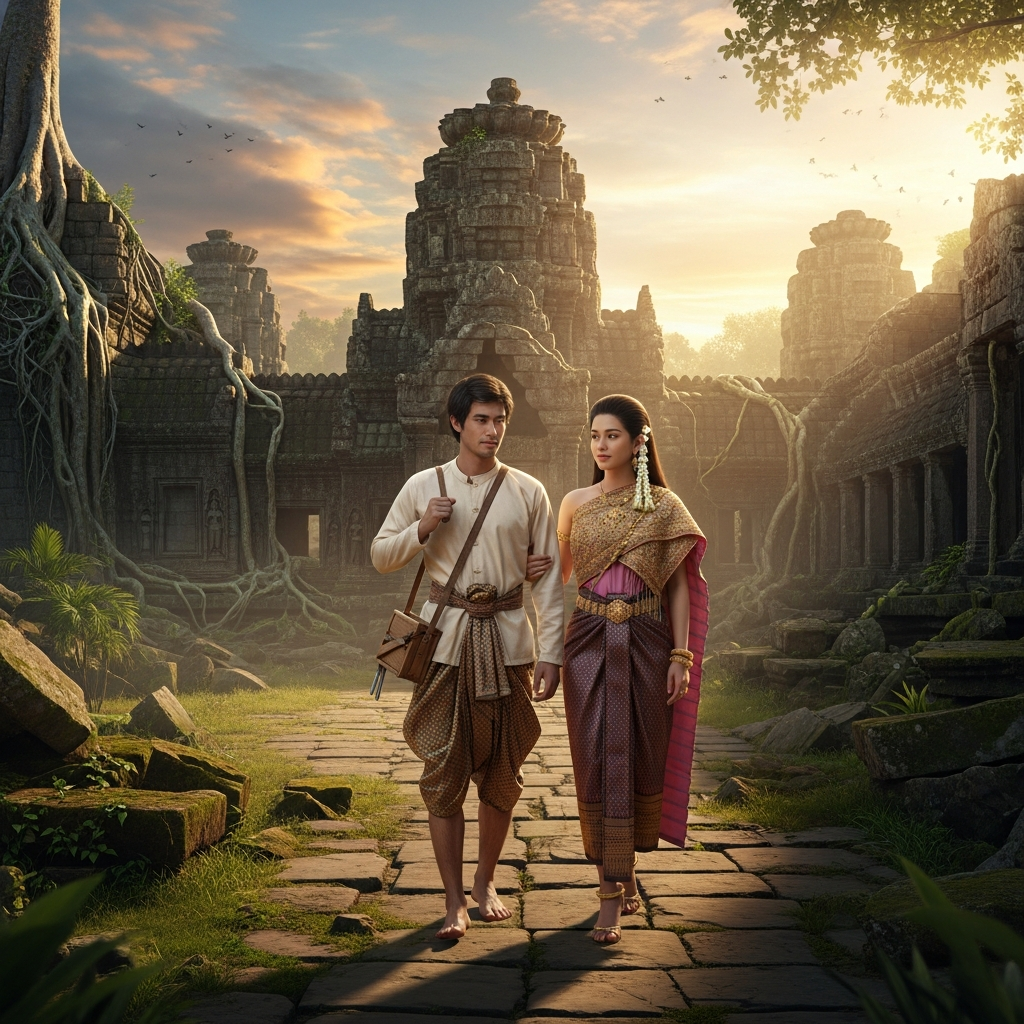
ដំណើរវិលត្រឡប់នៃជាងចម្លាក់
ដំណើរវិលត្រឡប់នៃជាងចម្លាក់
រយៈពេលបីទសវត្សរ៍បានហូរផុតទៅដូចជាចរន្តទឹកក្នុងរដូវប្រាំង ដែលបានបន្សល់ទុកត្រឹមតែដីល្បាប់នៃអនុស្សាវរីយ៍ស្ងួតហួតហែង។ សុធារិទ្ធ បានវិលត្រឡប់មកកាន់ស្រុកកំណើតដ៏ស្ងប់ស្ងាត់វិញ ក្រោមម្លប់ឈើទាលដ៏ត្រជាក់ល្ហឹម។ គាត់បានចាកចេញពីទីនេះក្នុងវ័យកម្លោះពោរពេញដោយកម្លាំងកាយចិត្ត និងក្ដីស្រមៃចង់ឆ្លាក់រូបកេសរមាលាជាស្នាដៃឯករបស់ខ្លួន។ តែពេលនេះ គាត់បានត្រឡប់មកវិញក្នុងសភាពជាបុរសចំណាស់មួយរូប ដែលមានអាយុជ្រេជ្រុលជាងកំណត់ ជាមួយនឹងបន្ទុកជីវិតដ៏ធ្ងន់ធ្ងរនៅលើស្មា។ ធូលីដីពណ៌ក្រហមនៃភូមិស្រុក បានគ្របដណ្ដប់លើសម្លៀកបំពាក់កាស៊ីរបស់គាត់ ដែលឆ្លុះបញ្ចាំងពីការធ្វើដំណើរដ៏យូរអង្វែងកាត់វាលរាប និងភ្នំខ្ពស់ៗ។
រូបរាងកាយរបស់សុធារិទ្ធ ត្រូវបានផ្លាស់ប្តូរទាំងស្រុងដោយទម្ងន់នៃថ្ម និងការប៉ះទង្គិចឥតឈប់ឈរនៃកណ្ដាប់ដៃញញួរ។ មុខរបស់គាត់មានស្នាមជ្រីវជ្រួញផុសឡើងយ៉ាងច្បាស់លាស់ដូចជាផែនទីបុរាណ ដែលសម្គាល់រាល់សមរភូមិដែលគាត់បានឆ្លងកាត់ជាមួយថ្មរឹងមាំ។ សក់របស់គាត់ប្រែជាស្កូវច្រើនជាងពាក់កណ្តាល ហើយស្មារបស់គាត់ទ្រុឌទ្រោមបន្តិច ហាក់ដូចជាទ្រទ្រង់បន្ទុកនៃប្រាសាទដែលគាត់បានជួយកសាង។ ដៃទាំងគូរបស់គាត់ ដែលជាឧបករណ៍ដ៏សំខាន់បំផុតរបស់ជាងចម្លាក់នោះ ឥឡូវនេះប្រែជាក្រហាយរឹងមាំ ផ្ទៃស្បែកប្រេះស្រាំ ជាមួយនឹងស្លាកស្នាមរាប់មិនអស់ពីការកាប់ឆ្កៀល និងការប៉ះទង្គិច។ ស្នាមទាំងនេះមិនមែនជាសញ្ញានៃការបរាជ័យទេ តែជាមេដាយនៃសេចក្ដីព្យាយាម ជាកំណត់ត្រាដ៏ស្មោះត្រង់នៃការលះបង់អស់មួយជីវិតចំពោះសិល្បៈនៃការចម្លាក់។
ទោះបីជាសំបកខាងក្រៅមានសភាពទ្រុឌទ្រោមយ៉ាងណាក៏ដោយ ក៏ព្រលឹងរបស់សុធារិទ្ធនៅតែបរិសុទ្ធ និងថ្លាឈ្វេងដូចគ្រីស្តាល់ដែលបានច្នៃយ៉ាងល្អិតល្អន់។ ចិត្ដគំនិតរបស់គាត់មិនត្រូវបានបំផ្លាញដោយភាពវឹកវរនៃពិភពខាងក្រៅឡើយ។ អស់ជាច្រើនទសវត្សរ៍ គាត់បានរស់នៅតែជាមួយនឹងការងារ និងការចងចាំដ៏ស្រស់ស្អាតរបស់កេសរមាលា។ គាត់បានដកដង្ហើមចូលនូវធូលីថ្ម និងដកដង្ហើមចេញនូវទម្រង់រូបដែលឥតខ្ចោះ។ គាត់បានឆ្លាក់រូបទេវតា រូបអប្សរា និងរូបសត្វទេវកថាផ្សេងៗ នៅក្នុងប្រាសាទនានាទូទាំងអាណាចក្រ។ រាល់ការដាប់ថ្មម្ដងៗ គឺជាការអធិស្ឋានមួយ រាល់ស្នាមឆ្កៀលម្ដងៗ គឺជាការរំលឹកដល់ស្នាមញញឹមដែលគាត់បានចងចាំយ៉ាងច្បាស់។ ភាពបរិសុទ្ធរបស់គាត់ស្ថិតនៅក្នុងការប្ដេជ្ញាចិត្ដរបស់គាត់ចំពោះភាពស្រស់ស្អាតដែលមិនអាចប៉ះពាល់បាន។ គាត់បានរក្សាទុកកេសរមាលានៅក្នុងបេះដូងរបស់គាត់ មិនមែនជាមនុស្សស្រីដែលមានសាច់ឈាមទេ ប៉ុន្តែជាឧត្ដមគតិ គឺជាគំរូដើមនៃភាពល្អឥតខ្ចោះខាងសិល្បៈ។ នាងគឺជាពន្លឺដែលនាំផ្លូវឲ្យគាត់បង្កើតស្នាដៃឯករបស់គាត់។
គាត់បានឈរនៅមុខផ្ទះឈើចាស់មួយ ដែលធ្លាប់ជាកន្លែងដែលកេសរមាលារស់នៅ។ ផ្ទះនោះមើលទៅហាក់ដូចជាចំណាស់ជាងសាមសិបឆ្នាំដែលបានកន្លងផុតទៅ។ ដើមស្វាយធំមួយបានលូតលាស់បាំងស្រមោលភាគច្រើន។ សុធារិទ្ធបានសម្រេចចិត្តដើរសំដៅទៅផ្ទះរបស់យាយម្នាក់ ដែលត្រូវបានគេស្គាល់ថាជាអ្នកថែរក្សារឿងរ៉ាវក្នុងភូមិ។ យាយលាវ ជាស្ត្រីចំណាស់មានវ័យរាងជ្រុល តែភ្នែករបស់គាត់នៅតែរហ័សរហួន។ សុធារិទ្ធបានឱនក្បាលគោរពយ៉ាងម៉ឺងម៉ាត់។
«ជំរាបសួរ យាយលាវ។ ខ្ញុំឈ្មោះសុធារិទ្ធ ជាជាងចម្លាក់ដែលបានចាកចេញពីភូមិនេះតាំងពីយូរយារណាស់មកហើយ» សំឡេងរបស់គាត់ស្អកបន្តិច ដូចជាខ្សាច់ដែលកកស្ទះ។ «ខ្ញុំបានវិលត្រឡប់មកវិញដើម្បីសាកសួរអំពីរឿងមួយដែលនៅតែដក់ជាប់ក្នុងចិត្តខ្ញុំ គឺកេសរមាលា។ តើមានរឿងអ្វីកើតឡើងចំពោះនាង?»
យាយលាវ បានអង្អែលសក់ស្កូវរបស់គាត់ដោយប្រើម្រាមដៃញ័រ ហើយសម្លឹងមើលទៅសុធារិទ្ធយ៉ាងយកចិត្តទុកដាក់ ដោយត្រួតពិនិត្យស្លាកស្នាមរបស់គាត់ដោយភាពស្ងៀមស្ងាត់។ ភ្នែករបស់គាត់ហាក់ដូចជាកំពុងអានរឿងរ៉ាវទាំងមូលនៃជីវិតរបស់សុធារិទ្ធដែលបានចំណាយលើការកសាងប្រាសាទ។ ភាពស្ងៀមស្ងាត់បានរុំព័ទ្ធពួកគេអស់រយៈពេលជាច្រើននាទី ដែលធ្វើឲ្យខ្យល់អាកាសក្នុងភូមិមានអារម្មណ៍ធ្ងន់ និងត្រជាក់។
«សុធារិទ្ធ ខ្ញុំចងចាំអ្នក» យាយលាវ ឆ្លើយតបក្នុងសំឡេងទាបដែលផ្ទុកនូវទម្ងន់នៃប្រវត្តិសាស្ត្រ។ «អ្នកបានទៅកសាងប្រាសាទថ្ម ដែលស្ថិតស្ថេររាប់ពាន់ឆ្នាំ។ តែអ្នកភ្លេចថា មនុស្សមិនមែនជាថ្មទេ។» យាយលាវដកដង្ហើមធំដោយក្ដីអាឡោះអាល័យ។ «កេសរមាលា នាងរង់ចាំយូរពេកហើយ។ នាងជាផ្កាដែលត្រូវការទឹកភ្លៀង មិនមែនជាថ្មដែលរង់ចាំចម្លាក់នោះទេ។ បន្ទាប់ពីរយៈពេលដប់ឆ្នាំដែលគ្មានដំណឹងសោះ នាងបានរៀបការជាមួយកសិករក្នុងភូមិដែលនៅក្បែរនេះ ដើម្បីបន្តជីវិតជាគ្រួសារ។»
ពាក្យសម្ដីទាំងនេះបានធ្លាក់មកលើសុធារិទ្ធ ដូចជាកំណាត់ថ្មធំមួយ។ គាត់បានរៀបចំចិត្តរាប់ទសវត្សរ៍ដើម្បីទទួលយកភាពចាស់ជរា ប៉ុន្តែមិនបានត្រៀមខ្លួនទទួលយកការពិតដែលថា ឧត្ដមគតិរបស់គាត់បានក្លាយជាការពិតរបស់អ្នកដទៃនោះទេ។ ភាពបរិសុទ្ធនៃដួងព្រលឹងរបស់គាត់ មិនអាចជួយសង្គ្រោះគាត់ពីភាពរដុបនៃការពិតបានឡើយ។ សុធារិទ្ធ ឈរស្ងៀមអស់រយៈពេលជាយូរ ដោយសម្លឹងមើលទៅដីដែលគាត់ធ្លាប់បានដើរកាលពីក្មេង។ គាត់បានចំណាយពេលកសាងប្រាសាទសម្រាប់ព្រះ តែមិនបានចំណាយពេលគ្រប់គ្រាន់ដើម្បីថែរក្សាស្នេហាដែលផុយស្រួយរបស់មនុស្សឡើយ។ គាត់ដឹងថាស្នាដៃសិល្បៈរបស់គាត់នឹងស្ថិតស្ថេរជារៀងរហូត តែសេចក្តីស្នេហានិងជីវិតបានដើរហួសពីគាត់ទៅហើយ។ គាត់បានដើរចេញពីផ្ទះយាយលាវ ដោយមានអារម្មណ៍ថាទម្ងន់នៃស្នាមនៅលើដៃរបស់គាត់កាន់តែធ្ងន់ជាងមុន។ ដំណើរវិលត្រឡប់របស់គាត់មិនមែនជាការបញ្ចប់ទេ តែជាការចាប់ផ្ដើមនៃការយល់ដឹងអំពីធម្មជាតិនៃភាពអនិច្ចា។
The Return Journey of the Sculptor
Three decades had flowed past like a dry season river, leaving behind only the sediment of arid memories. Sothearith returned to his quiet village under the cool shade of the Dipterocarpus trees. He had left this place as a vigorous youth, full of energy and the dream of carving Kesormala into his masterpiece. Now, he returned as an elderly man, his age evident, the heavy burden of life resting upon his slumped shoulders. The red dust of the homeland clung to his canvas clothes, a visible chronicle of the long journeys he had undertaken across plains and high mountains.
Sothearith’s physical form was utterly transformed by the weight of the stone and the relentless impact of the hammer and chisel. His face bore deep etchings, fine lines crisscrossing like an ancient map marking every battlefield he had fought against unyielding rock. His hair was more than half silver, and his shoulders stooped slightly, as if still supporting the weight of the temples he had helped construct. His hands, the sculptor’s most vital instruments, were now tough and gnarled, the skin cracked and rugged, displaying countless scars from chipping and abrasion. These marks were not signs of suffering, but rather medals of persistence, an honest record of a lifetime dedicated to the art of sculpture.
Yet, despite the decay of the exterior shell, Sothearith’s spirit remained pristine and transparent, like a finely polished crystal. His inner world had not been corrupted by the chaos of the external world. For decades, he had lived solely with his work and the beautiful memory of Kesormala. He breathed in stone dust and exhaled perfect forms. He carved devas, apsaras, and mythological beasts within the temples across the kingdom. Every strike of the chisel was a prayer; every fine incision was a tribute to the smile he remembered with such clarity. His purity lay in his unwavering commitment to untouchable beauty. He held Kesormala in his heart, not as a woman of flesh and blood, but as an ideal, the archetype of artistic perfection. She was the guiding light that allowed him to realize his greatest works.
He stood before the old wooden house where Kesormala used to live. The structure looked older than the thirty years that had passed. A large mango tree cast most of the shadow. Sothearith decided to walk towards the dwelling of an old woman known as the keeper of the village stories. Yeay Leav, though frail, had eyes that were still sharp and perceptive. Sothearith bowed respectfully.
“Greetings, Yeay Leav. I am Sothearith, the sculptor who left this village many, many years ago,” his voice was slightly rough, like sand caught in the throat. “I have returned to ask about the one thing that has never left my mind: Kesormala. What has become of her?”
Yeay Leav smoothed her graying hair with a trembling hand and looked at Sothearith intently, inspecting his scars in silence. Her eyes seemed to be reading the entire chronicle of his life spent building edifices. The silence enveloped them for several minutes, making the village air feel heavy and cool.
“Sothearith, I remember you,” Yeay Leav replied in a low voice laden with the weight of history. “You went off to build stone temples that would last a thousand years. But you forgot that people are not stone.” Yeay Leav sighed deeply with sorrow. “Kesormala, she waited too long. She was a flower needing rain, not a rock awaiting your chisel. After ten years without any word, she married a farmer from the neighboring village to continue the cycle of family life.”
These words fell upon Sothearith like a massive block of quarried stone. He had prepared his mind for decades to accept old age and physical decline, but he had not prepared himself for the truth that his ideal had become someone else’s reality. The purity of his soul could not shield him from the ruggedness of human existence. Sothearith stood still for a long time, gazing down at the earth he had once walked upon as a boy. He had spent his time building structures for the gods, but not enough time nurturing the fragile love of mortals. He knew his artworks would endure forever, but love and life had moved on without him. He walked away from Yeay Leav’s house, feeling the weight of the scars on his hands heavier than ever before. His return journey was not a conclusion, but the initiation into understanding the nature of impermanence.
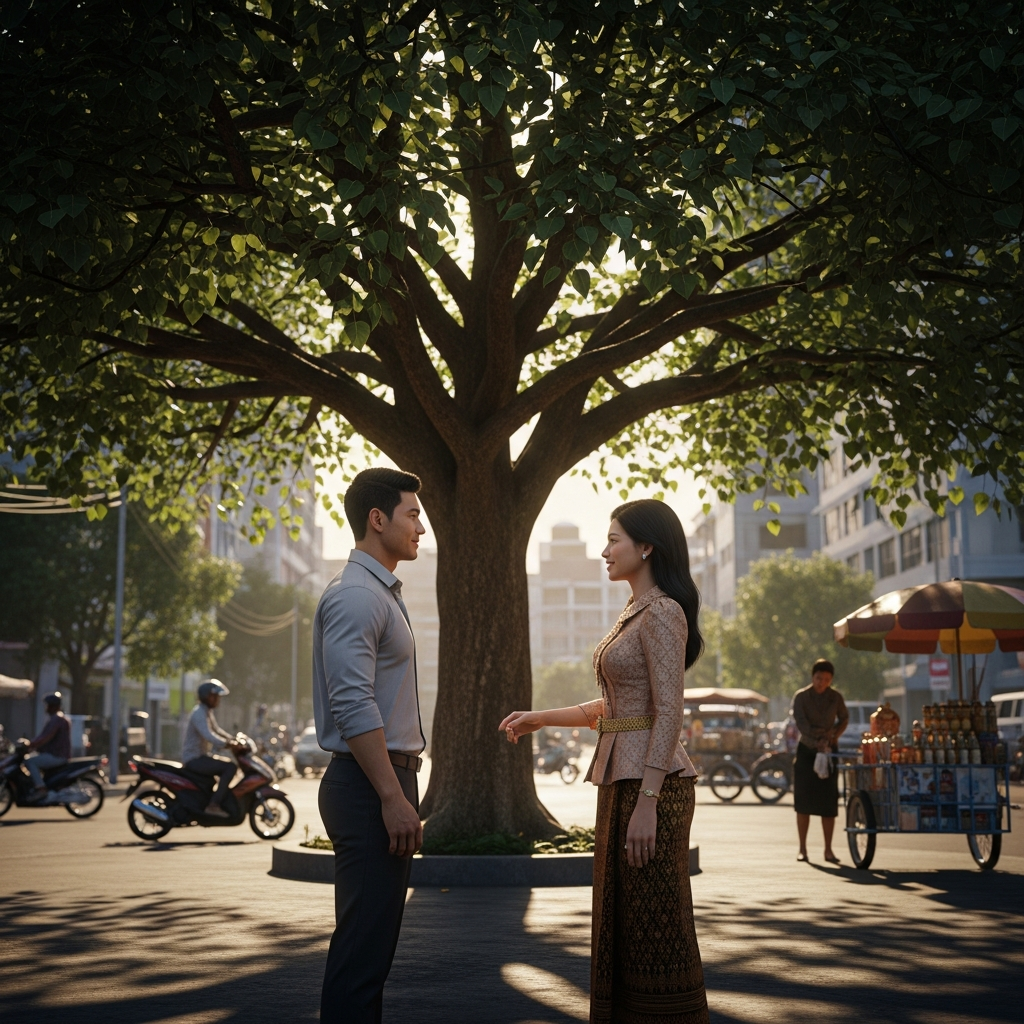
ជួបគ្នាម្ដងទៀតនៅក្រោមដើមក្ដីសង្ឃឹម
ក្រោមម្លប់រហាត់ទឹកនៃអនុស្សាវរីយ៍ចាស់ ដែលលាក់ខ្លួននៅជ្រុងស្ងាត់មួយនៃក្រុងដើមដែលធ្លាប់ជាចំណុចចាប់ផ្ដើមនៃដួងចិត្តពីរ សុធារិទ្ធ បានអង្គុយលើកៅអីថ្មម៉ាបដែលប្រេះបែកដោយអន្លើៗ ក្រោមឥទ្ធិពលនៃវស្សា និងពេលវេលាដ៏យូរអង្វែង។ ក្លិនផ្កាចំប៉ីដែលជ្រុះរោយរាយប៉ាយតាមដីលាយឡំនឹងក្លិនដីសើម បង្កើតបានជាល្បាយមួយដែលរំលឹកដល់យុគសម័យនៃការលះបង់ និងការរង់ចាំ។ គាត់កំពុងរង់ចាំនរណាម្នាក់ដែលធ្លាប់ជាអត្ថន័យនៃជីវិត មុនពេលវាត្រូវបានបែងចែកដោយជោគវាសនាដែលមើលមិនឃើញ។
ពេលរសៀលជ្រេជិតលិច ពណ៌មាសបានជះមកលើស្លឹកឈើនៃដើមក្ដីសង្ឃឹម ដែលជាឈ្មោះដែលអ្នកភូមិបានដាក់ឱ្យដើមឈើធំមួយនេះ ដោយសារតែវាហាក់ដូចជាមិនដែលចេះងាប់ឡើយ ទោះបីជាត្រូវឆ្លងកាត់រដូវកាលលំបាកប៉ុន្មានក៏ដោយ។ ទីតាំងនេះ គឺជាកន្លែងដែល សុធារិទ្ធ និង កេសរមាលា បានសច្ចាប្រណិធាននូវពាក្យសម្បថដំបូងនៃភក្ដីភាព ដែលបន្ទាប់មកត្រូវបានបំផ្លាញដោយការភ័ន្តច្រឡំមួយគ្រា និងការគិតថាខ្លួនឯងត្រូវជានិច្ច។
ស្រមោលរាងស្ដើងមួយបានលេចឡើងនៅច្រកចូលតូចនៃសួនច្បារនោះ។ កេសរមាលា បានដើរចូលមកដោយជំហានដ៏ប្រយ័ត្នប្រយែង ភ្នែករបស់នាងមិនបានសម្លឹងមើលទៅលើដីឡើយ តែហាក់ដូចជាកំពុងសម្លឹងមើលទៅកាន់ពិភពលោកមួយដែលនាងធ្លាប់បានបាត់បង់។ រូបរាងរបស់នាងបានផ្លាស់ប្តូរខ្លះ ភាពចាស់ទុំបានគ្របដណ្ដប់លើភាពក្មេងខ្ចីដែល សុធារិទ្ធ ធ្លាប់ស្គាល់ ប៉ុន្តែស្នាមញញឹមដ៏ស្រទន់នៅតែរក្សាបាននូវភាពបរិសុទ្ធដែលមិនអាចបំភ្លេចបាន។
ភាពស្ងៀមស្ងាត់បានលាតសន្ធឹងដូចជាបាតសមុទ្រជ្រៅ ដែលពោរពេញទៅដោយសម្ពាធនៃអនុស្សាវរីយ៍ដែលមិនទាន់បានរំលាយ។ សុធារិទ្ធ ក្រោកឈរឡើងយឺតៗ ដោយមិនហ៊ានបំពានភាពស្ងប់ស្ងាត់នោះឡើយ។ គាត់បានឃើញក្នុងភ្នែករបស់នាង នូវការឈឺចាប់ដែលពួកគេទាំងពីរបានចែករំលែក ប៉ុន្តែក៏មានពន្លឺនៃការយល់ដឹងដ៏កម្រមួយផងដែរ។
«កេសរមាលា…» សំឡេងរបស់ សុធារិទ្ធ ស្អកបន្តិច ហាក់ដូចជាវាមិនត្រូវបានប្រើប្រាស់ក្នុងការហៅឈ្មោះនេះអស់រយៈពេលជាច្រើនឆ្នាំ។
«សុធារិទ្ធ… ដើមឈើនេះនៅតែឈរដដែល» នាងឆ្លើយតប សំដៅទៅលើដើមក្ដីសង្ឃឹម។ ពាក្យសម្ដីរបស់នាងមានលក្ខណៈសាមញ្ញ តែពោរពេញទៅដោយអត្ថន័យទម្ងន់ធ្ងន់។ វាជារឿងចម្លែក ដែលកន្លែងនេះ នៅតែរក្សាបាននូវភាពដើមរបស់វា ខណៈដែលជីវិតរបស់ពួកគេបានកែប្រែទៅជាវិស័យផ្សេងៗគ្នា។
សុធារិទ្ធ បានរំលឹកឡើងវិញនូវជីវិតរបស់គាត់ក្នុងរយៈពេលដប់ឆ្នាំចុងក្រោយ។ ភាពជោគជ័យផ្នែកអាជីពដែលគាត់បានកសាងឡើងយ៉ាងខ្ជាប់ខ្ជួន គ្រាន់តែជាល្បិចកលមួយដើម្បីបំពេញចន្លោះប្រហោងនៃព្រលឹងដែលគ្មាននាងប៉ុណ្ណោះ។ «ខ្ញុំជ្រើសរើសកន្លែងនេះ ព្រោះខ្ញុំជឿថា កន្លែងនេះគឺជាទីតាំងតែមួយគត់ដែលលែងមានការកុហក ឬការលាក់បាំង។ វាគឺជាឫសគល់ពិតប្រាកដនៃអ្វីដែលយើងធ្លាប់មាន»។
កេសរមាលា បានអង្គុយចុះទល់មុខគាត់។ «យើងទាំងពីរបានព្យាយាមរត់គេចពីអតីតកាលនេះតាមរយៈផ្លូវផ្សេងៗគ្នា។ ខ្ញុំបានរៀនយល់ថា ការអភ័យទោសមិនមែនសម្រាប់អ្នកដទៃទេ តែសម្រាប់ខ្លួនយើង ដើម្បីរំដោះខ្លួនពីចំណងនៃការស្ដាយក្រោយ។ ពេលវេលាបានបង្រៀនយើងឱ្យទទួលស្គាល់ភាពទន់ខ្សោយរបស់ខ្លួនឯង»។
ពួកគេបានផ្លាស់ប្តូររឿងរ៉ាវនៃជីវិតរៀងៗខ្លួន។ ការតស៊ូរបស់ កេសរមាលា ក្នុងការកសាងជីវិតឯករាជ្យរបស់នាង ដោយមិនពឹងផ្អែកលើការចងចាំដ៏ឈឺចាប់ គឺជាភស្តុតាងនៃភាពរឹងមាំផ្លូវចិត្ត។ សុធារិទ្ធ បានសារភាពថា ទោះបីជាគាត់ទទួលបាននូវឋានៈខ្ពង់ខ្ពស់ក៏ដោយ ក៏គាត់នៅតែរក្សាគម្លាតផ្លូវចិត្តពីមនុស្សជុំវិញខ្លួន ព្រោះខ្លាចនឹងការឈឺចាប់ម្ដងទៀត។
ការជួបគ្នានេះ មិនមែនជាការរំលឹកដល់ការស្នេហាដ៏រំជើបរំជួលក្នុងវ័យកុមារភាពនោះទេ។ តែវាគឺជាកិច្ចពិភាក្សាដ៏ជ្រាលជ្រៅរវាងមនុស្សពេញវ័យពីរនាក់ ដែលបានឆ្លងកាត់ព្យុះភ្លៀង ហើយបានមកដល់ចំណុចមួយដែលពួកគេអាចមើលឃើញភាពខុសឆ្គងរបស់ខ្លួនឯងយ៉ាងច្បាស់។ ការបែកបាក់កាលពីមុន មិនមែនជាការបញ្ចប់នោះទេ តែជាការផ្អាកមួយដ៏ចាំបាច់ ដើម្បីអនុញ្ញាតឱ្យព្រលឹងទាំងពីរនេះលូតលាស់ដោយឡែកពីគ្នា។
សុធារិទ្ធ សម្លឹងមើលទៅលើស្លឹកឈើ ដែលចាប់ផ្ដើមផ្លាស់ប្ដូរពណ៌ទៅជាពណ៌ស្វាយក្រោមពន្លឺចុងក្រោយនៃថ្ងៃ។ «កេសរមាលា តើដើមឈើនេះ អាចក្លាយជាចំណុចចាប់ផ្ដើមថ្មីសម្រាប់យើងបានទេ? មិនមែនជាការចាប់ផ្ដើមនៃស្នេហាដែលយើងធ្លាប់ស្គាល់ទេ តែជាការចាប់ផ្ដើមនៃភាពជាដៃគូមួយដែលពោរពេញដោយការគោរព និងការយល់ចិត្តគ្នា?»
នាងលើកដៃឡើងប៉ះសំបកដើមឈើដែលរដុប។ «ដើមក្ដីសង្ឃឹមនេះ បង្រៀនខ្ញុំថា ទោះឫសរបស់វាត្រូវរងការប៉ះទង្គិចយ៉ាងណាក៏ដោយ ក៏វានៅតែដុះឡើងទៅលើ។ យើងទាំងពីរបានរៀនមេរៀនគ្រប់គ្រាន់ហើយ សុធារិទ្ធ។ យើងមិនអាចត្រឡប់ទៅរកអតីតកាលបានឡើយ ប៉ុន្តែយើងអាចសាងសង់មូលដ្ឋានគ្រឹះថ្មីមួយនៅទីនេះ ដែលត្រូវបានហ៊ុមព័ទ្ធដោយប្រាជ្ញា និងបទពិសោធន៍ដែលយើងទទួលបាន»។
ការព្រមព្រៀងរបស់នាង មិនត្រូវបានបង្ហាញតាមរយៈពាក្យសម្បថដ៏ផ្អែមល្ហែមនោះទេ។ វាគឺជាការទទួលយកដ៏ស្ងប់ស្ងាត់មួយ ដែលមានតម្លៃជាងពាក្យសម្ដីរាប់ពាន់។ ព្រះអាទិត្យបានលិចបាត់ទាំងស្រុង ហើយពន្លឺនៃចង្កៀងថ្មីបានចាប់ផ្តើមបញ្ចេញរស្មីនៅជុំវិញវត្ត។ ពួកគេបានអង្គុយនៅទីនោះ ក្រោមម្លប់ដើមឈើ ដែលលែងត្រឹមតែជាអនុស្សាវរីយ៍ទៀតហើយ តែជាទីជម្រកនៃការចាប់ផ្ដើមដ៏មានសក្ដានុពល។ ពួកគេមិនបានកាន់ដៃគ្នាភ្លាមៗនោះទេ តែចម្ងាយរវាងពួកគេបានថយចុះយ៉ាងខ្លាំង ព្រោះតែភាពជឿជាក់ដែលបានកើតឡើងវិញ។ ភាពរឹងមាំនៃសេចក្តីស្រឡាញ់របស់ពួកគេ គឺផ្អែកលើការពិតដែលថា ពួកគេបានរស់រានមានជីវិតពីការបែកបាក់នោះ ហើយបានត្រឡប់មកវិញដោយមានភាពពេញលេញជាមនុស្សម្នាក់ៗ។ ការជួបគ្នាម្ដងទៀតនៅក្រោមដើមក្ដីសង្ឃឹម មិនមែនជាអព្ភូតហេតុទេ តែជាផលនៃភាពអត់ធ្មត់ និងការព្យាយាមរស់នៅដោយសច្ចភាព។
Beneath the worn stone arbor of old memories, sequestered in a quiet nook of the city that had once birthed their shared affections, Sothearith sat upon a granite bench, its surface fissured by years of monsoon rains and unrelenting passage of time. The aroma of fallen jasmine blossoms mingling with the damp earth created a poignant mixture, evocative of an era defined by sacrifice and protracted waiting. He was waiting for someone who had represented the very essence of his existence, before fate, unforeseen and cruel, had cleaved their paths apart.
As the afternoon began its slow decline toward twilight, a golden luminescence bathed the canopy of the Tree of Hope—a name affectionately bestowed upon the ancient, towering structure by the local villagers because it seemed impervious to death, enduring countless difficult seasons. This location marked the place where Sothearith and Kesormala had first exchanged pledges of fidelity, promises subsequently shattered by a moment of catastrophic misunderstanding and self-righteous stubbornness.
A slender silhouette materialized at the small, overgrown entrance to the garden. Kesormala approached with cautious steps, her gaze not fixed upon the ground, but seemingly directed toward a world she had long mourned losing. Her appearance had matured; the fragility of youth Sothearith once knew was replaced by a composed maturity, yet her gentle, almost ethereal smile retained an unforgettable purity.
The silence that settled between them was profound, stretching out like the deep ocean floor, heavy with the pressure of unresolved memories. Sothearith rose slowly, hesitant to violate the sacred quietude. In her eyes, he perceived the shared pain of their separation, but also a rare, unmistakable glimmer of newfound understanding.
“Kesormala…” Sothearith’s voice was rough, as if unused to articulating that specific name after years of disuse.
“Sothearith… The tree still stands,” she replied, gesturing toward the omnipresent Tree of Hope. Her words were simple, yet carried immense weight. It was an irony that this location had retained its pristine, original form while the trajectories of their individual lives had shifted into vastly different domains.
Sothearith reflected on his last decade. The professional successes he had painstakingly erected served merely as an elaborate façade, an attempt to fill the gaping void in his soul left by her absence. “I chose this spot because I believe it is the only place left where there can be no pretense or concealment. It represents the genuine root of what we once possessed.”
Kesormala sat opposite him. “We both tried to outrun this past by taking divergent paths. I learned that forgiveness is not merely for the other person, but for oneself, to release the spirit from the shackles of regret. Time has taught us both to acknowledge our own fallibility.”
They exchanged the narratives of their separate lives. Kesormala’s perseverance in establishing her independent existence, fiercely resisting the temptation to wallow in painful recollection, was a testament to her profound inner fortitude. Sothearith confessed that despite ascending to high social status, he maintained an emotional distance from those around him, paralyzed by the fear of enduring such deep pain again.
This reunion was not a romantic evocation of youthful passion. Rather, it was a substantive, deeply philosophical discussion between two mature adults who had weathered tremendous storms and arrived at a point where they could clearly discern their respective errors. The previous severance was not an ending, but a necessary intermission, allowing both souls the space to develop independently.
Sothearith looked up at the foliage, which was beginning to turn a deep violet in the day’s final light. “Kesormala, can this tree become a new genesis for us? Not the genesis of the youthful love we knew, but the beginning of a partnership founded entirely on respect, profound trust, and mutual empathy?”
She reached out, touching the rough, ancient bark. “The Tree of Hope taught me that even if its roots are battered and disturbed, it inevitably strives upward toward the light. We have learned sufficient lessons, Sothearith. We cannot resurrect the exact past, but we can construct a new foundation here, fortified by the wisdom and hard-won experience we have accumulated.”
Her consent was not delivered through flowery vows or sentimental declarations. It was a quiet, accepting acknowledgment, worth far more than thousands of verbal assurances. The sun finally dipped below the horizon, and the illumination of nearby lanterns began to shed their soft glow around the pagoda grounds. They remained seated beneath the tree, which was no longer merely a monument to memory, but a sanctuary of potent potential. They did not immediately join hands, but the psychological distance between them had dramatically diminished, bridged by the profound certainty of restored confidence. The enduring strength of their connection was rooted in the fact that they had survived the separation and returned whole as individuals. Meeting again beneath the Tree of Hope was not a miracle, but the profound fruit of patience and the persistent pursuit of genuine truth.
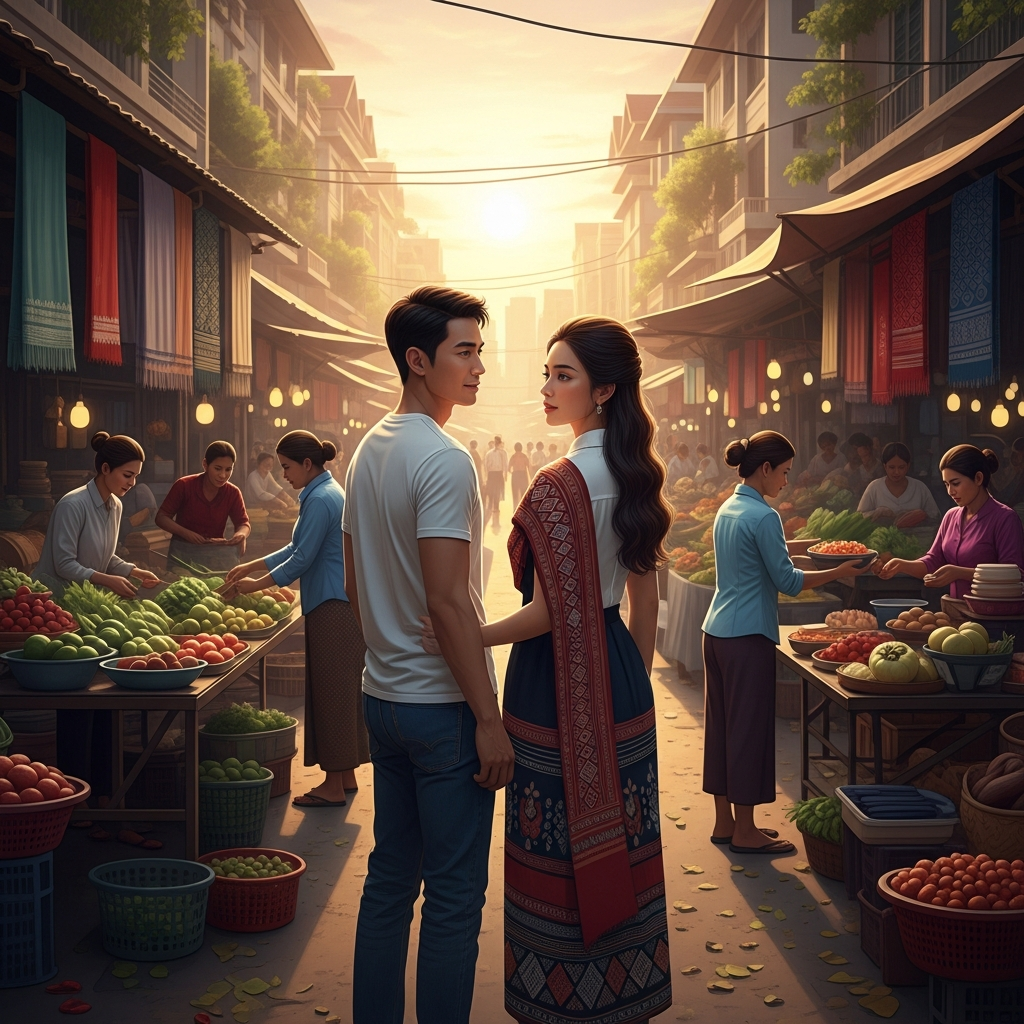
ផល្លាដែលកើតចេញពីការនិរាស
ផល្លាដែលកើតចេញពីការនិរាស មិនមែនជាផលនៃភាពជូរចត់ទេ តែជាការទុំនៃសេចក្តីស្នេហាពិត។ ក្នុងលោកិយដែលពោរពេញដោយខ្សែបន្ទាត់បែងចែក គឺមានតែកម្លាំងនៃសេចក្តីស្រឡាញ់ដ៏ស្មោះប៉ុណ្ណោះដែលអាចបំបែករបាំងទាំងនោះបាន ទោះជាត្រូវឆ្លងកាត់ការបែកបាក់គ្នាយ៉ាងឈឺចាប់ក៏ដោយ។ សុធារិទ្ធ ដែលជាអ្នកកាន់កាប់រាជកិច្ចដ៏ធ្ងន់ធ្ងរ និង កេសរមាលា ដែលជាបុត្រីនៃអ្នកប្រាជ្ញសាមញ្ញ បានទទួលរងនូវការបំបែកដោយបង្ខំ ដោយសារតែលំអៀងនៃវណ្ណៈ និងទំនៀមទម្លាប់រាជវង្សានុវង្ស។ ការនិរាសរបស់ពួកគេ មិនមែនជាការបញ្ចប់ឡើយ តែជាការចាប់ផ្តើមនៃដំណើរការកែលម្អខាងវិញ្ញាណដ៏ជ្រាលជ្រៅបំផុត។ វាជាការធ្វើតេស្តដ៏មហិមាដែលវាស់វែងមិនមែនដោយរយៈពេលនៃការនៅក្បែរគ្នាទេ តែដោយភាពរឹងមាំនៃការចងចាំ និងភាពបរិសុទ្ធនៃចេតនាដែលត្រូវបានរក្សាទុកក្នុងចិត្តរៀងៗខ្លួន។
កាលដែលពួកគេនៅក្បែរគ្នា សេចក្តីស្រឡាញ់របស់ពួកគេប្រៀបដូចជាទន្លេដ៏ហូរខ្លាំង ពោរពេញទៅដោយចំណង់ចំណូលចិត្ត និងភាពកក់ក្តៅខាងរូបកាយ។ ប៉ុន្តែនៅពេលដែលព្រំដែននៃការពិតត្រូវបានគូសឡើង រវាងរាជវាំងដ៏ភ្លឺស្វាងរបស់សុធារិទ្ធ និងផ្ទះអ្នកប្រាជ្ញដ៏ស្ងប់ស្ងាត់របស់កេសរមាលា ភាពខុសគ្នានៃឋានៈបានក្លាយជាភ្នំដែលមិនអាចឡើងបាន។ សុធារិទ្ធ ត្រូវបំពេញកាតព្វកិច្ចរបស់ខ្លួនចំពោះនគរ ត្រូវដឹកនាំទ័ព ត្រូវរក្សាសណ្តាប់ធ្នាប់ ត្រូវលះបង់បំណងប្រាថ្នាផ្ទាល់ខ្លួនទាំងអស់ដើម្បីបម្រើប្រជារាស្ត្រ។ កាតព្វកិច្ចទាំងនេះមិនមែនជាសត្រូវរបស់កេសរមាលាទេ តែជាតម្រូវការដ៏ចាំបាច់នៃអត្ថិភាពរបស់គាត់ ដែលទាមទារឱ្យគាត់លះបង់ភាពជាខ្លួនឯងមួយផ្នែក ដើម្បីជាប្រយោជន៍ដល់នគរទាំងមូល។ រាល់ការដកដង្ហើមរបស់គាត់គឺជាការរំឭកពីការទទួលខុសត្រូវដែលត្រូវបានចារនៅលើជោគវាសនារបស់គាត់។
សម្រាប់កេសរមាលា ភាពឯកោបាននាំមកនូវភាពស្ងប់ស្ងាត់ខាងក្នុងដែលនាងមិនធ្លាប់ស្គាល់ពីមុនមក។ នាងបានបង្វែរថាមពលដែលធ្លាប់ចំណាយទៅលើការនឹកគិតដល់ការបែកគ្នា ទៅជាការសិក្សា និងការយល់ដឹងអំពីទស្សនវិជ្ជានៃជីវិត។ នាងបានដឹងថា ការនិរាសមិនមែនជាការពិន័យទេ តែជាឱកាសដើម្បីរៀនអំពីភាពបរិសុទ្ធនៃសេចក្តីស្រឡាញ់។ នាងបានរកឃើញថា សេចក្តីស្រឡាញ់ពិតមិនអាស្រ័យលើវត្តមានរូបកាយឡើយ តែអាស្រ័យលើការយល់ដឹងពីចម្ងាយ។ ដូចជាផ្កាយរះដែលមើលទៅតូចជាងការពិតទៅទៀត តែពន្លឺរបស់វាបញ្ចេញមកពីចម្ងាយរាប់លានឆ្នាំពន្លឺ ដោយគ្មានការថយចុះនៃឥទ្ធិពលឡើយ។ នាងបានប្រើប្រាស់ភាពស្ងៀមស្ងាត់នេះជាឡដុតសម្រាប់បន្សុទ្ធអារម្មណ៍ យកចេញនូវភាពលោភលន់ និងការទាមទារទាំងឡាយដែលធ្លាប់មាននៅពេលពួកគេនៅក្បែរគ្នា។
ការផ្លាស់ប្តូរដែលកើតឡើងចំពោះ សុធារិទ្ធ គឺមានលក្ខណៈខុសគ្នា។ ភាពឈឺចាប់នៃការបាត់បង់បានបង្រៀនគាត់អំពីតម្លៃពិតនៃកាតព្វកិច្ច។ ពីមុន គាត់បានយល់ថាការលះបង់ជាការបាត់បង់ ប៉ុន្តែឥឡូវនេះ គាត់បានឃើញថាការបម្រើគឺជាផ្លូវមួយដើម្បីរក្សាកិត្តិយសរបស់គាត់ ដែលជាកិត្តិយសដែលកេសរមាលា តែងតែគោរព។ គាត់បានយល់ថា ប្រសិនបើគាត់មិនបំពេញតួនាទីជាស្តេច ឬមេទ័ពដ៏ល្អទេ នោះគាត់នឹងមិនសក្តិសមនឹងសេចក្តីស្រឡាញ់ដ៏ខ្ពង់ខ្ពស់របស់នាងឡើយ។ ភាពអវត្តមានរបស់នាងបានក្លាយជាកម្លាំងជំរុញមួយ ដែលធ្វើឱ្យគាត់ប្រកាន់យកភាពត្រឹមត្រូវ និងយុត្តិធម៌ក្នុងការសម្រេចចិត្តទាំងអស់របស់គាត់ ដោយសារតែគាត់ចង់ឱ្យកេសរមាលា អាចមានមោទនភាពចំពោះទង្វើរបស់គាត់ ទោះបីជានាងមិនអាចនៅក្បែរក៏ដោយ។ សេចក្តីស្រឡាញ់របស់ពួកគេបានក្លាយជាស្តង់ដារសីលធម៌របស់គាត់។
ពួកគេទាំងពីរបានឈានដល់ការយល់ដឹងរួមមួយ ទោះបីជាគ្មានការសន្ទនាផ្ទាល់ក៏ដោយ គឺថា វណ្ណៈ និងកាតព្វកិច្ចមិនបានបាត់បង់ឡើយ។ សុធារិទ្ធ នៅតែជាព្រះអង្គម្ចាស់ ហើយកេសរមាលា នៅតែជាបុត្រីអ្នកប្រាជ្ញ។ ព្រំដែនសង្គមមិនមែនជារបាំងដែលបាក់ដោយអព្ភូតហេតុទេ តែជាការពិតដែលពួកគេត្រូវតែទទួលយក។ ទោះយ៉ាងណាក៏ដោយ ពួកគេបានដឹងថា ចំណងខាងវិញ្ញាណរបស់ពួកគេបានយកឈ្នះលើរាល់ឧបសគ្គខាងរូបកាយ និងសង្គម។ ស្នូលនៃទំនាក់ទំនងរបស់ពួកគេមិនមែនជាកម្មសិទ្ធិរបស់នគរ ឬពិធីការរាជវង្សានុវង្សឡើយ តែជាកម្មសិទ្ធិរបស់ពិភពឯកជនមួយដែលត្រូវបានបង្កើតឡើងដោយការគោរពគ្នា ការយោគយល់គ្នា និងការចងចាំដ៏បរិសុទ្ធ។
ចំណងខាងវិញ្ញាណនេះត្រូវបានចម្រាញ់ចេញពីការបែកគ្នាដ៏យូរអង្វែង ដូចជាពេជ្រដែលត្រូវបានកាត់ដោយភាពតានតឹងនិងសម្ពាធ។ ពួកគេបានផ្លាស់ប្តូរពីការស្រឡាញ់ដែលទាមទារភាពជិតស្និទ្ធខាងរូបកាយ ទៅជាសេចក្តីស្រឡាញ់ដែលជាការគាំទ្រដល់កំណើនផ្ទាល់ខ្លួន។ ពួកគេបានយល់ថា មុខងារសំខាន់នៃសេចក្តីស្រឡាញ់ គឺមិនមែនដើម្បីរួមរស់ជាមួយគ្នាទេ តែគឺដើម្បីបំផុសគំនិតគ្នាទៅវិញទៅមកឱ្យក្លាយជាកំណែដ៏ប្រសើរនៃខ្លួនឯង។ កេសរមាលា បានបន្តការងារផ្នែកអក្សរសិល្ប៍របស់នាង ដោយសរសេរអំពីភាពអនិច្ចារបស់ជីវិត និងភាពស្ថិតស្ថេរនៃក្តីសង្ឃឹម ដោយពាក្យពេចន៍របស់នាងបានក្លាយជាប្រភពនៃកម្លាំងសម្រាប់អ្នកដទៃ។ រីឯ សុធារិទ្ធ បានបន្តការដឹកនាំប្រកបដោយប្រាជ្ញា ដោយយល់ថាការសម្រេចចិត្តរបស់គាត់មិនត្រឹមតែប៉ះពាល់ដល់ប្រជារាស្ត្រទេ តែថែមទាំងឆ្លុះបញ្ចាំងពីគោលការណ៍ដែលគាត់បានរៀនតាមរយៈការលះបង់ទៀតផង។
ការនិរាសបានបង្រៀនពួកគេថា ភាពស្និទ្ធស្នាលពិតប្រាកដមិនត្រូវបានវាស់វែងដោយចម្ងាយរូបកាយទេ តែដោយភាពជាប់ទាក់ទងនៃព្រលឹង។ ពួកគេបានរកឃើញនូវភាពស្ងប់ស្ងាត់នៅក្នុងគំនិតដែលថា ទោះបីជាពួកគេមិនអាចប៉ះគ្នាបានក៏ដោយ ពួកគេតែងតែមានវត្តមាននៅក្នុងគំនិត និងបេះដូងរបស់គ្នាទៅវិញទៅមក។ ផល្លាដែលកើតចេញពីការនិរាស គឺជារូបភាពនៃសេចក្តីស្រឡាញ់ដែលបានរួចផុតពីតណ្ហាខាងលោកិយ ហើយត្រូវបានលើកកម្ពស់ទៅជាទម្រង់នៃការពឹងផ្អែកខាងសីលធម៌។ ពួកគេបានបំបែកខ្លួនឯងចេញពីការទាមទារនៃសុភមង្គលភ្លាមៗ ដោយដឹងថាចំណងដែលពួកគេបានចែករំលែកគឺមានលក្ខណៈអមតៈ ដែលមិនអាចត្រូវបំបែកបានដោយព្រះរាជក្រឹត្យ ទំនៀមទម្លាប់ ឬចម្ងាយផ្លូវ។ សេចក្តីស្រឡាញ់របស់ពួកគេបានក្លាយជាឧទាហរណ៍នៃរបៀបដែលការលះបង់អាចនាំទៅរកការយល់ដឹងដ៏ខ្ពង់ខ្ពស់ និងភាពរុងរឿងខាងផ្លូវចិត្ត។ នេះជាការបញ្ចប់ដ៏ល្អឥតខ្ចោះមួយ មិនមែនជាការរួបរួមខាងរូបកាយទេ តែជាការរួបរួមខាងគោលការណ៍ និងគោលដៅជីវិត។ នេះជាសក្ខីភាពបញ្ជាក់ថា ស្នេហាដែលបរិសុទ្ធពិតជាអាចបំប្លែងភាពឈឺចាប់ទៅជាកម្លាំងចលករដ៏មានឥទ្ធិពលបំផុតសម្រាប់ជីវិត។
The fruit born from separation is not the harvest of bitterness, but the ripening of authentic devotion. In a world riddled with dividing lines, only the strength of genuine affection can dismantle those barriers, even if the process requires the painful severance of ties. Sothearith, burdened by profound royal duties, and Kesarmala, the daughter of a simple scholar, were subjected to an obligatory parting, enforced by the rigidity of varna (class) distinctions and dynastic traditions. Their separation was not an ending; rather, it was the genesis of a deep spiritual refinement. It became the ultimate test, measured not by the duration of their proximity, but by the tenacity of memory and the purity of intention sustained within their individual hearts.
While they were together, their love resembled a surging river, abundant with passion and physical warmth. However, once the boundaries of reality were sharply delineated—between Sothearith’s glittering palace and Kesarmala’s quiet scholarly home—the differences in status became an insurmountable mountain. Sothearith was compelled to fulfill his obligations to the kingdom: leading armies, maintaining order, and sacrificing all personal desires for the service of his people. These duties were not enemies of Kesarmala, but necessary requisites of his very existence, demanding that he surrender a part of his individuality for the collective good of the realm. Every breath he took was a solemn reminder of the immense responsibility etched onto his destiny.
For Kesarmala, isolation brought an inner tranquility she had never known. She redirected the energy previously consumed by the agony of separation into profound study and the philosophical understanding of life itself. She realized that the separation was not a punishment, but an opportunity to grasp the essential nature of love. She discovered that true devotion does not rely upon physical presence but thrives upon distant comprehension. Like a distant star that appears smaller than its actual size, its light travels millions of light-years without diminishing its impact. She utilized this solitude as a crucible to purify her emotions, stripping away the possessiveness and demands that had existed when they were near each other.
Sothearith’s transformation was distinct but equally profound. The anguish of loss educated him on the true value of duty. Previously, he viewed his sacrifice as a personal deprivation, but now, he perceived service as a path to upholding the honor that Kesarmala always admired. He understood that if he failed to be a virtuous prince or an effective commander, he would be unworthy of her elevated affection. Her absence became an intense motivating force, compelling him toward rigorous integrity and justice in all his decisions, driven by the desire for Kesarmala to be proud of his actions, even if she could not stand by his side. Their bond became his unwavering moral standard.
Both attained a shared understanding, even without direct dialogue: class and duty had not vanished. Sothearith remained the prince, and Kesarmala remained the scholar’s daughter. The social boundaries were not barriers miraculously broken, but realities they had to accept. Nevertheless, they knew their spiritual bond had triumphantly overcome all physical and societal constraints. The core of their connection did not belong to the kingdom or the royal protocol; it belonged to a private universe constructed entirely of mutual respect, profound empathy, and sanctified memories.
This spiritual nexus was refined by the prolonged parting, much like a diamond is cut and polished by tension and immense pressure. They transitioned from a love that demanded physical intimacy to a devotion that supported personal ascendance. They grasped that the primary function of their love was not to coexist physically, but to inspire each other continually to become the superior version of themselves. Kesarmala pursued her literary work, writing about the impermanence of life and the steadfastness of hope, her words becoming a source of strength for countless others. Meanwhile, Sothearith continued his governance with wisdom, realizing that his decisions not only impacted his subjects but also mirrored the principles he had learned through profound self-abnegation.
Separation taught them that genuine intimacy is not gauged by physical proximity but by the seamless correlation of the soul. They found serenity in the realization that, even if they could not touch, they were perpetually present in each other’s minds and hearts. The fruit born from separation was the image of affection liberated from worldly desire, elevated to a form of moral interdependence. They detached themselves from the demands of immediate happiness, recognizing that the covenant they shared was immortal, unbreakable by royal decree, custom, or distance. Their love became an exemplary model of how sacrifice can lead to superior understanding and psychological flourishing. This was the perfect conclusion: not a physical reunion, but a harmonization of principles and life goals. It stands as a testament that purified love can indeed transform heartbreak into the most potent catalyst for life.
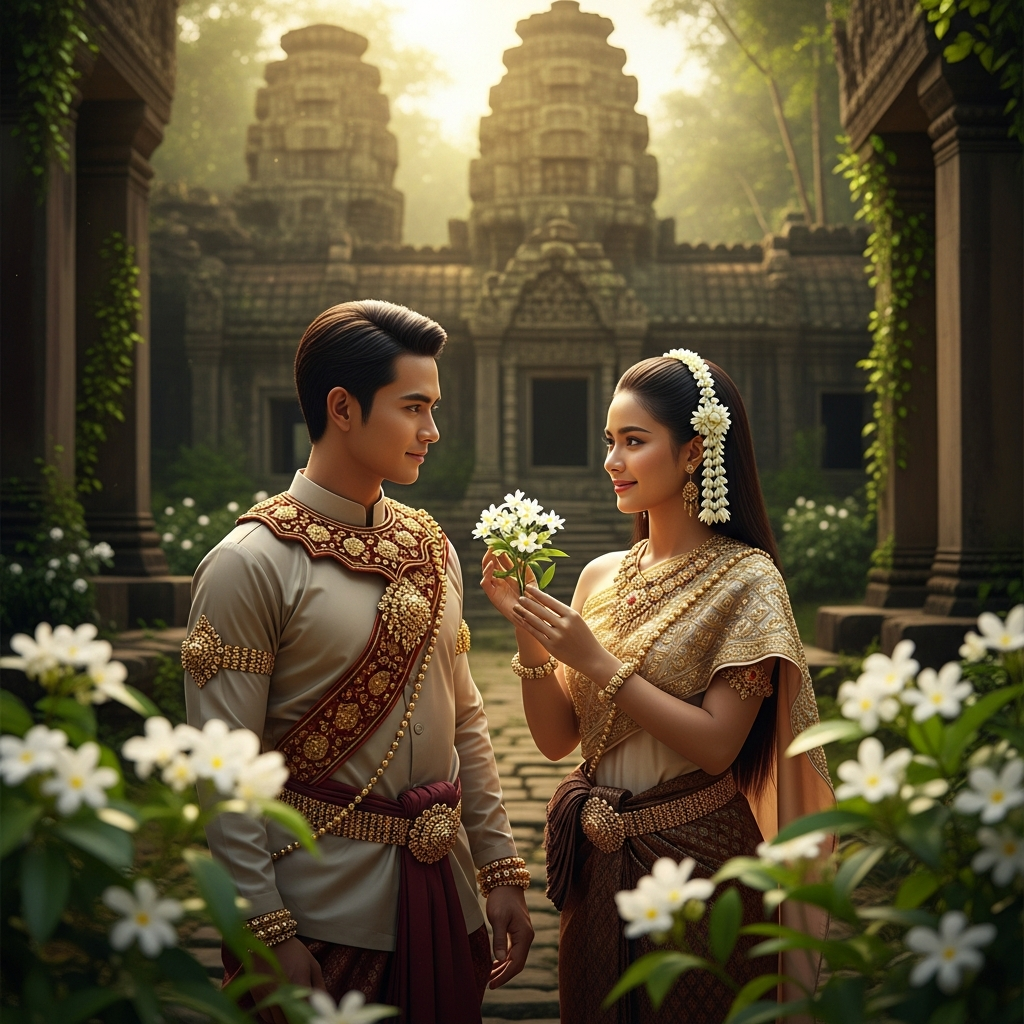
ផ្កាក្រវាន់រីកអស់កល្បជានិច្ច
នៅក្រោមម្លប់នៃដើមអំពិលប្រវត្តិសាស្ត្រ ដែលមើលឃើញទន្លេហូរលឿនគ្មានថ្ងៃស្ងួត សុធារិទ្ធ និង កេសរមាលា បានឈរទល់មុខគ្នា ក្នុងភាពស្ងប់ស្ងាត់មួយដែលធ្ងន់ជាងពាក្យសម្ដីរាប់ពាន់ម៉ាត់។ វាសនារបស់ពួកគេ ត្រូវបានសម្រេចជាស្ថាពរ។ មិនមែនជាការបែកបាក់ទេ តែជាការកំណត់ព្រំដែននៃភពផែនដី សម្រាប់ចំណងស្នេហាមួយដែលត្រូវបានឧទ្ទិសទៅកាន់លំហអាកាសដ៏អស់កល្ប។ ជីវិតដែលបើកចំហរជាមួយគ្នា ដូចគូស្នេហ៍ដទៃ គឺជារឿងមួយដែលពិភពលោកបដិសេធមិនផ្ដល់ឱ្យពួកគេ ប៉ុន្តែភាពស្និទ្ធស្នាលដែលមើលមិនឃើញរបស់ពួកគេ ត្រូវបានចារឹកចូលទៅក្នុងថ្មម៉ាប នៃសតិអារម្មណ៍រៀងៗខ្លួន រឹងមាំជាងប្រាសាទដែលកសាងឡើងដោយដៃមនុស្សទៅទៀត។
សុធារិទ្ធ បានលូកដៃទៅចាប់បាតដៃដ៏ត្រជាក់របស់នាង កេសរមាលា។ ម្រាមដៃរបស់គេបានប៉ះគ្នាស្រាលៗ ដូចជាការសន្យាលាក់កំបាំង ដែលមិនអាចបំពានបាន។ ភ្នែករបស់គេសម្លឹងមើលគ្នាទៅវិញទៅមក ឆ្លុះបញ្ចាំងពីសមុទ្រនៃការលះបង់ និងការតាំងចិត្តដ៏មុតមាំ។ «កេសរមាលា អូនជាផ្កាក្រវាន់ដែលរីកក្នុងសួនចិត្តរបស់បង។ ទោះបីជាបងត្រូវតែរស់នៅដោយមានជញ្ជាំងពិភពលោកបំបែកយើងក៏ដោយ ក៏ក្លិនក្រអូបនៃបេះដូងអូន នឹងក្លាយជាខ្យល់ដង្ហើមតែមួយគត់របស់បងដែរ»។ សុធារិទ្ធ បាននិយាយសំដីនេះដោយសម្លេងដ៏ទន់ជ្រាយ ប៉ុន្តែពាក្យនីមួយៗបានបង្កប់នូវកម្លាំងនៃផែនដីរាប់ពាន់ឆ្នាំ។ គាត់បានទទួលស្គាល់ថា ឋានៈ និងកាតព្វកិច្ចរបស់គាត់ក្នុងនាមជាអ្នកដឹកនាំ មិនអនុញ្ញាតឱ្យគាត់ប្រឆាំងនឹងច្បាប់សង្គមដែលបានចែងទុកនោះទេ។ ការជ្រើសរើសដើម្បីរស់នៅដោយសុវត្ថិភាពសម្រាប់អ្នកដទៃ មានន័យថាត្រូវតែលះបង់សុភមង្គលផ្ទាល់ខ្លួនមួយភាគធំ។ ប៉ុន្តែគាត់បានរកឃើញសេរីភាពពិតប្រាកដ នៅក្នុងការសម្រេចចិត្តដ៏លំបាកនេះ—សេរីភាពនៃការស្រឡាញ់ដ៏បរិសុទ្ធ ដែលមិនត្រូវការការអនុញ្ញាតពីនរណាម្នាក់។
កេសរមាលា ទឹកភ្នែកដែលហូរចុះមកដោយស្ងៀមស្ងាត់ មិនមែនជាទឹកភ្នែកនៃការសោកស្ដាយនោះទេ តែជាការសម្អាតចិត្តដើម្បីត្រៀមខ្លួនទទួលយកភាពអស់កល្បជានិច្ចនៃសេចក្តីស្នេហានេះ។ នាងយល់ពីបន្ទុករបស់គាត់។ នាងដឹងថាការលះបង់របស់ពួកគេ គឺជាតម្លៃដែលត្រូវបង់ ដើម្បីរក្សាឱ្យសេចក្តីស្នេហានេះនៅតែបរិសុទ្ធ មិនមានភាពរំខានដោយការច្រណែន និងការវិនិច្ឆ័យពីខាងក្រៅ។ «សុធារិទ្ធ បងដឹងទេ ផ្កាក្រវាន់មិនរីកដើម្បីទាមទារការចាប់អារម្មណ៍ទេ។ វាគ្រាន់តែបញ្ចេញក្លិនរបស់វា នៅពេលដែលវាពេញវ័យតែប៉ុណ្ណោះ។ សេចក្ដីស្រឡាញ់របស់យើង ត្រូវបានផ្សាភ្ជាប់រួចហើយ មិនមែនដោយកិច្ចសន្យា ឬពិធីមង្គលការនោះទេ ប៉ុន្តែដោយការយល់ដឹងដ៏ជ្រាលជ្រៅថា ចិត្តរបស់យើងបានក្លាយជាតែមួយ។ វាមិនសំខាន់ទេថា យើងស្ថិតនៅទីណា ពីព្រោះគ្រប់ទិសទីគឺមានតែយើង»។
ពាក្យសម្ដីរបស់នាង បានឆ្លុះបញ្ចាំងទៅនឹងទស្សនវិជ្ជានៃចំណងជើងនៃរឿងនេះ។ ផ្កាក្រវាន់រីកអស់កល្បជានិច្ច មិនមែនមានន័យថាវាបន្តរីកនៅលើផែនដីរៀងរហូតនោះទេ ប៉ុន្តែវាមានន័យថា ខ្លឹមសារនៃផ្កានោះ—ក្លិនរបស់វា ភាពបរិសុទ្ធរបស់វា—បានក្លាយជាគំនិតមួយដែលមិនអាចបំផ្លាញបាន។ សេចក្ដីស្រឡាញ់របស់ពួកគេ គឺដូចជាចម្លាក់បុរាណ ដែលត្រូវបានឆ្លាក់ដោយជាងចម្លាក់មេដ៏អស្ចារ្យ។ ថ្វីត្បិតតែថ្មអាចនឹងបាក់បែកទៅតាមពេលវេលាក៏ដោយ ក៏គំនិតដើមនៃចម្លាក់នោះ នៅតែស្ថិតស្ថេរជានិរន្តរ៍នៅក្នុងសតិអារម្មណ៍របស់មនុស្សជំនាន់ក្រោយ។ ពួកគេទាំងពីរបានយល់ព្រមលើសម្បថដ៏អាថ៌កំបាំងមួយ ដែលជាសម្បថនៃការតស៊ូអត់ធ្មត់—ការតស៊ូដើម្បីរក្សាភ្លើងនៃចំណង់ចំណូលចិត្តឱ្យឆេះដោយមិនចាំបាច់បង្ហាញជាសាធារណៈ។
សុធារិទ្ធ បានបិទភ្នែកមួយសន្ទុះ ស្រូបយកនូវភាពកក់ក្ដៅចុងក្រោយនេះ មុនពេលពួកគេត្រូវដើរតាមផ្លូវដែលបានកំណត់ទុក។ គាត់បានស្រមៃមើលជីវិតដែលគាត់នឹងត្រូវរស់នៅ—ជីវិតដែលពោរពេញទៅដោយការទទួលខុសត្រូវខាងក្រៅ តែនៅខាងក្នុង គឺមានតែកេសរមាលា ដែលគ្រប់គ្រងរាល់ការសម្រេចចិត្តរបស់គាត់។ នាងនឹងក្លាយជាត្រីវិស័យស្មារតីរបស់គាត់ ជាសំឡេងខ្សឹបដែលដឹកនាំគាត់ឱ្យទៅរកសេចក្ដីសុចរិតជានិច្ច។ សេចក្ដីស្រឡាញ់នេះ មិនមែនជាភាពទន់ខ្សោយទេ តែជាគ្រឹះដ៏រឹងមាំសម្រាប់អត្ថិភាពរបស់គាត់។
កេសរមាលា បានដឹងថា នាងនឹងក្លាយជាស្រមោលដ៏ស្ងៀមស្ងាត់មួយនៅក្នុងជីវិតរបស់គាត់។ នាងនឹងត្រូវរស់នៅដោយគោរពនូវកាតព្វកិច្ចសង្គមរបស់នាង ប៉ុន្តែរាល់ដង្ហើមដែលនាងស្រូបចូល នឹងក្លាយជាការថ្វាយបង្គំចំពោះចំណងដ៏ពិសិដ្ឋរបស់ពួកគេ។ នាងនឹងក្លាយជាគំនិតលាក់កំបាំងរបស់ សុធារិទ្ធ ជាភាពចាំបាច់ដែលមើលមិនឃើញ ដែលទ្រទ្រង់ពិភពលោករបស់គាត់។ ភាពឯកកោខាងក្រៅរបស់នាង នឹងត្រូវបានបំពេញដោយភាពស្និទ្ធស្នាលដ៏គ្មានព្រំដែនខាងក្នុង។
ពួកគេបានរៀបចំពិធីបូជាសម្ងាត់មួយ មិនមែនដោយភ្លើងទៀន ឬផ្កាកម្រនោះទេ ប៉ុន្តែដោយការចែករំលែកនូវភាពស្ងៀមស្ងាត់ដ៏យូរអង្វែង ដែលមានតម្លៃជាងពិធីសាសនាណាមួយទៅទៀត។ សេចក្ដីស្រឡាញ់របស់ពួកគេ គឺជាសាសនាផ្ទាល់ខ្លួនរបស់ពួកគេ។ វាត្រូវបានផ្សាភ្ជាប់មិនមែននៅក្នុងបណ្ណសាររដ្ឋនោះទេ ប៉ុន្តែនៅក្នុងសៀវភៅដែលសរសេរដោយទឹកខ្មៅនៃជោគវាសនា ដែលមិនអាចលុបលាងបាន។ ពួកគេបានយល់ថា ការរស់នៅដាច់ដោយឡែកពីគ្នា គឺជាការបង្ហាញដ៏ខ្ពង់ខ្ពស់បំផុតនៃការស្រឡាញ់គ្នាទៅវិញទៅមក—ការលះបង់បុគ្គលម្នាក់ៗ ដើម្បីភាពអមតៈនៃចំណងនោះ។
នៅពេលដែលព្រះអាទិត្យចាប់ផ្ដើមលិចបាត់បាំងពីជើងមេឃ គូរជាស្រមោលវែងៗនៅលើដីខ្សាច់ទន្លេ សុធារិទ្ធ បានដោះលែងដៃរបស់នាងយឺតៗ។ ការលែងនេះ មិនមែនជាការបញ្ចប់ទេ តែជាការផ្ដើម។ វាគឺជាការអនុញ្ញាតឱ្យព្រលឹងនាង ត្រឡប់ទៅកាន់លំនៅដ្ឋានស្ងប់ស្ងាត់វិញ ខណៈដែលផ្នែកមួយនៃព្រលឹងនោះ នៅតែស្ថិតនៅក្នុងខ្លួនរបស់គាត់ជារៀងរហូត។ ពួកគេមិនត្រូវការពាក្យលាទេ។ ការប្ដេជ្ញាចិត្តរបស់ពួកគេបានបំបែករបាំងពេលវេលា និងលំហរួចទៅហើយ។ ពួកគេដឹងថា ពួកគេគឺជាផ្នែកនៃផ្កាក្រវាន់តែមួយ ដែលទោះជាបំបែកចេញពីគ្នា ក៏ក្លិននៅតែលាយឡំចូលគ្នា រីកអស់កល្បជានិច្ច នៅក្នុងសាលធំនៃអត្ថិភាពរបស់ពួកគេ។
Under the canopy of the ancient tamarind tree, overlooking the ceaseless flow of the river, Sotharith and Kesormala stood facing each other, enveloped in a silence heavier than a thousand uttered words. Their destiny had been immutably settled. It was not a separation, but a delineation of earthly boundaries for a cosmic bond consecrated to eternity. An open life together, like that of conventional couples, was a luxury the world denied them, yet their invisible intimacy was etched into the marble of their mutual consciousness, more enduring than any structure built by human hands.
Sotharith reached out, gently taking Kesormala’s cool palm. Their fingers interlocked briefly, a clandestine, unbreakable covenant. Their eyes met, reflecting a sea of shared sacrifice and granite resolve. “Kesormala, you are the Garland Flower blooming in the garden of my spirit. Though I must live separated by the world’s walls, the fragrance of your heart shall be my only breath.” Sotharith spoke softly, yet every word carried the weight of millennia. He recognized that his status and duties as a leader forbade him from defying established societal codes. Choosing external security for his people necessitated the sacrifice of a large measure of personal happiness. But he found true freedom within this difficult decision—the liberty of a pristine love that required no external validation.
Kesormala’s silently falling tears were not tears of regret, but a cleansing ritual, preparing her spirit for the eternal nature of this commitment. She understood his burden. She knew that their sacrifice was the necessary price paid to keep their love pure, untainted by the envy and judgment of the external world. “Sotharith, you must know, the Garland Flower does not bloom to demand attention. It simply releases its essence when it is ripe. Our love is sealed, not by contract or ceremony, but by the profound understanding that our spirits have become one entity. It matters not where we physically reside, for every direction is oriented towards us.”
Her words resonated with the core philosophy of the novel’s title. The Garland Flower Blooms Eternally did not mean it continued to flourish on earth forever, but that its essence—its scent, its purity—had become an indestructible concept. Their love was akin to an ancient sculpture, carved by a master artisan. Though the stone might crumble over eons, the original idea of the sculpture would persist eternally in the collective memory. They had both consented to a mystical vow, a vow of perseverance—the fortitude required to keep the flame of passion burning without public display.
Sotharith closed his eyes for a moment, absorbing this final warmth before they walked their divergent paths. He envisioned the life he was bound to lead—a life filled with external responsibilities, yet internally, only Kesormala governed his decisions. She would be his spiritual compass, the guiding whisper that always led him toward righteousness. This love was not a vulnerability, but the bedrock of his existence.
Kesormala knew she would become the quiet shadow in his life. She would adhere to her societal duties, yet every breath she took would be an offering to their sacred bond. She would be Sotharith’s hidden intention, the invisible necessity that upheld his world. Her external solitude would be filled by an internal intimacy that knew no bounds.
They performed a silent consecration, not with candlelight or rare blooms, but with the sharing of a prolonged silence, more meaningful than any religious rite. Their love was their private religion. It was sealed not in state archives, but in a ledger written in the indelible ink of destiny. They understood that living apart was the highest demonstration of their devotion—the sacrifice of individual comfort for the immortality of the bond itself.
As the sun began to dip below the horizon, painting long shadows across the river sands, Sotharith slowly released her hand. The release was not an ending, but a commencement. It was the permission for her soul to return to its quiet dwelling, while a piece of that soul remained within him forever. They required no farewell. Their commitment had already transcended the barriers of time and space. They knew they were parts of a single Garland Flower, which, though physically separated, merged their fragrance and bloomed eternally in the vast chamber of their shared existence.